It is only coincidence that all of the bloom for today happens to be white. Again, these are old pictures, from two weeks ago or so. The mock orange, Philadelphus lewisii, and black locust, Robinia pseudoacacia, finished bloom a while ago. Both were very fragrant.
I wanted to get these pictures of the ‘Black Lace’ elderberry, Sambucus nigra ‘Black Lace’, and the native blue elderberry, Sambucus cerulea, in bloom, not because they are remarkably pretty, but for comparison. Their more recent bloom has been more impressive, with wider floral trusses. The blue elderberry is very common here, and because common black elderberry are uncommon here, it is our standard elderberry. ‘Black lace’ is only rarely available in nurseries, and grown primarily for the dark foliage and nice bloom. However, some mail order catalogs describe it at a productive fruit ‘tree’, as if it is comparable to other elderberries. It came here as an ornamental. Fruit would be an added bonus. I am very interested to see how it compares to the native blue elderberry, which is excellently productive, particularly if cultivated. It is ideal for award winning jelly, even if it does not win the blue ribbon: https://tonytomeo.wordpress.com/2017/10/01/blue-ribbon/
Elderberry bloom is useful as well, although we have not used it for anything here. I prefer to leave the bloom to make more fruit. However, because there are so many around here, we could easily get a significant volume of bloom without significantly compromising the availability of fruit later on. Bloom can be battered and fried like fritters, or used in beverages. I will leave that work to someone else.
1. ‘Black Lace’ elderberry bloom
2. blue elderberry bloom
3. ‘Black Lace’ elderberry foliage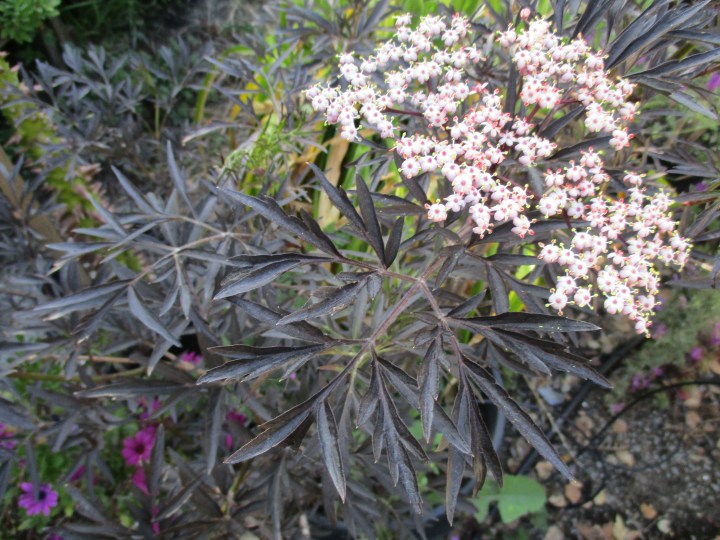
4. blue elderberry foliage
5. mock orange
6. black locust
This is the link for Six on Saturday, for anyone else who would like to participate:
https://thepropagatorblog.wordpress.com/2017/09/18/six-on-saturday-a-participant-guide/
 There is a difference. Hybrid tea and grandiflora roses were bred to be excellent cut flowers for the home. They bloom on long stems, and last well once cut. However, the rigid and thorny plants that produce these excellent blooms are realistically not much to look at. Floribunda, polyantha and climbing roses are more of a compromise with less ideal (perhaps) flowers on friendlier plants.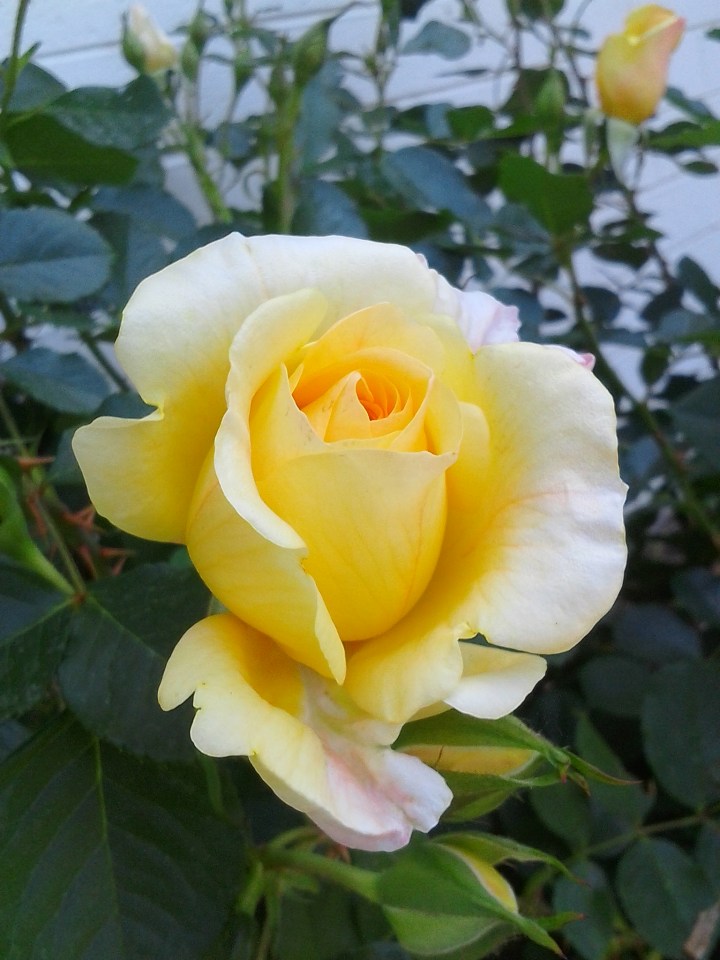




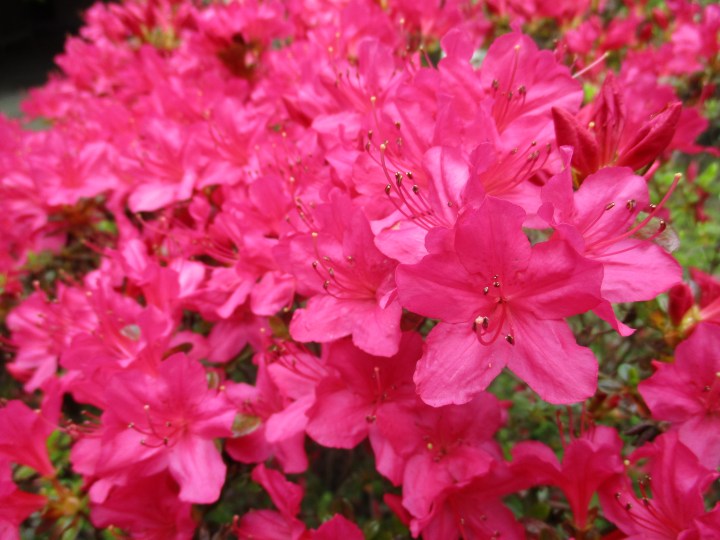

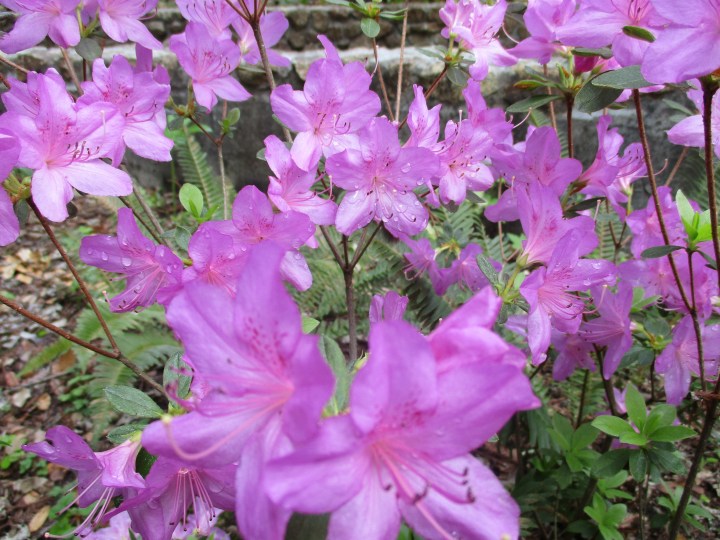


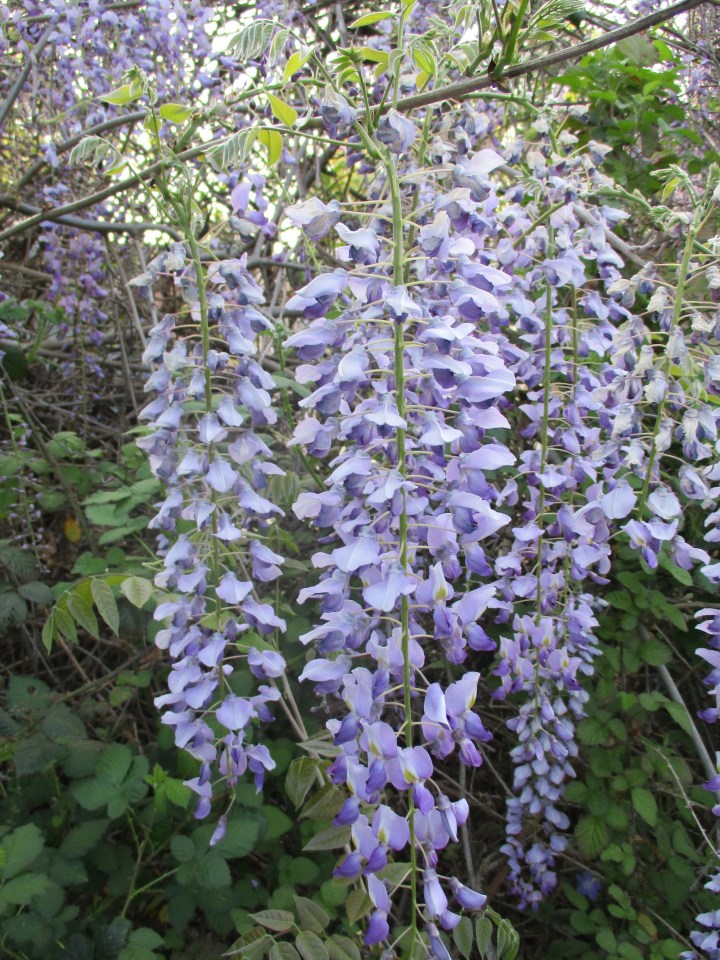 It is easy to see why there are optimum times to prune, and just as easy to see when pruning should not be done. Generally, deciduous plants prefer to get pruned while dormant and bare. They should not be pruned when actively blooming or making new foliage. Roots are of course not so easy to see. Do we really know what they are doing, or what sort of mischief they are getting into?
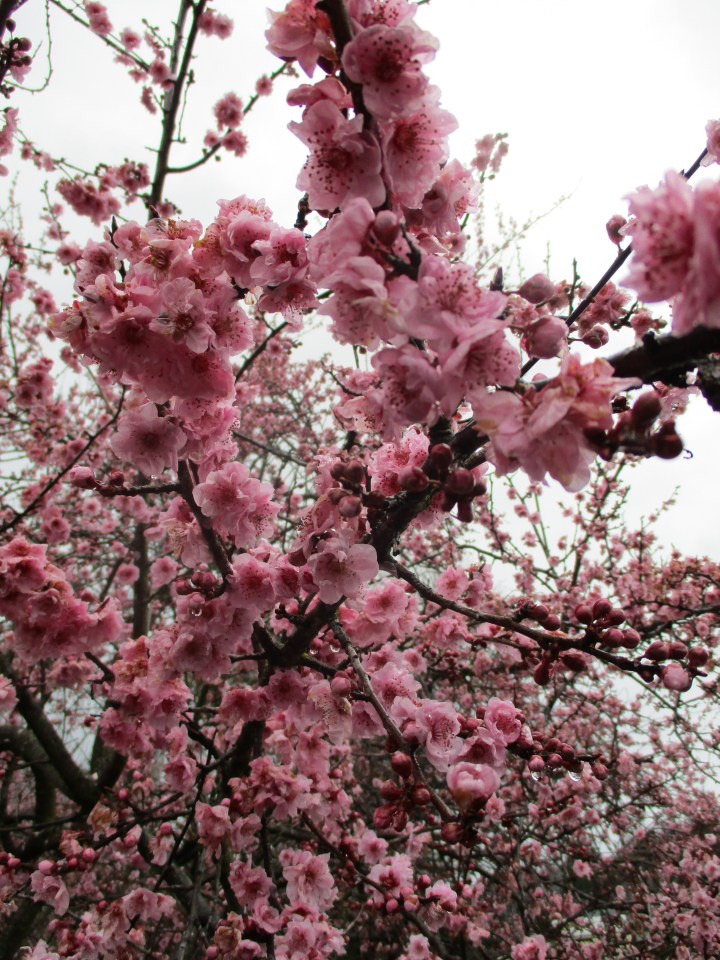 Of all the fruitless fruit trees, the purple leaf plum is the most popular here, but probably not for the obvious allure of its rich purplish or bronze foliage that maintains color until it falls in autumn. Purple leaf plum is simply so easy to grow. It does not need to be pruned as regularly as flowering peaches or flowering crabapples do. It is not as sensitive to sunscald as flowering cherries are.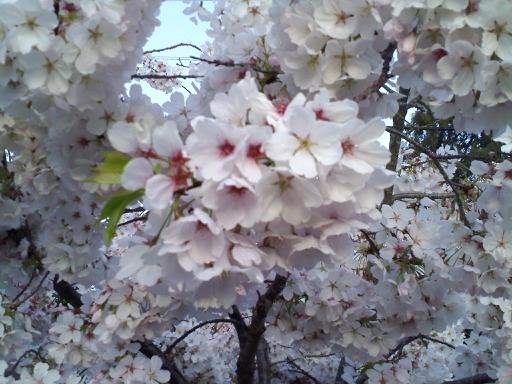
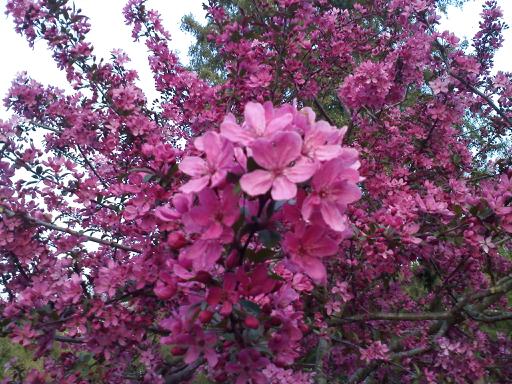
 Many people have a favorite color. I learned how seriously some people can take their preference for a particular color when I was in high school, and taking care of the yardwork for a few homes in the neighborhood. There were three tract homes next to each other. One was grayish blue, with a silvery blue Sedan deVille in the garage, and a garden of blue flowers. The middle house next door was soft amber yellow, with a buttery yellow Oldsmobile 98 in the garage, and a garden of exclusively yellow flowers. The house next door to that was iron oxide red, with an exquisite rich red Electra in the garage, and a garden of, you guessed it, red flowers.
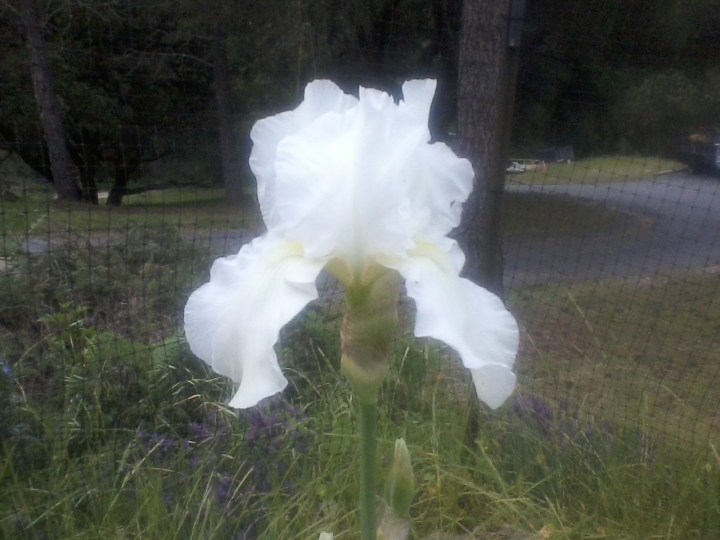 The statute of limitations allows me to discuss this now. It happened thirty years ago, in the spring of 1987. The famous landscape designer, Brent Green, was my roommate in the dorms at Cal Poly, San Luis Obispo. As the bearded iris started to bloom, Brent immediately noticed a bed of uniformly pink bearded iris off the edge of a lawn in the inner campus. He watched it bloom from beginning to end, and occasionally updated me on the progress. During the process, he convinced me that these iris were very rare. Neither of us had ever seen pink bearded iris before. We had no idea that they could easily be purchased from mail order catalogs or nurseries.
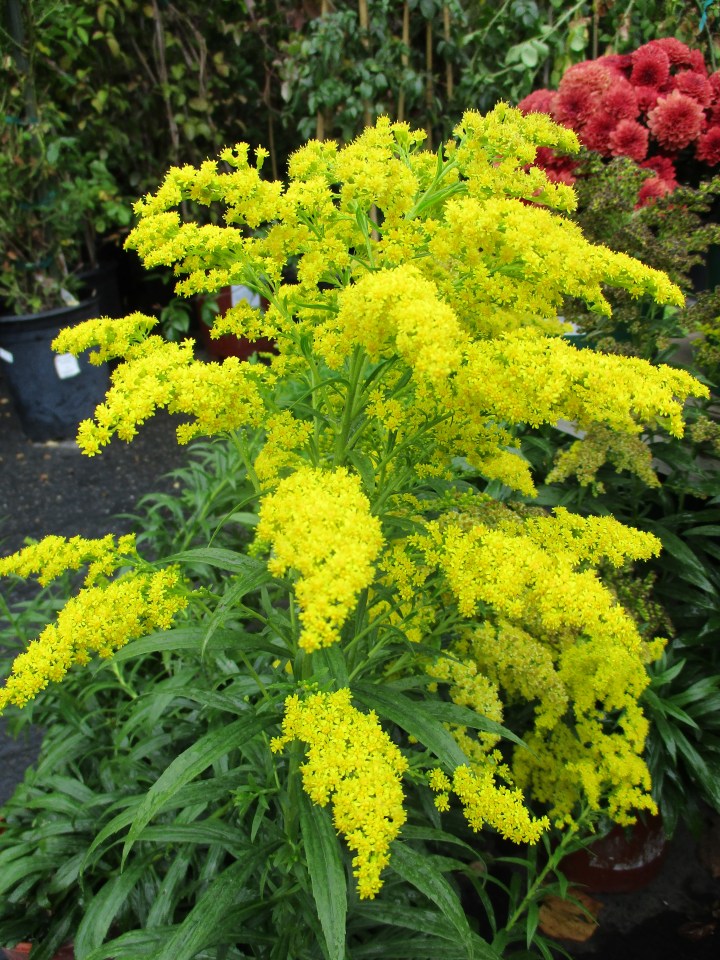 It makes sense for flowers to bloom in spring. Winter is too cool, windy and damp for both flowers and the insects that pollinate many of them. By summer, successfully pollinated flowers have faded, are busy making seed to disperse in autumn. Some plants produce fruit to get birds and other animals to disperse their seed. There are certain advantages to blooming early in the spring.
 Tony Tomeo