
The need to deadhead so early in spring is one of the few minor consequences of spring bulbs. Long before it becomes necessary to deadhead zinnia, canna and rose, the first flowers to bloom as winter ends are already finished. Many are those of spring bulbs. Their lingering deteriorating bloom can be slightly unappealing. What is more of a concern, is that some will likely try to go to seed.
The process of producing unwanted seed consumes resources that could otherwise sustain more useful growth. However, for spring bulbs that have finished blooming, production of seed for a new generation is more important than their own survival. That is why it is helpful to deadhead bulbs and many other plants after bloom. If deprived of seed production, they divert resources elsewhere.
Deadheaded narcissus, daffodil, freesia, lily and tulip store more resources into new bulbs, which they generate to bloom next year. Snowdrop and grape hyacinth cultivars that get deadheaded are not likely to get overwhelmed by their own feral seedlings. (It is neither practical nor necessary to deadhead crocus or big naturalized colonies of snowflake, feral snowdrop or feral grape hyacinth.)
While it is important to deadhead most spring bulbs after bloom, it is also important to not remove deteriorating foliage prematurely. After all, the foliage produces the resources that are necessary to generate healthy new bulbs for next year. Such foliage starts to slowly deteriorate immediately after bloom, but may linger for many months. Bulbs will shed their foliage when they no longer need it.
Until then, bedding plants or low perennials can obscure deteriorating bulb foliage as it falls over. Trailing gazania and dwarf periwinkle work nicely for shorter bulbs. If they get shorn low for winter, trailing plumbago, common periwinkle and African daisy can work nicely for taller bulbs.


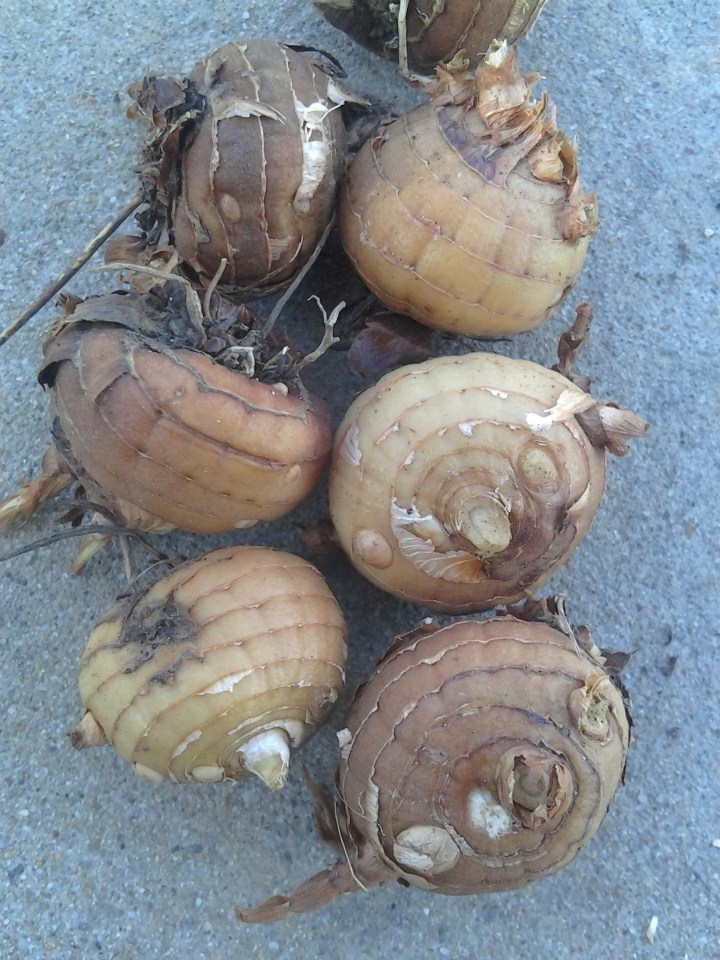 It may seem to be too early to be concerned with narcissus, daffodil and grape hyacinth, but this is when their bulbs go into the garden. Once established, these familiar examples, as well as early bearded iris, can be the most reliable for colorful bloom at about the same time early each spring. Crocus and freesia bloom just as early, but may not naturalize as reliably. Lily, tulip, hyacinth, anemone and ranunculus really prefer cooler winters to bloom reliably after their first spring, even though they are worth growing for just one season.
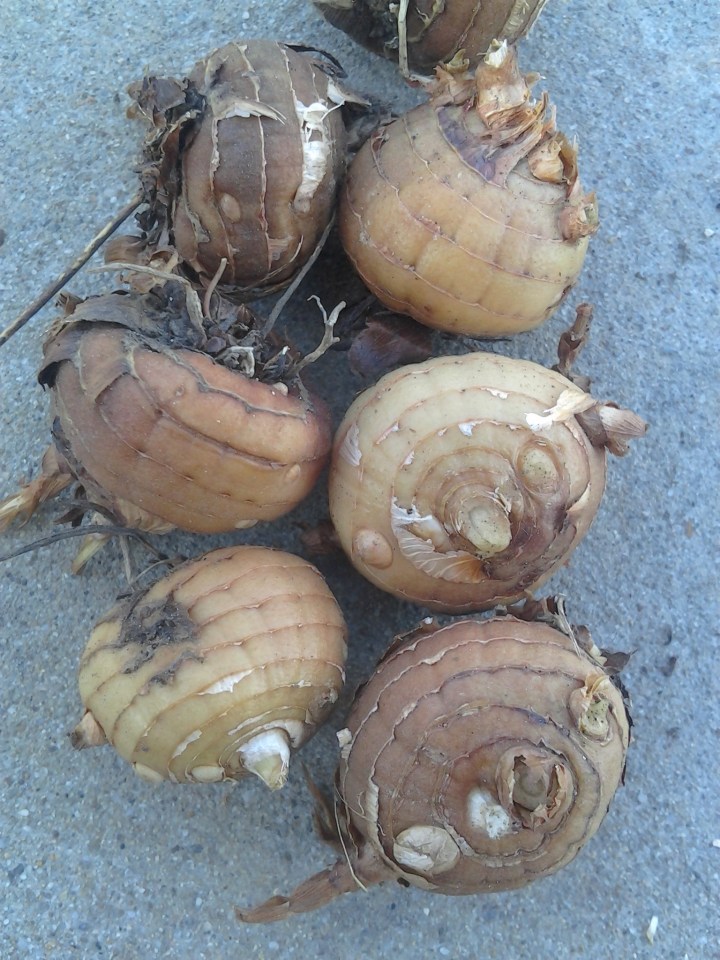 To those who do not enjoy gardening, the process of planting dormant bulbs must seem to be blatantly unproductive. Those of us who know what we are doing are so dutiful to select the bulbs we want, only to bury them in shallow graves in the garden, with nothing to show for all the effort. Knowing that the bulbs are buried at specific depths and orientations makes them no more exciting.
 From formerly dormant bulbs just below where their foliage shriveled in the warmth of last spring, the naked brown floral stalks of naked lady, Amaryllis belladonna, grow fast to about two feet tall. They bloom suddenly with a few or several garish pink lily flowers about three inches long. They are sneaky about it too. Without foliage, and prior to flashy bloom, the bare stalks are easy to miss.
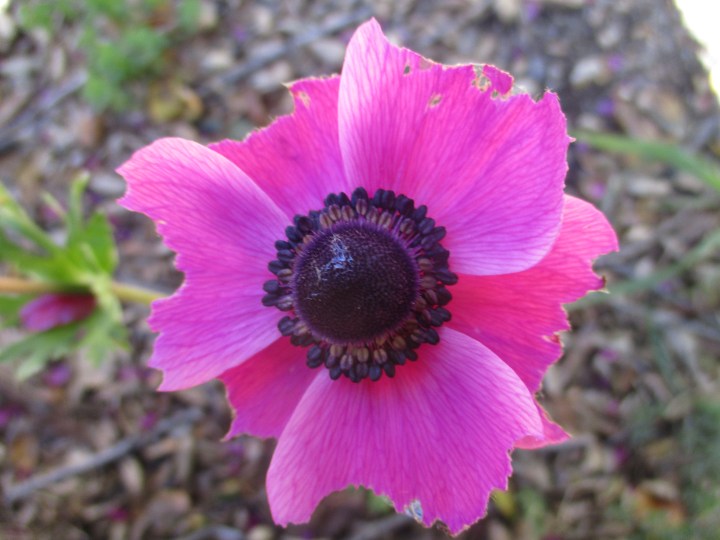 This really is something that I did not expect to see. It may not look like much. It is just a raspy anemone with bites taken out of it, blooming later than it should. What is so impressive about it is that it was not planted here last year. It was planted during the previous year, then bloomed on time last year, and then died back like anemones normally do. I did not plant it, of course. It is in a planter where volunteers contribute whatever they like.
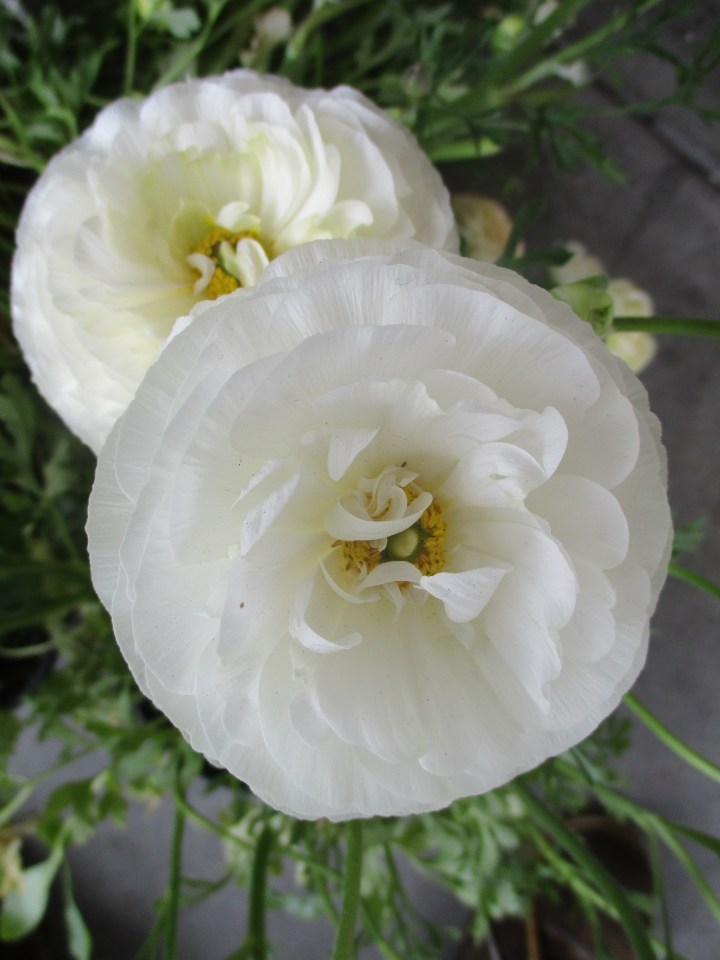 Their little tufts of tuberous roots that were buried late last year were not much to look at. They were more like bits of dried and shriveled sea anemone than something that would grow and bloom with fluffy anemone like flowers. Ranunculus do not bloom as prolifically as related anemones, but they do so with different colors and bulkier flowers that seem crowded with too many thin petals.
 Tony Tomeo