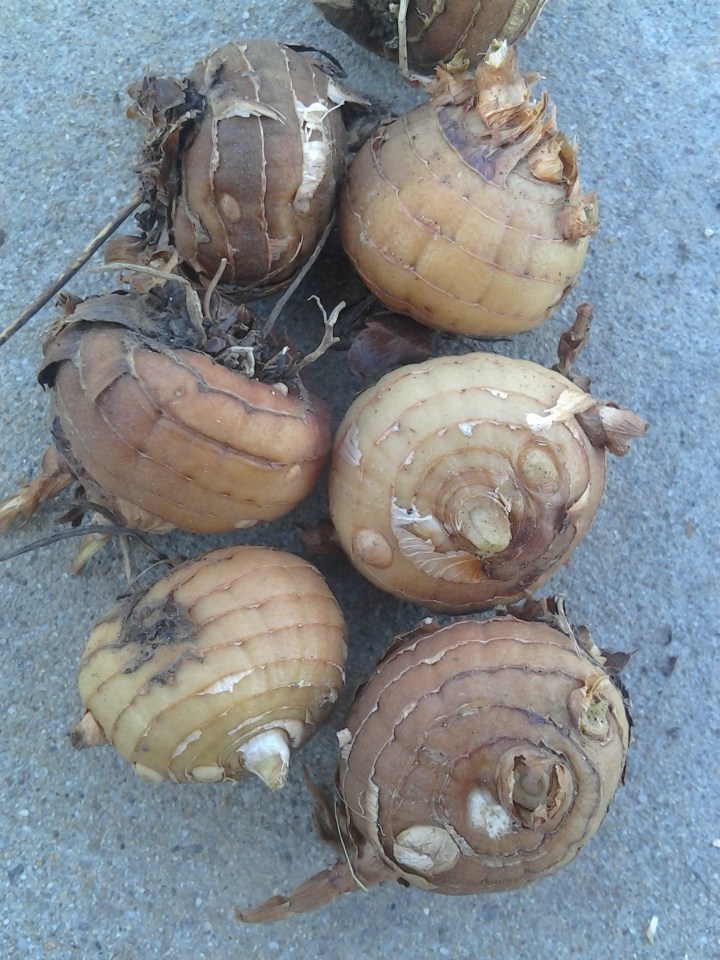
 It may seem to be too early to be concerned with narcissus, daffodil and grape hyacinth, but this is when their bulbs go into the garden. Once established, these familiar examples, as well as early bearded iris, can be the most reliable for colorful bloom at about the same time early each spring. Crocus and freesia bloom just as early, but may not naturalize as reliably. Lily, tulip, hyacinth, anemone and ranunculus really prefer cooler winters to bloom reliably after their first spring, even though they are worth growing for just one season.
Bulbs, including corms, rhizomes, tubers and tuberous roots, can be found in nurseries when it is time for them to be planted. Gladiolus are not yet available only because they are summer blooming bulbs that should be planted a bit later than spring bulbs. None of the bulbs are much to look at while dormant, and are even less impressive once they get buried out of sight, but they have already stored up everything they need for the blooms that we expect from them next year. Once hidden below the surface of the soil, seemingly dormant bulbs secretly disperse their roots into the surrounding cool and moist soil to be ready to bloom as soon as weather allows.
In their first year, some bulbs can be planted in groups at different times to coincide with the expected durations of their particular bloom cycles. For example, if the flowers of a particular type of bulb can be expected to last two weeks, a second phase of the same bulbs can be planted two weeks after the first phase. As the first phase finishes bloom next spring, the second phase should begin bloom. However, phasing is only effective for the first season, since all bulbs of any particular variety will be synchronized by their second season.
Anemone, ranunculus and bearded iris each bloom synchronously, regardless of when they get planted, so are immune to phasing. Fortunately, the many varieties of bearded iris have different bloom seasons. Some bloom as early as narcissus. Mid-season varieties bloom shortly afterward, and are followed by late varieties. Some modern varieties bloom early, and then again after the late varieties!
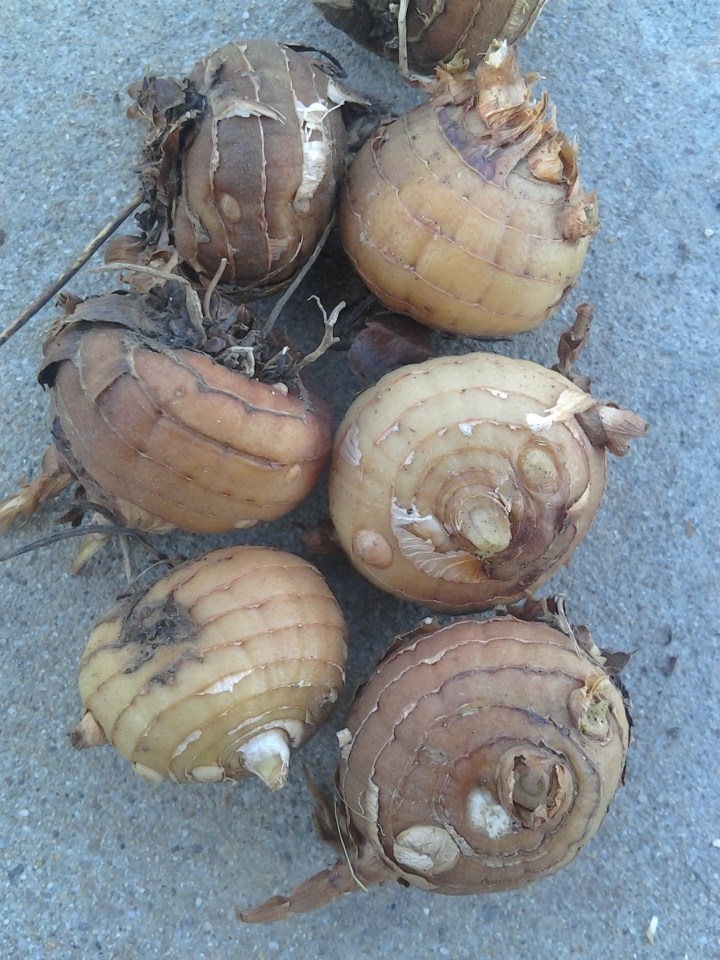 To those who do not enjoy gardening, the process of planting dormant bulbs must seem to be blatantly unproductive. Those of us who know what we are doing are so dutiful to select the bulbs we want, only to bury them in shallow graves in the garden, with nothing to show for all the effort. Knowing that the bulbs are buried at specific depths and orientations makes them no more exciting.
 From formerly dormant bulbs just below where their foliage shriveled in the warmth of last spring, the naked brown floral stalks of naked lady, Amaryllis belladonna, grow fast to about two feet tall. They bloom suddenly with a few or several garish pink lily flowers about three inches long. They are sneaky about it too. Without foliage, and prior to flashy bloom, the bare stalks are easy to miss.
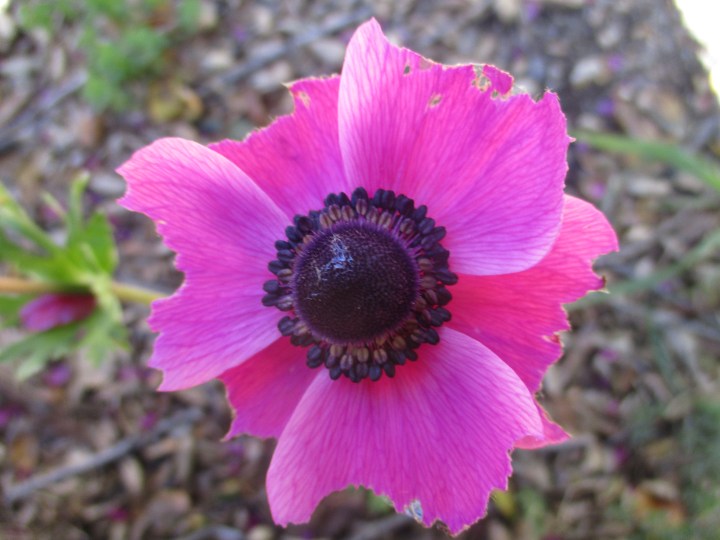 This really is something that I did not expect to see. It may not look like much. It is just a raspy anemone with bites taken out of it, blooming later than it should. What is so impressive about it is that it was not planted here last year. It was planted during the previous year, then bloomed on time last year, and then died back like anemones normally do. I did not plant it, of course. It is in a planter where volunteers contribute whatever they like.
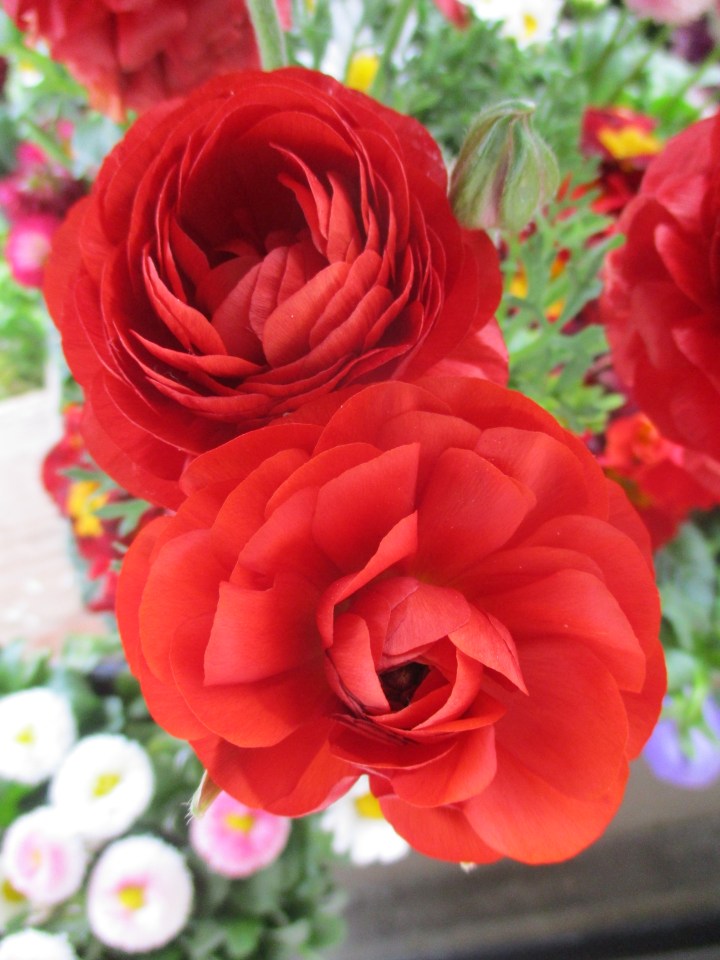
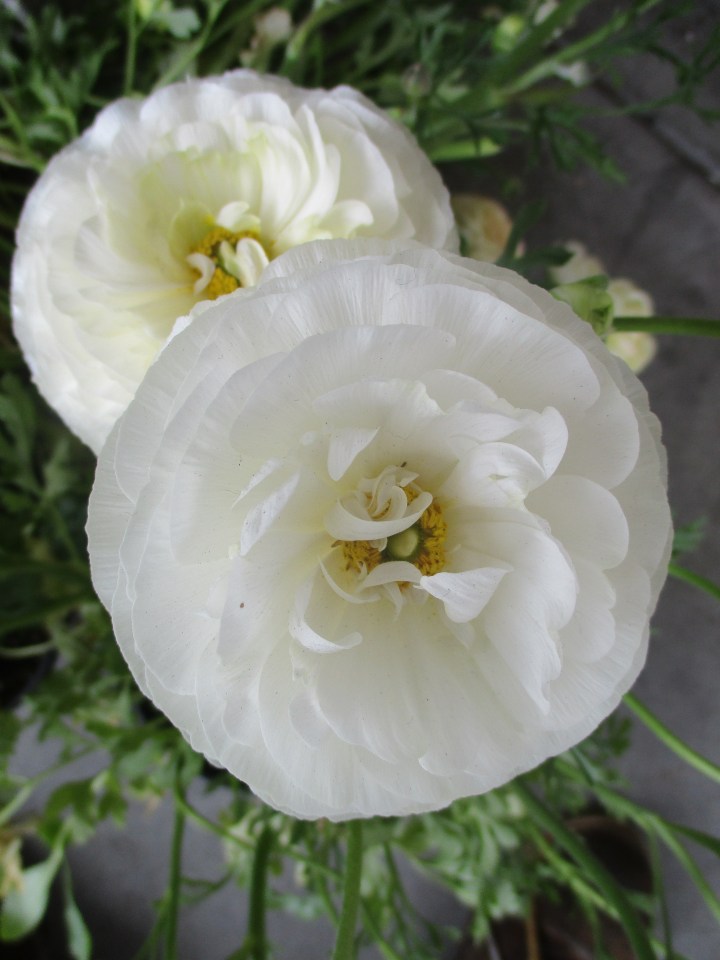 Their little tufts of tuberous roots that were buried late last year were not much to look at. They were more like bits of dried and shriveled sea anemone than something that would grow and bloom with fluffy anemone like flowers. Ranunculus do not bloom as prolifically as related anemones, but they do so with different colors and bulkier flowers that seem crowded with too many thin petals.
 Narcissus, daffodil, freesia, snowdrop, snowflake, grape hyacinth, various iris and most other early spring blooming bulbs and bulb like plants should be perennials. We plant them with the hope that the will survive after bloom to bloom for another season, and perhaps for many seasons. Some should multiply to provide more bloom over the years. Bloom is just part of their annual cycle.
 There are a few consequences to all this excellent rain. Gutters are flooding. Trees are falling. Mud is sliding. As much as we should be grateful for what we are getting while we are getting it, it is getting rather old. Clear and sunny weather that is forecast after today will be a welcome relief from all this muddy sogginess.
 Even with all the unusual breeds of daffodil and related narcissus that are available nowadays, the traditional big yellow types that resemble the classic ‘King Alfred’ daffodil are probably still the most popular, even if real ‘King Alfred’ are unavailable. Although all narcissus are daffodils, the term ‘daffodil’ typically refers to those with fewer but bigger and bolder flowers that lack fragrance.
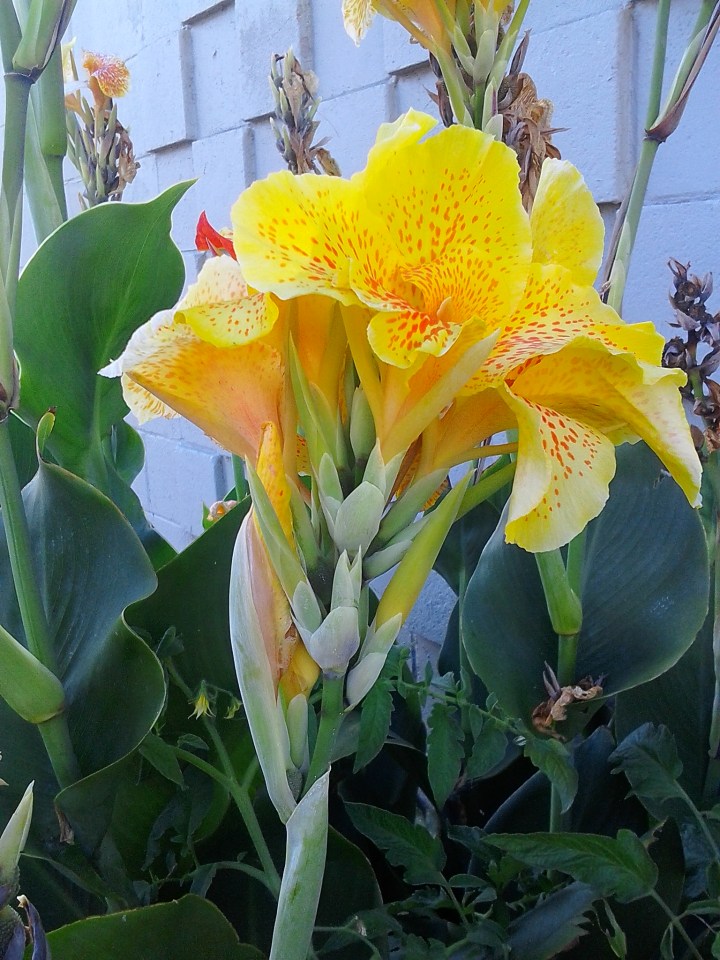 It was easy to forget about spring bulbs after they went into the ground so unceremoniously last autumn. They got buried without so much as proper funerals. Cool season annuals got planted over the grave sites of some, just because bare soil is not much to look at. They stayed silent out in the garden through the cool and rainy winter weather. It might have seemed like the perfect crime.
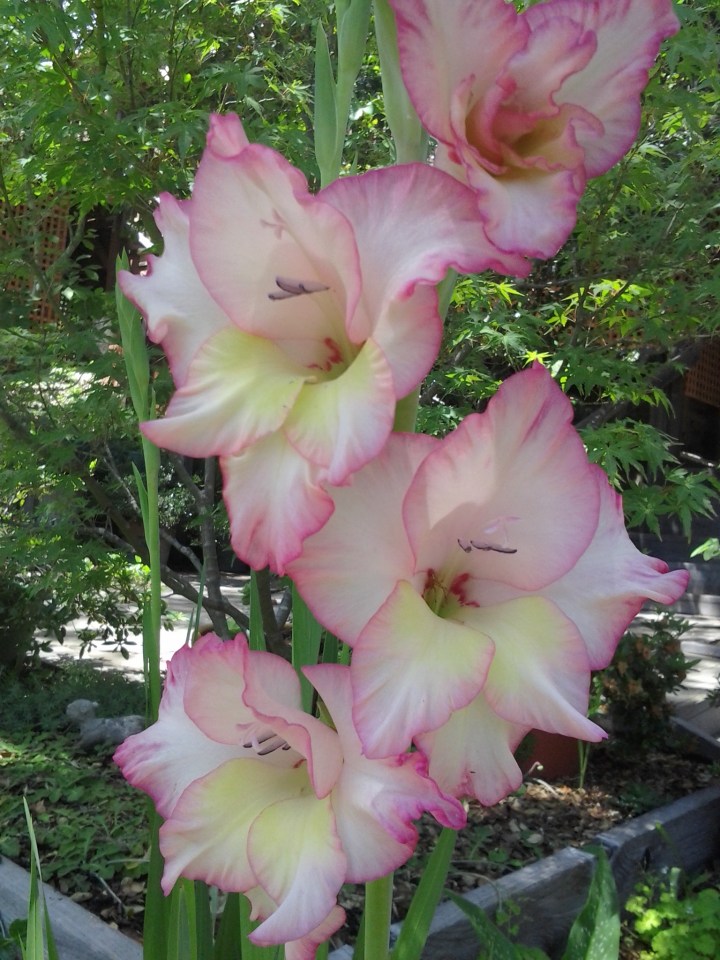 The sword of a gladiator was known as a gladio, and it probably resembled the leaves or floral spikes of gladiolus. These narrow and pointed leaves stand nearly vertical, angling only slightly to the left and right of a single flower stalk that can get as tall as six feet. The floral spike supports several very colorful florets that are arranged to the left and right, but tend to lean toward the front.

