‘Minneola’ Tangelo

‘Minneola’ tangelo fruit is slightly tart like a grapefruit, but richly flavored like a Mandarin orange.

Of all the citrus that ripen about now in winter and early spring, oranges, lemons, limes, grapefruits and mandarin oranges (or mandarins or tangerines) are the most familiar. (A tangerine is merely a mandarin that was developed in the Americas.) Kumquats, blood oranges, sour oranges, citrons and many of the odd citrus hybrids that are less common are becoming more popular as their fruit becomes more available in markets, and their trees become available in nurseries. Except for the very popular ‘Meyer’ lemon, which is actually a hybrid of an orange and a lemon, the most popular citrus hybrid is likely the ‘Minneola’ tangelo, which is a hybrid of a grapefruit and a mandarin orange. Other tangelos remain somewhat rare.

Like all citrus, ‘Minneola’ tangelo has appealingly glossy evergreen foliage and fragrant flowers. They can be grown in containers if their roots are dug, pruned and planted again every five years or so. They like regular watering, good drainage and mulch. Aphids, mites or scale can become problematic. Suckers from below the graft should be rubbed off as they appear. (The graft union can be identified by the change in bark texture and color on the main trunk just a few inches above the roots.)

‘Minneola’ tangelo trees get a bit larger than mandarin orange trees, but not as large or quite as full as grapefruit trees. The bright reddish orange fruit has all the flavor of mandarin oranges, and is just as easy to peel, but unlike the majority of mandarin oranges, has few seeds, and can be left on the tree through spring. The fruit is a bit smaller than that of ‘Valencia’ orange, and has a distended bump where the stem is attached. Flavor develops best in warmer parts of the garden, particularly after warm summers.

Citrus Are Summery For Winter

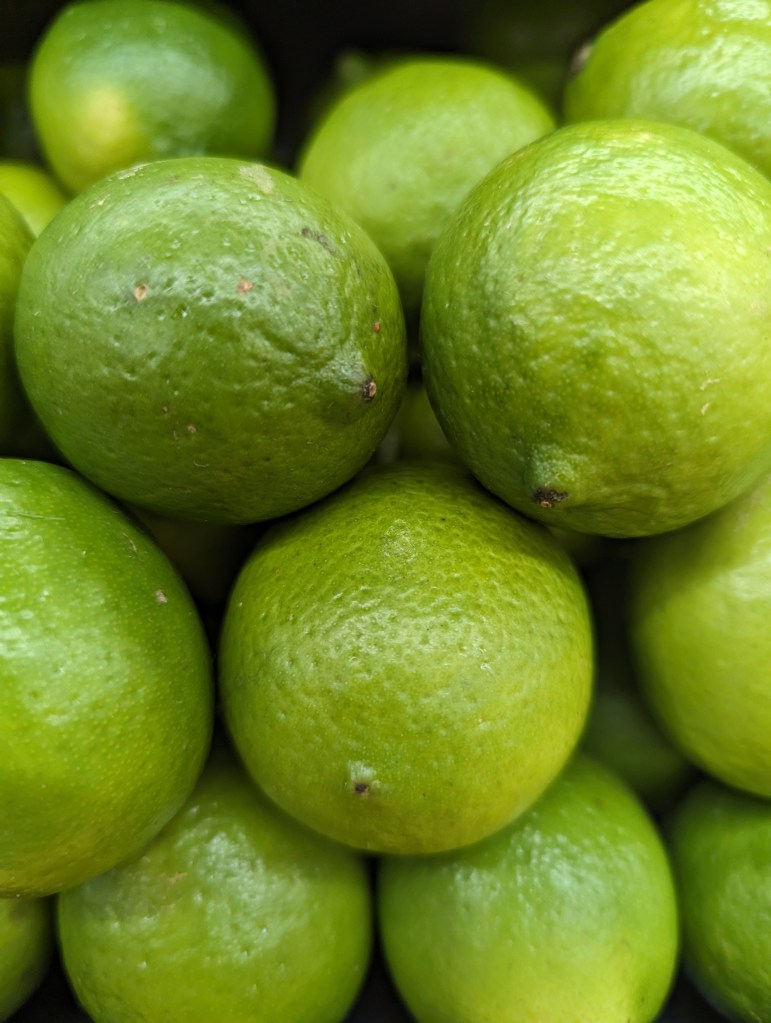
Limes are the most diverse citrus.

Citrus trees are not like deciduous fruit trees. They are not marketable as bare root stock. They do not need winter pruning. Actually, winter pruning might initiate premature growth that is vulnerable to frost. Deciduous fruit trees remain dormant so can only dream about fruiting for next summer. Citrus trees are happily evergreen, and fruiting abundantly now.

Citrus somehow seem to be more summery than fruit that actually ripen for summer. Iced lemonade is so traditional for warm summer weather. Oranges for Christmas might seem to be out of season when they really are not. Although Mandarin oranges are perishable, other ripe citrus last for weeks or months. Several ripen sporadically throughout the year.

‘Valencia’ oranges, which are the traditional juicing oranges, might last through summer. They may sustain the belief that orange juice is a summery beverage. Several grapefruit cultivars can last about as long. ‘Eureka’ lemon is mostly seasonal, but also generates a few fruits throughout the year. ‘Bearss’ lime may be even more productive out of season.

With only one exception, all species and cultivars of citrus are of the same Citrus genus. Kumquats are of the Fortunella genus, but typically qualify as Citrus for simplicity. Citrus fruit is sweet, sour or bitter. Most familiar oranges are sweet. ‘Seville’ is a sour orange for marmalade. ‘Bouquet de Fleur’ is a bitter orange for infusing with Grand Marnier cognac.

Oranges, lemons, limes, grapefruits, kumquats and Mandarins are all very familiar. All of these fruits are available from grocery markets. Their trees grow in many home gardens. Tangerines are simply Mandarins or Mandarin oranges of the Americas. Pomelos, which are larger ancestors of grapefruits, are still uncommon. So are tiny and tart calamondins.

They are not the most unusual, though. Blood oranges provide tangy red juice. ‘Rangpur’ lime is a sour Mandarin orange that is as acidic as a ‘Eureka’ lemon. Tangelos combines the tartness of grapefruits with the sweetness of Mandarin oranges. Sweet limes lack the acidity of typical limes, so are for eating like oranges. These are merely a few examples.

Mandarin Orange

Mandarin oranges are the earliest citrus.

Mandarin orange, Citrus reticulata, and nuts are some of the more traditional goodies for Christmas stockings. In Northern Europe centuries ago, nuts from the Americas were still exotic treats. The availability of perishable citrus fruits from Mediterranean regions relied on expensively efficient shipping. Consequently, citrus fruits were almost like delicacies.

Even when shipping was slow, Mandarin oranges ripened in time to arrive by Christmas. However, they needed fast shipping because they are more perishable than other citrus. They are innately more prone to oxidation because their rind and segments fit so loosely together. Of course, that is why they are so delightfully easy to peel, pull apart and share.

Mandarin oranges are smaller, more oblate, brighter orange, but also more variable than common sweet oranges. Among their many cultivars, their smaller leaves and thorniness are likewise variable. Very few very old trees grow taller than fifteen feet. Tangerines are merely barely genetically distinct Mandarin oranges that developed within the Americas.

Citrus Trees Are Dutifully Fruitful

Citrus are most abundant through winter.

Winter is the primary season for citrus fruits. Some ripen significantly earlier. Some ripen significantly later. Many citrus trees continue to produce a few fruits randomly throughout the year. Nonetheless, citrus fruits are collectively most abundant during winter. It seems odd that trees that are vulnerable to frost are so productive during the coolest of weather.

Citrus trees are fortunately only marginally susceptible to frost in only the cooler climates here. They mostly recover from minor damage where they get a bit too much chill. Those in coastal climates may never experience damaging frost. Some types of citrus are more resilient to frost than others. Vulnerable citrus trees may need frost protection when new.

Home garden citrus trees are different from orchard trees. Most orchard trees, particularly older trees, are ‘standard’ trees. They grow on standard rootstock that allows them to get larger, and therefore produce more fruit than ‘dwarf’ trees. Most home garden citrus trees are ‘dwarf’ trees. They grown on dwarfing rootstock that keeps them dense and compact. 

Furthermore, the many cultivars of citrus that are available for home gardening are more diverse than those that commonly grow in orchards. ‘Lisbon’ lemon is very profuse within season, so is preferable for orchards. ‘Eureka’ lemon, although a bit less productive, may be a preferable option for home gardens because it produces a few random fruit all year.

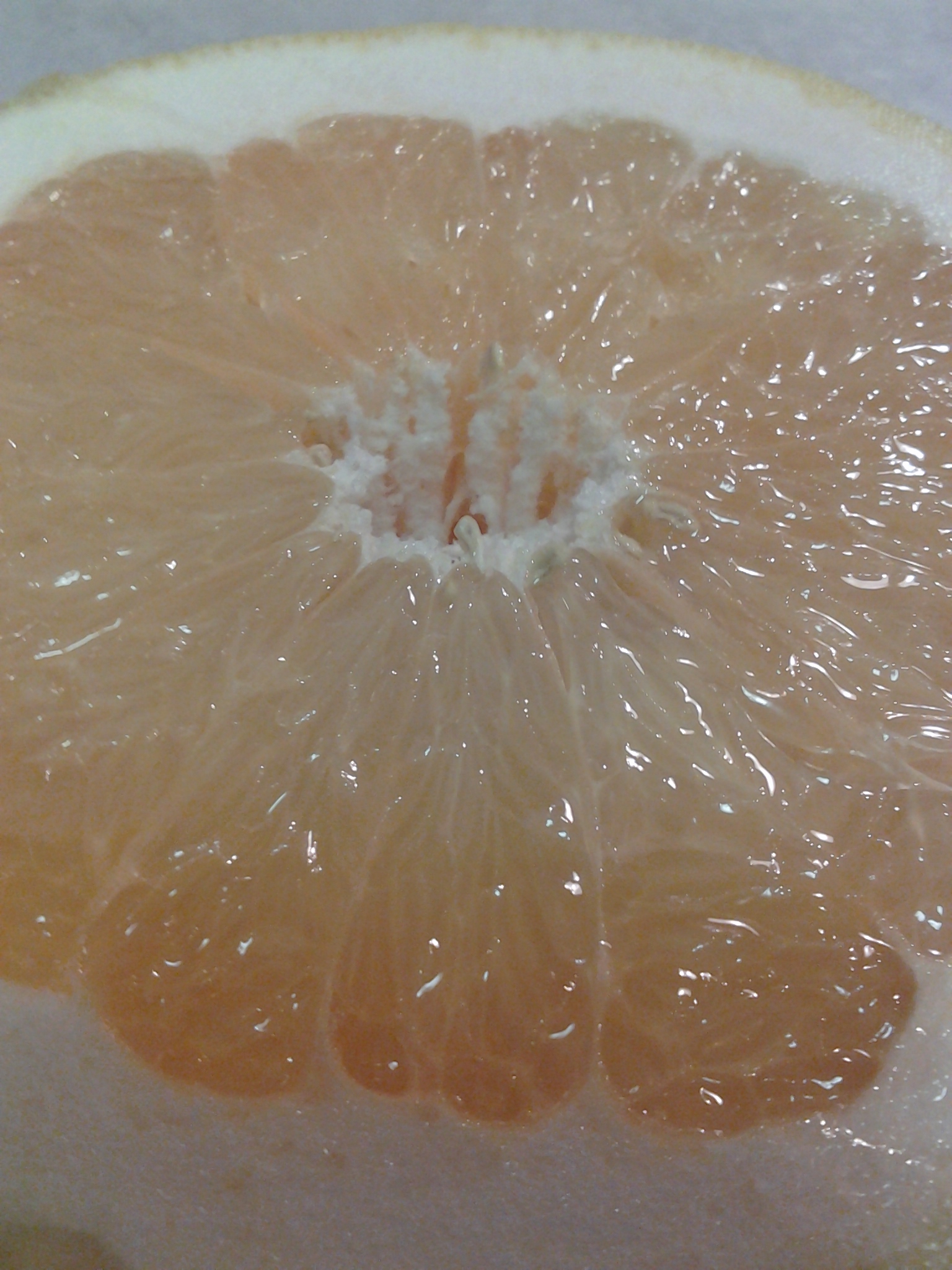
Now that citrus are in season, some last longer than others. Grapefruit can hang on their trees for months. They actually develop richer flavor with mellowing tartness as they age. Conversely, Mandarin orange and tangerine are the most perishable citrus. Because the rind is loose, their pulp within begins to oxidize after ripening. Lime eventually gets pithy. 

Although this is the time of year to enjoy fresh citrus fruits, it is not the season to do much else with citrus trees. Pruning and application of fertilizer will be more timely after winter. Premature pruning or use of fertilizer is likely to stimulate premature growth. Such growth either languishes through cool weather, or succumbs to mild frost.

‘Eureka’ Lemon

50318

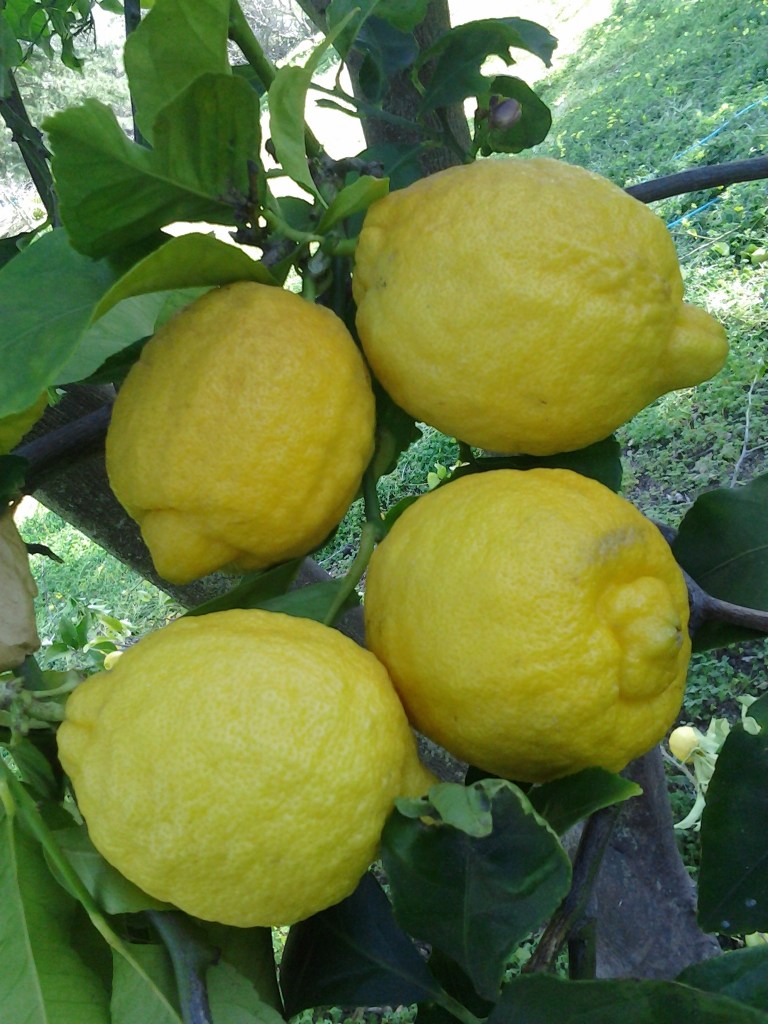
‘Lisbon’ lemon actually came first. It is still grown in orchards for lemon juice and other lemon products. The glossy evergreen foliage is a nice bright green. The late winter bloom is nicely fragrant. Mature trees can be kept about twelve feet tall, or allowed to get much taller. Besides the nasty thorns, the only other problem is that all the fruit ripens within a limited season.

‘Eureka’ lemon, Citrus limon ‘Eureka’, is a mutation of ‘Lisbon’ that is more casual about its schedule. It produces a good quantity of fruit in season through the end of winter, and also produces lesser quantities throughout the year. Because it is so productive, the lesser quantities should be more than sufficient whenever lemons are needed.

The ‘Variegated Pink’ lemon is a mutation of ‘Eureka’, so is a mutation of a mutation. The foliage is nicely variegated with white. The green fruit is striped with yellow until it ripens to yellow. The pulp and juice are pink of course. Like many variegated plants, the ‘Variegated Pink’ lemon stays much smaller than ‘Eureka’ lemon, and is more sensitive to frost.

Horridculture – When Life Gives You Lemons, USE THEM!

P00311-1
“Hello – my name is LEMON.”

Almost all of the fruit trees that I encounter are or were neglected to some degree.

Many were planted a long time ago by someone who was able to maintain them at the time, and perhaps for many years, but then relocated, passed away, or just got too elderly as the trees grew and required more work.

Many were planted by those who simply enjoy gardening around their homes, and wanted to grow some fresh fruit, but were not aware of how intensive the maintenance of most of the fruit trees is, or how to execute such maintenance properly.

Many were planted by so-called ‘gardeners’ or so-called ‘landscapers’ who had no intention of actually ‘maintaining’ them, or believed that they could ‘maintain’ them with motorized hedge shears and a blower . . . just like they ‘maintain’ everything else.

There is a young but nicely productive ‘Eureka’ lemon tree at work. I would not say that it is neglected. Someone has been maintaining it well since it was installed. However, I remind others at work to take some of the lemons because the tree gets overloaded with otherwise unappreciated and unused fruit.

The tree is strategically located right outside of one of the big cafeteria kitchens, so that those who work in the kitchen could use the fruit. The kitchen probably uses more lemons that the still young tree could produce, but does not seem to use any from the tree.

While dumping greenwaste from the kitchen onto the big compost piles, I noticed this labeled but unused lemon. I can not help but wonder why lemons from my tree aren’t good enough, and why this particular lemon wasn’t good enough either. How many of us nowadays would even recognize a lemon tree, or appreciate the fruit that it produces?

P00311-2
This lemon tree right outside of one of the kitchens is loaded with fruit.

Orange

00129
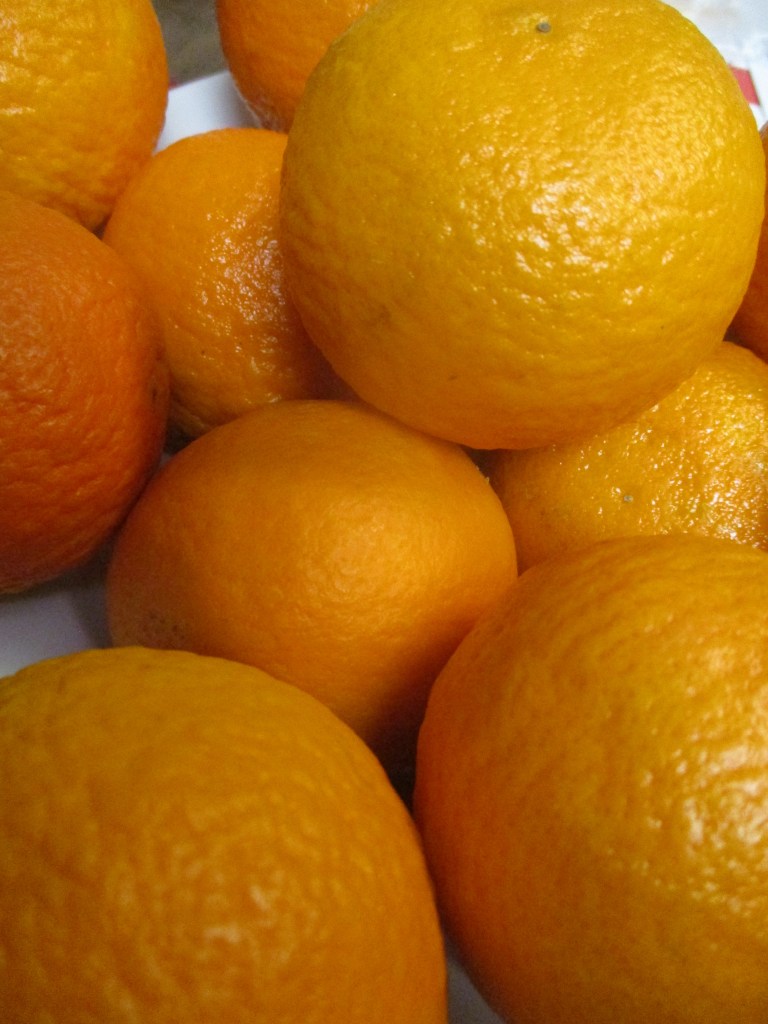
Not all oranges are this orange.

Most of us know what oranges are. The color is, of course, orange. They are very juicy and sweet. Cultivars that are most popular for eating fresh, particularly ‘navel’ oranges, are easy to peel and separate into segments. Those that are best for juicing, such as ‘Valencia’, are a bit smaller with thinner rind, so are a bit sloppier to peel and separate. Such ‘sweet’ oranges are Citrus sinensis.

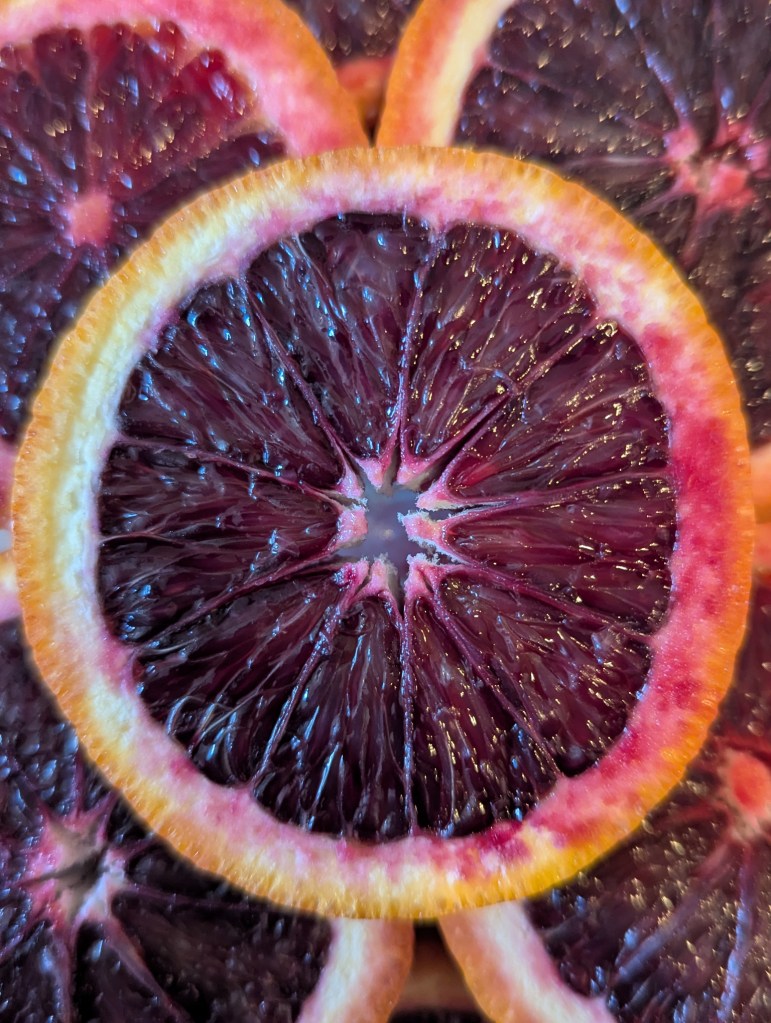
Richly tangy blood oranges are of the same species, but have blushed or deep red pulp and juice. ‘Sanguinelli’, although rare here, is nonetheless the most popular of the blood oranges, and is a traditional citrus component of sangria. The juicy fruit is compact, with tightly fitting thin skin, comparable to that of ‘Valencia’. Rarer ‘Moro’ produces plumper fruit that is easy to peel and eat fresh.

Sour and bitter oranges, which are very rare here, are mostly Citrus auranticum. Sour oranges, such as ‘Seville’, are used for marmalades and confections. Bitter oranges are used for flavorings and fragrances, such as ‘Bergamot’ for Earl Grey tea. Both bitter and sour oranges were less rare a century ago, when some were appreciated for alluringly fragrant bloom and handsome foliage.

Too Much Grapefruit

P80303KThere really is such a thing as too much grapefruit. I know; I have witnessed it more than once.

The most recent occasion was two years ago. We were pruning a few fruit trees for a client in San Jose. One of the trees was an old fashioned ‘Marsh’ grapefruit, which happens to be my all time favorite grapefruit.

As we were pruning, the client was dragging brush away to curbside recycling. Most of our clients prefer to do the ‘cleanup’ to save money. The client asked me if I would like some of the fruit. Of course, surplus fruit is one of the many benefits of our work; and of course, I told the client that I would be pleased to take some of the excellent grapefruit. I then went back to work on a nearby persimmon tree.

While busy with the persimmon tree, I was unaware of what the client was doing with the grapefruit. I knew that there was quite a bit of it. She and her sister bagged it and took it out front. From there, they loaded as much of it as they could into the little Blazer (Roy, the ‘Bravada’. It is a long story. I will explain later.). By the time I finished, the Blazer was FILLED with bagged grapefruit! I really should have gotten a picture.

There was no way I could eat or share all that grapefruit before most of it went bad. However, it would have been rude to leave the fruit there after they had so nicely loaded it into the car. Naturally, I ate a lot of grapefruit. It was excellent! The good news is that I really was able to share all that I could not eat or juice. None of it was wasted.