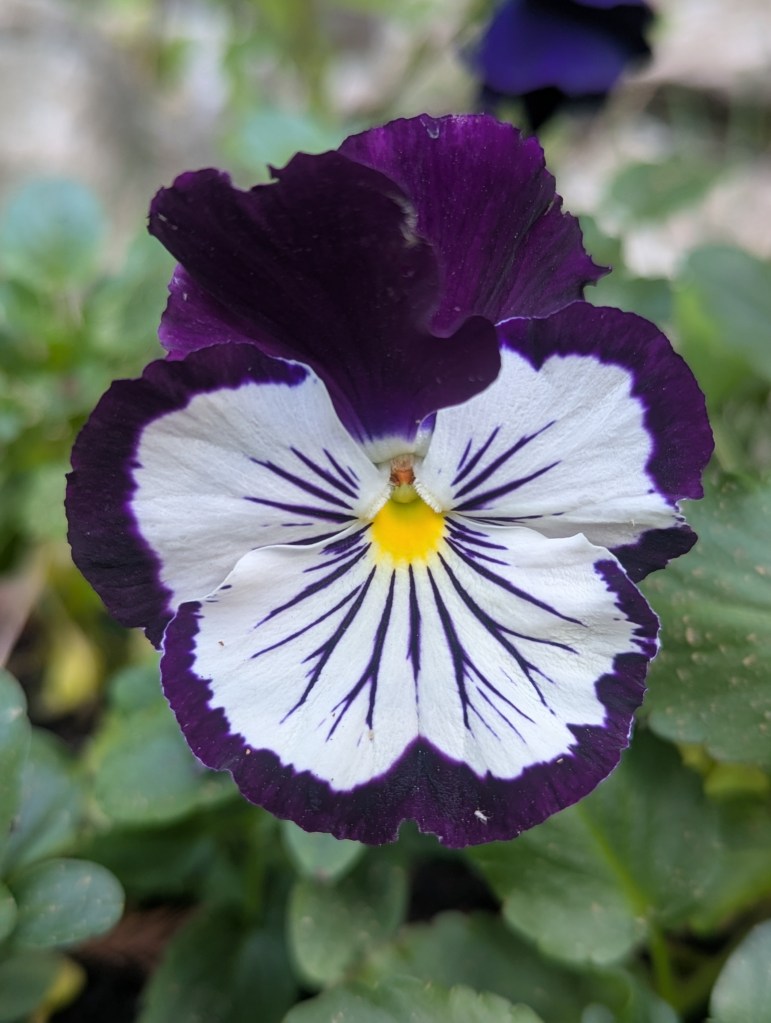
Cool season annuals will probably finish sooner than they typically do this season. They do not enjoy the unseasonably but pleasantly warm and dry weather. It accelerates their brief life cycles. Fortunately, warm season annuals, or summer annuals, will be happy to replace them. They are the bedding plants that provide seasonal color until next autumn.
It is still too early for some types of warm season annuals. Several prefer to wait for more sustained warm weather with warmer nights. Petunia and sunflowers can wait until April or even May. This is only the beginning of the season, when the process of replacement begins. Some cool season annuals will not require replacement until petunias are ready.
For those who grow warm season annuals from seed, the season began notably earlier. Some seed starts within a greenhouse, two or three months prior to planting in a garden. For example, seed for petunias that go into the garden in April should be started already. Some annuals, such as nasturtium, should grow from seed sown directly into the garden.
Otherwise, the most popular warm season annuals begin in cell packs. Lobelia, alyssum and wax begonia are already available. Petunia and impatiens will become available as the season progresses. Many warm season annuals are available but more expensive in four inch pots. For substantial areas of bedding, cell pack annuals cover more uniformly.
Many warm season annuals are actually perennials that deteriorate through winter. Wax begonia can actually survive through winter to regenerate about now. Some cool season annuals can similarly survive through summer. There is no need, for example, to remove English primrose from mixed plantings. They can bloom late, and regenerate for autumn.
The same marigold that were popular for autumn are popular again for the end of winter. Ageratum may also be available already. Zinnia and annual salvias should be available a bit later in the season. So should cosmos and celosia. Bedding dahlia and calibrachoa may become available later, but in four inch pots. Coleus is a foliar warm season annual. Gomphrena and annual vinca have become uncommon. Ranunculus and anemone can perform as annuals.









 Tony Tomeo