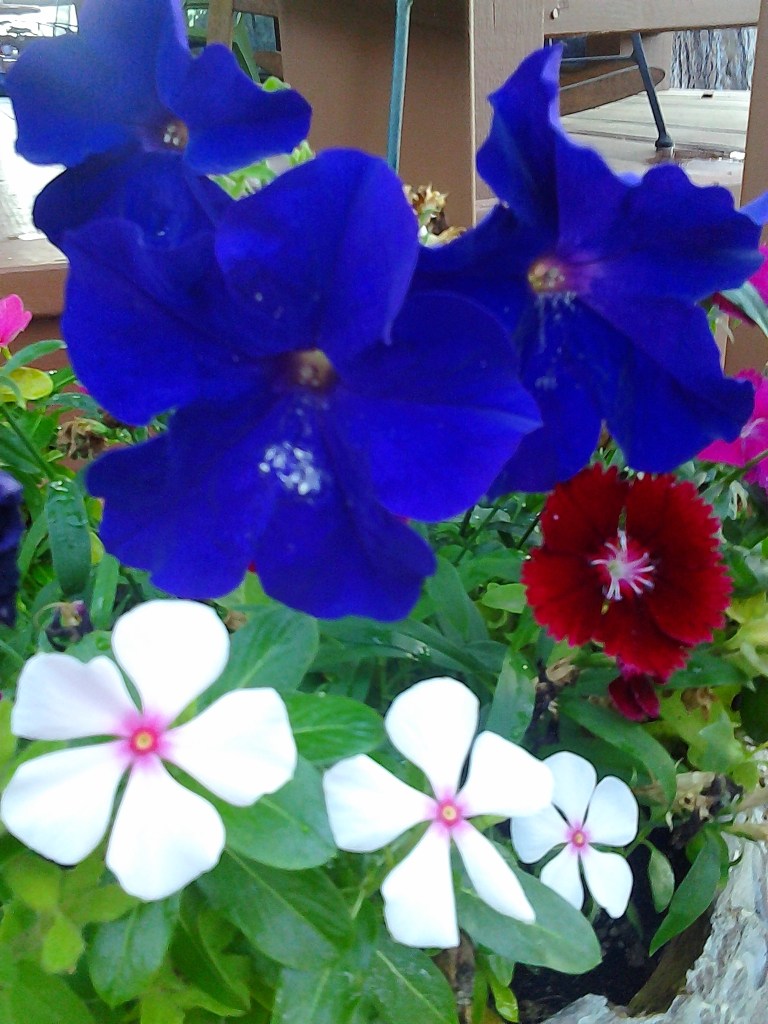
So many of the pretty warm season annuals planted last spring are now at their best. Sweet alyssum, lobelia, verbena, moss rose and busy Lizzy never stop blooming, and only get more colorful as they grow through the season until they get replaced by cool season annuals in autumn. (It is unfortunate that busy Lizzy, which had been a standard warm season annual for so many years has become less available due to disease.) However, French marigold, petunia, floss flower, cosmos, statice, pincushion flower (scabbiosa) and zinnia need a bit of attention to perform as well that long.
These few warm season annuals can get tired of blooming if not ‘deadheaded’ (groomed of deteriorating flowers). Deadheading not only keeps plants looking a bit neater, but also prevents the diversion of resources needed for continued bloom into the generation of seed. As far as these blooming plants are concerned, seeding for the next generation is their priority anyway. As long as they are not allowed to set seed, they will continue to try, by producing more flowers to replace those that fade and get removed without setting seed.
Cosmos, statice and pincushion flower can continue to perform adequately without deadheading. The main advantage of deadheading these annuals is the removal of fading flowers. (There probably will not be much left for cosmos.) Many people actually prefer to leave fading cosmos flowers to disperse their seed for the following year.
Petunia is perhaps one of the more demanding of warm season annuals. It often needs to be clipped back in the middle of the season, right when it is expected to bloom the most. The best way to avoid serious pruning at one time it to keep plants snipped back lightly but continually as they grow, so that they can not develop the awkwardly long and weirdly jointed stems that eventually stop blooming. Short stems that stay close to the roots are the healthiest and most productive.
The various types of cockscomb are odd warm season annuals that become available halfway through summer, just in time to add color if some of the annuals planted earlier in spring are not performing adequately, or are finishing early. Of course, all of the other warm season annuals will still be available in nurseries until it is time for cool season annuals next autumn.

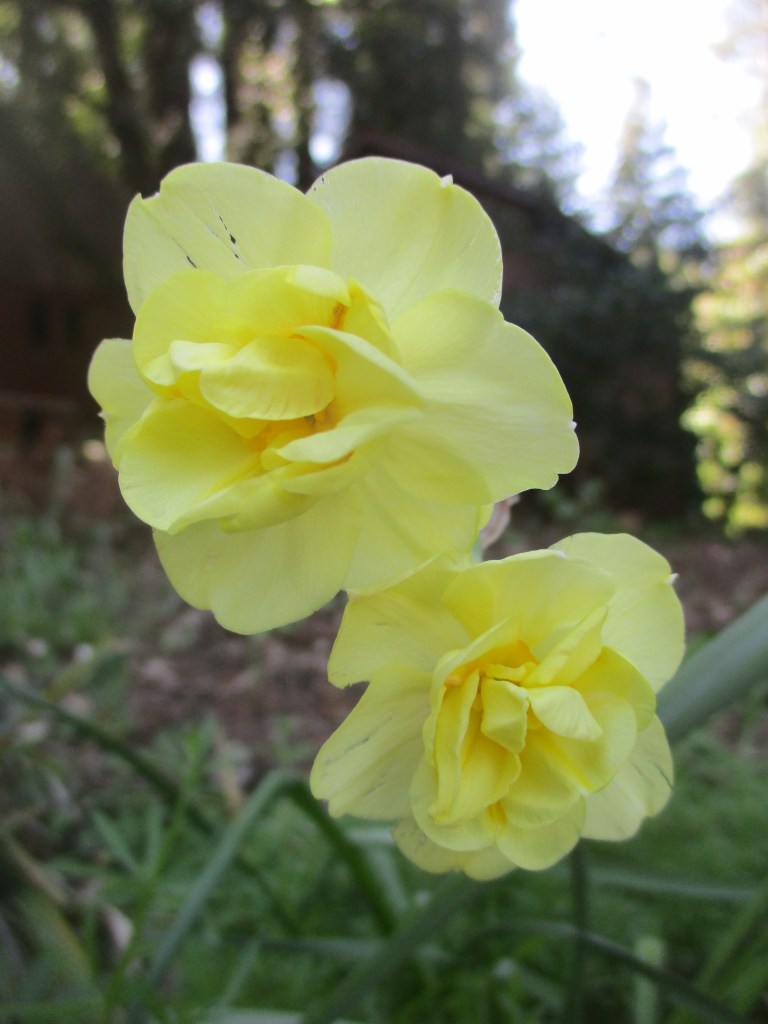


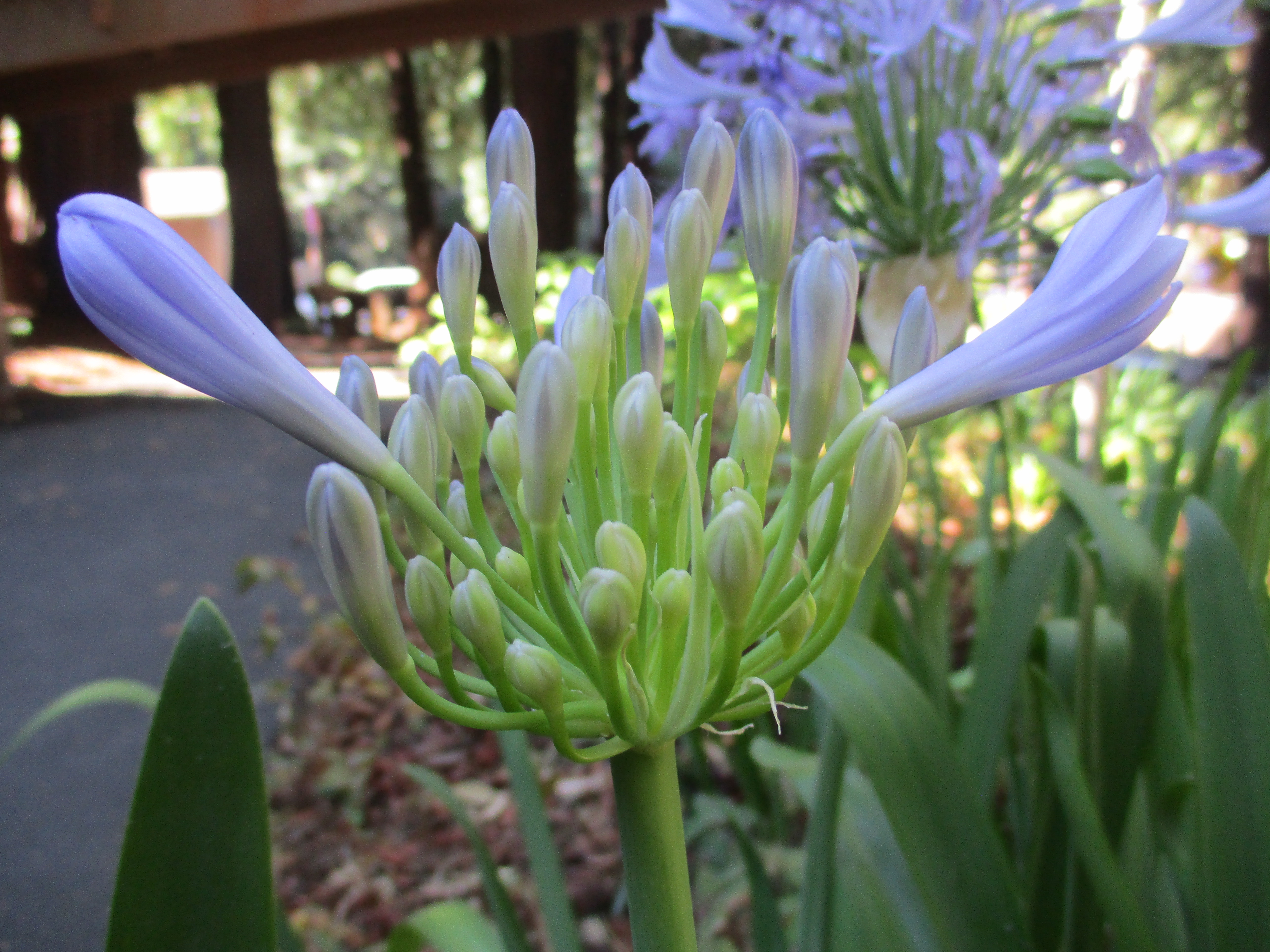


 Flowers do not last forever. Whether they last for only a day, or weeks, they all eventually finish what they were designed to do, and then whither and deteriorate. They only need to stay fresh and appealing to pollinators long enough to get pollinated. After all, that is their only job. The next priority is the development of seed and any associated fruit structures that contain the maturing seed.
 April showers bring May flowers. May flowers make a mess. Well, some of them do. Most simply disintegrate and fall from the trees, shrubs and vines that produced them, and decompose into the soil below. Some might have needed to be swept off of pavement and decks. Regardless, most of us do not notice the very minor consequences for the majority of spectacular spring bloom.
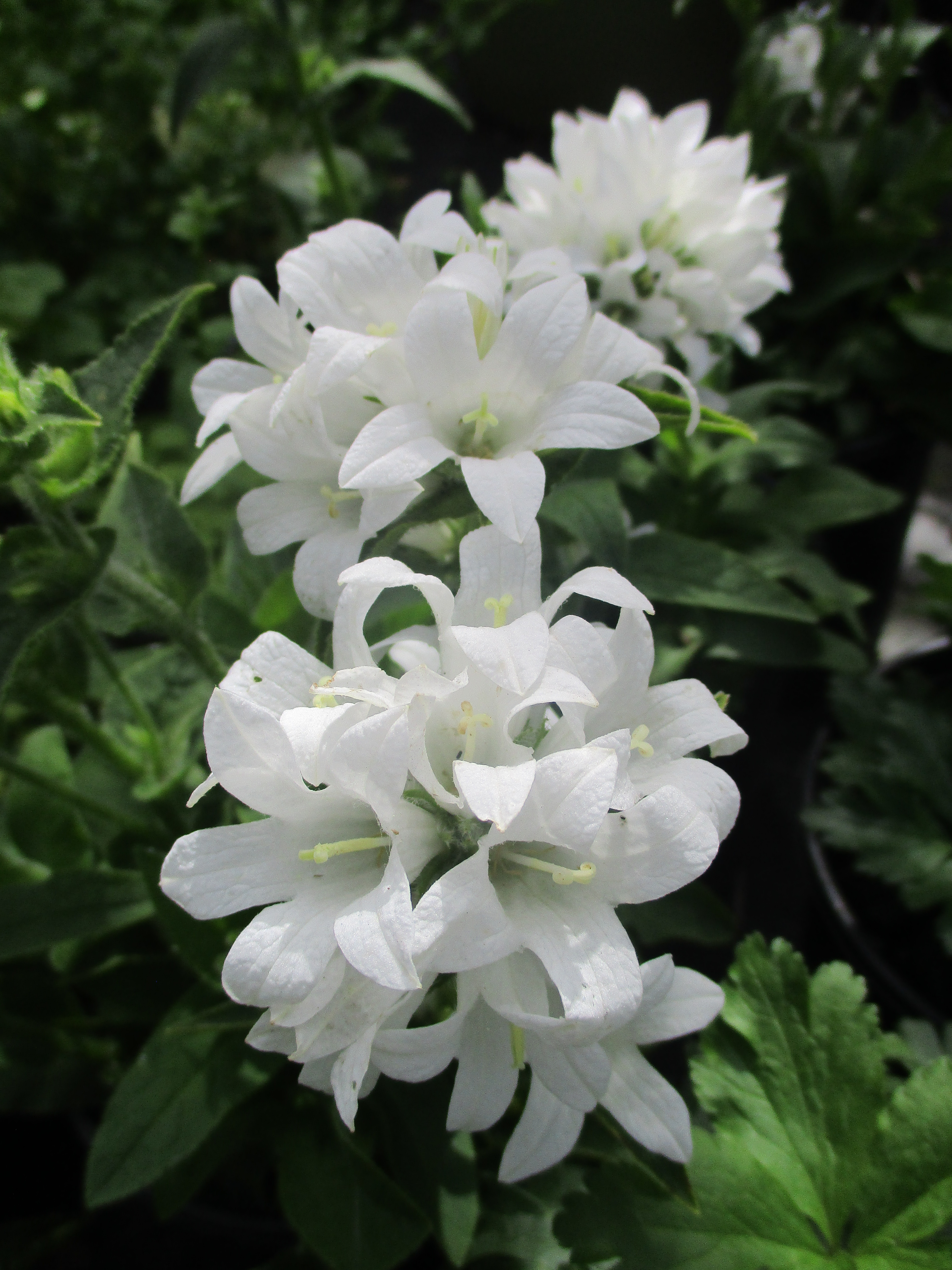 Do they seem to be early this year? Clustered bellflower, Campanula glomerata, typically waits until the end of spring to bloom. Once the initial and most prolific bloom phase finishes, sporadic bloom should continue almost through summer. Blue is their most popular and traditional color. White is their second most popular option. Bluish purple and purplish pink are still somewhat rare.
 This salvia would probably look badder without it. Yes, that’s badder and not better. I mean, if all these slightly unsightly seeded stems were cut back, then the even more unsightly deteriorating foliage below would be more prominent. When one looks at it that way, the bad seed suspended above does not seem all that bad.
 Tony Tomeo