
The problem with all the colorful foliage that adorns so many of the deciduous trees in autumn is that it does not stay in the trees too long. Combined with all the other less colorful deciduous foliage, as well as whatever evergreen foliage happens to fall this time of year, it will become quite a mess by winter. Rainy and windy winter weather will only make it messier by bringing down even more foliage!
Contrary to popular belief, many evergreen trees are just as messy as deciduous trees are. Instead of dropping all their foliage in autumn or winter, most evergreens drop smaller volumes of foliage throughout the year. The mess is less obvious since it sneaks up slowly, but can accumulate over a few months. Only a few evergreen trees drop much of their foliage in more obvious seasonal phases.
Debris from evergreen trees is actually more likely to be a problem for plants below. Pines, cypresses, firs, spruces, cedars, eucalypti and many other evergreen trees produce natural herbicides that inhibit the emergence of seedlings of plants that would compete with them in the wild. In landscape situations, this unfortunately interferes with lawns, ground covers and annuals. Besides walnuts and deciduous oaks, not many deciduous trees use this tactic.
Regardless, any foliar debris can be a problem if allowed to accumulate too long. Large leaves, like those of sycamore, can accumulate and shade lawn, ground cover and some dense shrubbery, and can eventually cause mildew and rot. Finely textured foliage, like that of jacaranda or silk tree, can sift through most ground covers to the soil below, but can still make a mess on lawn.
Before rainy weather, debris should be cleaned from gutters and downspouts. Because some foliage continues to fall through winter, gutters will likely need to be cleaned again later. Flat roofs and awkward spots that collect debris, such as behind chimneys, should also be cleaned.
Gutters at the street are more visible and accessible, so do not often accumulate enough debris to be a problem, but may need to be cleaned if they become clogged with debris washed in by the earliest rains. Fallen leaves should be raked from pavement so that it does not get dangerously slippery, or stain concrete too much.


 Well, that is certainly a contradiction of terms. One might say it is an oxymoron. Decades ago, it really was how we classified what we now know more simply as ‘deciduous conifers’. There are not many of them. Ginkgo is a gymnosperm like conifers are, but is not really a conifer. Otherwise, there are only five other types of deciduous conifers, which defoliate through winter.
 California flora is remarkable. It all does what it must to live comfortably in every ecosystem, climate and geographical region here.
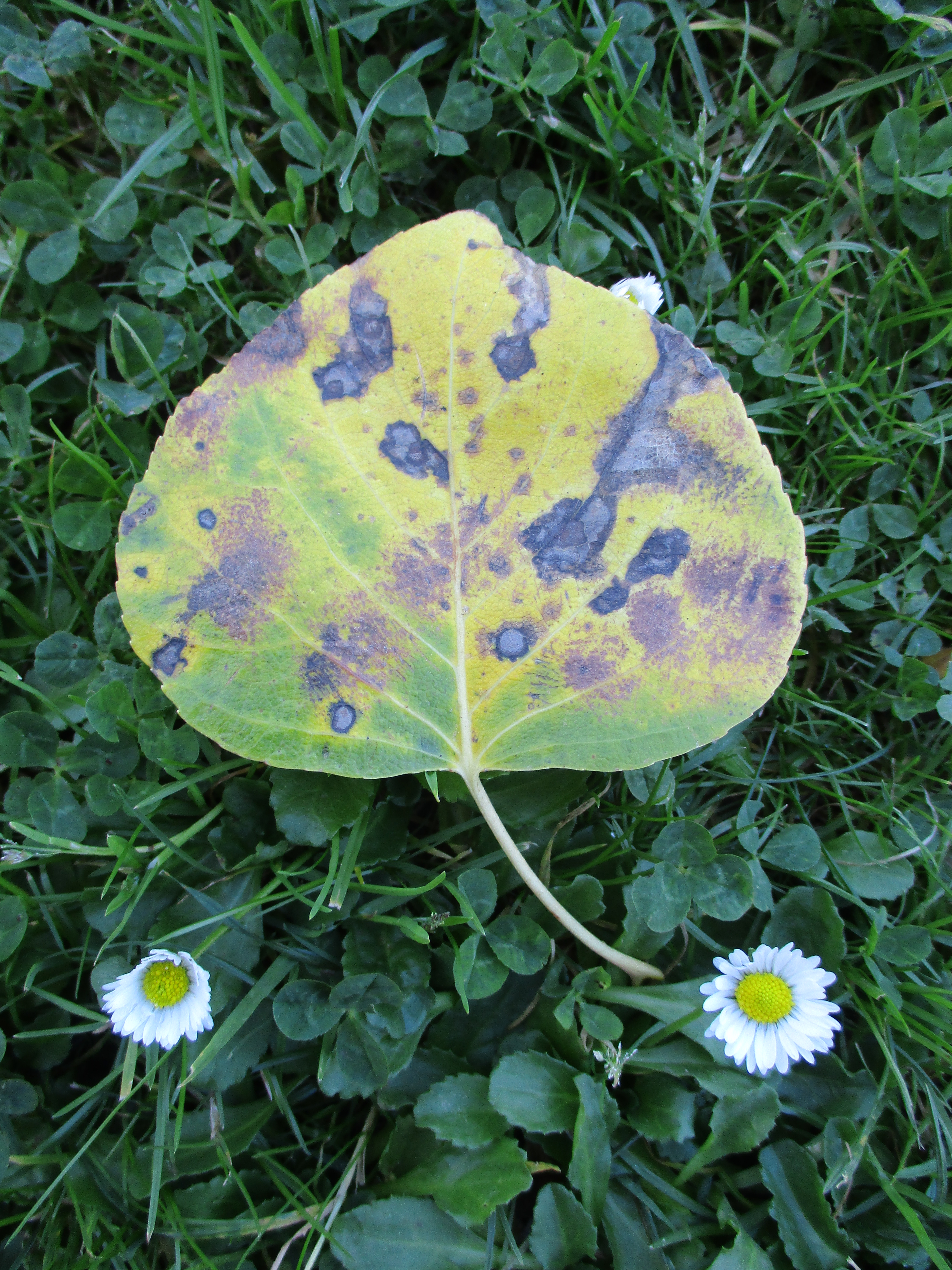 Autumn is slow in getting here. Yes, as of last Sunday, it is now autumn. The date is determined by the equinox, so is the same for everyone in the Northern Hemisphere, and is the same for the arrival of spring in the Southern Hemisphere. It just takes a bit longer for autumn weather to develop in the mild climate here. Nights are cooler. Shorter days are not as warm as they had been.
 Many of our trees live at our homes longer than we do. Some of our trees were there before we got there. Some of the trees we plant will be there for whomever comes along after we are gone. Trees very often evolve into something very different from what they were intended to be. Nonetheless, since they are the most significant features of our gardens, trees must be selected carefully.
 That is a term that we do not hear much. There are not many plants that it applies to. Cyclamen is one of the more familiar plants that is summer deciduous. It is from a climate with reasonably mild winters and unpleasantly dry and warm summers. Just like most deciduous plants are dormant through winter to avoid the unpleasantries of the weather, cyclamen defoliates as the weather gets warm in early summer to avoid the expected heat and aridity. It somehow knows how to stay dormant until the weather starts to get cooler in autumn, and is ready to regenerate new foliage and bloom as the rain starts. The active growing season is through autumn, winter and into spring. It is all a matter of taking advantage of the weather while it can, and avoiding the discomforts of severe weather when necessary.


 Tony Tomeo