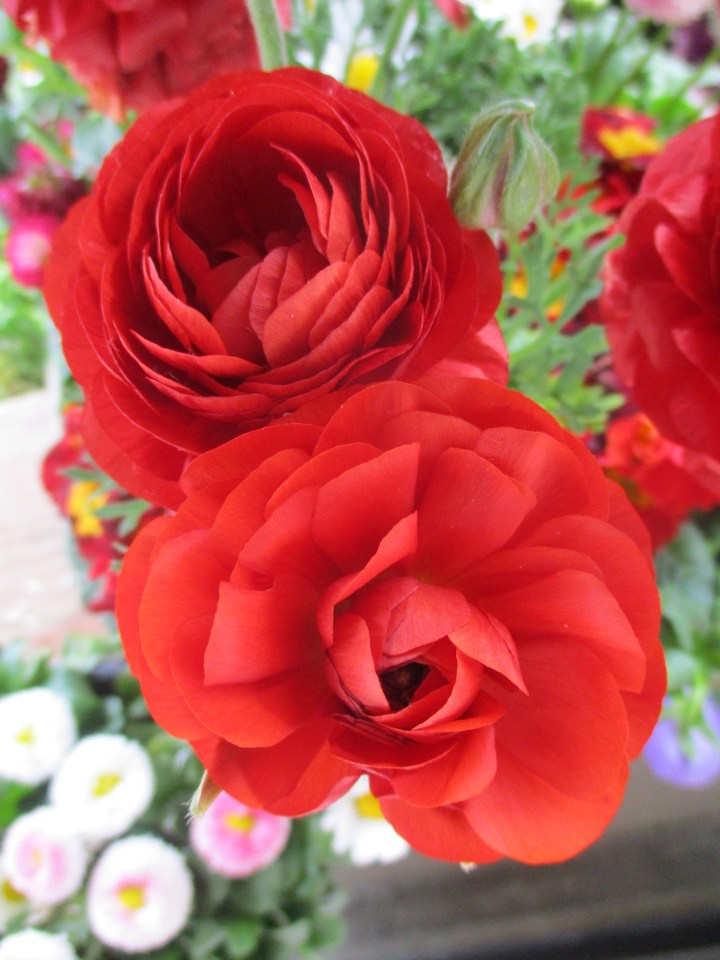
 Narcissus, daffodil, freesia, snowdrop, snowflake, grape hyacinth, various iris and most other early spring blooming bulbs and bulb like plants should be perennials. We plant them with the hope that the will survive after bloom to bloom for another season, and perhaps for many seasons. Some should multiply to provide more bloom over the years. Bloom is just part of their annual cycle.
Lily, crocus, hyacinth, tulip, anemone and ranunculus are not nearly as likely to bloom more than one year for a variety of reasons. Some prefer more chill in winter. Some dislike the long and dry summers. Some survive as perennials, but do not bloom again. However, in some special situations, they also can bloom annually. After spring bulbs, there will be a different set of summer bulbs.
So, what happens after bloom? After exhausting much of their stored resources on production of bloom and foliage, bulbs try to recover and regenerate resources for the following season. Most work to replace their exhausted bulbs with comparable new bulbs. They need foliage to do this, but eventually shed their foliage as their new bulbs go dormant for the following autumn and winter.
Of course, they all do this at different rates. Some smaller bulbs are surprisingly efficient, and shed their foliage as soon as the weather gets warm later in spring. It is amazing that they can store up so much in such a minimal time. Other bulbs shed slowly, as their deteriorating foliage lingers for a few weeks into summer. Foliage of summer bulbs that bloom later is likely to linger until frost.
Because it is essential to the regenerative process, deteriorating foliage can not be cut back prematurely. It is not always easy to hide either. In mixed plantings, it might be obscured by ground cover or other plants. Alternatively, warm season annuals can be planted over the area. Some of us braid daffodil leaves, but others believe that braids draw attention to the deteriorating foliage.
Those of us who still dig and store and perhaps chill marginal bulbs, must wait for complete dormancy.
 There is no sugaring season here. Spring comes on too suddenly. By the time sap starts to flow, buds are already swelling.
 Compared to canned (potted) nursery stock, bare root plants have a few advantages. They are less expensive, easier to handle, more conducive to pruning into a desired form, and they disperse roots and get established more efficiently. One more advantage that is not often considered is that they are easier to install into the garden. For some, it is as simple as poking a stick in the mud.
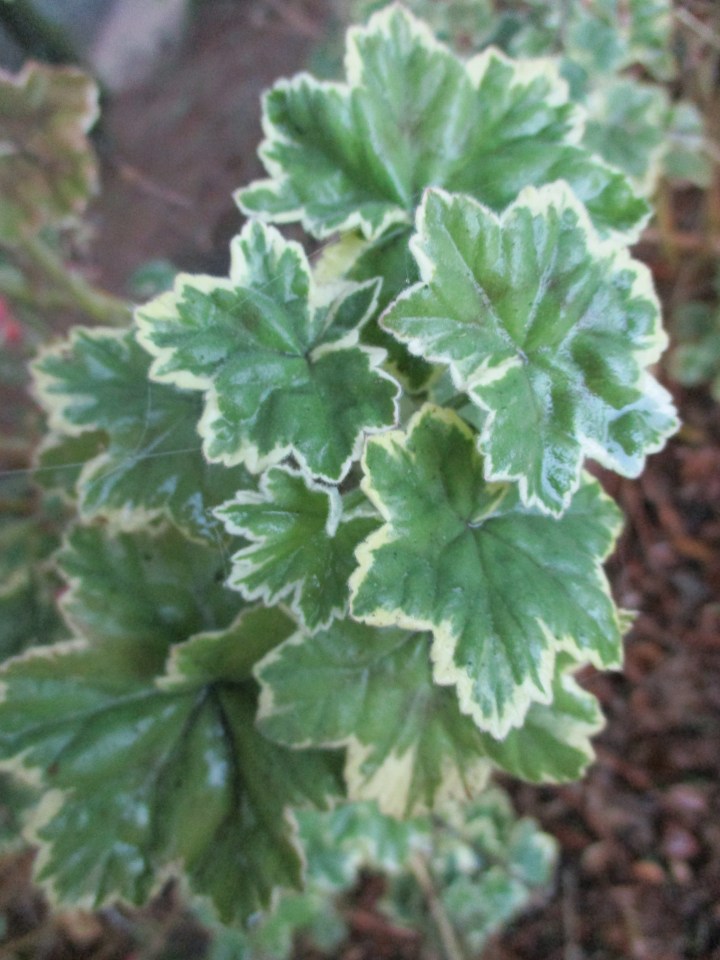 Dilemmas are common in gardening. Should summer vegetables that are still producing be removed so that winter vegetables can get started on time? What about replacing summer annuals that are still blooming with winter annuals, and then replacing winter annuals with summer annuals half a year later? Should tender perennials be regarded as annuals, or get a second chance?
 No more fertilizer! . . . almost. The main exception is turf that might need a bit of fertilizer if it must stay green through the coldest part of winter, but that is another topic for later. Otherwise, most plants start to go dormant through autumn, and should be as dormant as they get by the middle of winter. Fertilizer later than now could be as logical as espresso just before trying to get to sleep.
 That is a term that we do not hear much. There are not many plants that it applies to. Cyclamen is one of the more familiar plants that is summer deciduous. It is from a climate with reasonably mild winters and unpleasantly dry and warm summers. Just like most deciduous plants are dormant through winter to avoid the unpleasantries of the weather, cyclamen defoliates as the weather gets warm in early summer to avoid the expected heat and aridity. It somehow knows how to stay dormant until the weather starts to get cooler in autumn, and is ready to regenerate new foliage and bloom as the rain starts. The active growing season is through autumn, winter and into spring. It is all a matter of taking advantage of the weather while it can, and avoiding the discomforts of severe weather when necessary.


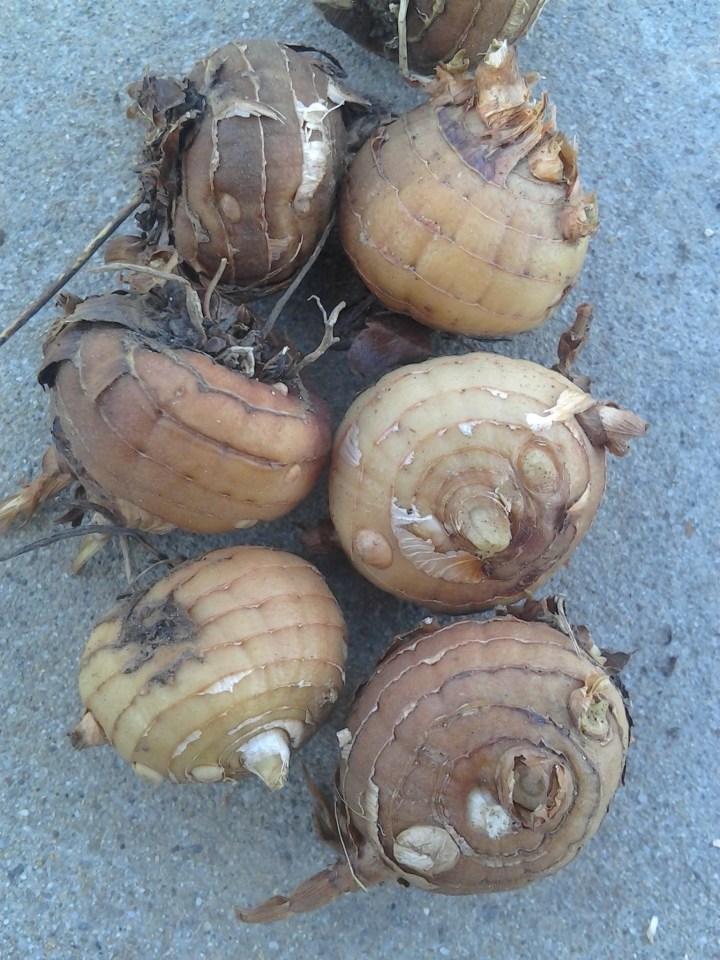 It might seem creepy to think about what spring bulbs are doing right now out in the garden. Like victims of a horror movie, they were buried in shallow graves last autumn. They were not dead though. They were undead but merely dormant. While no one can see what they are up to, they disperse roots and begin to push new foliage up to the surface of the soil. Some might bloom soon.
 Now that winter is only two weeks away, and many deciduous plants are defoliating and dormant, it may seem as if there will be less work to do in the garden. After all, not much is growing. The funny thing is that this is the best time to sneak up on some of them, and prune them while they are sleeping. Depending on what is in the garden, winter can be just as busy as any other season.
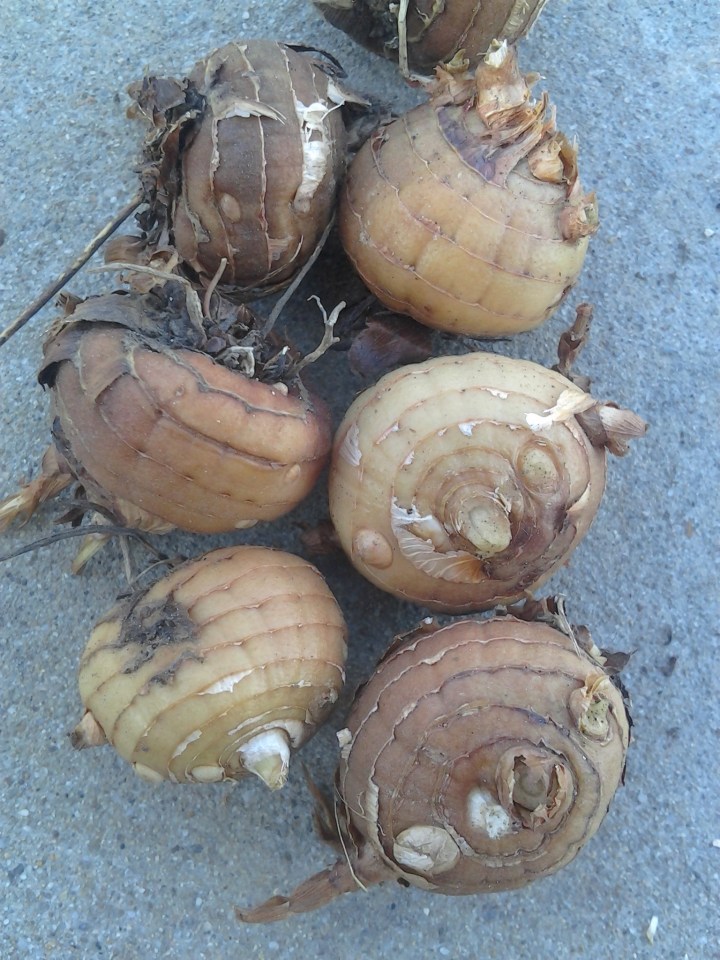 Of all the gardening chores, planting dormant bulbs is probably the least gratifying. All we do is dig a hole to the required depth and width, set a few unimpressively dormant bulbs with the correct orientation and spacing, and then fill the hole with the same soil that was removed from it. The process gets repeated until all the bulbs are planted. Soil amendment and fertilizer might be added.
 Tony Tomeo