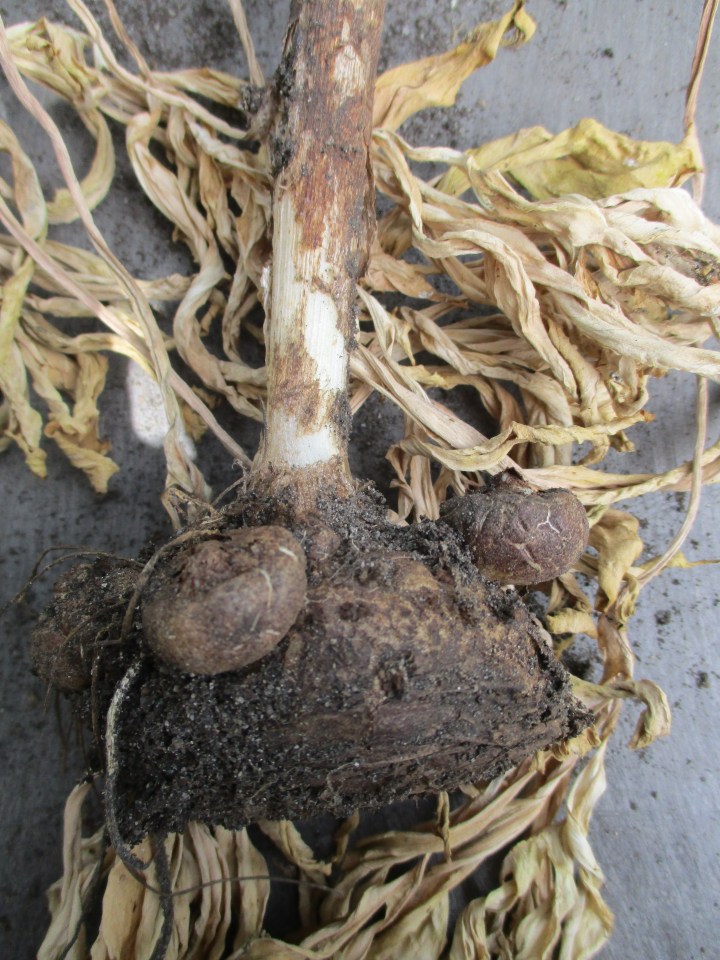
 California buckeye, Aesculus californica, is an enigma. How does it survive while defoliated for so much of the year? Not all are so mysterious. Those that live in sheltered or forested situations behave like normal deciduous trees, by defoliating in autumn, and refoliating in spring, after a brief winter dormancy. Those that are more exposed in warm and windy situations make us wonder.
After their brief winter dormancy, exposed California buckeye trees refoliate early in spring, as they should. Then, only a few month later, they defoliate through the warmest and most arid part of summer, which might be a few months long! As the weather cools and the rain starts, they refoliate briefly for autumn, only to defoliate in time for their winter dormancy. They are ‘twice deciduous’.
How do they photosynthesize enough to survive? It seems like they would consume more resources in this process that they could generate. They obviously know what they are doing, since they survive quite nicely in the wild. Furthermore, they are not the only species that can do this. Sycamores sometimes do it if the weather is just so, or if they get infested with anthracnose too severely.
Most deciduous plants defoliate only in winter because that is the worst time to try to photosynthesize. There is less sunlight available while the days are shorter, and the weather is cloudier. Frost, wind and snow would cause much more damage if deciduous plants retained their foliage. Defoliation is how they accommodate the weather. It is no different for plants that defoliate in summer.
Much of California is within chaparral or even desert climates. Native plants, as well as plants that are from similar climates, know how to live here. If they happen to be in a hot and dry situation, some may go dormant until the weather improves, even if they do not go dormant through the mild winters. This is why wild arums and some unwatered acanthus have died back to the ground, and why naked lady amaryllis will remain naked until the first rains in autumn.
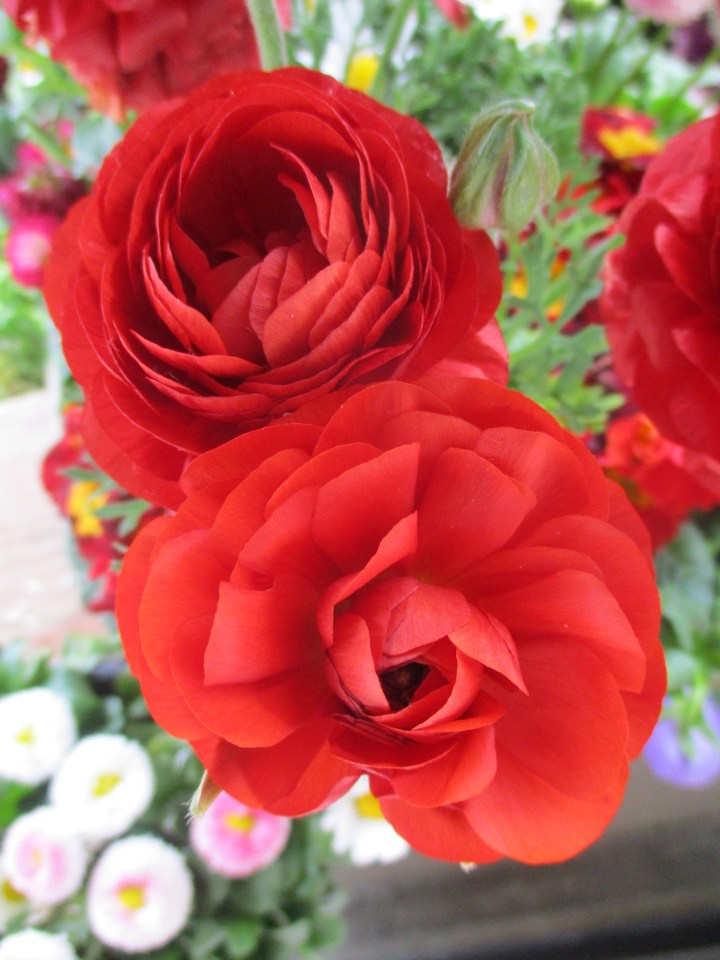 Narcissus, daffodil, freesia, snowdrop, snowflake, grape hyacinth, various iris and most other early spring blooming bulbs and bulb like plants should be perennials. We plant them with the hope that the will survive after bloom to bloom for another season, and perhaps for many seasons. Some should multiply to provide more bloom over the years. Bloom is just part of their annual cycle.
 There is no sugaring season here. Spring comes on too suddenly. By the time sap starts to flow, buds are already swelling.
 Compared to canned (potted) nursery stock, bare root plants have a few advantages. They are less expensive, easier to handle, more conducive to pruning into a desired form, and they disperse roots and get established more efficiently. One more advantage that is not often considered is that they are easier to install into the garden. For some, it is as simple as poking a stick in the mud.
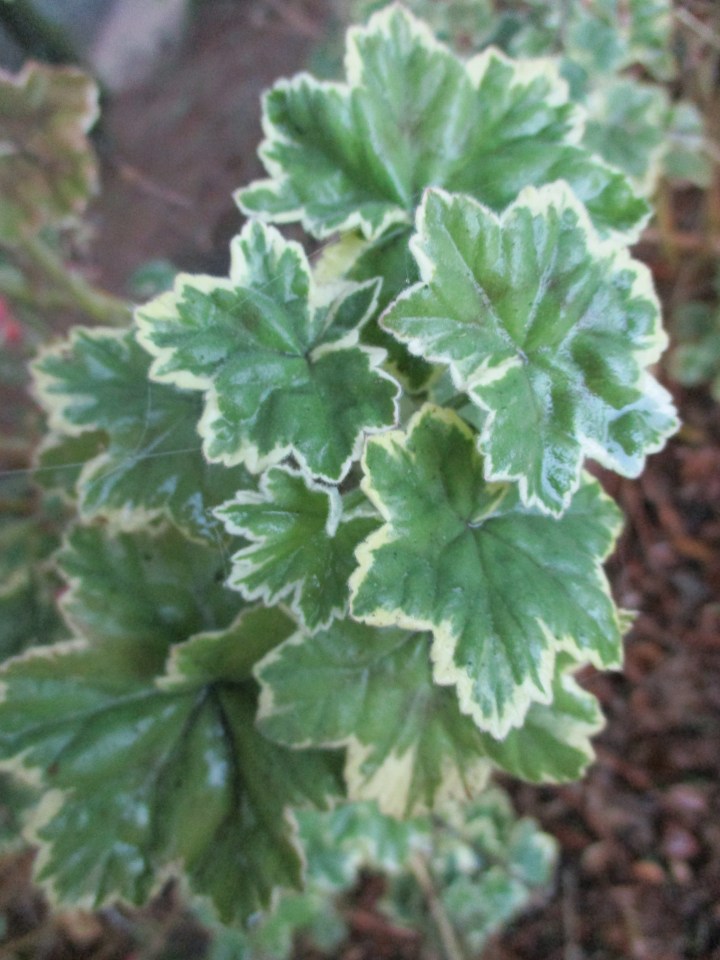 Dilemmas are common in gardening. Should summer vegetables that are still producing be removed so that winter vegetables can get started on time? What about replacing summer annuals that are still blooming with winter annuals, and then replacing winter annuals with summer annuals half a year later? Should tender perennials be regarded as annuals, or get a second chance?
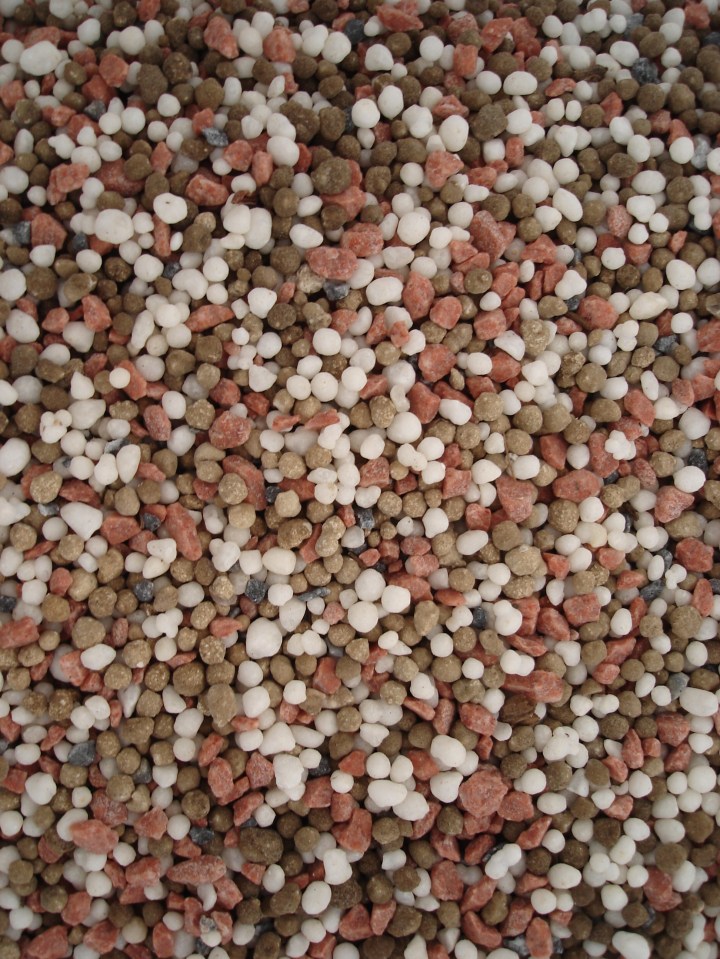 No more fertilizer! . . . almost. The main exception is turf that might need a bit of fertilizer if it must stay green through the coldest part of winter, but that is another topic for later. Otherwise, most plants start to go dormant through autumn, and should be as dormant as they get by the middle of winter. Fertilizer later than now could be as logical as espresso just before trying to get to sleep.
 That is a term that we do not hear much. There are not many plants that it applies to. Cyclamen is one of the more familiar plants that is summer deciduous. It is from a climate with reasonably mild winters and unpleasantly dry and warm summers. Just like most deciduous plants are dormant through winter to avoid the unpleasantries of the weather, cyclamen defoliates as the weather gets warm in early summer to avoid the expected heat and aridity. It somehow knows how to stay dormant until the weather starts to get cooler in autumn, and is ready to regenerate new foliage and bloom as the rain starts. The active growing season is through autumn, winter and into spring. It is all a matter of taking advantage of the weather while it can, and avoiding the discomforts of severe weather when necessary.


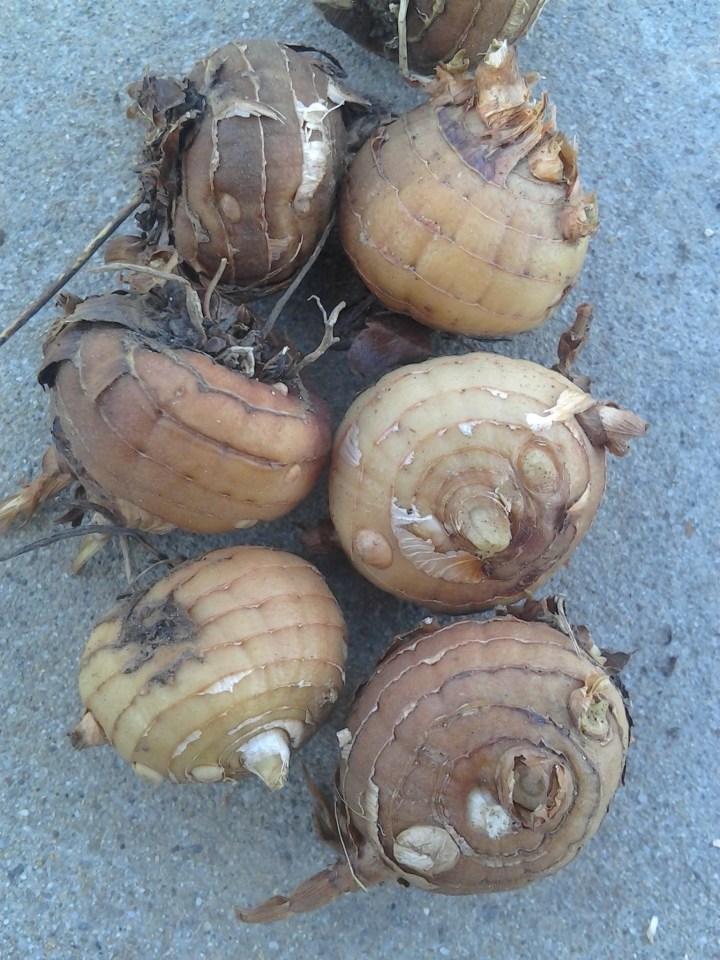 It might seem creepy to think about what spring bulbs are doing right now out in the garden. Like victims of a horror movie, they were buried in shallow graves last autumn. They were not dead though. They were undead but merely dormant. While no one can see what they are up to, they disperse roots and begin to push new foliage up to the surface of the soil. Some might bloom soon.
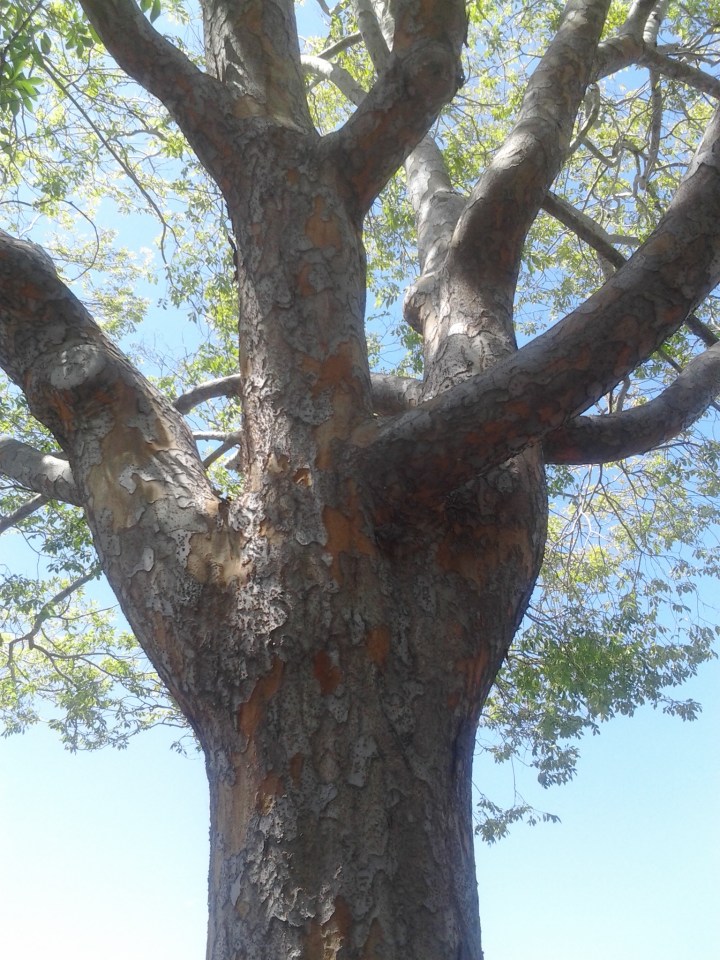 Now that winter is only two weeks away, and many deciduous plants are defoliating and dormant, it may seem as if there will be less work to do in the garden. After all, not much is growing. The funny thing is that this is the best time to sneak up on some of them, and prune them while they are sleeping. Depending on what is in the garden, winter can be just as busy as any other season.
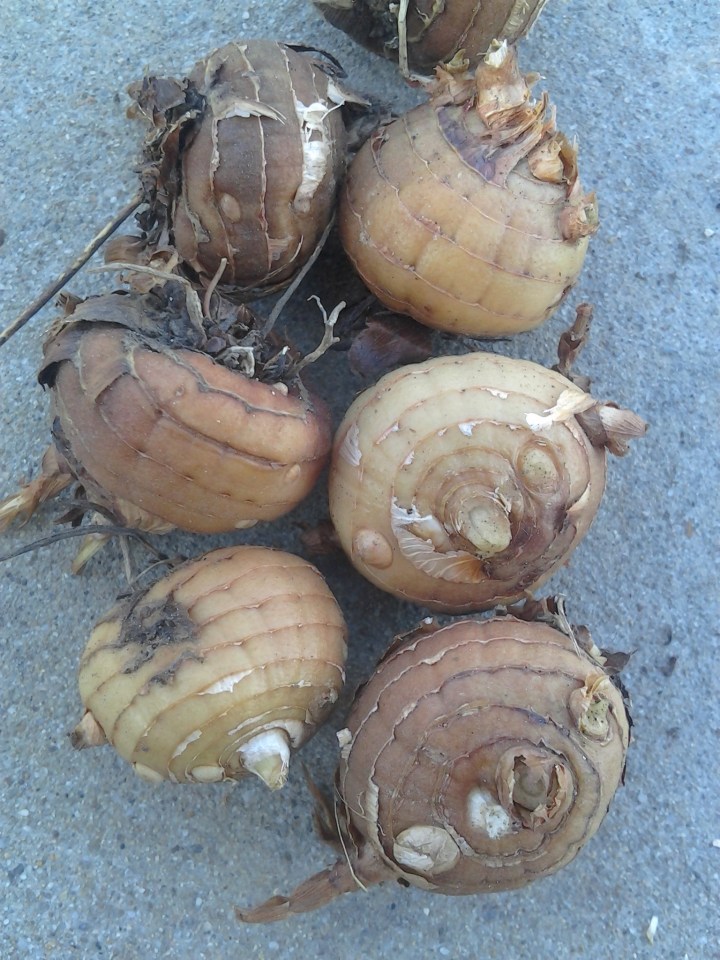 Of all the gardening chores, planting dormant bulbs is probably the least gratifying. All we do is dig a hole to the required depth and width, set a few unimpressively dormant bulbs with the correct orientation and spacing, and then fill the hole with the same soil that was removed from it. The process gets repeated until all the bulbs are planted. Soil amendment and fertilizer might be added.
