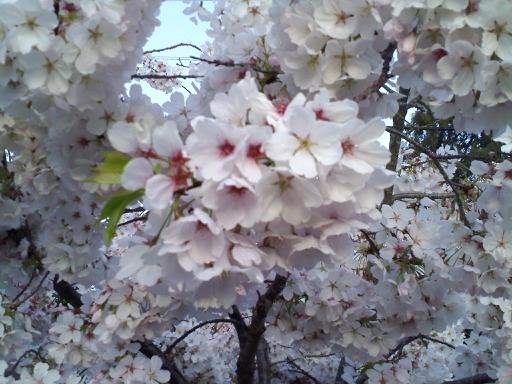
Cherry blossoms are such an excellent tradition in Washington D.C., as well as in Japanese neighborhoods of the West Coast. ‘Kwanzan’ and ‘Akebono’ flowering cherries in Japantown of San Jose are glorious when they bloom early in spring. They are less common but just as spectacular in Los Angeles. More varieties grow in the cooler climates of Sacramento, Portland and Seattle.
Yet, after all the work the trees put into bloom, they produce no fruit. These prettiest of the cherry blossoms are sterile. They are known as ‘flowering’ cherries, which is a polite way of saying that they are ‘fruitless’. Cherry trees that produce fruit are very similar and bloom about as profusely, but do so with somewhat more subdued utilitarian flowers. After all, they have to work for a living.
Many of the deciduous fruit trees have ‘flowering’ counterparts that are grown for their showy flowers. Purple leaf plums, which are really flowering plums that happen to have purplish or bronze foliage, are the most popular because the foliage is so colorful after bloom. Flowering nectarines and flowering peaches are rare, but not as rare as flowering apricots and flowering almonds are.
Flowering crabapples are the counterparts to the entire fruiting apple group. They are not really sterile, so produce tiny fruits that mostly get eaten by birds. Flowering pears, which are commonly known as ‘ornamental’ pears, are grown more for their impressive autumn foliar color than for their potentially modest bloom. They also produce tiny fruits. The evergreen pear lacks autumn color. Flowering quince is an odd one. It is not even the same genus as fruiting quince.
Fruit trees bloom too. They may not be as colorful, but their simpler and paler blossoms are about as profuse as those of their flowering counterparts. Their stems are usually straighter and more vigorous because they are pruned for fruit production instead of allowed to develop naturally. A few stems can be left unpruned to be cut and brought in as cut flowers when they eventually bloom.
Whether flowering or fruiting, almonds and plums should bloom before pears and apples. There is no guarantee though. Weather can delay early bloomers, or accelerate late bloomers. Earlier frost promoted healthy bloom, but the subsequent abundance of rain is unfortunately ruining flowers that are blooming now. For fruiting trees, this means that much or all of the fruit will be ruined.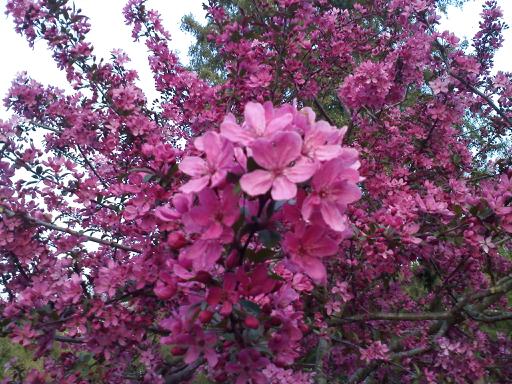
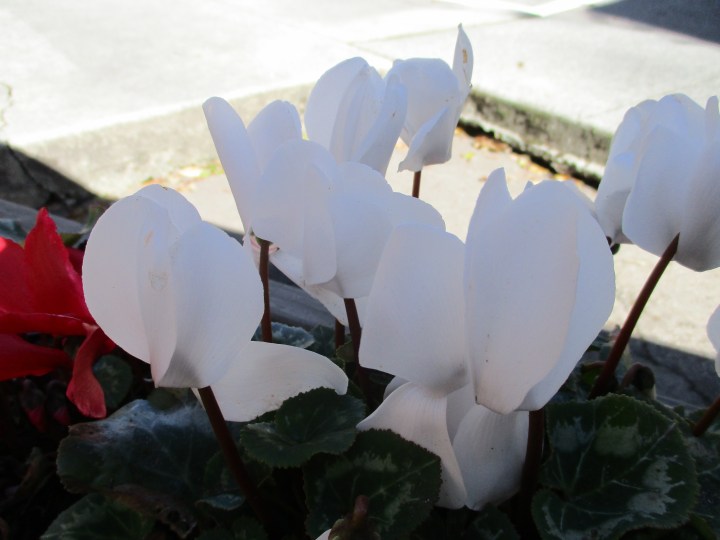
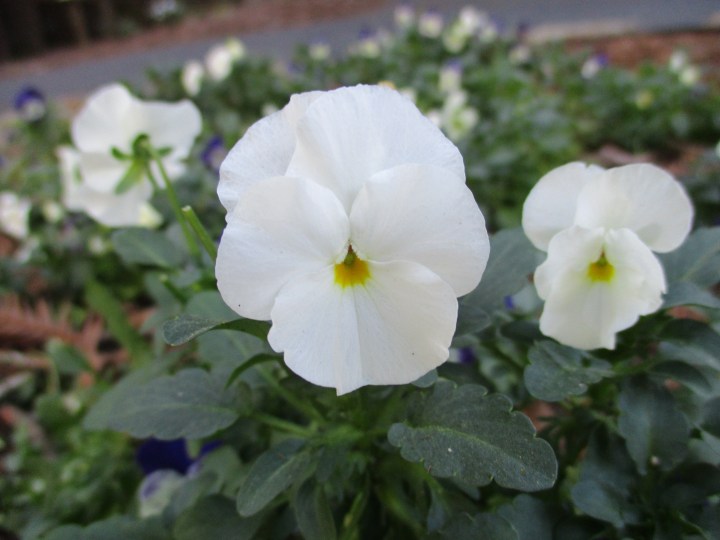
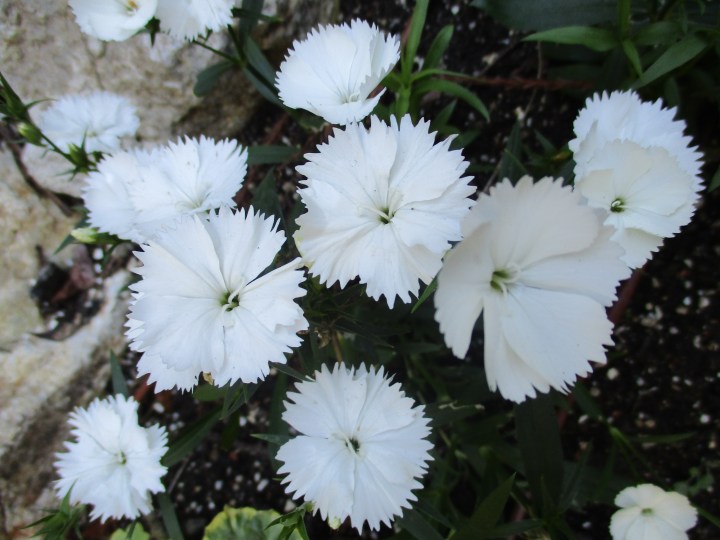


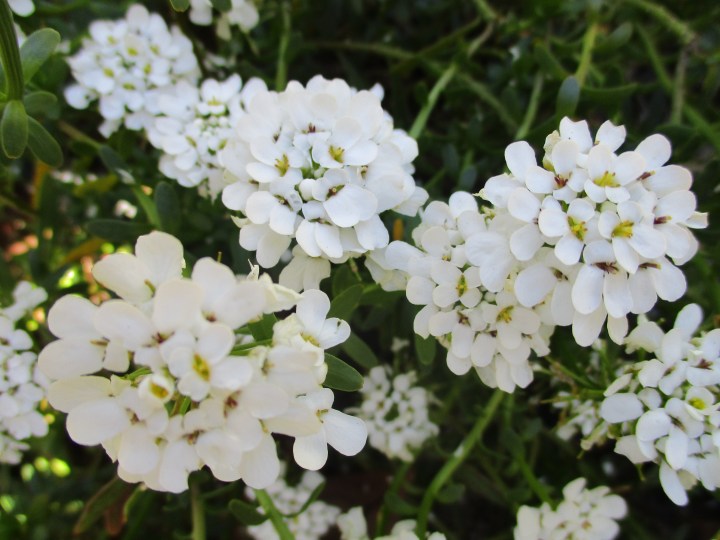
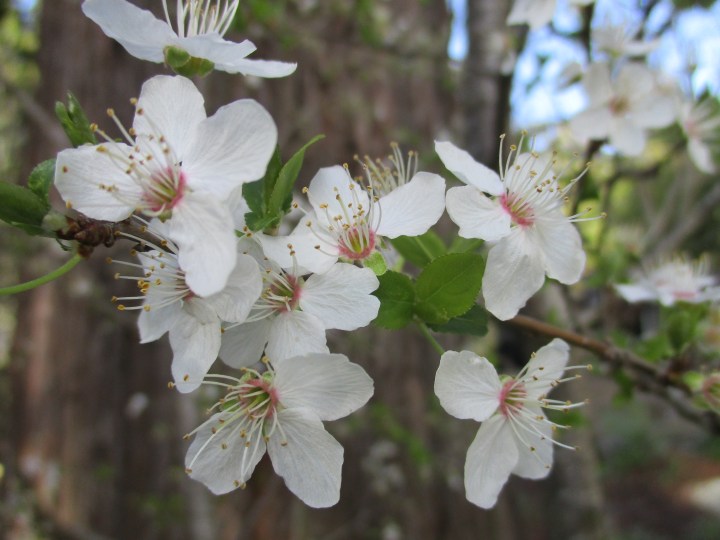

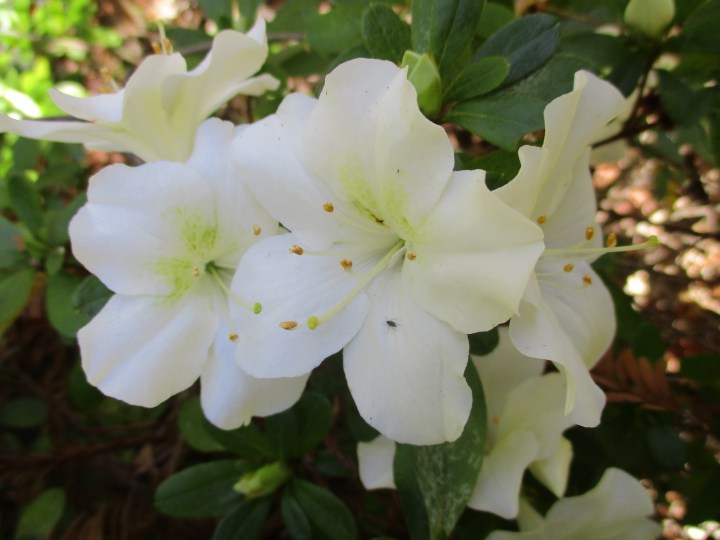


 I just can not resist; although I do not intend to make a habit of this.
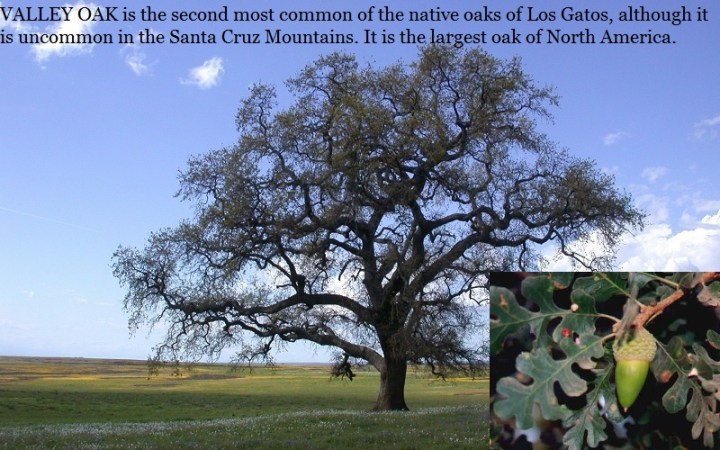
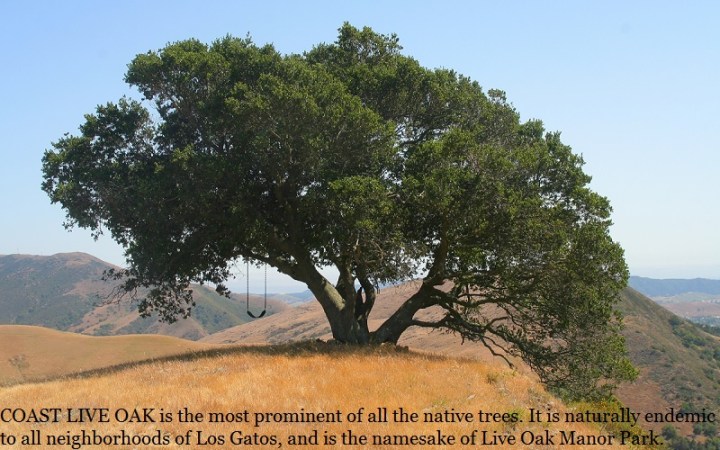
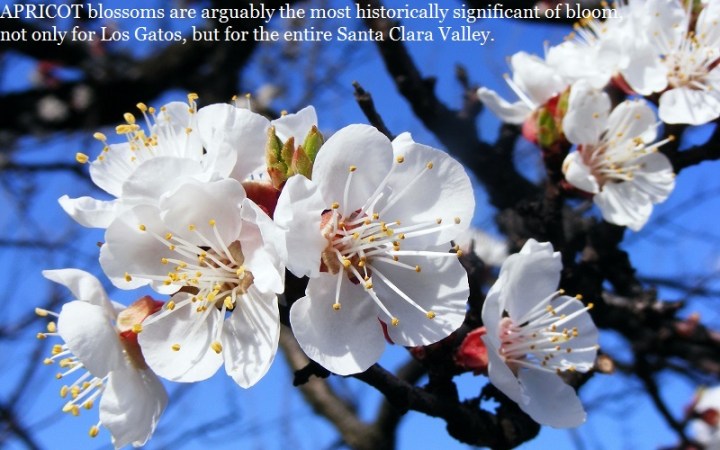

 It may not always bloom profusely, but sweet pea shrub, Polygala fruticosa, blooms sporadically through most of the year. Even when not much color is evident from a distance, a few flowers can likely be found on closer inspection. For some reason, bloom seems to be quite colorful now. Bloom phases should be more profuse in spring and summer. The pea flowers are soft purplish pink.
 Okay, so this is not really the time of year that they should be blooming. Torch lily, Kniphofia uvaria, should bloom in the middle of summer. However, without watering, naturalized plants bloom when the weather prompts them to. Some wait out the warm and dry summer weather to bloom as soon as they get dampened by the first rains. Others bloom in spring, before things get too dry.
 There are some things about plants that we might be better off not knowing about. For instance, their idea of sex is even weirder than that of humans! Generally, flowers of ‘monoecious’ plants have male parts and female parts that do what they must to produce seed, which is often contained in some sort of fruit structure. Some plants can pollinate themselves. Ick! Others require separate but compatible pollinators.
 Is it coincidence that the Latin name of black-eyed Susan is Rudbeckia, or was Becky rude enough to give Susan her black eye? The dark center is something that all varieties have in common, and what distinguishes them from most of the related blanket flower varieties. The daisy flowers of black-eyed Susan are traditionally yellow. Modern varieties can be orange, reddish or bronzed.
 Much of the color in the garden through autumn and winter is provided by foliage. Some foliage turns color as the weather gets cooler. Some had been blue, gray, gold, red, bronze or variegated all year, and just happens to get noticed more now that there is not much other color provided by flowers. There are a few flowers that bloom now or even later in winter, but not nearly as many as there were in spring and summer.
 Known more as a medicinal herb, and by its Latin name, coneflower or Echinacea, is a delightful prairie wildflower that works just as well in refined home gardens. It blooms in summer and again in autumn, although autumn bloom can be inhibited if plants are not groomed of deteriorating stems from the previous bloom. Like related gaillardia and rudbeckia, coneflower is a nice cut flower.
 Tony Tomeo