Berries such as firethorn might be the most colorful features of some home gardens now. Flowers can be scarce for late autumn and winter. Yet, people still enjoy decorating their homes with vegetation from their gardens. Cut evergreen foliage actually becomes more popular than cut flowers had been. It is a basic component of traditional Christmas decor.
Christmas trees are the most extreme form of cut evergreen foliage. With few exceptions, though, they do not grow within home gardens. Instead, they grow on farms and become available for sale before Christmas. Availability from such sources is remarkably diverse. Not many home gardens have adequate space for cut Christmas tree cultivation anyway.
Wreaths and garlands are the second most extreme forms of cut evergreen foliage. Many are available for sale like cut Christmas trees are. However, many people create wreaths and garlands from what inhabits their gardens. After all, wreaths and garlands are merely stylized floral design which lack containers. Most, but not all, lack anything floral as well.
Because wreaths and garlands lack containers, their components must not wilt too soon. The best evergreen foliage is coniferous. However, some broadleaf foliage works nicely. Even defoliated deciduous twigs can be intriguing. Pine cones can substitute for flowers. There are not many rules to floral design, or for the composition of wreaths and garlands.
Collection of evergreen foliage for wreaths and garlands should not disrupt a landscape. Ideally, such foliage should be in need of removal anyway. For example, stems that need pruning can provide significant material. Pruning cuts from source material must be done properly, without stubs or disfigurement. The many rules of responsible gardening apply.
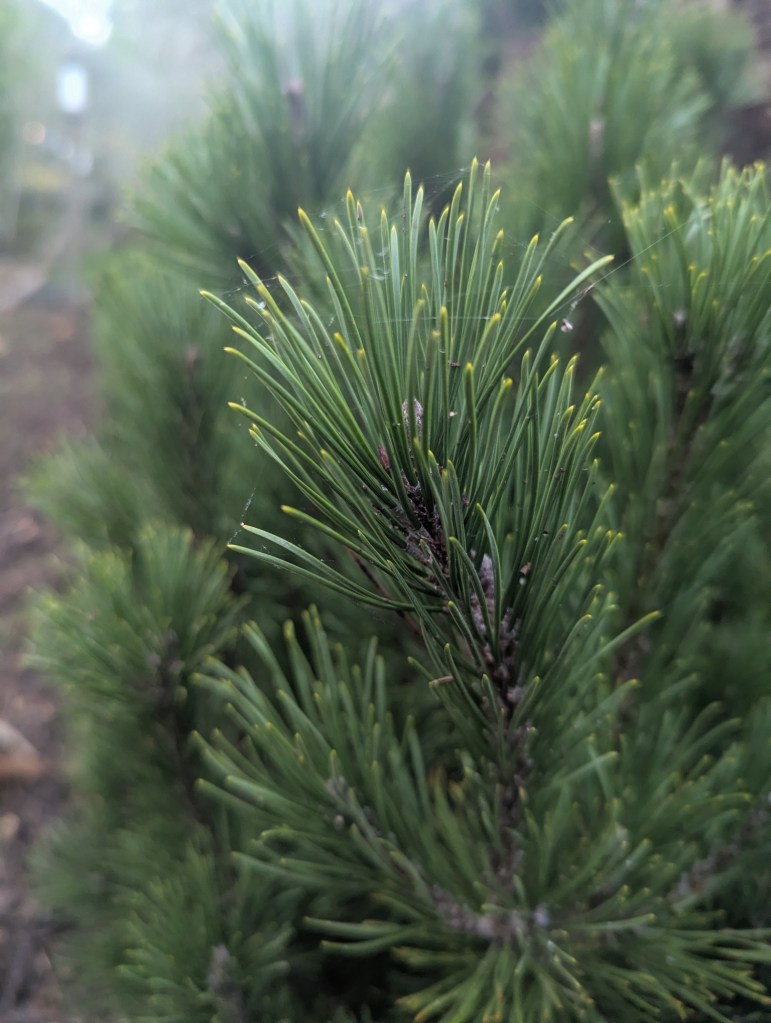
Fir, spruce, pine and cedar are some of the better evergreen foliage for Christmas decor. They are uncommon, though, within local home gardens. Italian cypress, arborvitae and juniper are more common. Boxwood, various hollies and various pittosporums are some broadleaf alternatives. Southern magnolia and New Zealand flax may add bold contrast. So do coral bark Japanese maple twigs or tufts of ornamental grass.






 Tony Tomeo