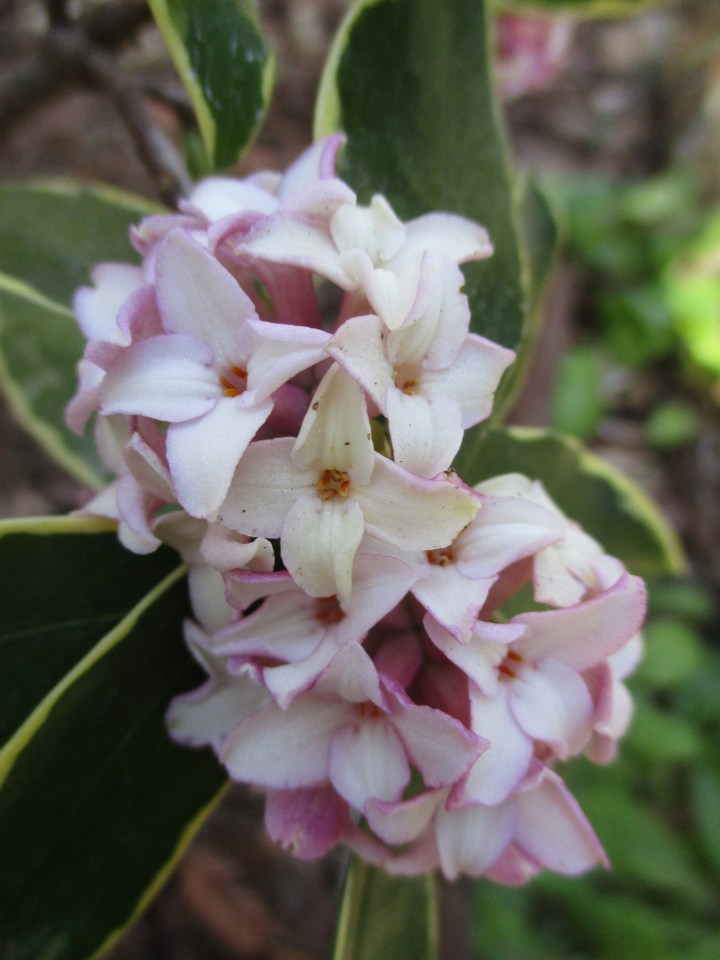
Many who enjoy gardening appreciate fragrant flowers. Many grow particular flowers specifically for their fragrance. Yet, not many consider why so many flowers are fragrant. Plants can not enjoy their own alluring floral fragrances any more than they can enjoy their own delightful floral colors and forms. They do not expect people to enjoy their bloom either. Human appreciation is incidental.
Floral fragrance is merely intended to attract pollinators. Flowers are inanimate, so rely on either wind or animate pollinators to exchange their pollen among other flowers. Animate pollinators are mostly insects, but may be birds, bats or other animals. Flowers do what they must to attract their preferred pollinators. Many use color and floral form. Many use fragrance. Some use both tactics.
Flowers that use both color and fragrance to attract pollinators are mostly endemic to densely forested ecosystems. There is more competition for pollinators within such ecosystems than there is within ecosystems of sparser vegetation. Otherwise, fragrant flowers are generally not as colorful as those that are not as fragrant. Likewise, the most colorful flowers are generally not so fragrant.
Angel’s trumpet is striking in bloom because the flowers are so large. Wisteria and lilac that bloomed last spring were spectacular because they were so profuse. The pastel hues of their blooms are no problem that their fragrance does not compensate for. Pink jasmine and mock orange are about as fragrant, even if their color range is more limited. Star jasmine is not always so profuse.
Pittosporum tobira and Pittosporum undulatum are even less visually impressive in bloom, but can be surprisingly fragrant. The tiny but richly fragrant flowers of sweet osmanthus, sweet box and night blooming jasmine are so obscure that other bloom is often credited with their fragrance. As the name implies, night blooming jasmine is powerfully fragrant after sunset during warm weather.
Freesia, hyacinth, narcissus, lily and some bearded iris are both colorful and very fragrant.

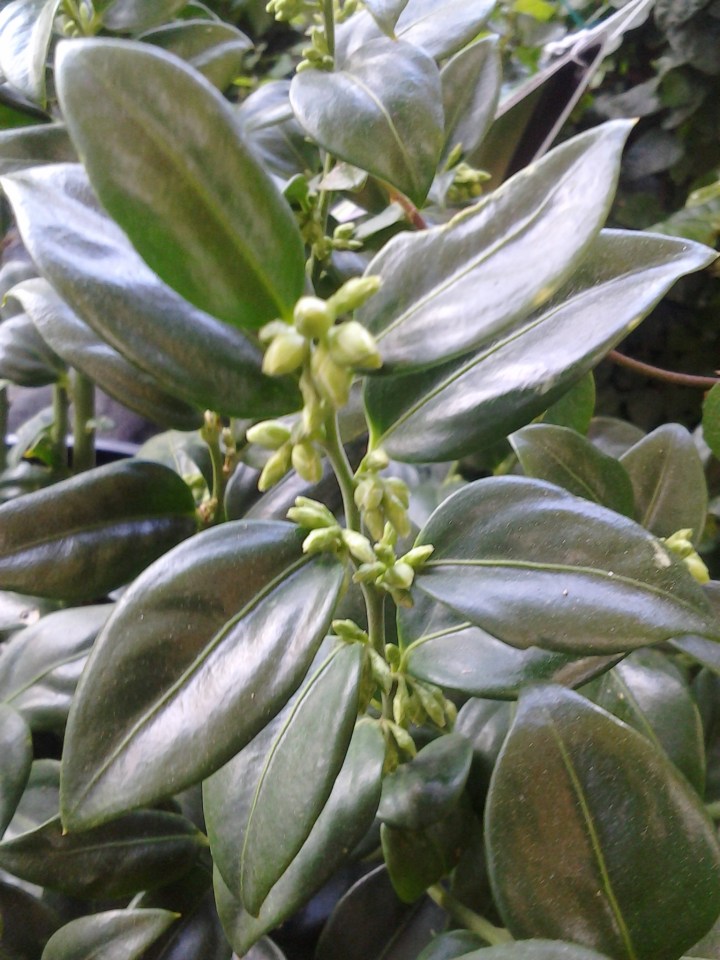
 It seems that everyone who has ever experienced the seductive yet powerful fragrance of gardenia, Gardenia jasminoides, wants to grow it, but very few actually can. Gardenias like warmth, but prefer more humidity than they get here, which is why they seem to be happier in partial shade, in atriums, or in urns that can be moved out of harsh exposure during summer. In such sheltered spots, aphid, scale and sometimes whitefly can be problematic.
 There is some debate about the origin of the common name of Confederate jasmine. Some attribute it to its popularity in the former Confederate States of America. Others believe it originated in the Malay Confederacy, much closer to its native range. That is irrelevant here, where we know this popular vine with very fragrant flowers simply as star jasmine, Trachelospermum jasminoides.
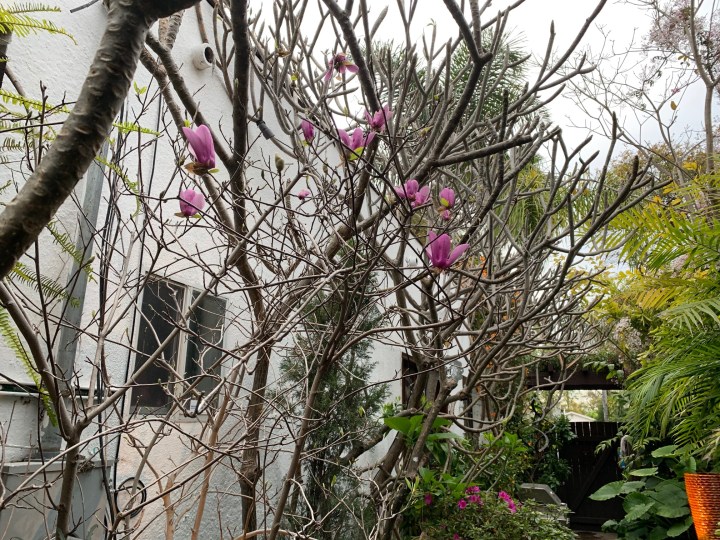 This is why one should not ask someone else who is very vain to take a picture of something important. The vain only take good selfies. Others subjects are too unimportant to them to bother getting a good picture of.
 Tony Tomeo