
Oregon grape, Mahonia aquifolium, is the Official State Flower of Oregon. Fruit such as this develops after its bright yellow bloom. It is nothing like grapes, though. It is edible, but unimpressive alone and fresh. Locally, it is not abundant enough to bother with collecting for culinary application, such as jelly. Wild plants are both rare and scarcely productive. Landscape plants are not much better. That justifies growing it in a garden where fruit production can be promoted. Perhaps it requires specialized pruning, like other species that are grown for fruit. Perhaps, like cane berries, it would be more productive if its old canes get pruned out annually. I really do not know, and am therefore receptive to suggestion. I already intend to grow it, although it will take a few years to get enough fruit to do anything with. Not so long ago, I was similarly intrigued by the native but ignored blue elderberry, which I found to be as useful as black elderberry of the East. My blue elderberry jelly won more ribbons than I can remember at the annual Jelly Competition of the Boulder Creek Harvest Festival. A blue ribbon for Oregon grape jelly would be excellent!

 Horticulturists have a way of making all those long Latin names sound easy to pronounce. Lyanothamnus floribundus ‘Asplenifolius’ – Syzigium paniculatum – Metasequoia glyptostroboides. I do not know why proper pronunciation of their names is so important. They have no ears. They can not hear if we simply call them ‘Earl’. Even if they could hear, they would not respond.
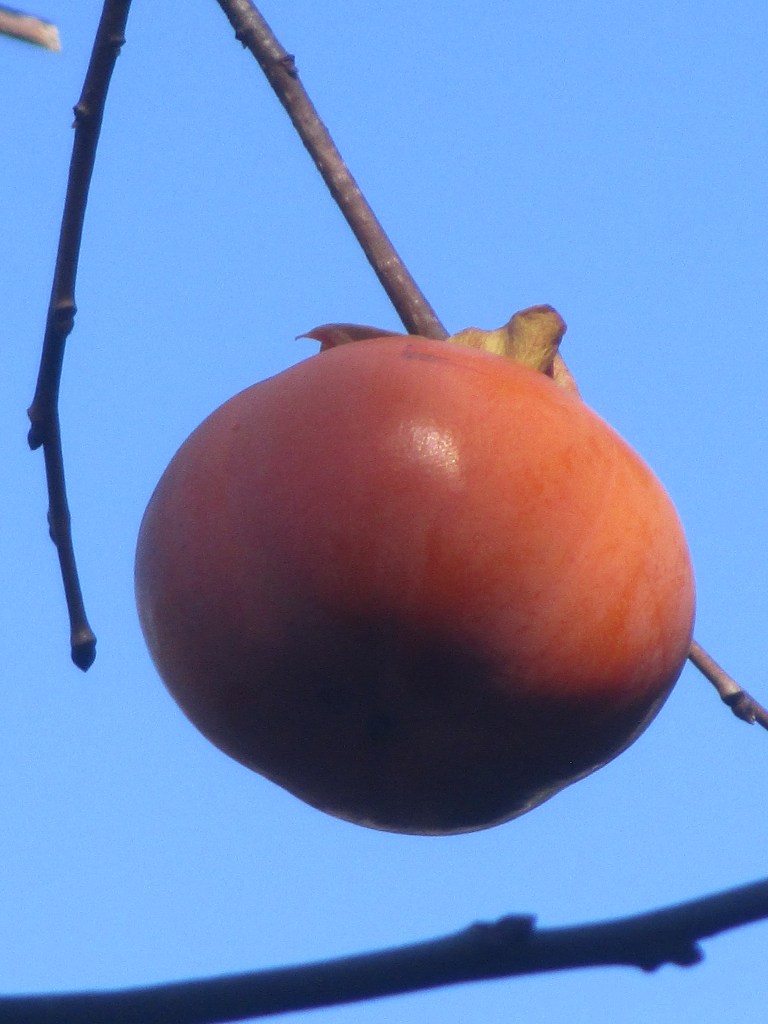
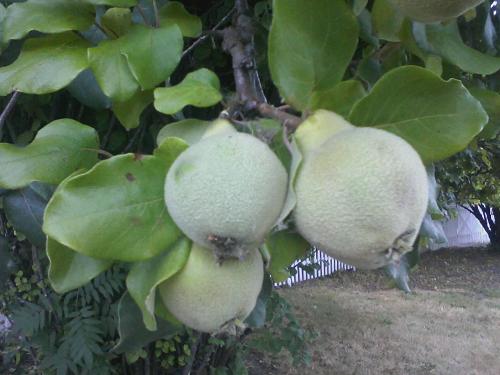
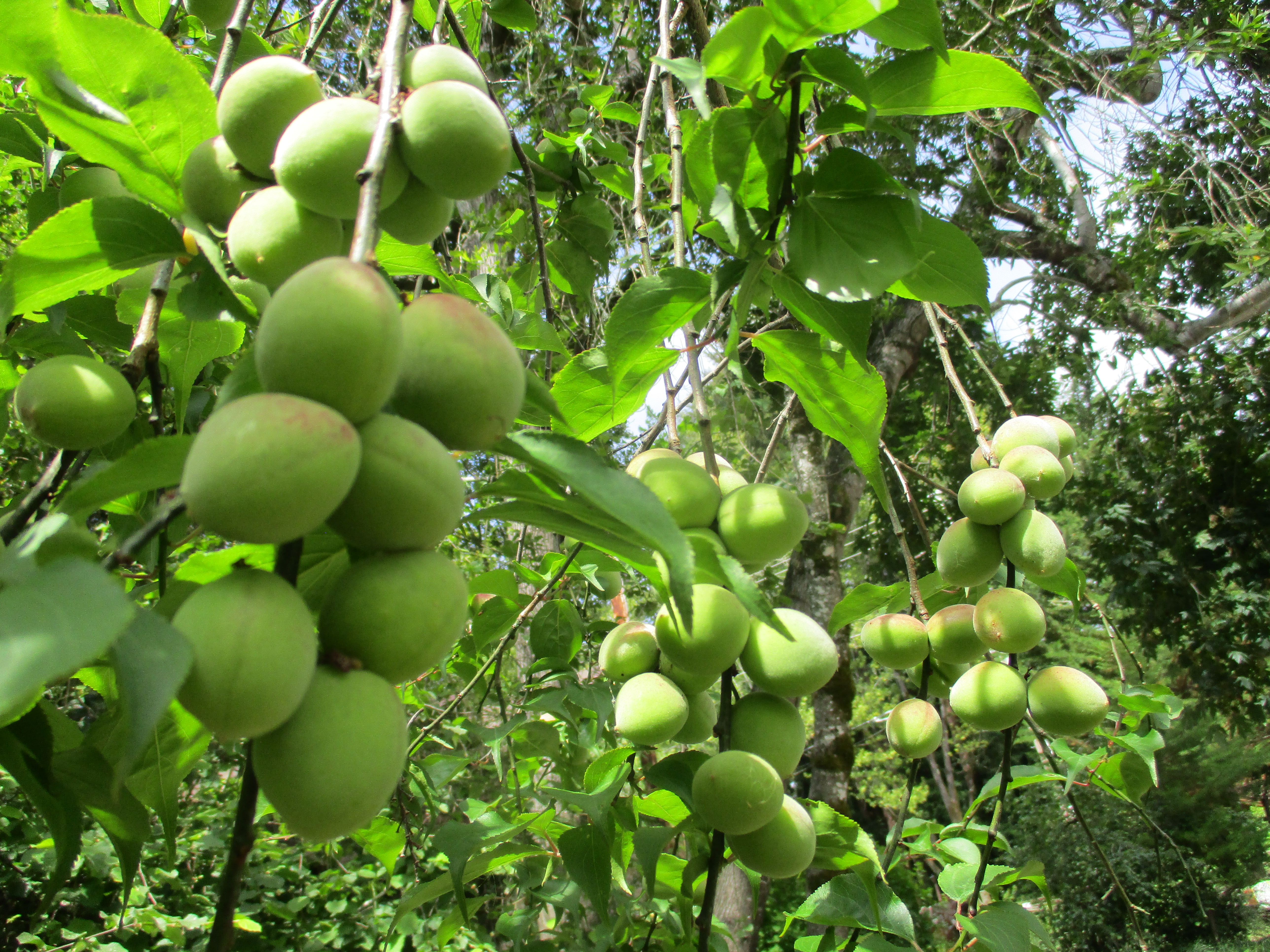 They do not come with instructions for their maintenance. Deciduous fruit trees, particularly the stone fruit trees (such as cherry, plum, prune, apricot nectarine and peach) and pomme fruit trees (such as apple and pear), can be procured as easily as nasturtium seed or petunias. Whether bare-root in winter or canned (potted), they very often get planted into gardens where they are expected to produce their fruit as easily as daisies bloom.
 Some of us who enjoy gardening may not like to admit how useful the internet can be. There is a lot of bad information out there. There is also some degree of good information. It is impossible to fit much information about apples into just a few brief paragraphs. Therefore, the internet is likely the best source of information about the countless cultivars and specie within the genus of Malus.
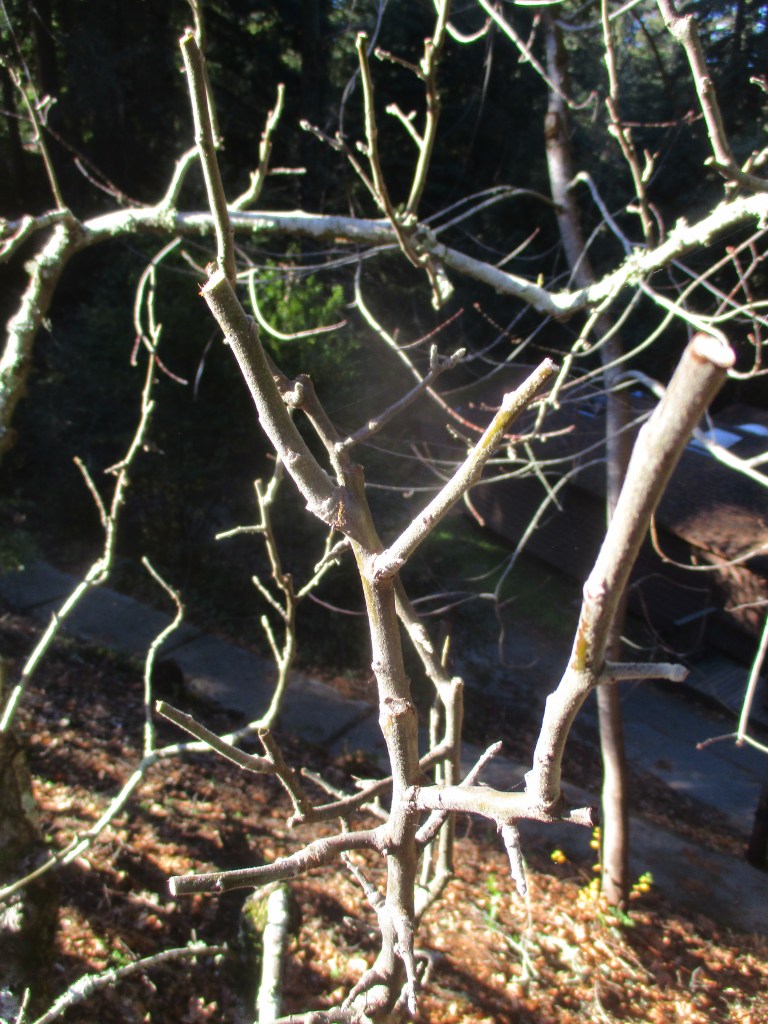
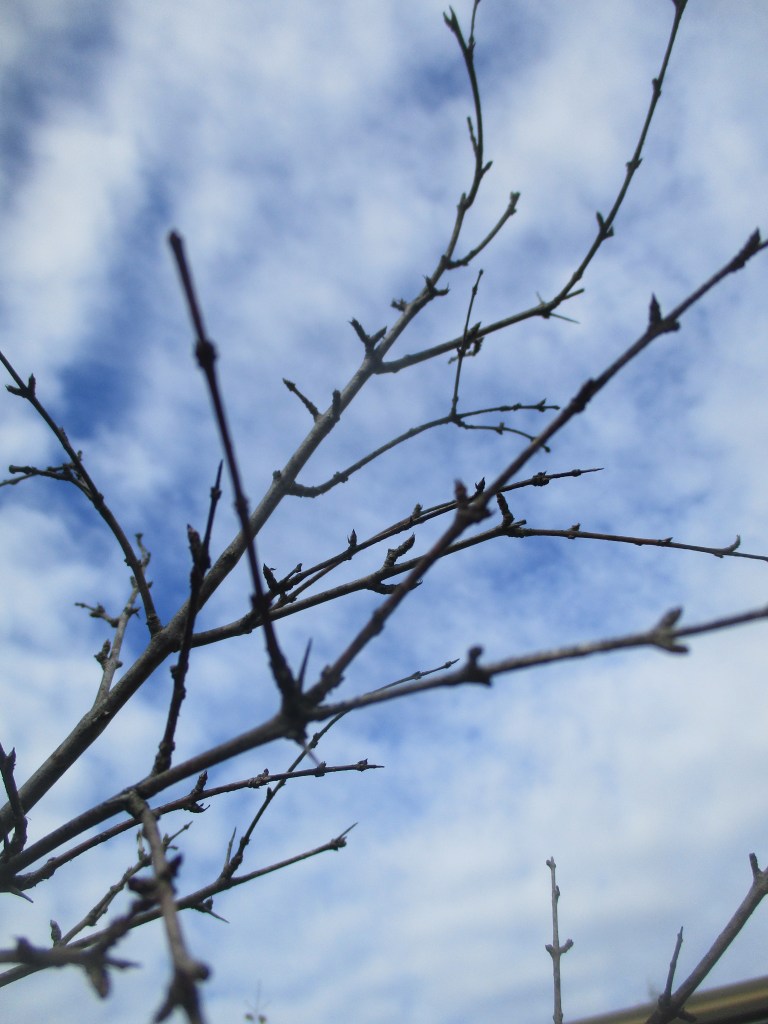
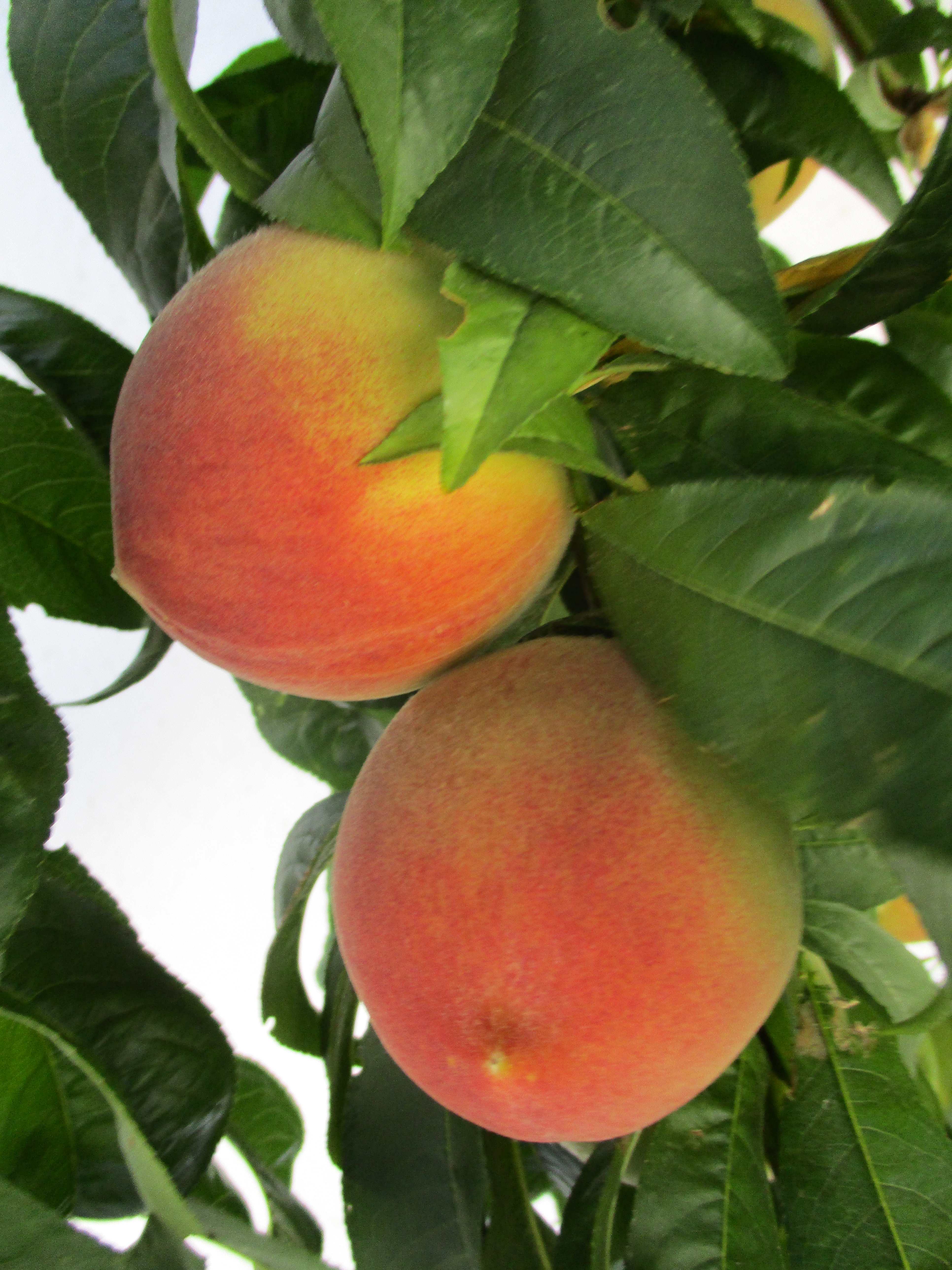 Modern fruit trees have been so extensively bred to produce abundant and unnaturally large fruit, that most types are unable to support the weight of the fruit that they can produce each season. Without specialized dormant (winter) pruning to limit production, the weight of excessive fruit breaks and disfigures the limbs of the trees that produce it. Fruit becomes too much of a good thing.
 Tony Tomeo