
As the Certified Pesticide Applicator working for the ‘landscape’ company that I wrote about earlier ( https://tonytomeo.wordpress.com/2018/03/18/shady/ ), I assumed several responsibilities pertaining to the pesticides and other chemicals that the ‘landscape’ company used. Among other things, I needed to inventory all the chemicals, monitor their use, submit use reports to the Department of Agriculture for each of the nine counties in which we used these chemicals, and provide MSDS binders for all of the ‘landscape’ company offices and vehicles within their fleet.
MSDS is for ‘Material Safety Data Sheet’. They are actually several pages each. Each MSDS binder contained two copies of the MSDS for every chemical the ‘landscape’ company used, or even had on site, whether it was actually used or not. One MSDS was in American English. The other was in Mexican Spanish.
So every office and every facility and every vehicle in the fleet of the ‘landscape’ company was equipped with an MSDS binder. Every binder was equipped with two copies of the MSDS for every chemical even remotely associated with the ‘landscape’ company. That is a whole lot of MSDS!
It’s the law.
I was required to provide all of this literature in languages spoken by anyone and everyone in the workplace, for all vehicles and facilities. Okay, so we’re clear on all that.
However . . .
There is no law requiring those using chemicals to be literate.
I certainly do not expect everyone to be literate in American English. They do not need to be able to read or write it. That is why there were copies of all the literature in Mexican Spanish. I could translate field notes from those who wrote them in Mexican Spanish. That would not have been a problem.
The problem was that many of those using the chemicals could neither read nor write in ANY language! At first, I though we could improvise. I instructed the accounts managers to inform their technicians to merely write down basic information, like the identification number of a chemical being used, the volume of the chemical used, and so on. Most of it involved copying information from the label, and the location from the work order provided to the accounts managers. It sounded simple enough. Sadly, it was not. Copying such information was too much to expect from those handling these potentially dangerous and polluting chemicals. The literature in the MSDS binders that I had so dutifully printed and provided was merely used as napkins and toilet paper.
By the time I could no longer be affiliated with this particular ‘landscape’ company, I had no idea where all of the inventoried chemicals ended up or how they were applied.
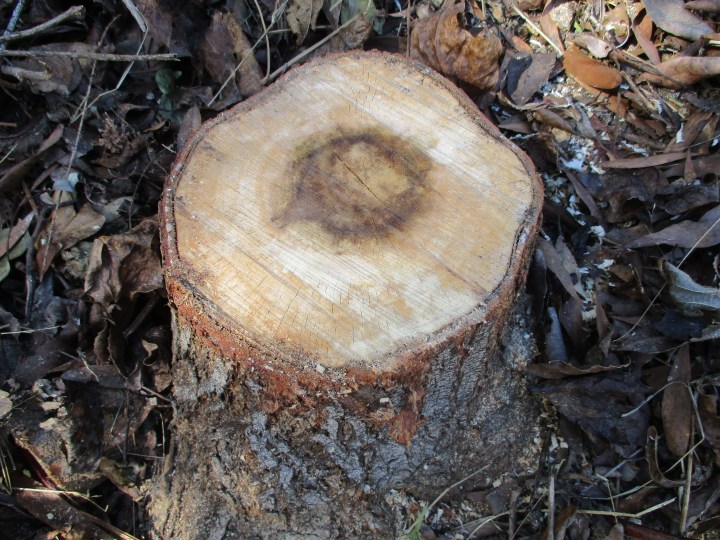
 Medians are nice on the widest of boulevards. They break up the expansiveness of otherwise contiguous lanes. They make a four lane boulevard seem more like a pair of two lane roadways. Berms and other obstacles within medians limit the potential for head on collisions with traffic from opposite sides of the medians. Trees shade and cool some of the pavement when the weather gets warm. Besides all that, medians that are modestly landscaped simply look nice.
 In the autumn of 1989, small and temporary tent cities appeared in parks and other public spaces around the San Francisco Bay Area and the Monterey Bay Area, where many homes had been damaged or destroyed by the Loma Prieta Earthquake. They were necessary at the time, but were not intended to be permanent features of the landscapes. For a while, they were unpleasant reminders that some people could not go home until their homes were repaired or rebuilt.
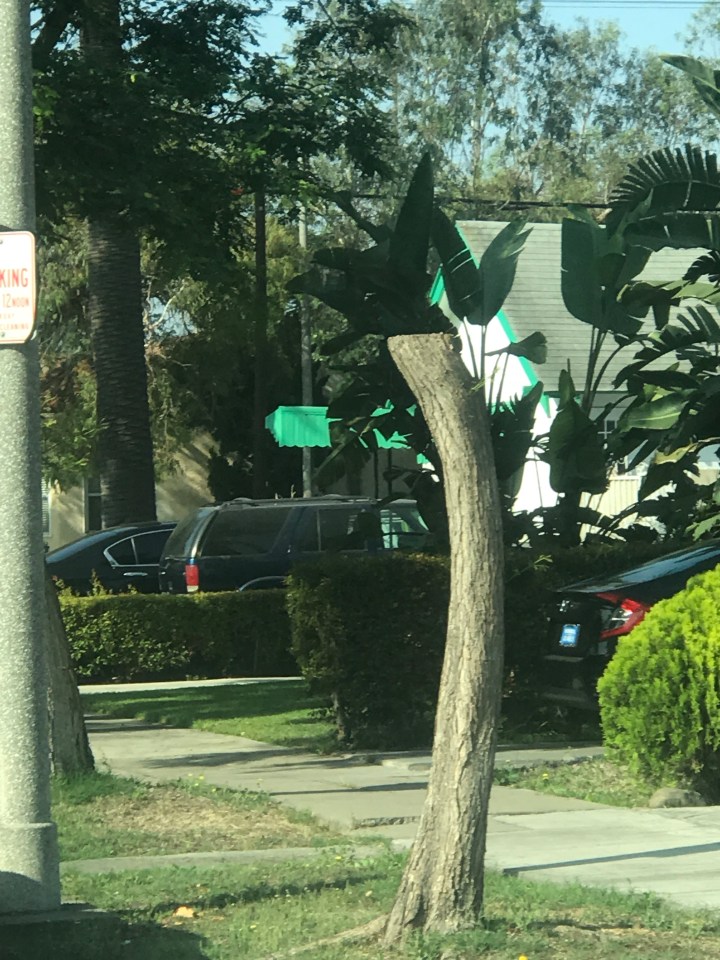 Horticultural industries are full of them; those who changed their respective careers half way through to do something ‘green’. We hear it all the time. “I used to be a ______ (Fill in the blank.), but I got so tired of ______ (Fill in the blank again.) and decided to get into landscaping.” Really?!? That is what you think of the landscape industry? Anyone who flunks out in your industry can ‘easily’ make it in landscaping?
 Tony Tomeo