 Apparently, the warnings were effective. https://tonytomeo.wordpress.com/2018/01/27/caution/ . They managed to avoid the traps and survive to perpetuate another generation under the lawn of Felton Covered Bridge Park. It is impossible to know if they are directly related to the now deceased Halston https://tonytomeo.wordpress.com/2018/04/21/halston/ who infested a landscape only about two miles away. It is unimportant. They all are intent on conquest.
Halston Junior, a baby gopher who may or may not be a descendant of the famed Halston, was found wet and shivering on the surface of the ridiculously perforated lawn. Rhody wanted to play, but was restrained from consorting with the enemy. The prisoner was detained, dried and put in one of Rhody’s blankets to recover. There was no formal interrogation, but the detainee was found to be well armed.
It is impossible to imagine what sort of damage such sharp and strong claws could inflict!
It is equally as impossible to imagine how dangerous such nasty fangs could be!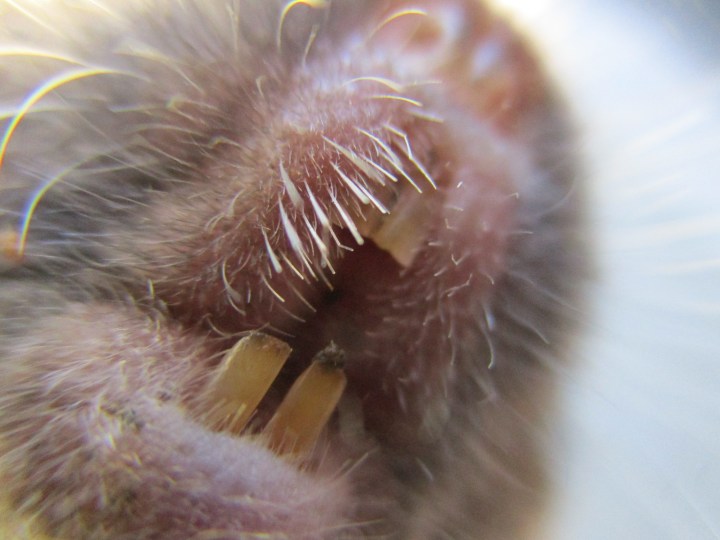
The purpose of this formidable weapon is unknown, but it is undoubtedly very dangerous! However, the most effective weapons of all were mind control techniques. Halston Junior used them merely for self defense, by convincing his captors that he was too cute to be euthanized. It could have been much worse if he had not been so mentally compromised from his ordeal.
We knew that Halston Junior could not be released back into the lawn from which he came, but we also knew that relocating him somewhere else would disrupt the ecosystem slightly, and that Halston Junior would likely migrate back to where he came from. Ultimately, he did get released into a nearby meadow. We can only hope that the rest of the ecosystem will not notice.
Halston Junior won this battle, but not the war.
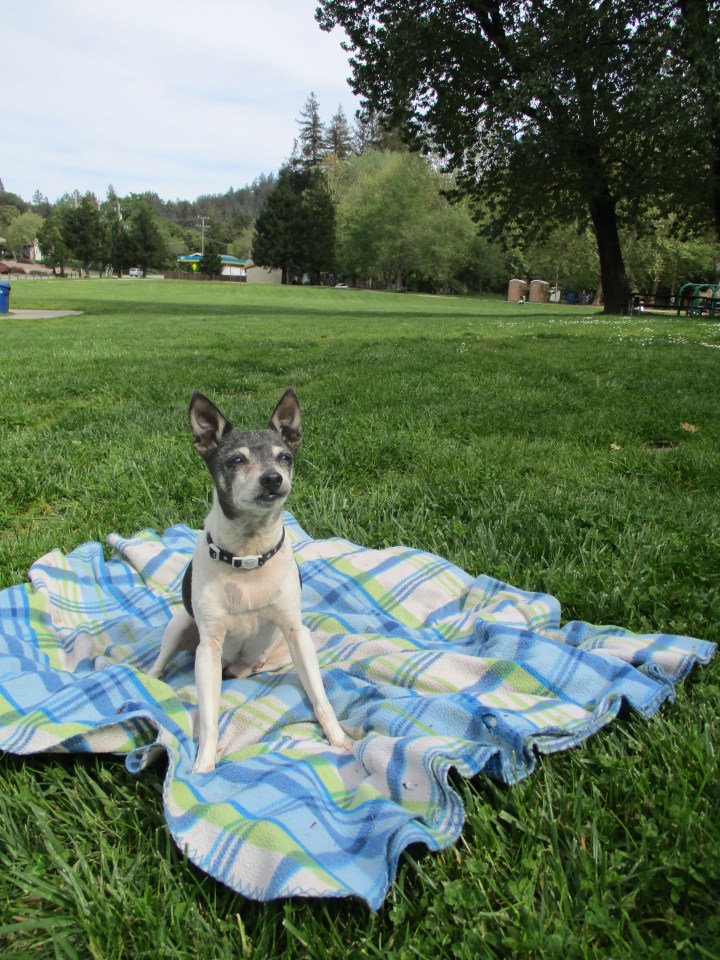 Turf grasses are the ultimate in groundcover. They are very durable, and useful for covering large areas in a very user friendly manner. The toughest varieties are used for athletic fields because they withstand the wear and tear. In home gardens, all sorts of varieties are grown as lawns. Like other groundcovers, lawns limit erosion, and are cleaner than bare summer dust and winter mud.



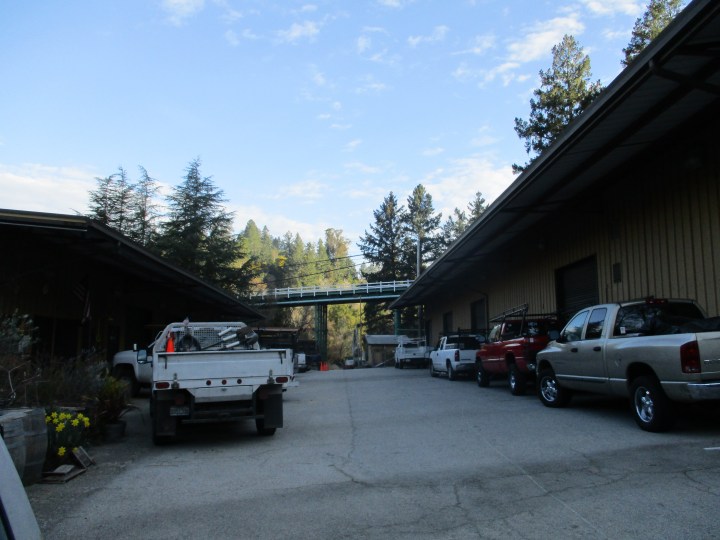
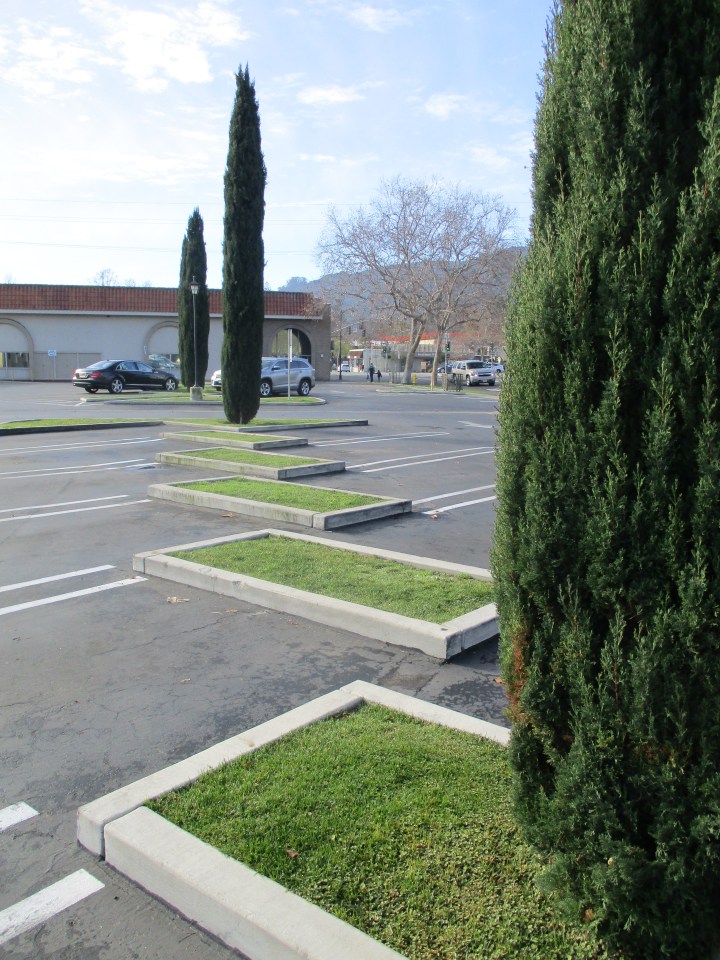 Perhaps I should elaborate on the ‘litter boxes’ in the ‘Six on Saturday’ post earlier this morning. As I already mentioned, they are in the same parking lot as the Leo and Leona sculptures. They were formerly inhabited by Italian cypress trees that would now be like those nearby if they had survived.
 Tony Tomeo