Six on Saturday: No Rhododendrons

Rhody’s rhodies were spectacular in bloom. This year, I refrained from posting too many pictures of them by posting none at all. I thought that I might get a few at the end of the season; but now find that the few that remain are either shabby or difficult to get a good picture of. There is plenty of other bloom though, even without exploitation of the warm season annuals. Now that daylilies are blooming, they will continue until autumn. Roses continue at least as late, but bloom in phases since most are partially shaded. All but one of these six species were recycled, although one was recycled by remaining where it was.

1. Daylily is not actually a lily. With all the bickering amongst botanists, its classification remains vague. This surplus from thinning a congested colony now borders the iris bed.

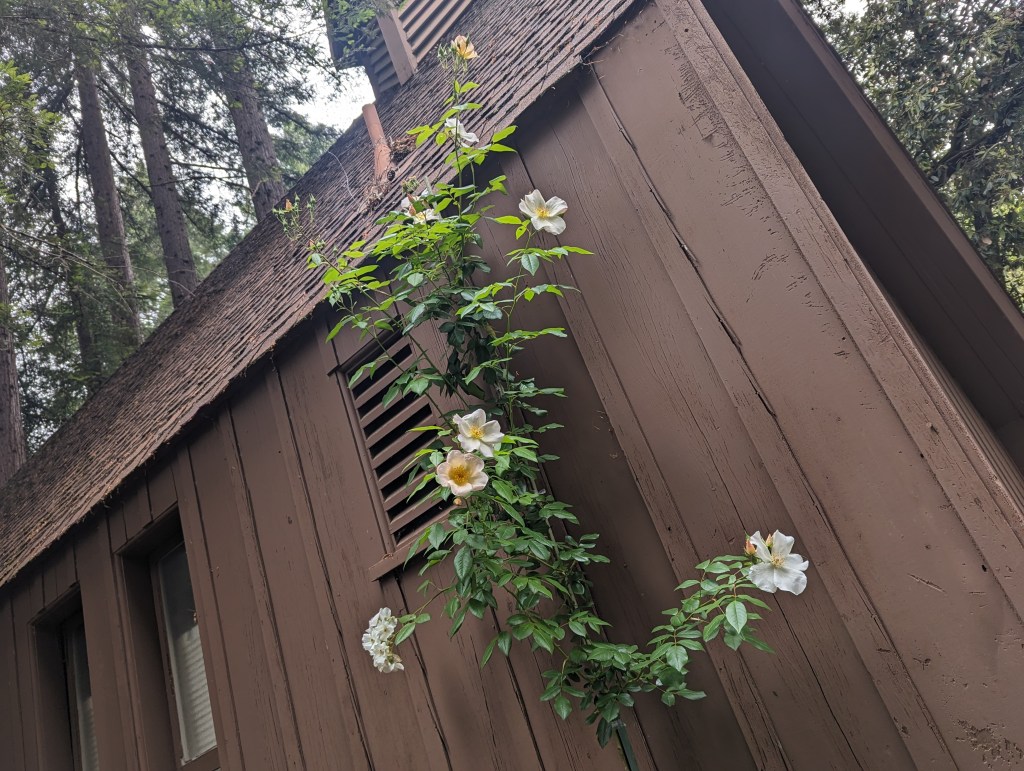
2. White climbing rose that was removed from the garden of a renovated cabin has been relocated to el Catedral de Santa Clara de Los Gatos, where merely white flowers bloom.
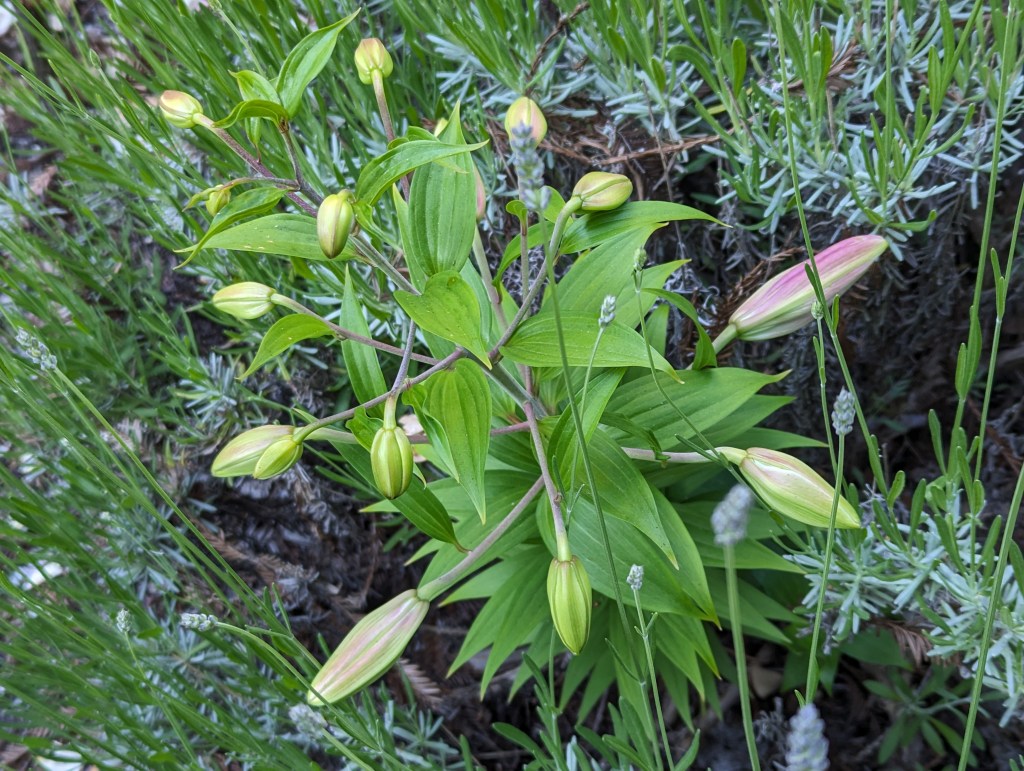
3. Rose lily that was plumply budded for Six on Saturday two weeks ago is now finishing. It recycled itself from a previous froufrou garden as the rose garden was installed over it.

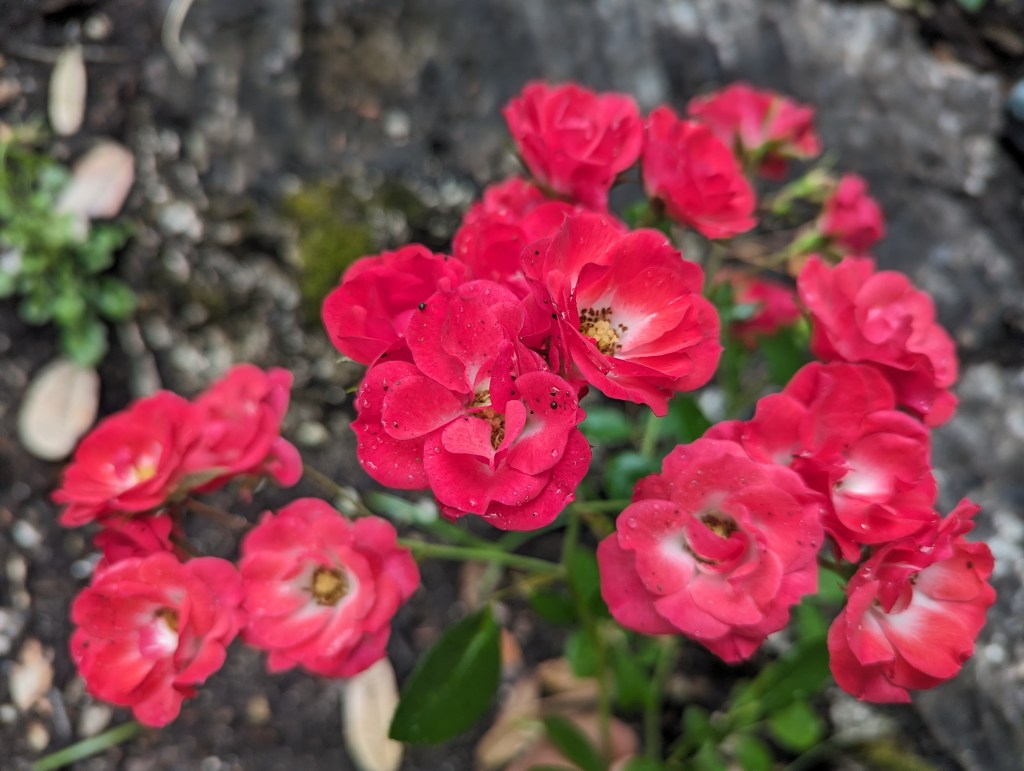
4. Carpet rose was originally too close to a walkway, so was relocated to a wide roadside embankment. I am none too keen on carpet rose, but it is appropriate for its application.
5. Easter lily that was left from a wedding at el Catedral de Santa Clara de Los Gatos was added to the perennials across the road, but could have remained with the white flowers.

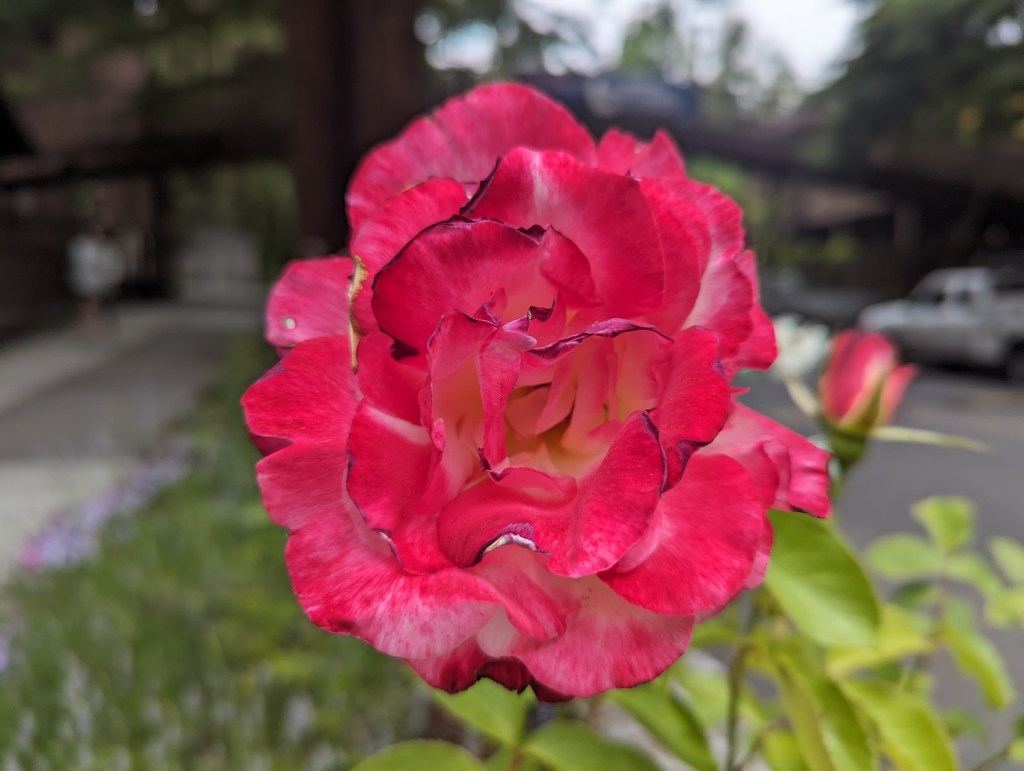
6. Unidentified hybrid tea rose, which had the color but not the form of ‘Double Delight’ before it began to fade, blooms in the rose garden, which was installed over the rose lily.
This is the link for Six on Saturday, for anyone else who would like to participate: https://thepropagatorblog.wordpress.com/2017/09/18/six-on-saturday-a-participant-guide/
Six on Saturday: Crosswalk

A crosswalk connects a rose garden at work to a fancy perennial and annual bed across a narrow road. As much as I would like to maintain certain standards within both of these two distinct gardens, neither is perfect. Each is inhabited by something that should be of the other. One stays because of its justification for being there. The other stays because I can not easily separate it from the roots of what moved in over it, and because we sort of like it there now. Anyway, I added another picture from Arizona a month ago, and one of Brent’s useless pictures, just because they are too pretty to discard without sharing here.

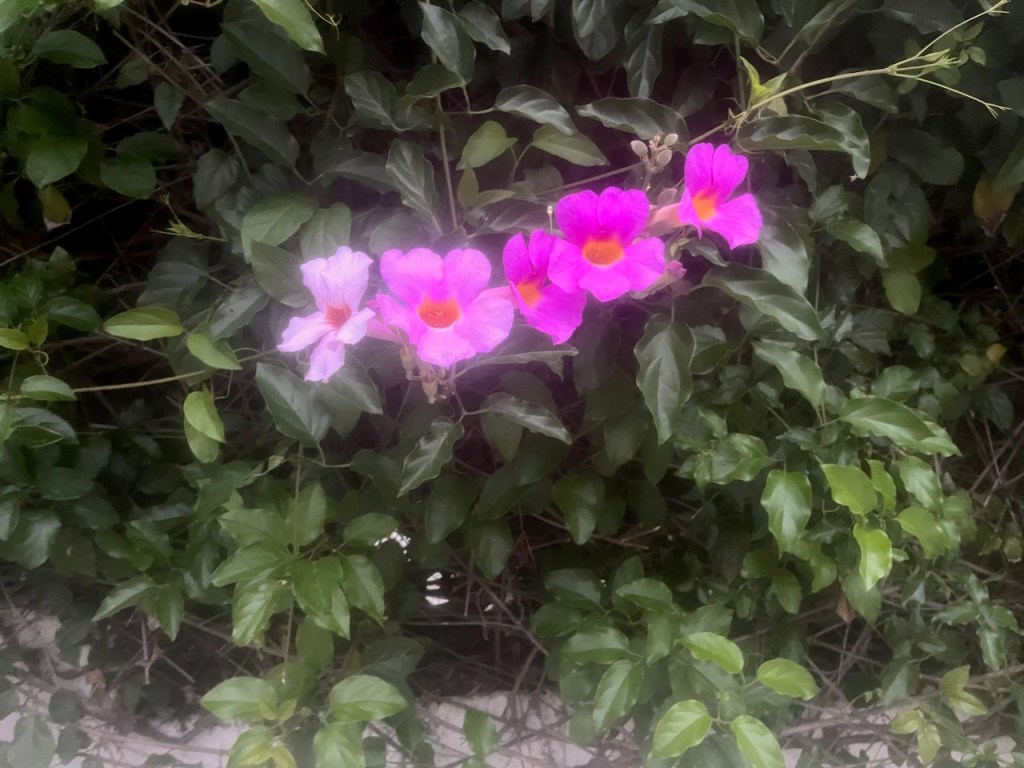
1. Distictis riversii, royal trumpet vine demonstrates that, no matter how much he wants to get one of his pictures into his local Canyon News, Brent does not provide a good one.

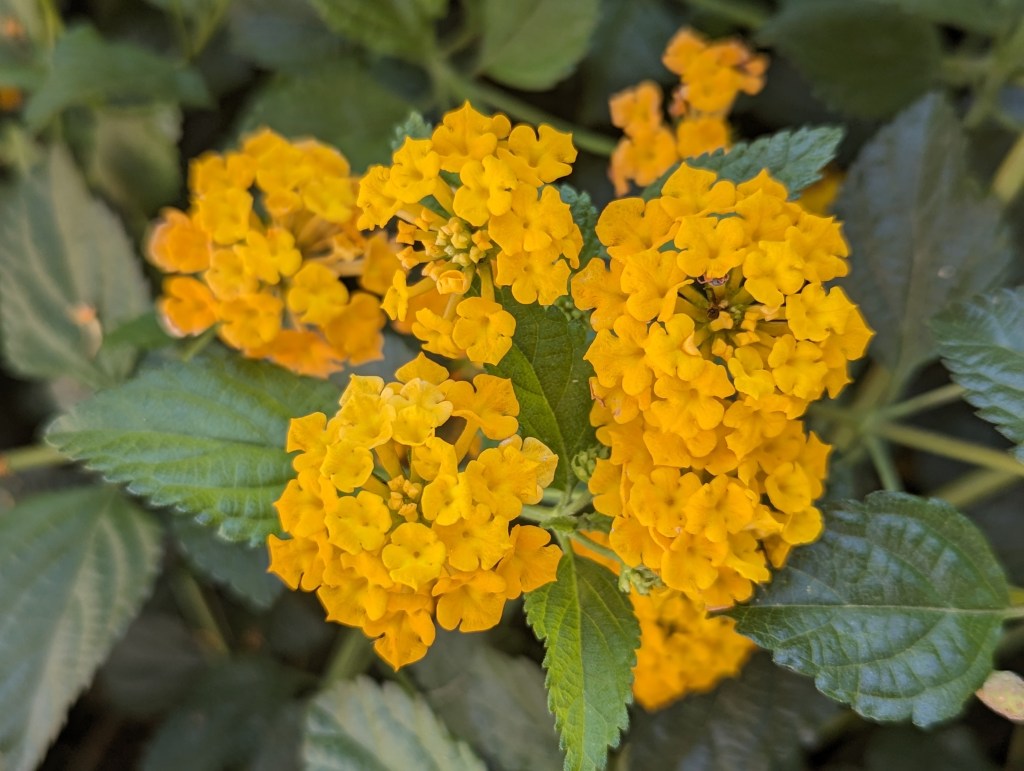
2. Lantana camara, which is known simply as lantana, bloomed within the same garden as the orange cultivar of last Saturday; so this picture is from a month ago near Phoenix.

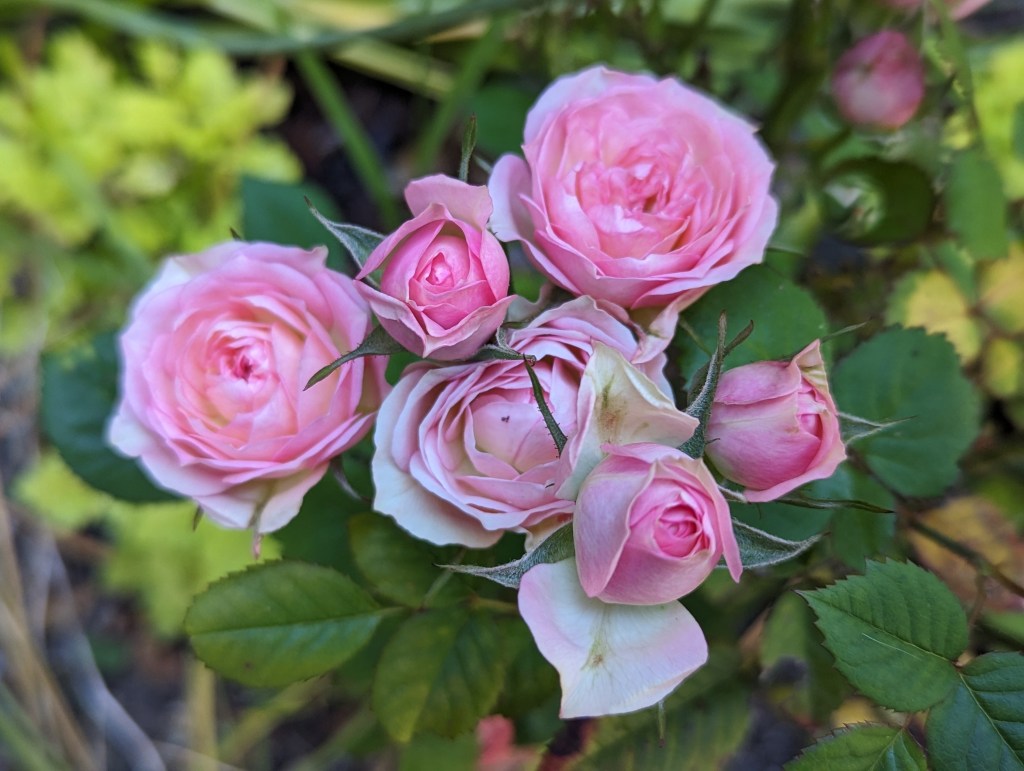
3. Rosa, which is an unidentified miniature rose, is designated as the lily rose because of its stubborn occupancy of a former lily colony within a garish perennial and annual bed.

4. Although pretty, it really should be in the rose garden across the road. I can not move it over there, because of its sentimental significance for the person who installed it here.

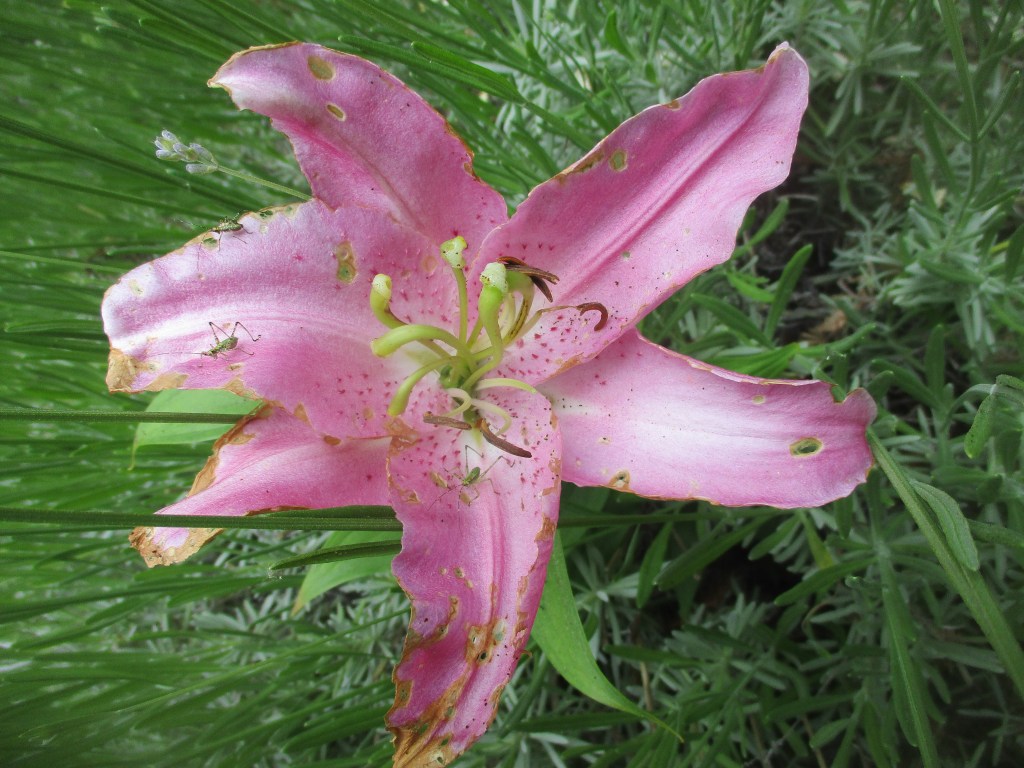
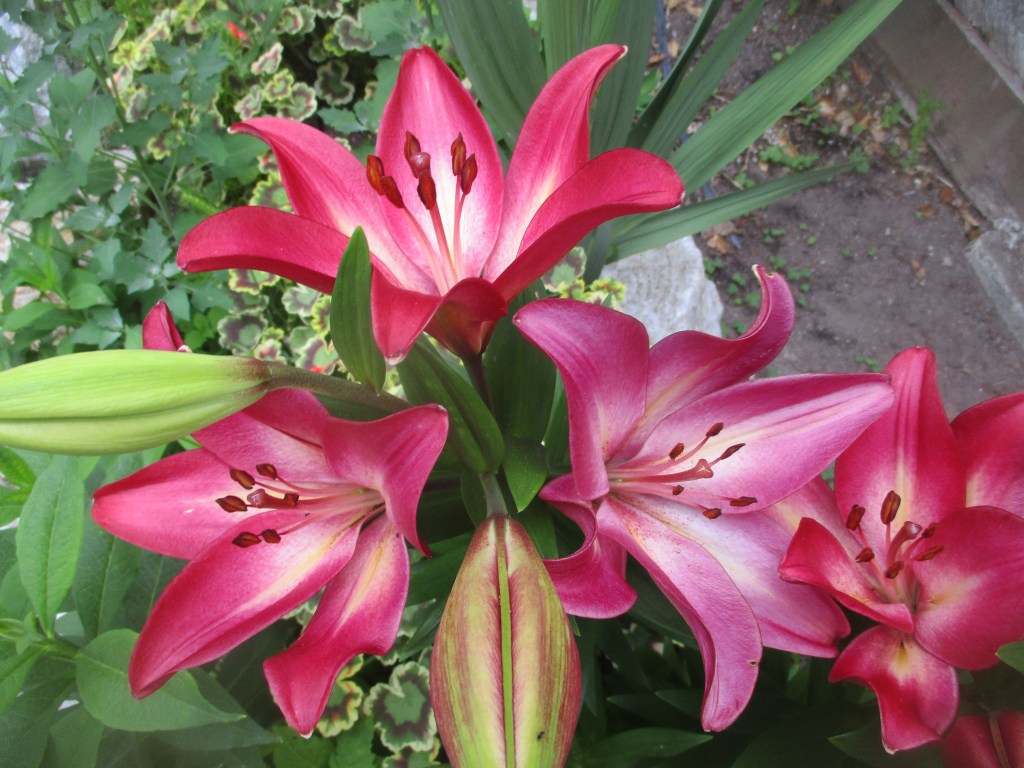
5. Lilium, which is an unidentified Oriental lily, is designated as the rose lily because of its stubborn occupancy of a former perennial and annual bed that is now a rose garden.

6. Although pretty in bloom, it really should be with this colony of abundant lilies, which I shared a picture of last Saturday, in a garish perennial and annual bed across the road.

This is the link for Six on Saturday, for anyone else who would like to participate: https://thepropagatorblog.wordpress.com/2017/09/18/six-on-saturday-a-participant-guide/
Asiatic Lily

Asiatic lily appreciates pronounced winter chill.

Lily is such a generic classification. Kaffir lily, water lily, calla lily, canna lily and many other lilies are not lilies at all. These examples are not even remote relatives. Real lilies are of the genus Lilium. However, even the most familiar of these are hybrids of various species. Asiatic lilies are a group of such hybrids that classify as Lilium asiaticum.

Asiatic lilies go into the garden as dormant bulbs during late autumn or winter. They grow through spring to bloom for early summer. Bulbs require vernalization to bloom, so may not bloom annually within mild climates. Asiatic lilies that are now popular as spring cut flowers grow in greenhouses. Mature bulbs can grow large enough for propagation by division while dormant. Bulbs like rich and evenly moist soil.

Asiatic lily bloom can be white, yellow, orange, red, reddish purple or pink. Many are delightfully monochromatic. Some display spots, stripes or darker centers. Each bulb extends a single stem with a few flowers on top. Each flower extends six flaring tepals in familiar lily form. Unlike most other lilies, Asiatic lilies do not produce enough pollen to be messy. All lilies are toxic to cats.

Six on Saturday: Lily Rose and Flowering Pear

Lily Rose Depp was just a little tyke when her father, Johnny Depp, graciously financed the installation of a herd of flowering pear trees as street trees in the neighborhood where she attended school with my niece. Lily Rose is such a delightful and horticultural name. I happen to be very fond of lilies. I also happen to be very fond of roses. I just do not like them together in the same garden.

1. Before it began to deteriorate, this lily looked like Patrick Star, the next door neighbor and best friend of Spongebob Squarepants, or perhaps Carl Junior in drag. It lives in the rose garden.

2. ‘Apricot Candy’ is a rose that I am not familiar with, but it lives here now. It is a hybrid tea rose, which I prefer. I also like the name. Apricots were a primary crop for the Santa Clara Valley.

3. This and #1 above continue to bloom within the rose garden, many years after almost all of the other perennials were removed from the site so that it could be redeveloped as a rose garden.

4. ‘Iceberg’, although white, is not my favorite rose for this week. As reliable and prolific as it is, I still find it to be mundane and cliché. Regardless, it is one of the best within our rose garden.

5. This is my favorite lily this week, not because of the color, but because it is ‘not’ within the rose garden. It is across the road, in a small garden of mostly perennials, where good lilies belong.

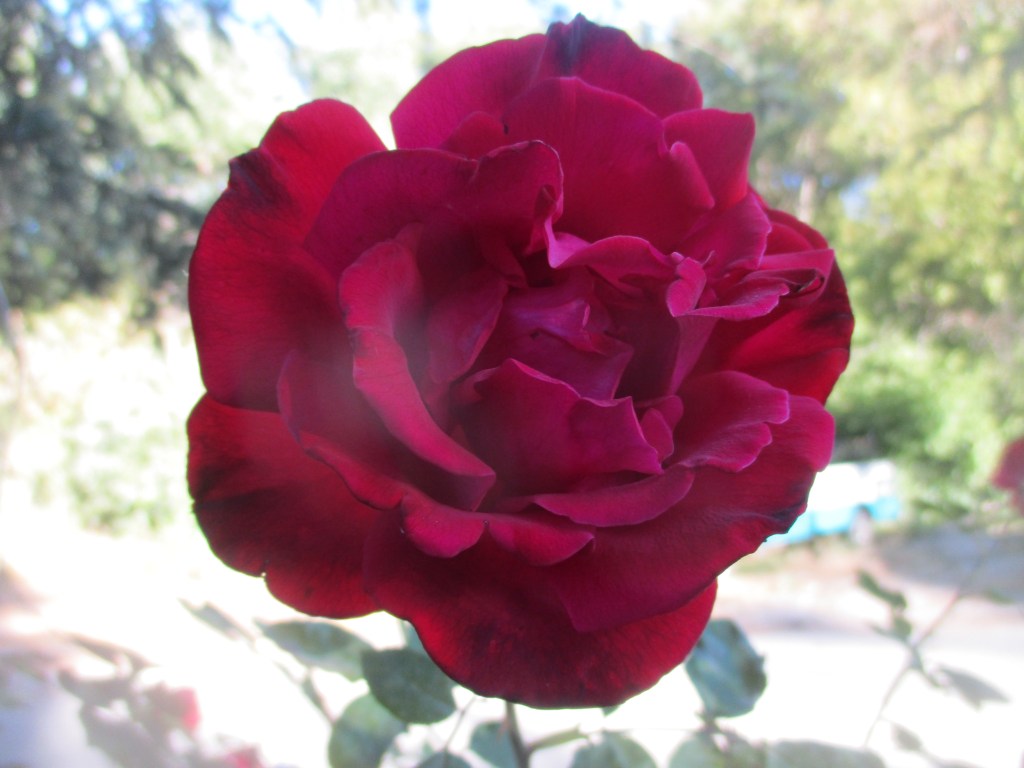
6. ‘Proud Land’, although not white like ‘Iceberg’ above, is my favorite rose this week. The rich red is exemplary of the color that red roses should be. This is one of three that I planted in 1984!

This is the link for Six on Saturday, for anyone else who would like to participate:

https://thepropagatorblog.wordpress.com/2017/09/18/six-on-saturday-a-participant-guide/