Exotic plant species that appreciate endemic climates and soils seem like they should be the next best options to native plant species. A few unfortunately naturalize aggressively enough to displace native plants species, and interfere with the natural ecosystem. A few can not naturalize without their preferred pollinators that did not come with them from their origin. Some have potential to naturalize, but either refrain, or are civil about doing so. Some that are invasive within landscapes are not as invasive in the wild, particularly if they need more water than they get from local weather. I occasionally find exotic plant species, including a few that I am surprised to find.
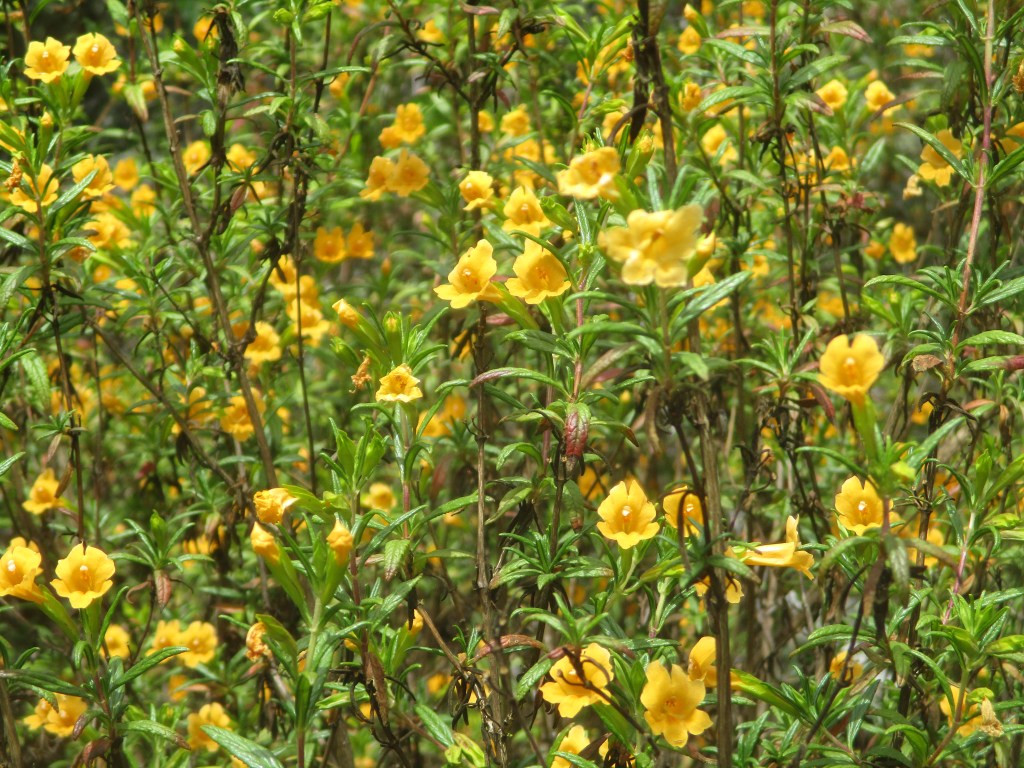
1. Sticky monkey flower is the ‘+1’. It is the only one of these six that is native rather than exotic. Its odd name leaves one pondering how a monkey is involved and why it is sticky.
2. Mock orange seems to be naturalized, but contrary to common belief, may actually be native. A single flowered variety and a double flowered variety may be different species.

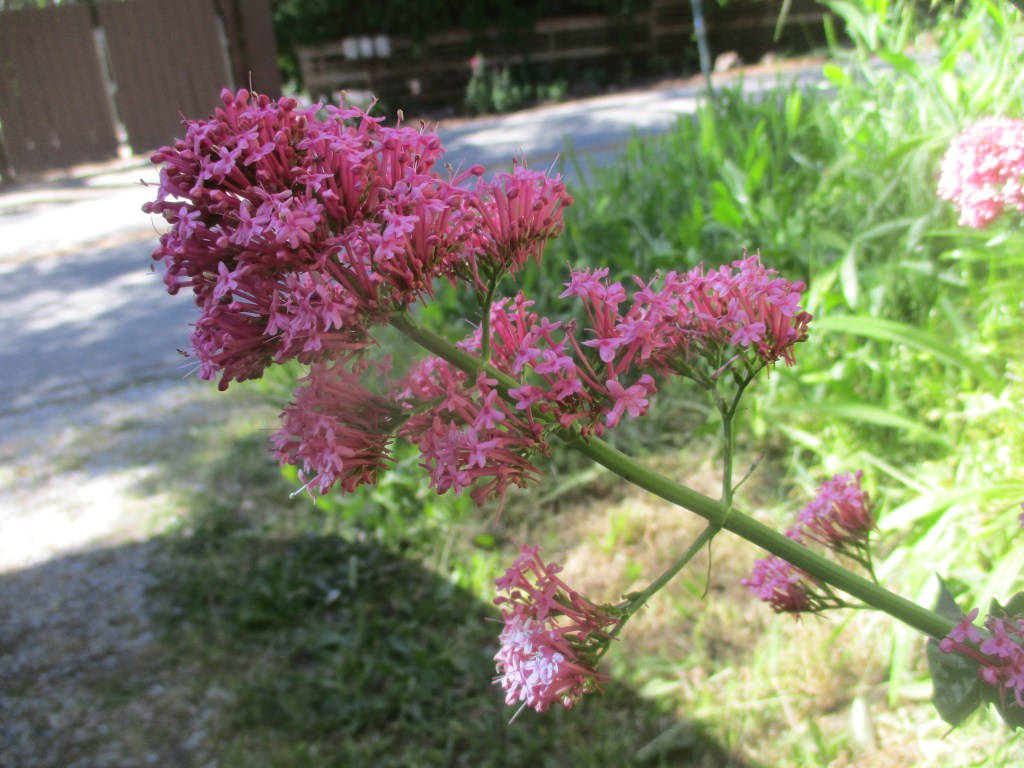
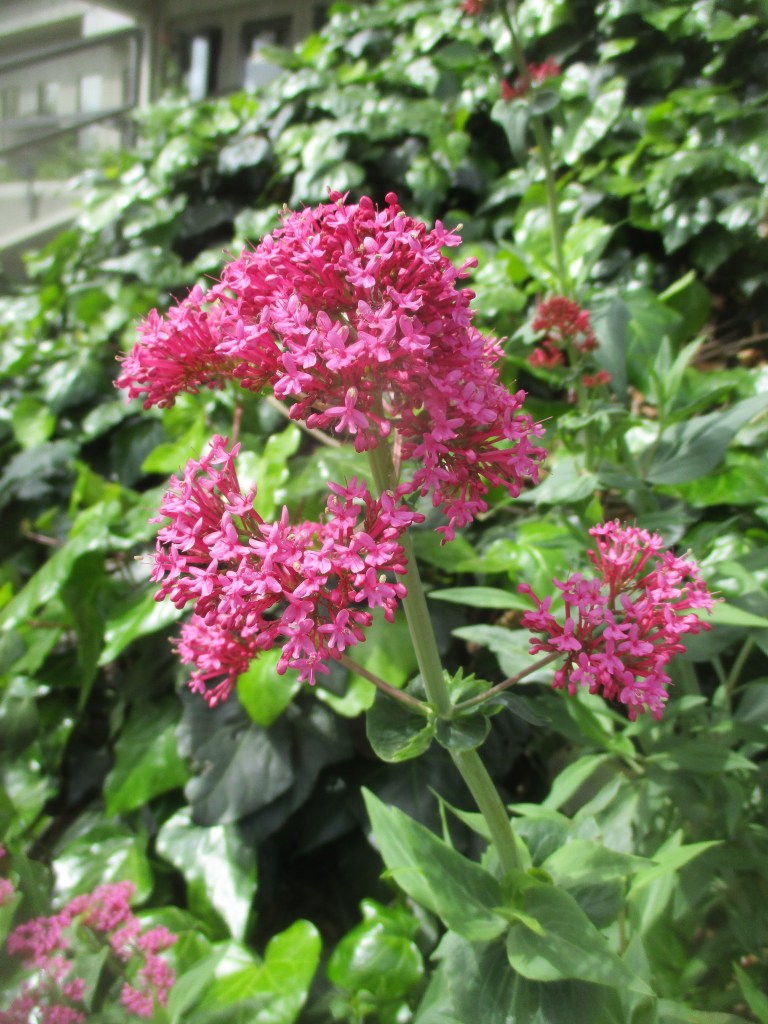
3. Jupiter’s beard is most certainly exotic and naturalized, but does not seem to be polite about it. It can get quite invasive. However, it does not get far from irrigated landscapes.
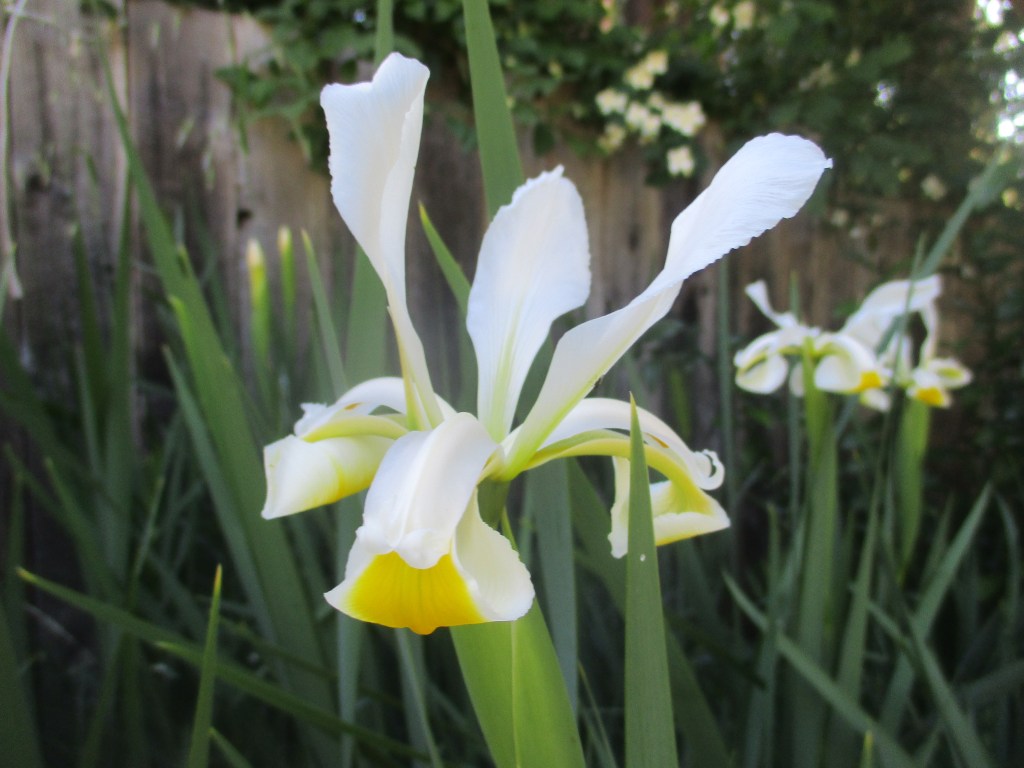
4. Iris remains a mystery to me. I grew this same seemingly simple species while in high school, but have never identified it. It naturalizes, but only where it gets sufficient water.
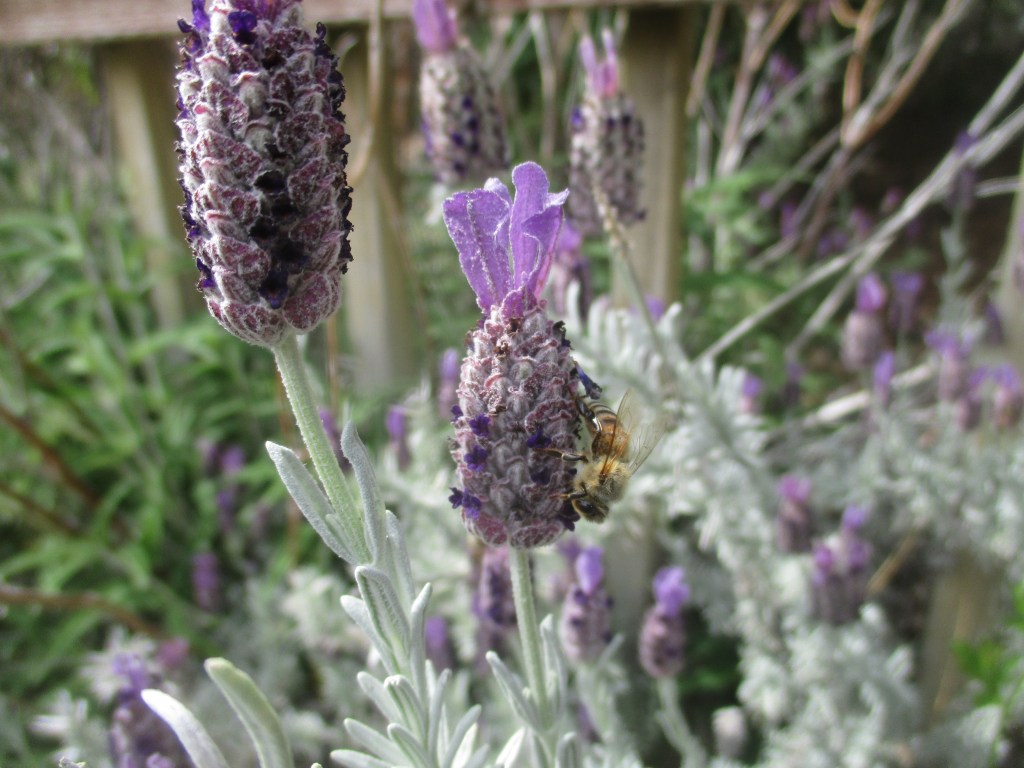
5. Spanish lavender is obviously not native since it is from, well, Spain. It can naturalize, but is not aggressive about it. The honeybee is much more aggressively naturalized here.
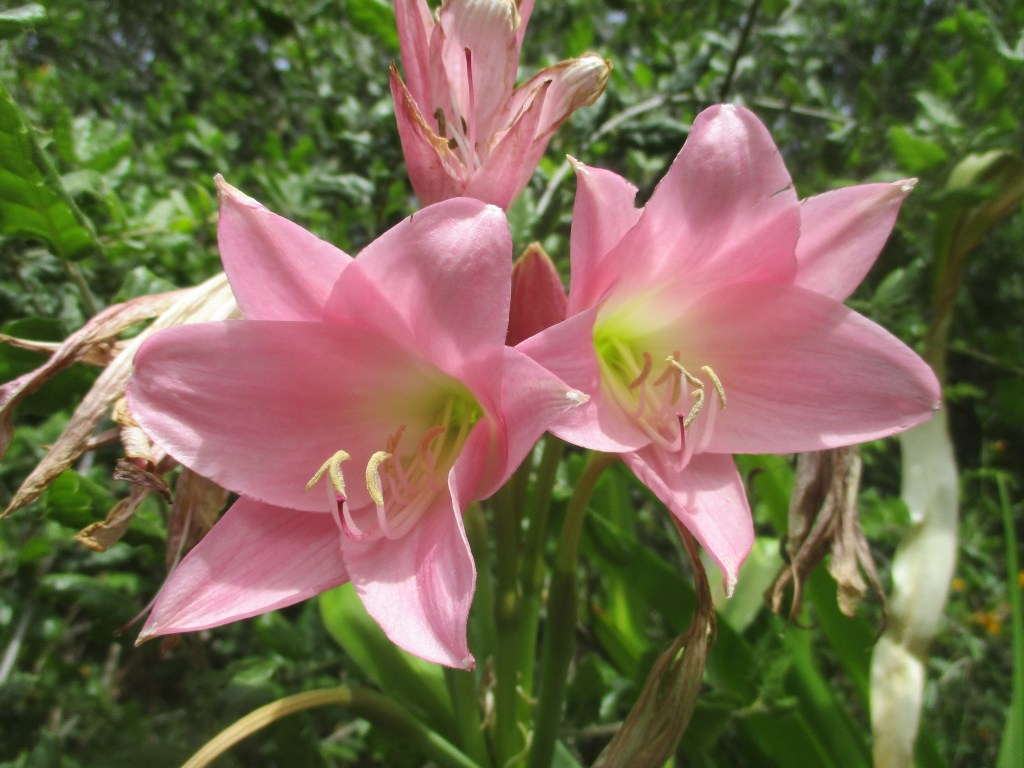
6. Crinum, like the Iris, is unidentified. I am not even sure if it is a Crinum. It grows wild with sticky monkey flower, in sandy soil that gets dusty, dry and warm through summer.
This is the link for Six on Saturday, for anyone else who would like to participate: https://thepropagatorblog.wordpress.com/2017/09/18/six-on-saturday-a-participant-guide/



 Tony Tomeo