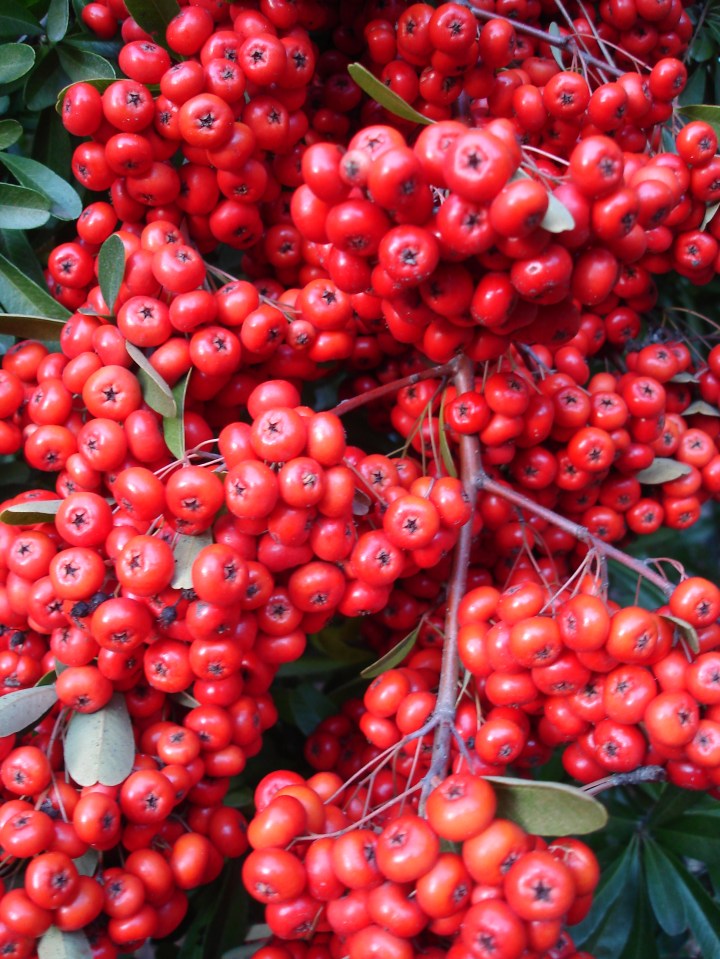
Felton League, the Facebook group of the homeless and their friends in Felton, California, briefly mentions the source of some interesting, but typically overlooked fruits that can be found in the wild or unrefined landscapes. Blackberries, American plums and elderberries collected from rural roadsides have produced award winning jellies for the Santa Cruz Mountains Harvest Festival.
Unlike the fruit that so many of us put so much effort into growing in our home gardens, these fruits and others are productive without any help. They are commonly overlooked only because they are so easy to ignore. In some ways, they are inferior to ‘garden variety’ fruit; but they also have certain advantages. Free fruit that takes no more effort than harvesting is obviously a good thing.
The most common wild blackberries are actually Himalayan blackberries that have naturalized. Unfortunately, they do not compare well to garden variety blackberries. They are not as abundant, and are difficult to pick from the wickedly thorny and rampant canes. Blue elderberries really are native, and are just as good or maybe better than black elderberries from eastern North America.
Figs, olives, grapes, rhubarb, prickly pears, apples and various citrus can sometimes be found in abandoned or neglected landscapes. Walnut, almond and wild plum trees sometimes grow from self-sown seed. Purple leaf plum is not always as fruitless as it is purported to be. Then there are all the other ornamental plants that happen to produce fruit that is useful to those willing to try it.
For example, Australian brush cherry, English hawthorn, Indian hawthorn (‘Majestic Beauty’), strawberry tree and even common freeway iceplant all produce fruit that can be cooked into luscious jelly. Of course, no fruit, particularly unfamiliar fruit, should be eaten or experimented with until it is confirmed to be safe for consumption. Many fruits really are toxic! Also, fruit should not be harvested from where it might be illegal to do so, such as private property or parks.
NOTE: This is an old article. Felton League is no longer a group on Facebook, but is now a blog here on WordPress.
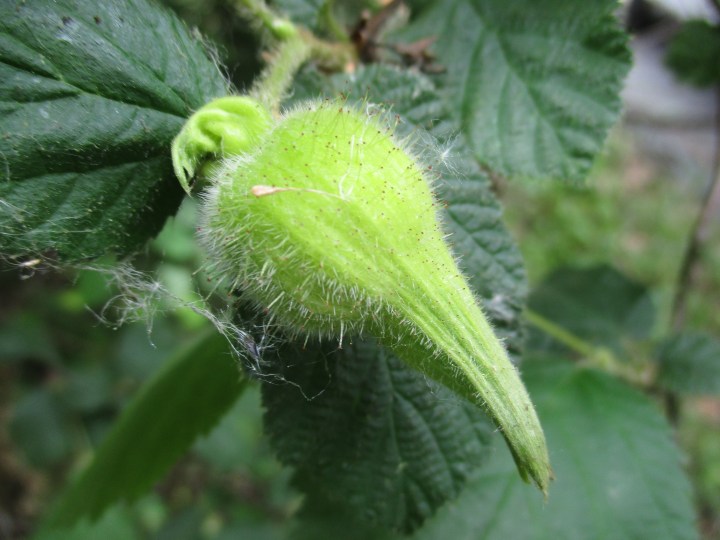 Not just any nuts, but precisely the sort that I recently discussed with a colleague, as I explained how they do not grow here. The nuts that is. The big thicket forming shrubs that are supposed to produce them not only grow here, but are a relatively common native. I just rarely see even a single nut on them. I sort of wondered how they mange to procreate with such rare seeds that invariably get taken by unconcerned rodents or birds.
 It is no more in season now than the other stone fruits like apricot, cherry, plum and such, but this is the time of year that almond, Prunus dulcis, needs work. Established trees get pruned while bare and dormant. New trees, preferably bare root, get planted. The most popular modern cultivars available are self pollinating, and labeled as such. Old traditional cultivars require pollinators.
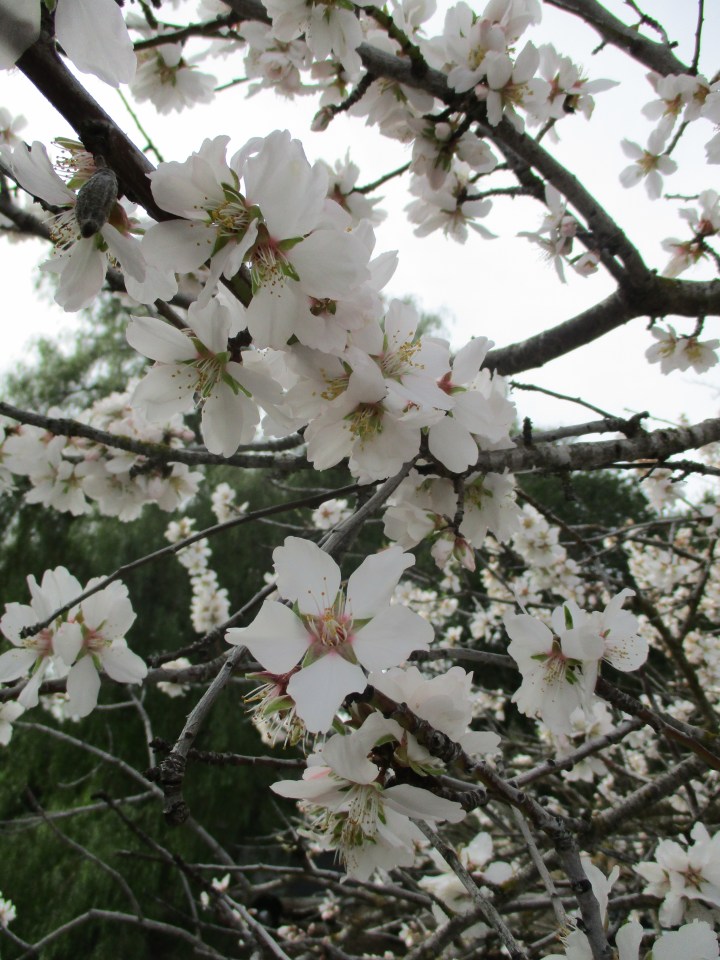 It is known more as a small to mid-sized shade tree that produces edible nuts, but almond, Prunus dulcis, also blooms magnificently as soon as the weather allows. Actually, it often blooms a bit earlier than it should. Nut production can be ruined if rain dislodges blossoms or developing nuts. The profuse white flowers are small but slightly larger than those of other related stone fruit trees.
 Does anyone else think that it is odd that Baby Jesus got only some frankincense, myrrh and gold for His first Christmas? I mean, it was the first Christmas ever, and that was the best that anyone could do? Well, maybe those gifts were something important back then. Maybe it was a good heap of gold. It just seems to me that three ‘wise’ men could have procured better gifts. More than two thousand years later, some of us are disappointed if we do not get a new Lexus on Jesus’ birthday, after He got only frankincense, myrrh and gold. (Get your own birthday!)