
It is difficult to document the lineages of the countless modern garden varieties that have been hybridized from ten species of Canna. Straight species that are popularly grown within their native ranges are rare here. Some species are grown for their thick edible rhizomes. Many are grown for edible foliage. Some are employed to absorb toxins from contaminated riparian environments.
Garden varieties that are popular here are grown merely for their aesthetic appeal. The lushly big leaves are typically rich green, but might be bronzed, dark purplish bronze, or striped with yellow, bronze, creamy white or peachy pink. Large varieties get taller than eight feet. Compact types stay less than three feet tall. All foliage dies to the ground after frost, and grows back fast in spring.
The flashiest parts of canna flowers are actually very specialized stamens known as staminodes, which mostly obscure the very subdued petals and sepals. Red, orange, yellow, pink, salmon or very pale yellowish white bloom may be spotted or blotched. Flowers might be thin and wispy, or rather floppy and lush. Canna are popularly known as canna lilies, but are not at all related to lilies.


 It is unfortunate that most florists’ cyclamen, Cyclamen persicum, are enjoyed as cool season annuals only through winter, and then discarded as they are replaced by spring annuals. They can actually survive as perennials for several years, with white, red, pink or magenta flowers hovering above their marbled rubbery foliage each winter. Foliage typically stay less than six inches deep.
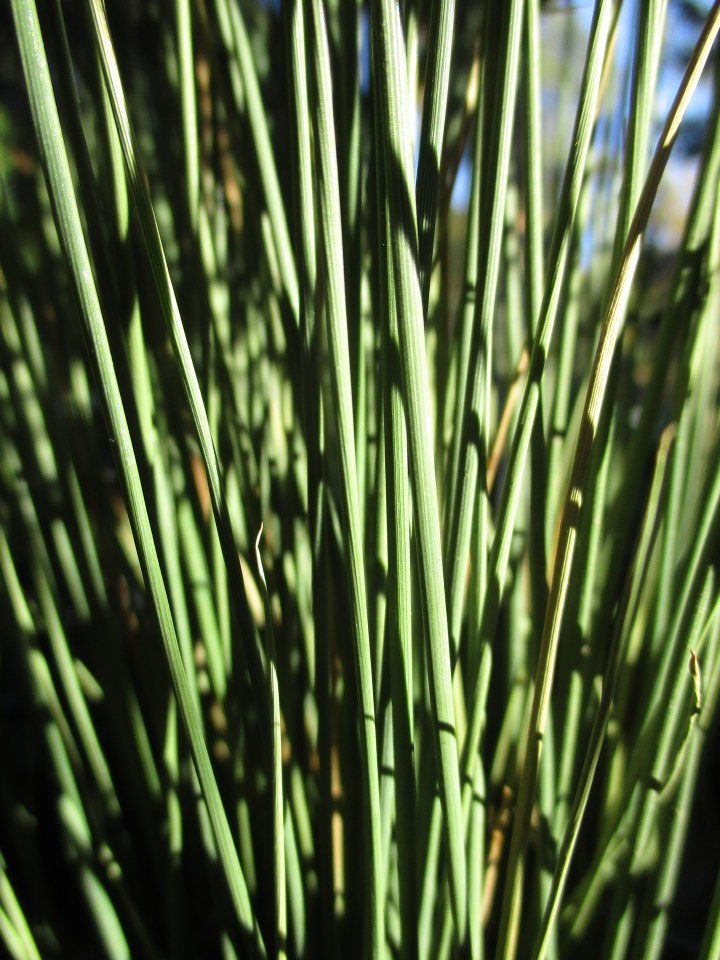 Not to be confused with the Canadian rock band from the 1970s, this rush, Juncus patens, is native to riparian areas between western Washington and San Diego County. It is also known as the common rush because it is, obviously, the most common species of the genus on the West Coast. It is only occasionally planted intentionally, but more often sneaks into well irrigated landscapes.
 Autumn is a time for planting partly because it is when many plants are beginning their winter dormancy. They are, or will soon be, less active than they would be at any other time of year. Some may not start to grow again until after winter ends. Others will want to secretly disperse their roots through the rainy winter weather, while merely appearing to be dormant from above the soil level.
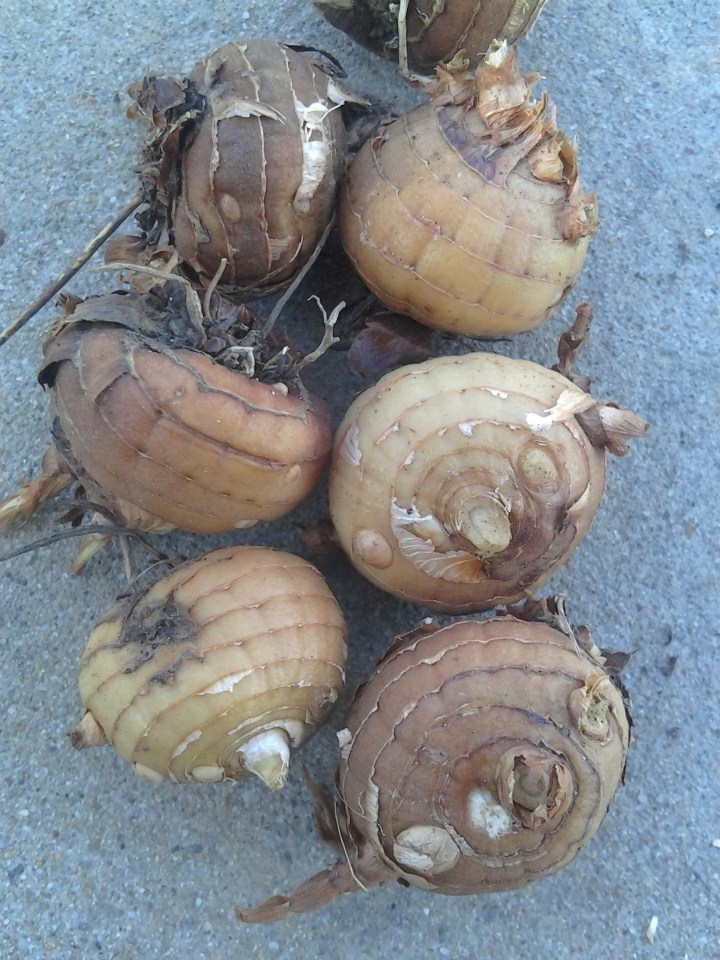 It may seem to be too early to be concerned with narcissus, daffodil and grape hyacinth, but this is when their bulbs go into the garden. Once established, these familiar examples, as well as early bearded iris, can be the most reliable for colorful bloom at about the same time early each spring. Crocus and freesia bloom just as early, but may not naturalize as reliably. Lily, tulip, hyacinth, anemone and ranunculus really prefer cooler winters to bloom reliably after their first spring, even though they are worth growing for just one season.
 Tony Tomeo