Heather just became a bit less mysterious. We now know why she came here to work as a mouser, and protect fruits and vegetables from rodents. A neighbor, prior to relocation to Hawaii, left her and a few other kitties with another neighbor who intended to find new homes for them. Another kitty who already lived at the second home was so inhospitable to her that she stayed outside most of the time, and eventually disappeared. She was assumed to have been a victim of coyotes. All but one of the relocated kitties, who happens to be Heather’s mother, were assigned to new homes. Heather’s mother and the original kitty of the household then relocated a few miles away. It is impossible to know where Heather was between leaving her previous temporary home and arriving here. She could have been here longer than anyone was aware of. Because we knew nothing about her when she arrived, she likely got more vaccines than she needed. She was already spayed, although not provided with a chip. Ultimately, she seems to be happy here, and has been very proficient with dissuading rodents. I am pleased that she is happy and decided to stay.
Gardening involves weeds. Gardening outside of refined gardens involves more weeds. A few of such weeds are native species which grow where they are undesirable. Most of the most aggressive are naturalized exotic species. Collectively, they are an unpleasant consequence of unmanageable external biodiversity. They necessitate weed abatement.
Weed abatement is a standard procedure within refined gardens. Most know it simply as weeding. Ideally, it is harmless to desirable vegetation. It may be a relatively simple task where desirable vegetation excludes weeds. Also, weeds are less abundant where they lack sources of seed to regenerate. Timely weeding should eliminate much of their seed.
Unfortunately, no garden is isolated from external influences. Weed seed sneaks in from uncultivated spaces, adjacent gardens or beyond. Suburban and rural gardens might be close to wildlands or forests. Many of such weed seed sources are beyond the control of their victims. Some are merely easy to ignore because they are out of view or not in use.
For some unused or unseen areas, weed whacking can be more practical than weeding. It entails cutting undesirable vegetation almost to grade with a motorized weed whacker. Manual weed whackers, although rare, are not extinct. Weed whackers are not selective. They can sever desirable annuals or perennials that mingle with undesirable vegetation.
The primary advantage of weed whacking is that it is fast and efficient. With good timing, it eliminates bloom or developing seed prior to dispersion of seed. Diminishment of seed inhibits subsequent proliferation, and is much safer for pets. Foxtail seed are notoriously hazardous. Besides, overgrown weed vegetation becomes a fire hazard as it desiccates.
Viable basal stems and roots that remain after weed whacking are not much of an asset. Many types of perennial and biennial weeds regenerate from such growth. However, to a very minor degree, such vegetation may contribute to healthy biodiversity. It may sustain some beneficial insects and soil microorganisms. Also, it can inhibit surface soil erosion.
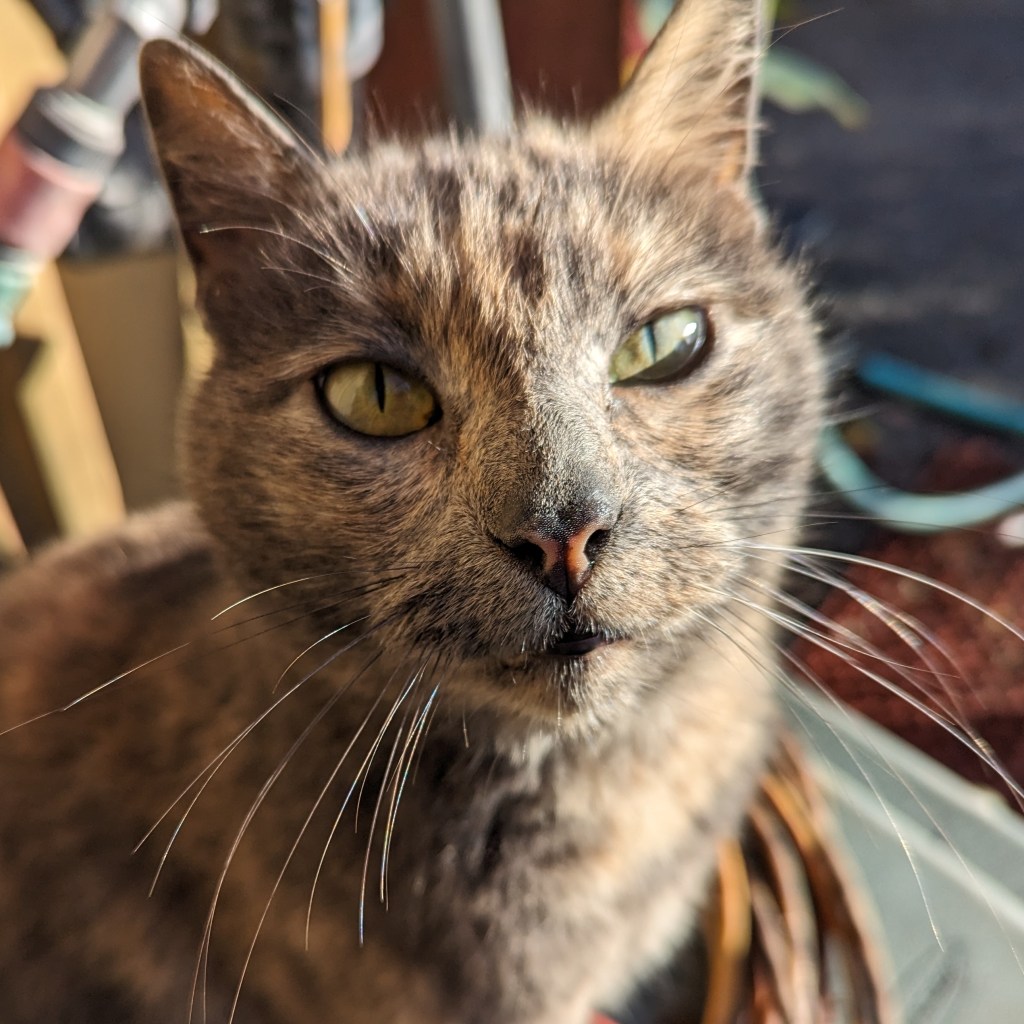
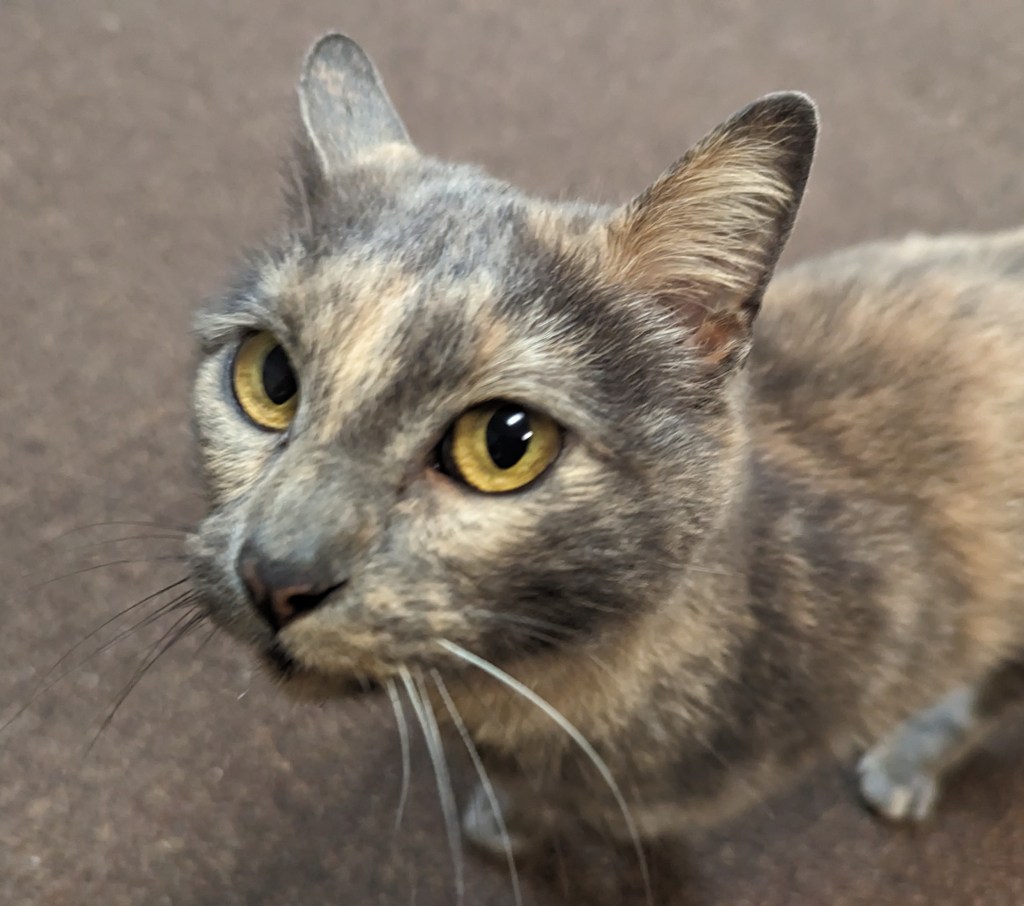
Heather is not related to Calluna vulgaris. She is feline, since she is a kitty, who is employed here as the only mouser within the maintenance shops. We did not hire her as such. She merely assumed the job. At the time, after Darla retired, we were in desperate need of a mouser. We do not know where Heather came from, and she can not tell us. She seems pleased to remain employed here. We are pleased to be without rodents.
Her technique is as mysterious as her origin. No one knows how she prevents rodent infestation. She does not seem to catch any. Instead, she seems to passively repel them, as if rodents vacated and will not return because of here presence. Skunks, opossums and raccoons are also notably absent since her arrival, and the raccoons were vicious.
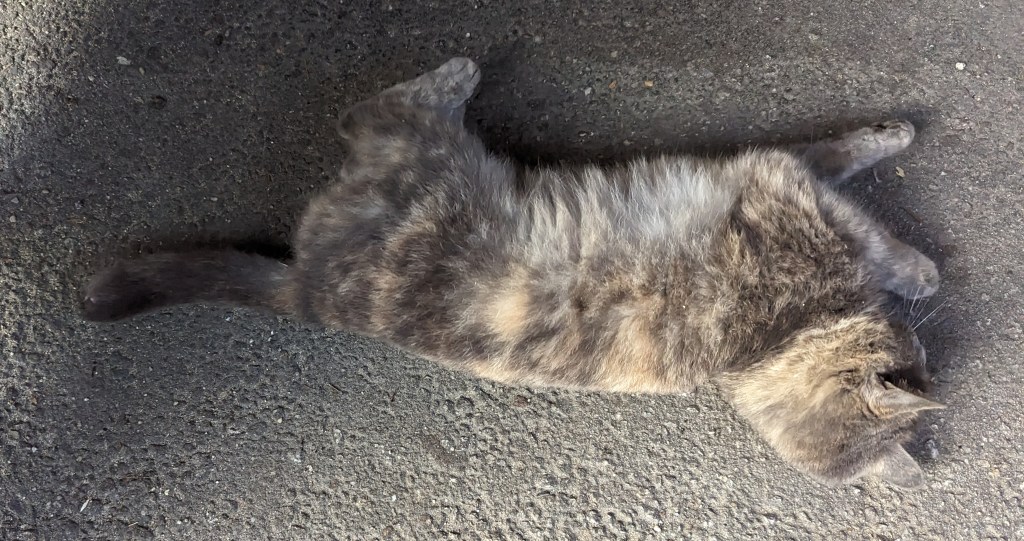
Heather temporarily lived within the nursery when she first arrived and decided to stay. Shortly afterward, and after being named, she decided that she preferred the automotive shop across the road. If she had settled there originally, she might have gotten a lame name, such as Lexus, Tesla or Mercedes. Now, she is quite established here, and lives in a luxurious penthouse in the automotive shop mezzanine above the locksmith shop. She does not seem to venture away from the safety of the shop buildings or the surrounding fenced yard. She has several friends here, including Rhody.
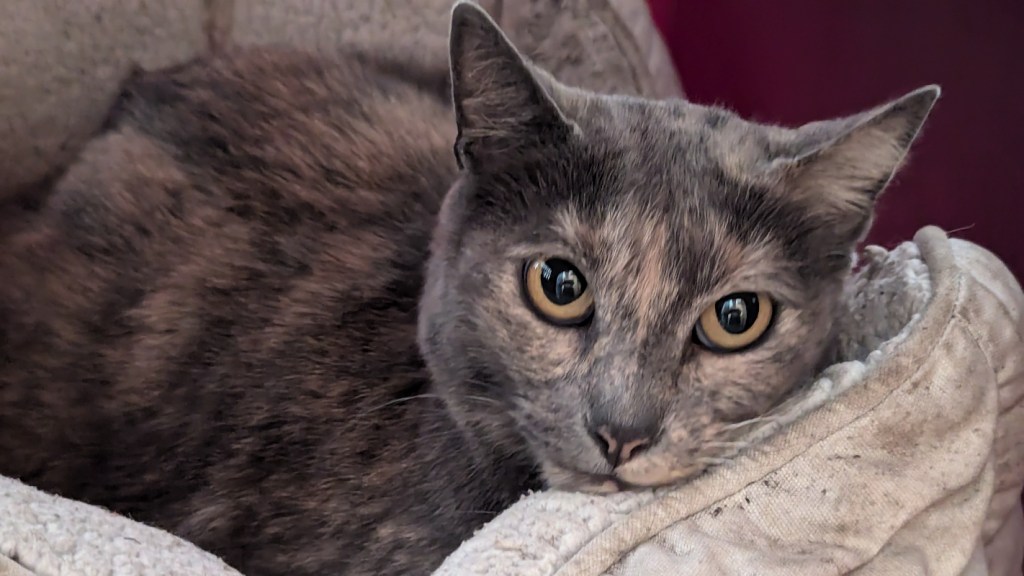
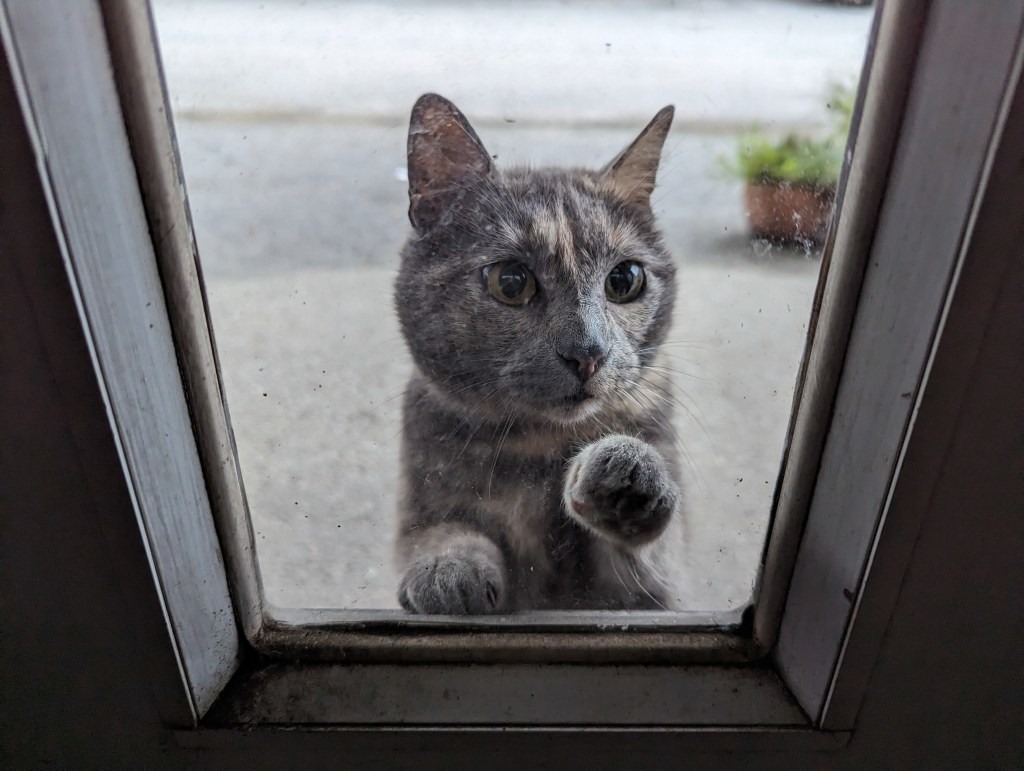
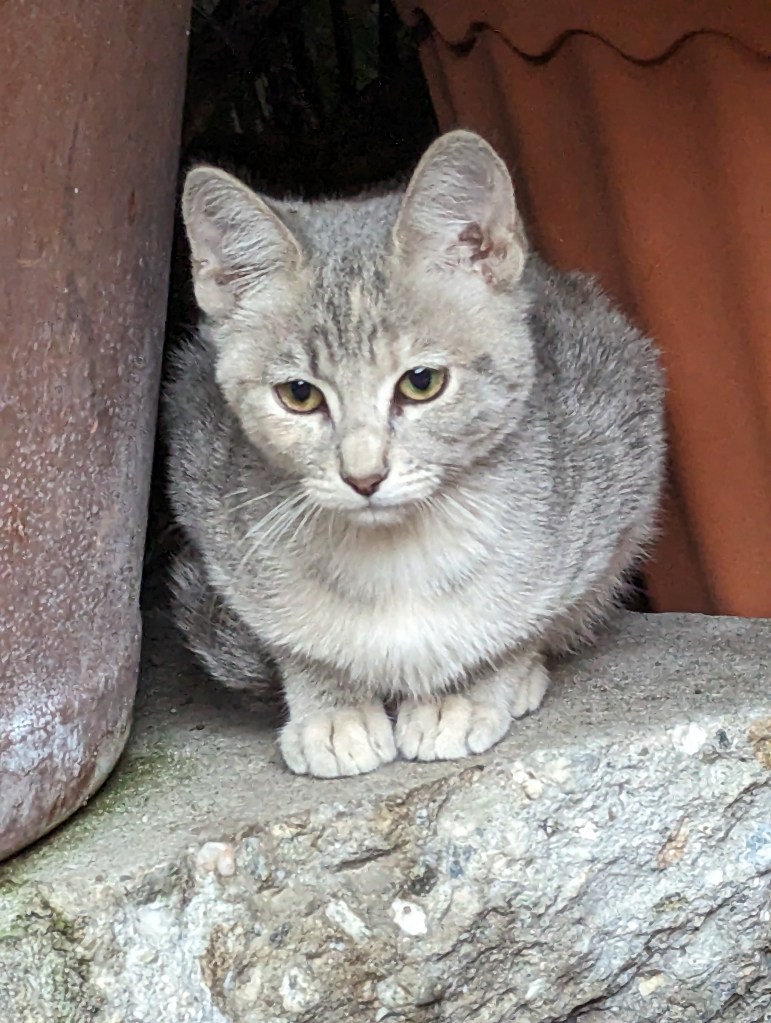
Fortunately, Heather does not seem to need anything more than she can figure out on her own. I know nothing about providing for a kitty. She does not seem to mind at all. Actually, she seems quite happy here, and purrs when petted. She seems to enjoy looking cute for those whom she meets for the first time, and for pictures such as this.
Heather is the new rodent mitigation specialist. She has been here for quite a while. We have been unable to determine where she originated from. Unless or until we do, she can stay here to dissuade rodent incursion. She has been remarkably effective with her expertise. None of the formerly bothersome rodents have been observed since her arrival. The seedlings and small perennials that the rodents had been eating previously have incurred no subsequent damage.
This will take some getting accustomed to. I am not particularly familiar with kitties. I give her a can of food in the evening, with dry food available at other times. She has a sheltered bunk out in the nursery, but might want to come into the foyer when the weather gets frosty or rainy. If so, I may put a warming pad for kitties under her bunk, since it will be close to an electrical outlet. She does not seem to be too demanding yet, but I have no idea how kitties operate. She could get demanding later, and because she is a kitty, I can not argue with her.
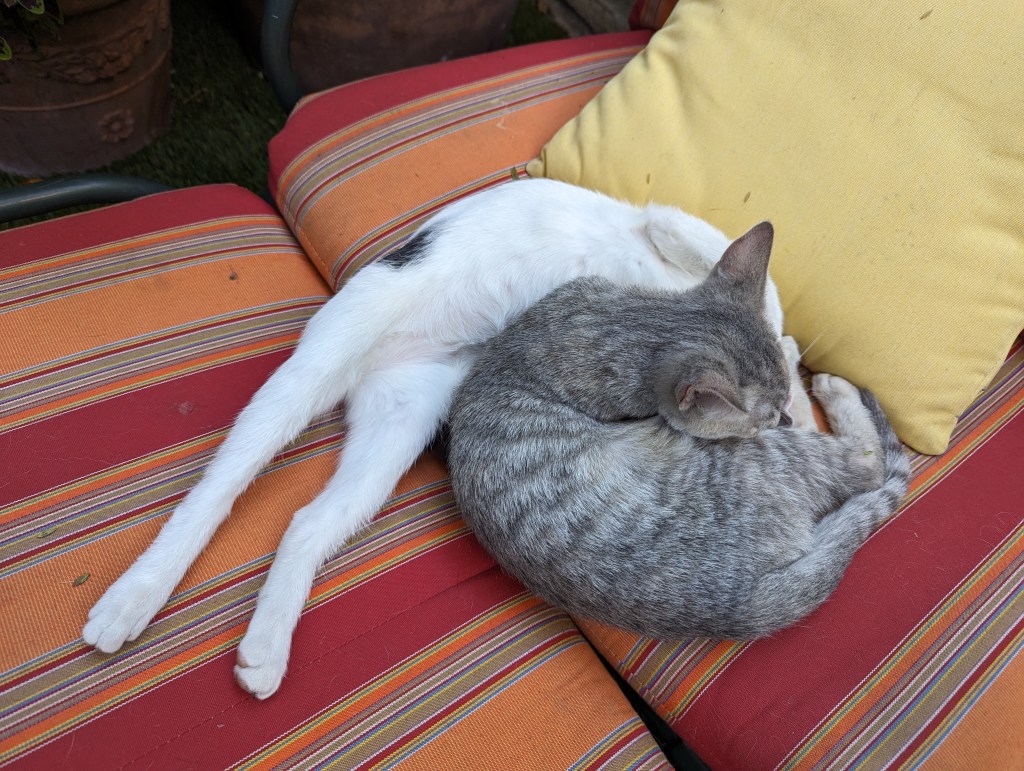
She does not have much to say though. She meows when hungry. When petted, she makes that weirdly distinctive purring sound that kitties make, but mysteriously, without actually speaking. She was quite fond of Rhody before people could get close to her, and seemed to enjoy how he chewed her head, but now that people regularly pet her, she avoids Rhody, and actually hisses at him if he wants to chew her head. She could not tell us what her name is, so, after some minor deliberation, we named her Heather.
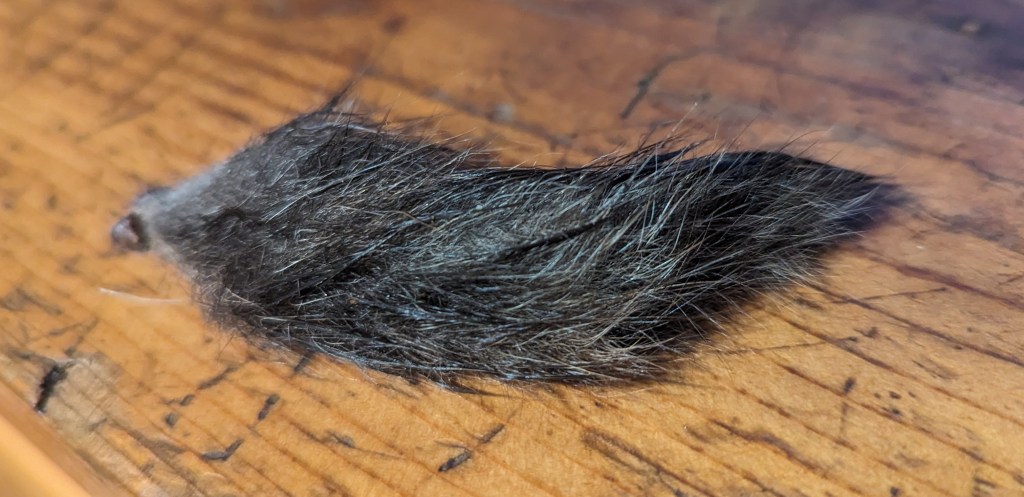
Notice her tail.
We do not know exactly how long Heather has been here, but after her arrival and prior to her socialization, we noticed that the tip of her tail was kinked. As she became socialized and pettable, we noticed that the tip of her tail beyond the kink seemed to be necrotic, and felt like an old fashioned rabbit’s foot keychain. A few days later, the kinked tip was no longer a concern.
The New Mouser seems content to stay with us here. Actually, she seems to be a bit too content. She has been coming inside, where some on staff do not want her to be. Darla, her predecessor, was never so presumptuous.
Now that she is so comfortable with people, I can get here into a kitty transportation device and take her to a veterinary clinic to determine if she has a chip, and to get her inspected. If necessary, and if she stays here, we may need to get her spayed. (We only assumed her gender according to her color pattern. She may need to be neutered.) I suspect that she was dumped here while young and before getting spayed.
If she stays here, she should get a name. The crew has not agreed on one yet, and several options remain. ‘Snickers’ seems to be the favorite option, although I dislike it. I prefer ‘Holly’. ‘Heather’ is not bad, and seems to suit her better. These are some others that I considered, only to determine that I am not so totally keen on them:
Rhoda – This confuses Rhody.
Erica – This is short for Ericaceae, which is the family of Rhododendron. It is not so bad.
Azalea – This is another type of Rhododendron. I dislike it for this particular kitty.
Lyona – This is short for Lyonothamnus floribundus ‘Asplenifolius’. I am unimpressed.
Leona – This is short for Leonotis leonurus. I am still unimpressed.
Typha – This is Latin for cattail, but sounds like punctuation or a fever.
Myrtle – This is a ‘no’.
Lily – This is for a white kitty.
Rose – This is for a prettier kitty
Daisy – This is for some other kitty that is not this one.
Violet – No.
Flower – No.
Blossom – No.
Aster – Jasmine – Ivy – Poppy — No – No – No and No.
Kitties are very proficient with mind control techniques.
Rodents have become a problem at home without Darla the mouser kitty. I do not know if Darla actually caught many rodents, or merely deterred them from inhabiting her territory. It is irrelevant. The absence of rodents was more important. Now that she has gone to live a domestic lifestyle in Santa Clara, rodents of various types are damaging some of the vegetation within the nursery, particularly young perennials.
A pair of feral kitties are supposed to be relocating to our facility. They do not need to stay within the main building, although they will have adjacent shelter. I do not care how they intend to eliminate rodents and prevent them from returning. I only care that they do so. If they are half as effective as Darla was, I will be pleased.
Brent, my colleague down south, recently procured three little kittens, supposedly to work as mousers like Darla did. They seem to be too friendly and playful though. I can not imagine them catching rodents. They certainly do not seem like the sort of kitties who rodents would fear. They are too playful and too nice.
If rodents avoid situations that are occupied by kitties, then any kitty could be effective. If rodents must be exterminated, then more diligent mousers would be necessary. I have no idea how instinctive mousing is for kitties. I suspect that it is different for each kitty, which is why some are better mousers than others.
At least these three little kittens are delightful. I mean, who would not appreciate such cute kitties in the garden? I regularly remind them that I am none too keen on kitties, but like all other kitties whom I have ever met, they do not care. They know how to get me to do whatever they demand.
Regardless of how weird kitties can be, they always seem to be dangerously cute.
Wednesday has been my day for ranting about aberrations of horticulture. I certainly have plenty to rant about. However, there is plenty of other ranting going on nowadays without my help. Therefore, for this Wednesday only, I will forego the ranting. Furthermore, I will forego the horticulture too. I can not remember ever doing that before. This could be something totally new for me.
After Rhody photo bombed one of my pictures that was featured on Saturday, others suggested that I feature more pictures of Rhody. Everyone loves Rhody.
Most of these pictures are devoid of vegetation. The minimal vegetation that is visible in the other pictures is mostly unrecognizable in the background. There are a few redwoods, a few firs, some English ivy and all that riparian mess around Zayante Creek behind the abandoned ball field. They are unimportant in this post.
This post is just pictures of Rhody, complete with captions that all begin with ‘Rhody’.
Rhody really has been a good sport. He has been coming to work without his crew for more than a week. Only a few of them stop by in the morning. One or two rarely come by through the day. We avoid each other.
Rhody misses them very much. He frolics on their sofa where he typically does ‘laps’ during morning staff meetings, and sometimes settles into the rocker chair that he typically avoids when no one else in it. He neglects his favorite thrasher toys, but instead drags around a dirty glove that belonged to someone of his crew. He takes it to bed, but I somehow wake up with it.
We will work in the still unvegetated vegetable garden in the morning. It is right outside, so he will be here if anyone of his crew happens to stop by.
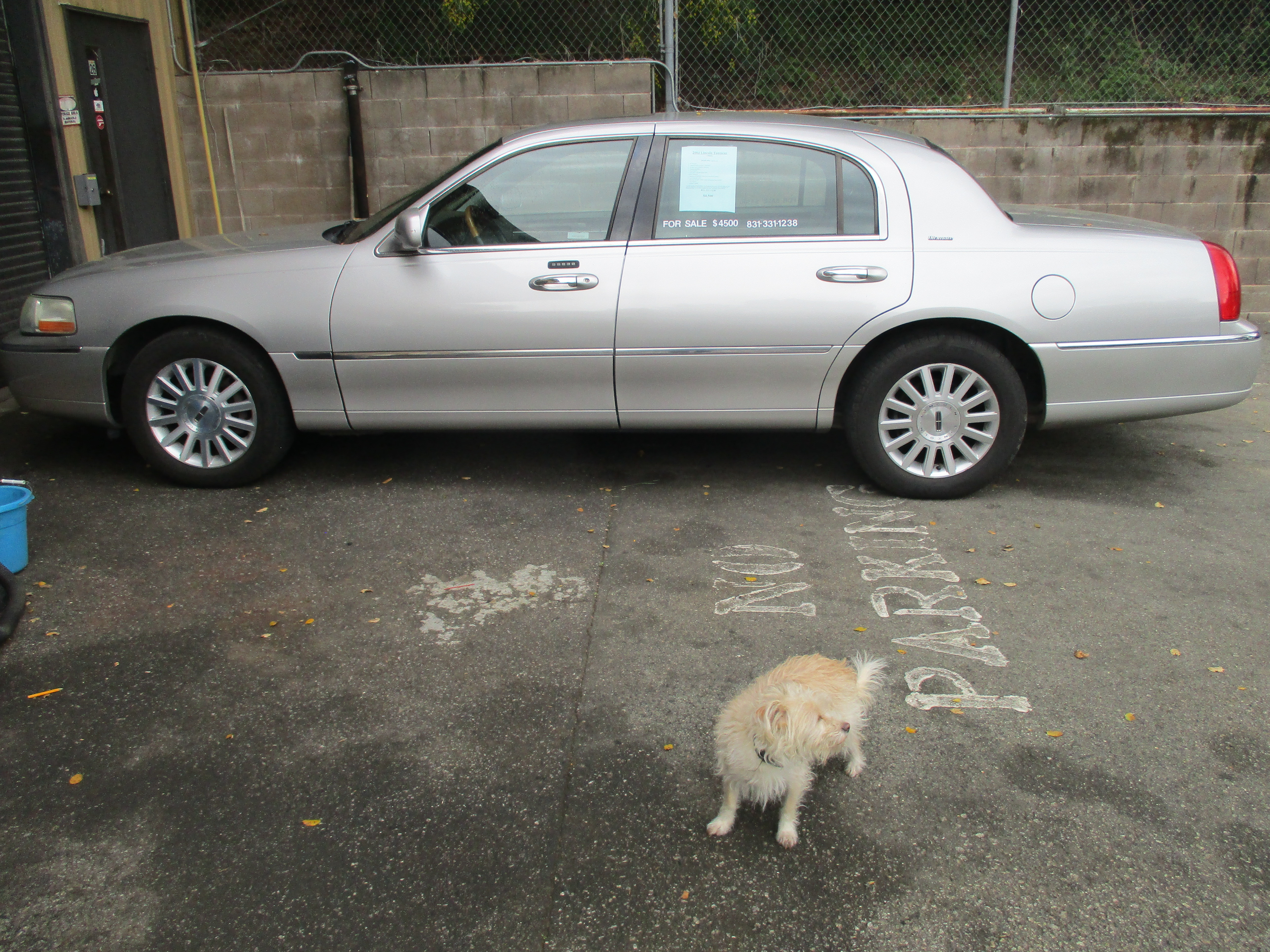
Rhody found us a new car.
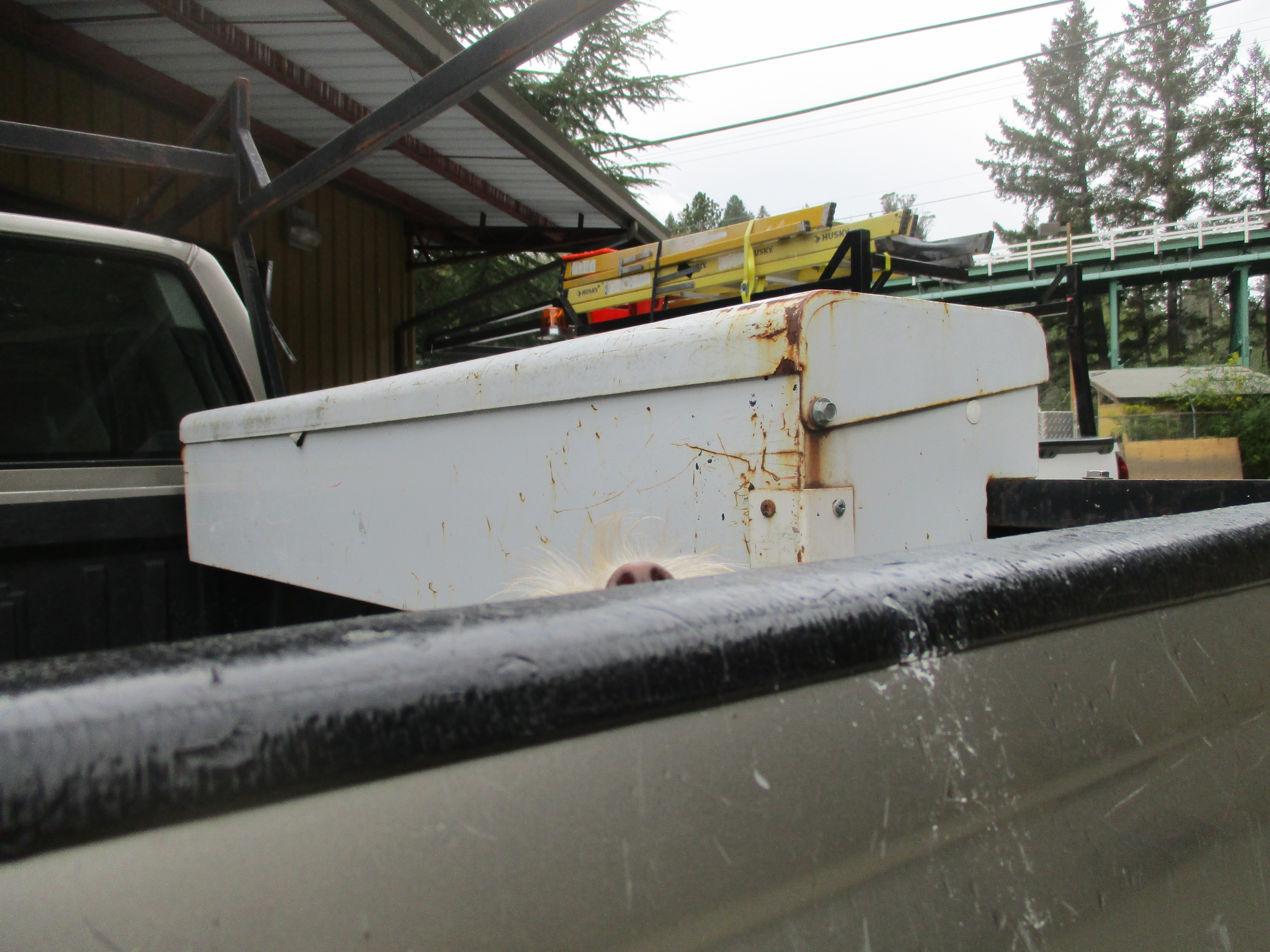
Rhody still prefers his friend’s work truck.
Rhody in camo.
Rhody found it, . . . but doesn’t know what it is.
Rhody likes the beach, . . . but can’t find the ocean. (It is a few miles away.)
Rhody gets to second base and beyond, past the outfield of the abandoned ball field.
Rhody is easily amused. I don’t get it.
Rhody is still intent on finding . . . it.
Rhody can be such a ham.
Rhody knows how cool he is.
Rhody misses his staff who can’t come to work yet.
Rhody misses them a lot!
Rhody still works hard at being cute, even though there is no one here to see it.
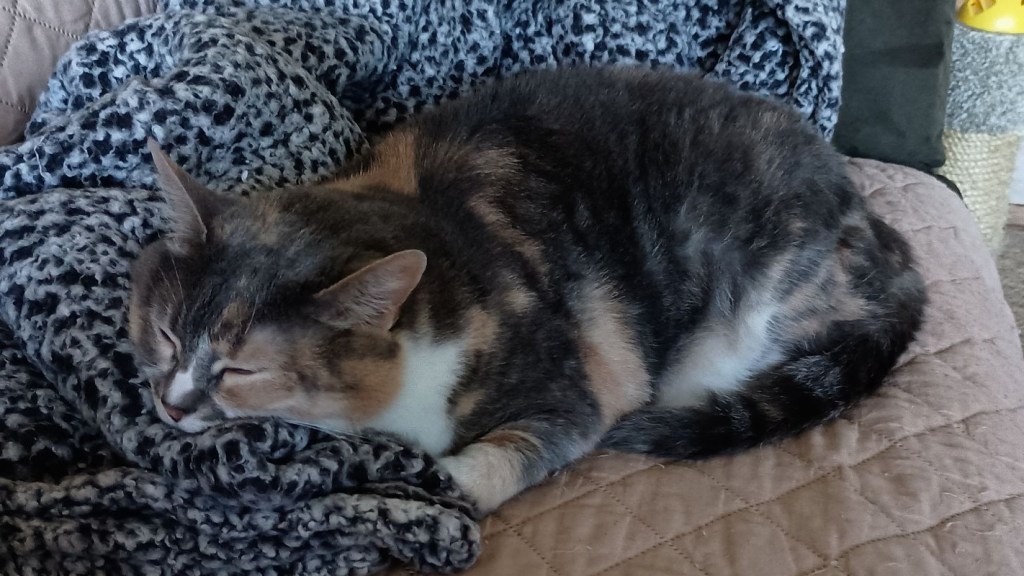
Anyone who has ever owned a cat knows that no one owns a cat. They do whatever they want to do, whenever and however they want to do it. They take orders from no one. If they decide to use a dry spot in the garden as their litterbox, or a tree trunk as their scratching post, it is impossible to dissuade them. They are so smug and arrogant. It is no wonder that so many dogs dislike them.
Cats live in our homes and gardens because we are not as sensible as so many dogs are. We succumb to their charm and devious mind control techniques because they really can be adorable when they want to be. Fortunately, most of us would agree that this sort of symbiosis is mutually beneficial. An occasional delivery of a dead rodent proves that some cats actually work for a living.
As pompous as cats are, they are surprisingly tactful about their poop. Cats that are confined to a home leave it in their litterboxes, and even bury it with kitty litter that absorbs the objectionable aroma. From there, it can be collected and disposed of by human servants. In the garden, cats seem to put considerable effort in burying it out of the way, where it is less likely to offend anyone.
However, what is out of the way to a cat might not be so conveniently situated for others. The most refined and regularly watered gardens might not leave many options for cats, who prefer dusty and dry spots. There is not much to deter cats; so the best option may be to plant and occasionally water something in problematic spots, in conjunction with providing a litterbox somewhere else.
Sneaky cats sometimes use flat or parapet roofs where there is plenty of dry gravel and perhaps other dry detritus. For most single story roofs, it is nearly impossible to obstruct access; but in rare situations, it might be as simple as pruning trees and shrubbery back farther than cats will jump. Obstruction of access to the dusty dry soil of basements and crawlspaces is easier since it usually involves relatively simple repair of vent screens, access hatches or windows.
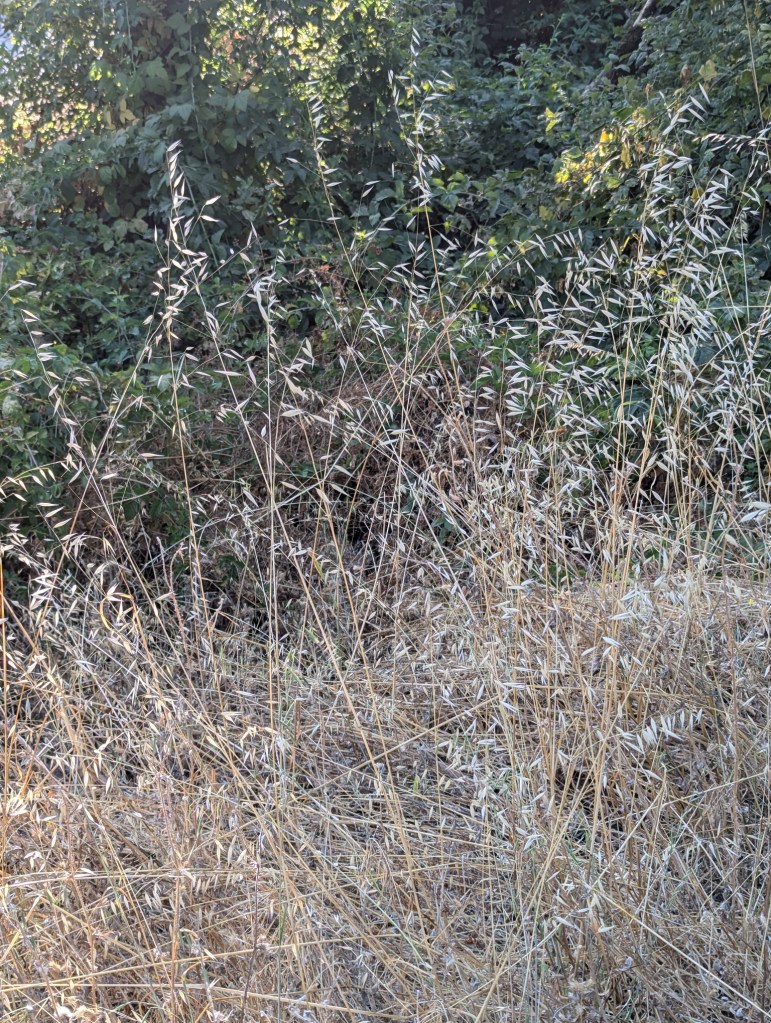
Weeds are weeds because they grow where they are not wanted. They might be desirable plants in the wild within their native ranges, or beyond their native ranges where they are useful, but for one reason or another, are undesirable in other situations. In fact, many of the most invasive exotic (non-native) weeds were imported because they were useful for something, and then escaped.
Many invasive exotic weeds that were not imported intentionally by humans likely stowed away intentionally by their own means. Some produce edible fruits that contain their seed so that animals who eat the fruit transport and disperse the seed. When animals such as cattle, swine, sheep, horses and chickens are imported, they can bring such seeds with them, and have already done so.
Not all plants have such mutually beneficial relationships with the animal vectors who transport their seed for them. Rather than expend resources on fruit to appeal to, and reward the animals who eat it, they produce seed structures that cling to animals. Most get tangled in the hair of mammals. Some get wedged into cloven hooves. A few are just sticky enough to stick to the feet of birds.
It is sneaky and exploitative, but effective. Most of these sorts of seed structures stick to the fur only for short distances before falling to the ground, where they really want to be. Some types cling for longer distances, in order to take advantages of larger migratory mammals. Dispersion is their objective. Even though they provide no benefit to their vectors, they do not intend to harm them.
However, they sometimes do. Sharply pointed seed structures that are designed to slip smoothly into fur, but not come out easily, can get into eyes, noses, ears and throats of innocent animals. Foxtails are the most dangerous, and sometimes need to be removed by a veterinarian. Burclovers get tangled in soft fur, and sometimes do so in very uncomfortable clusters.
Domestic dogs and cats are more susceptible to the dangers of weed seeds than wild animals are, because their fur is longer, shaggier, and maybe curlier.
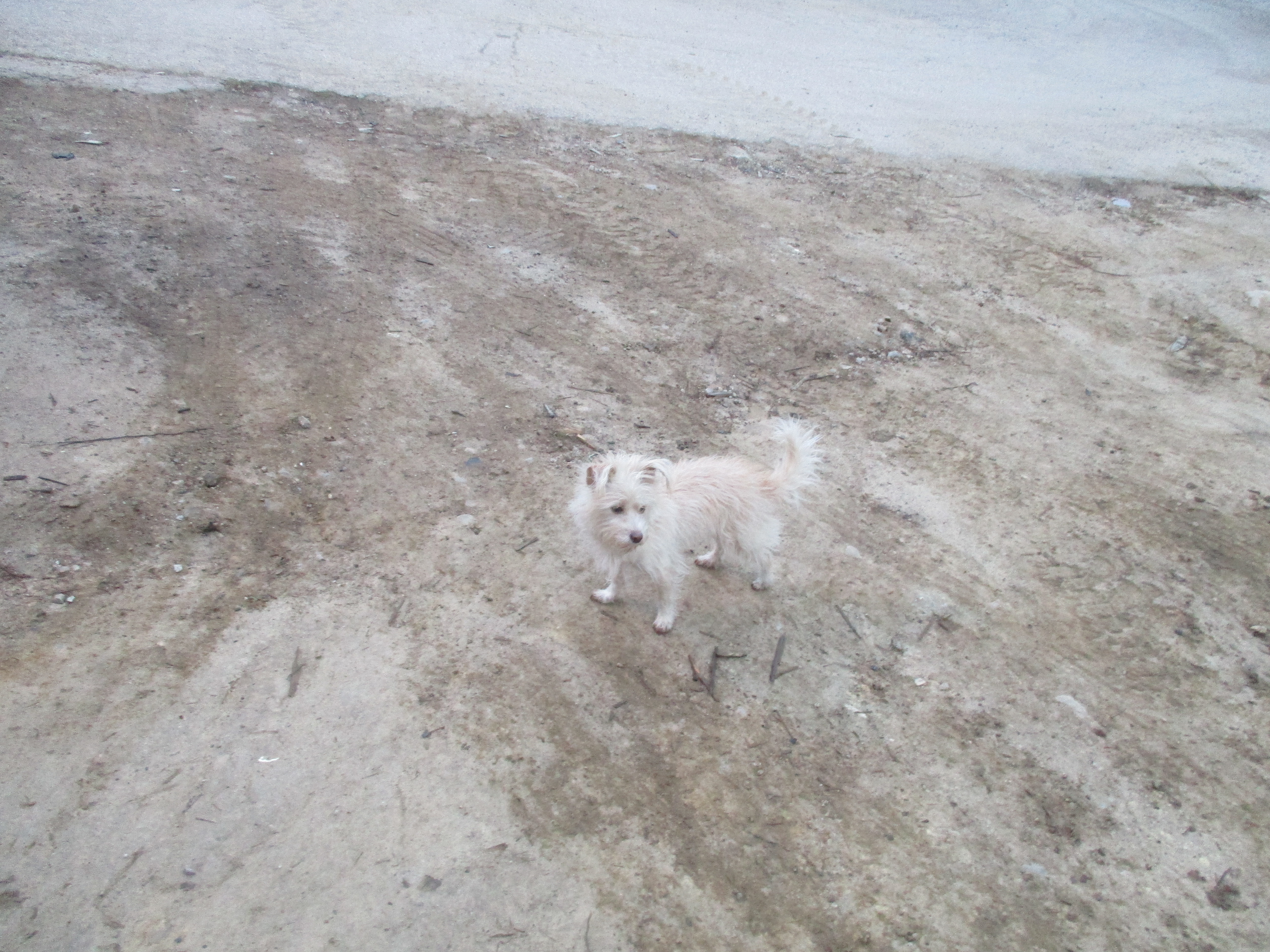
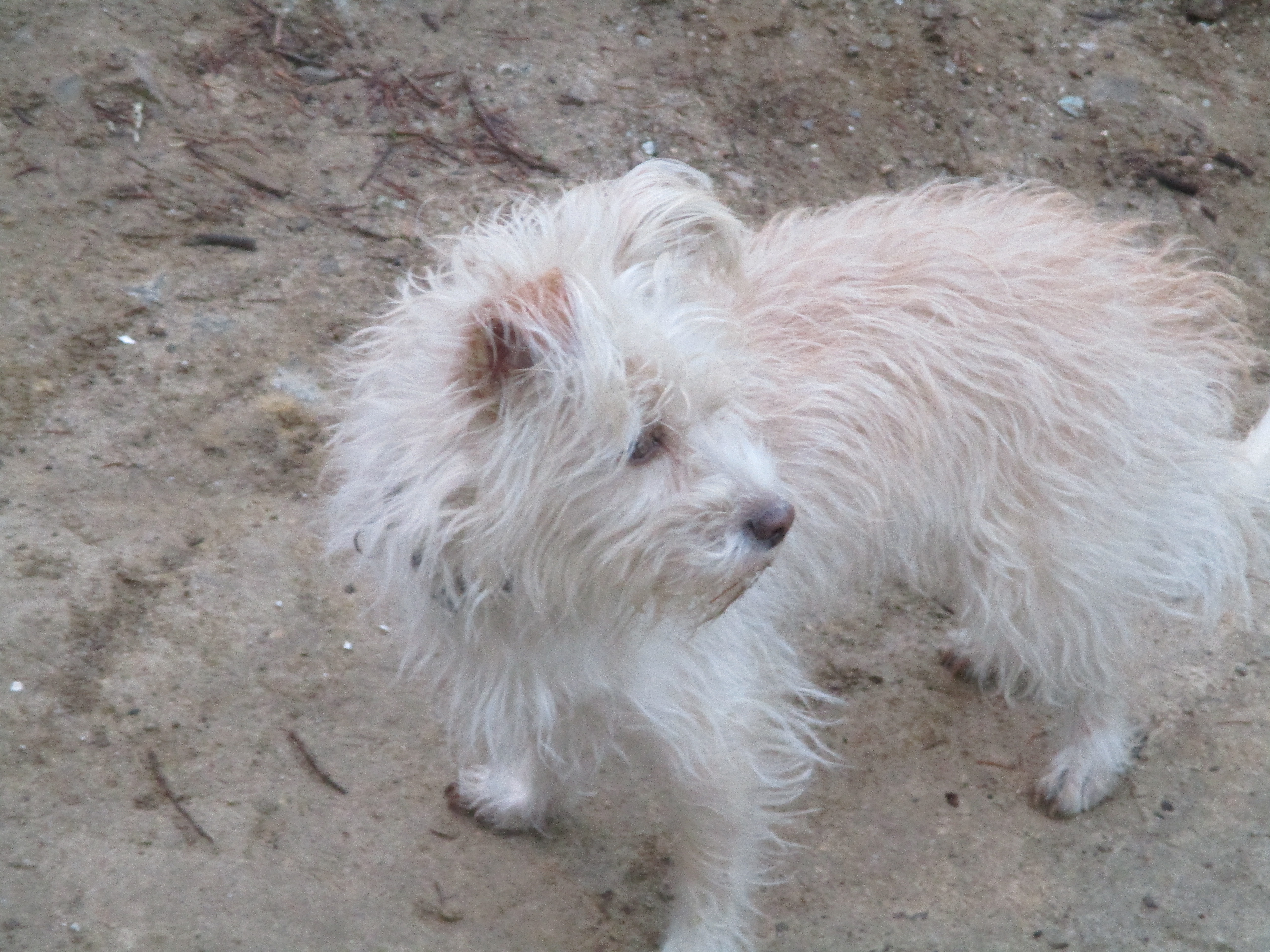
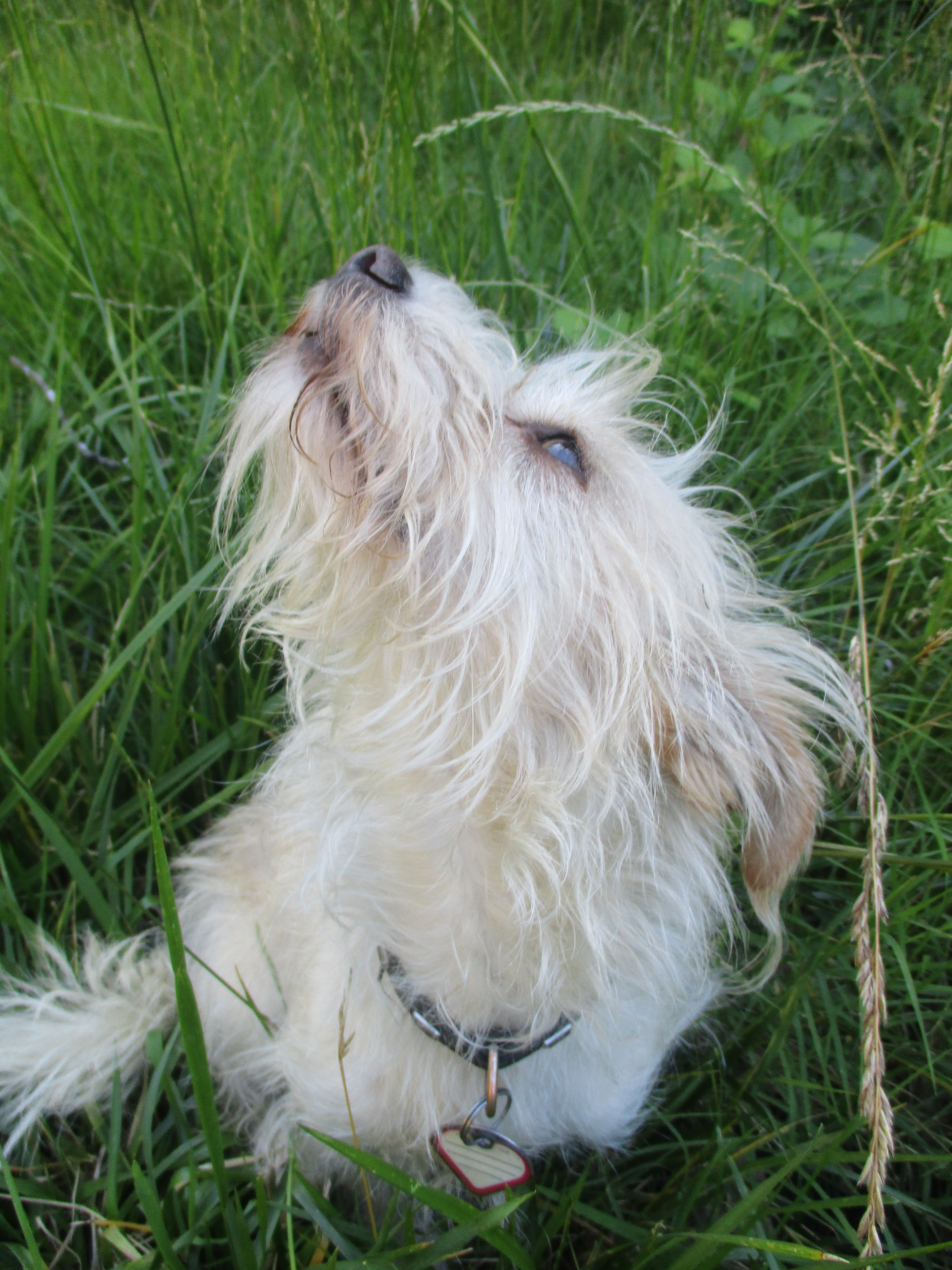
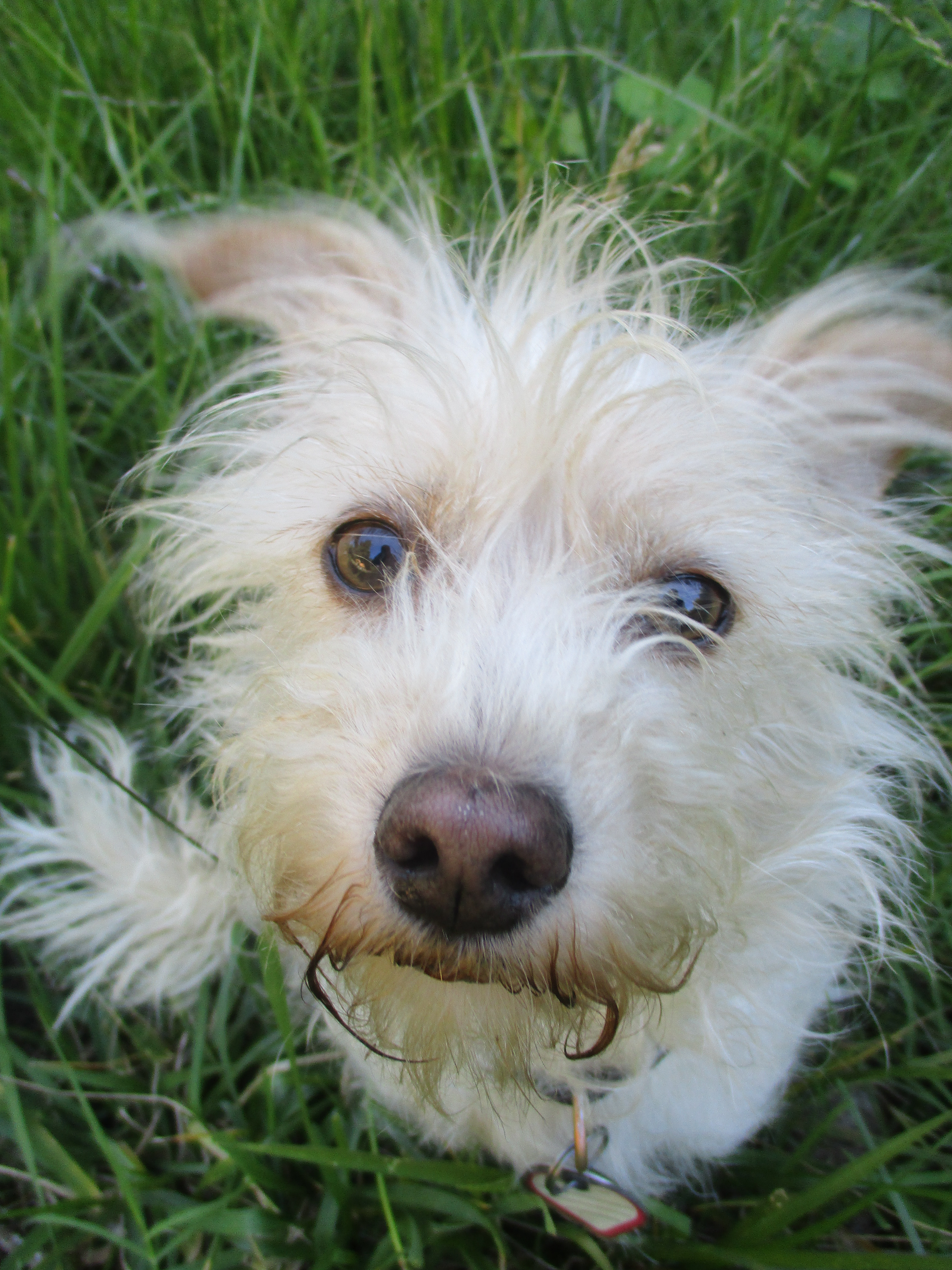
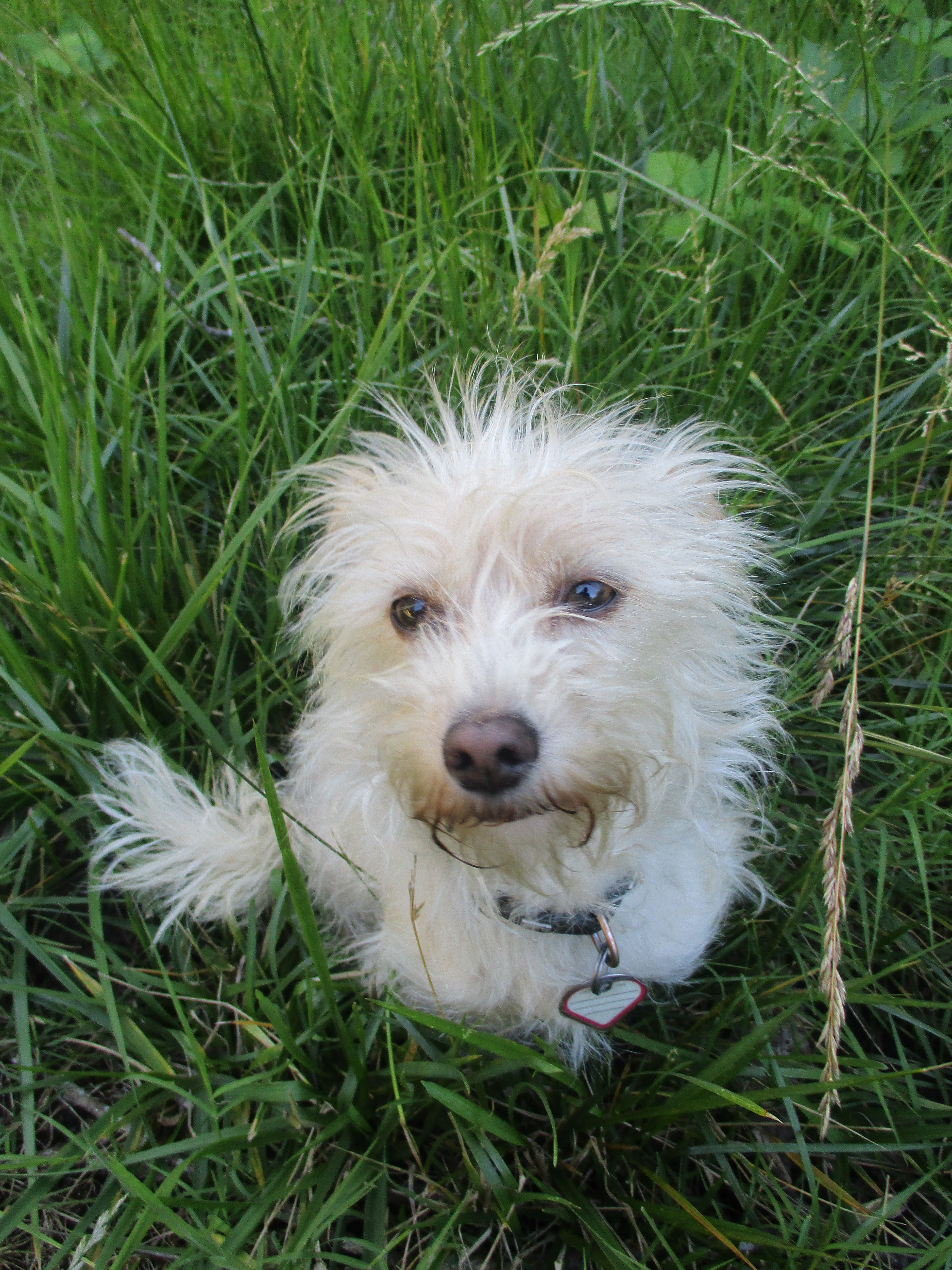
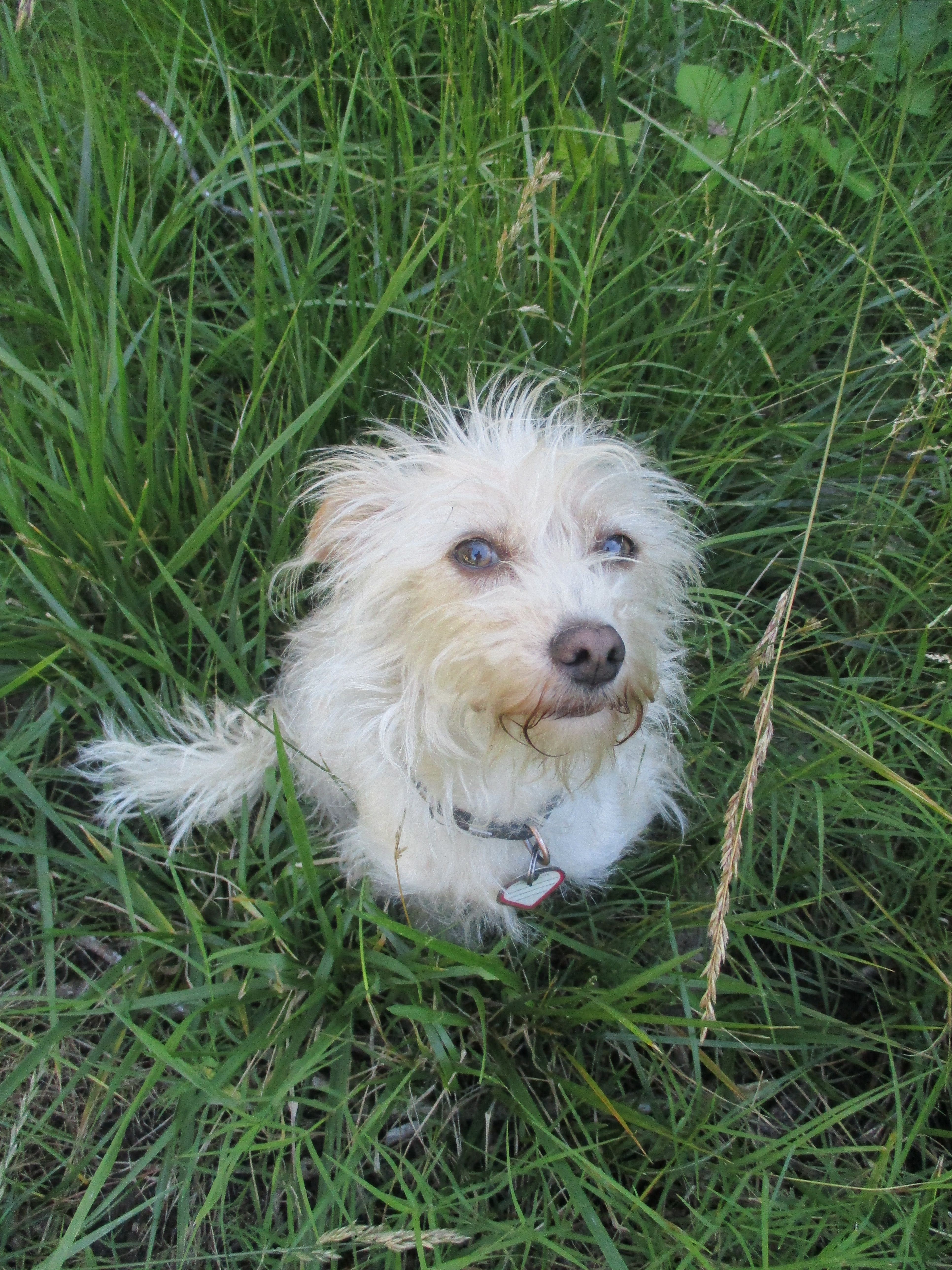
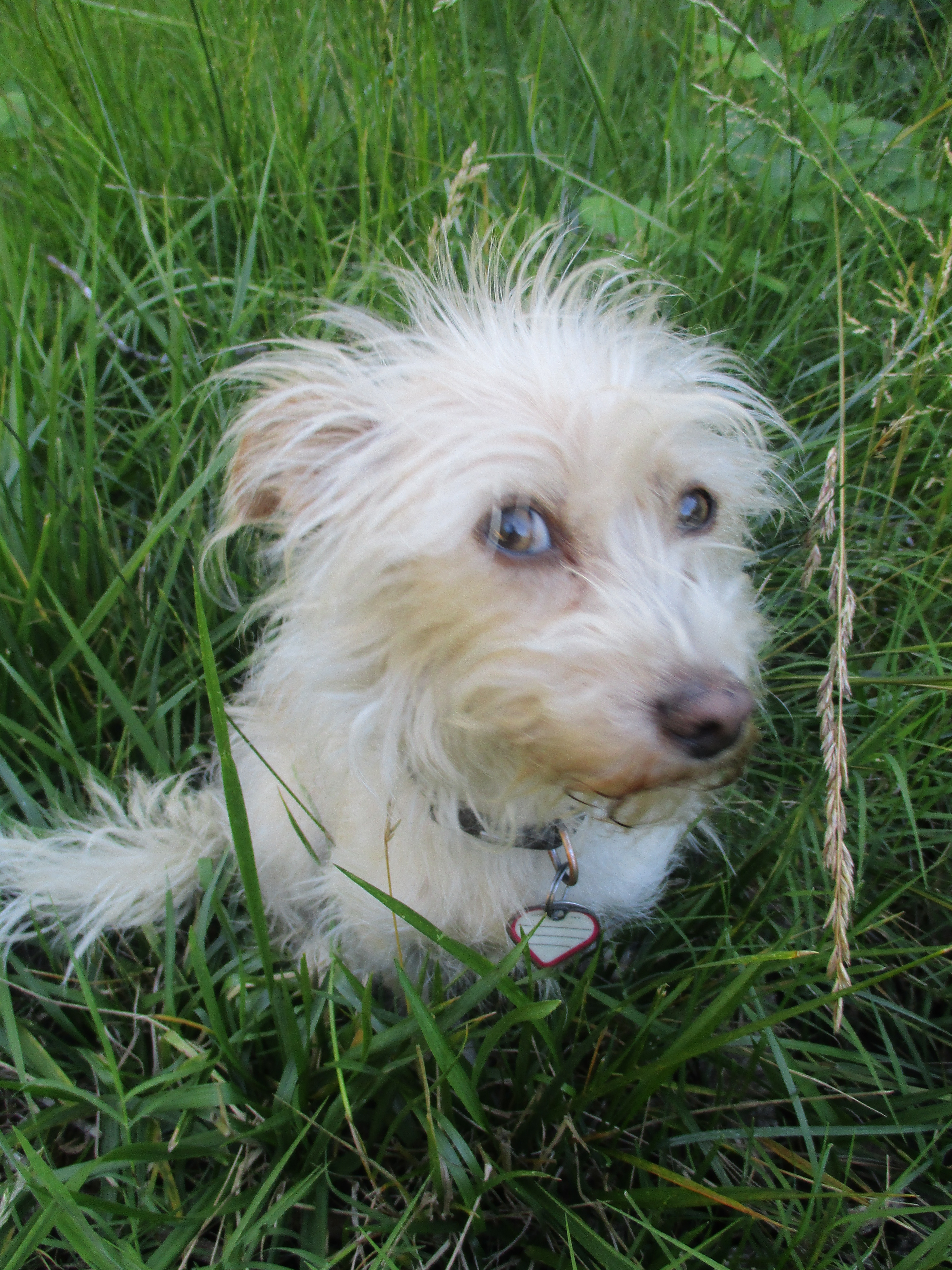
All I wanted was just one good picture of Rhody in the weeds for an illustration for the gardening column. I wrote about weed seeds, such as foxtail and burclover, that are dangerous to pets. That article will post on Monday, but can be found now at the Canyon News.
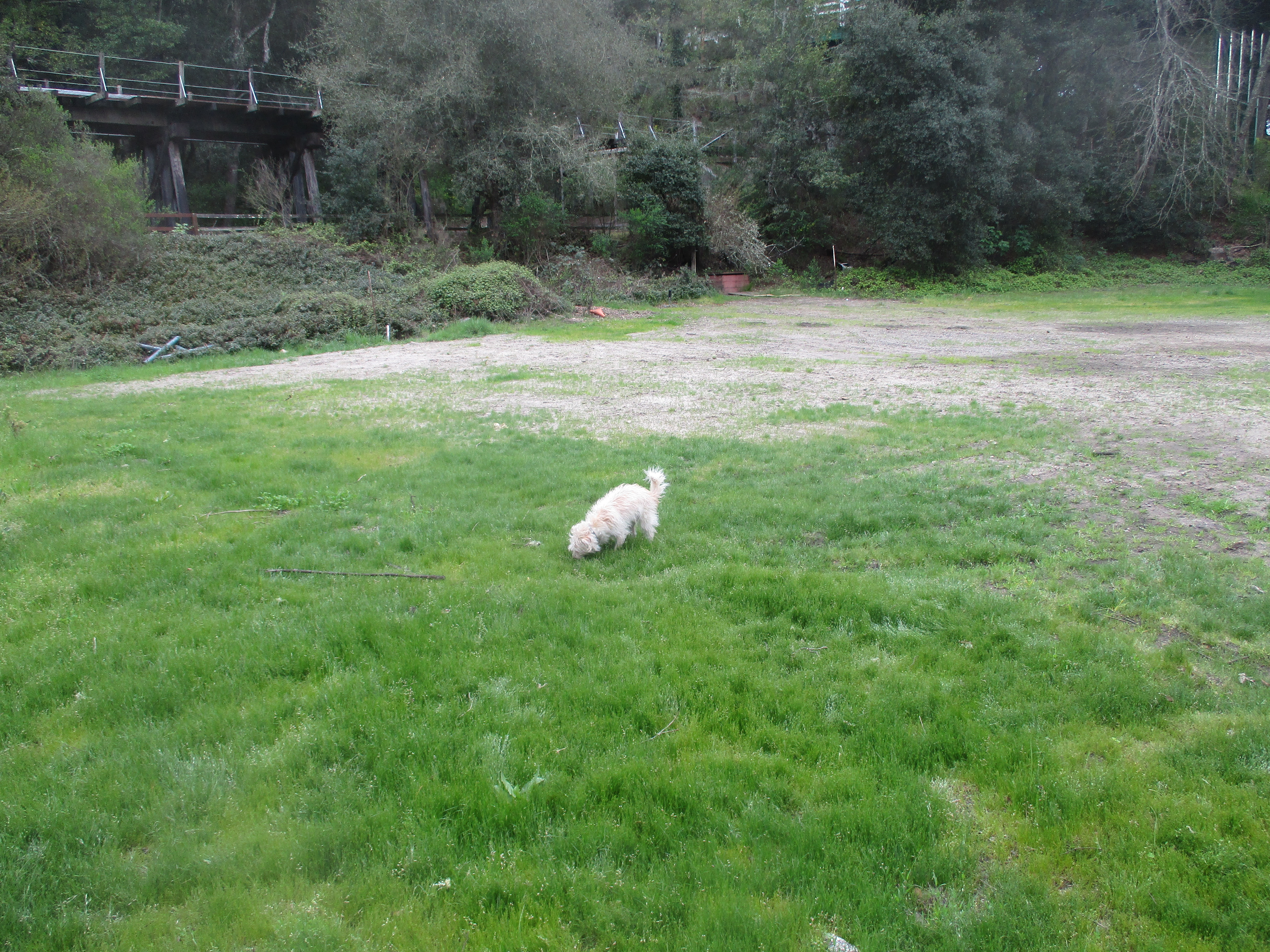
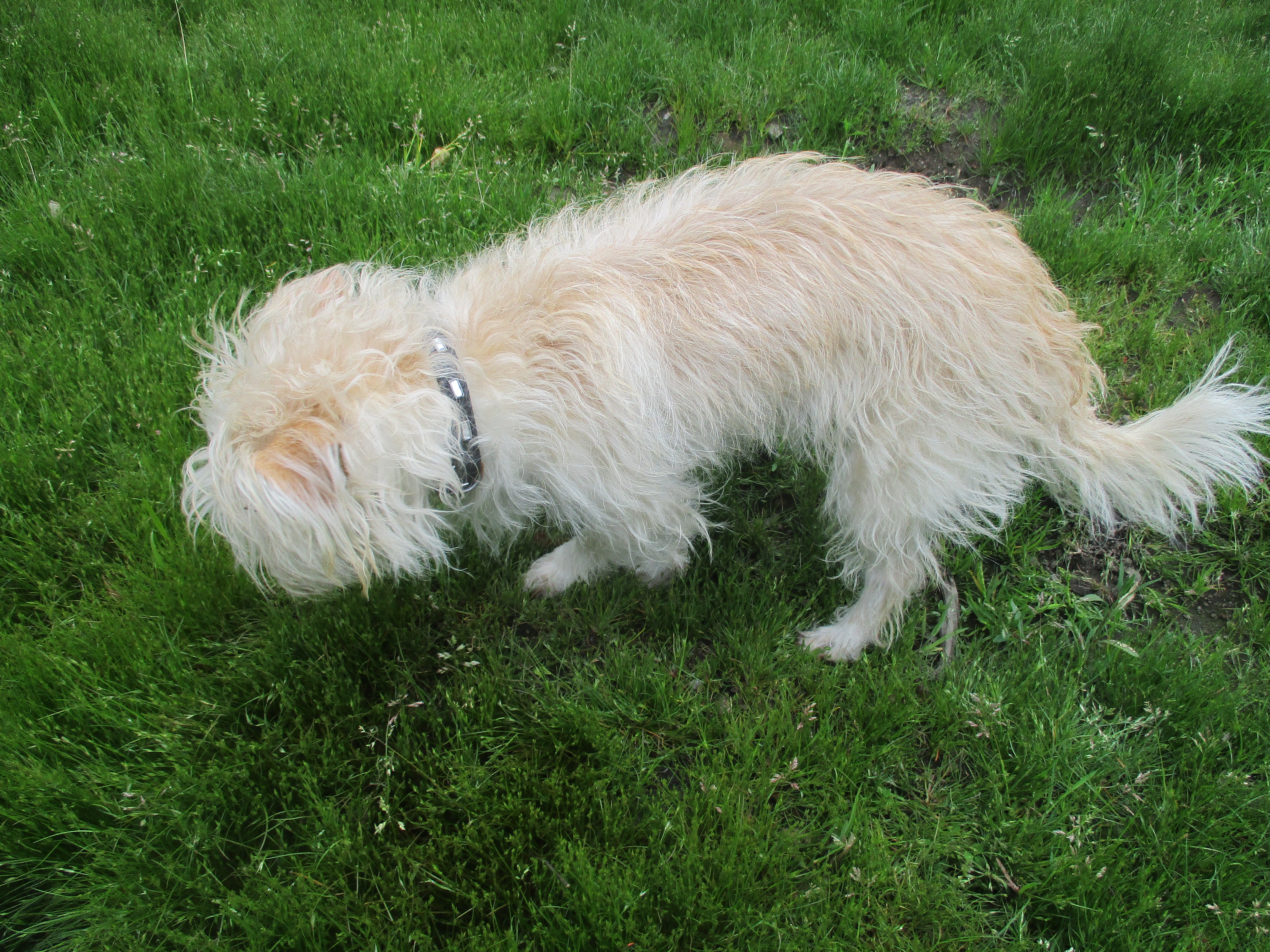
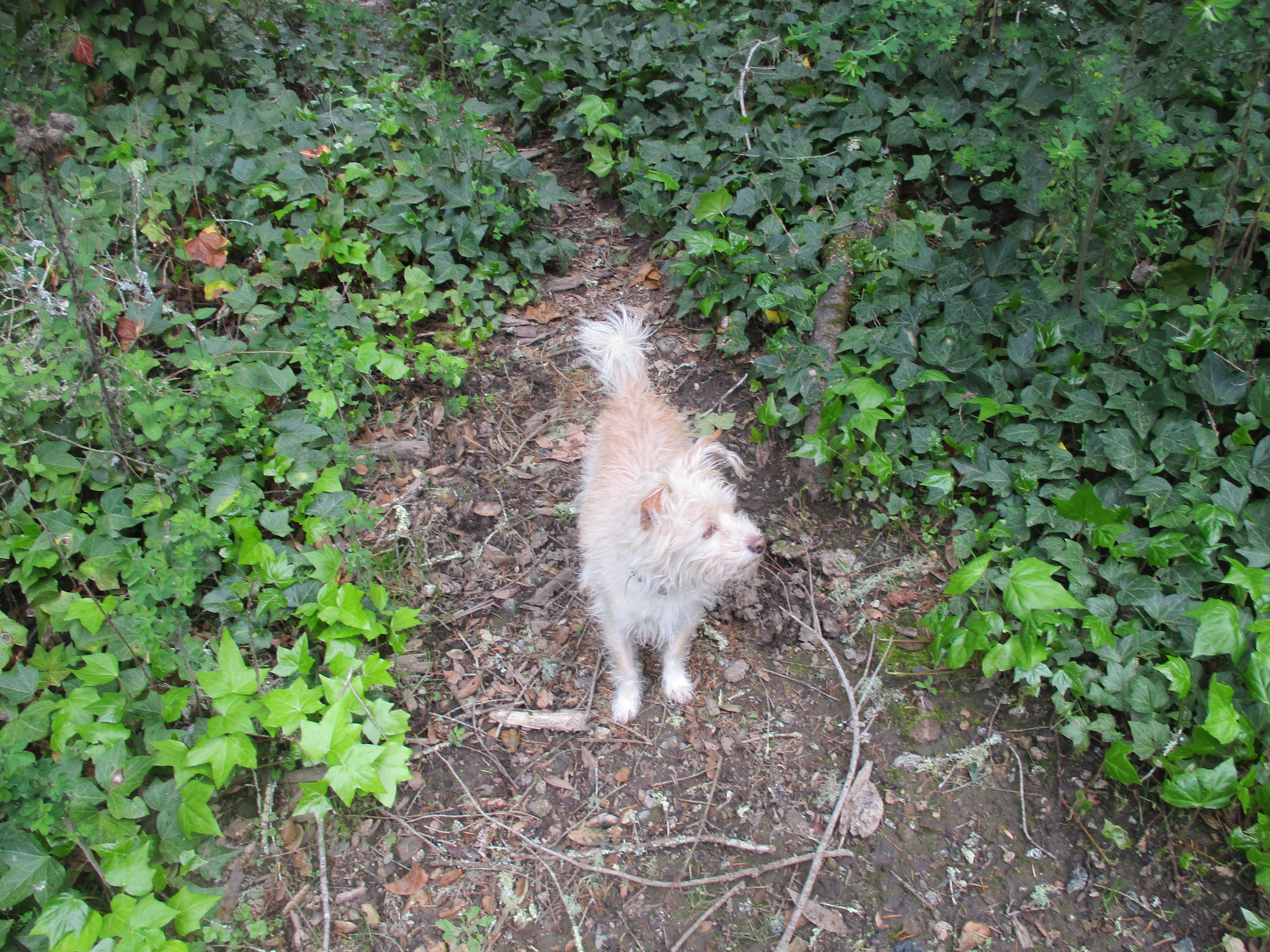
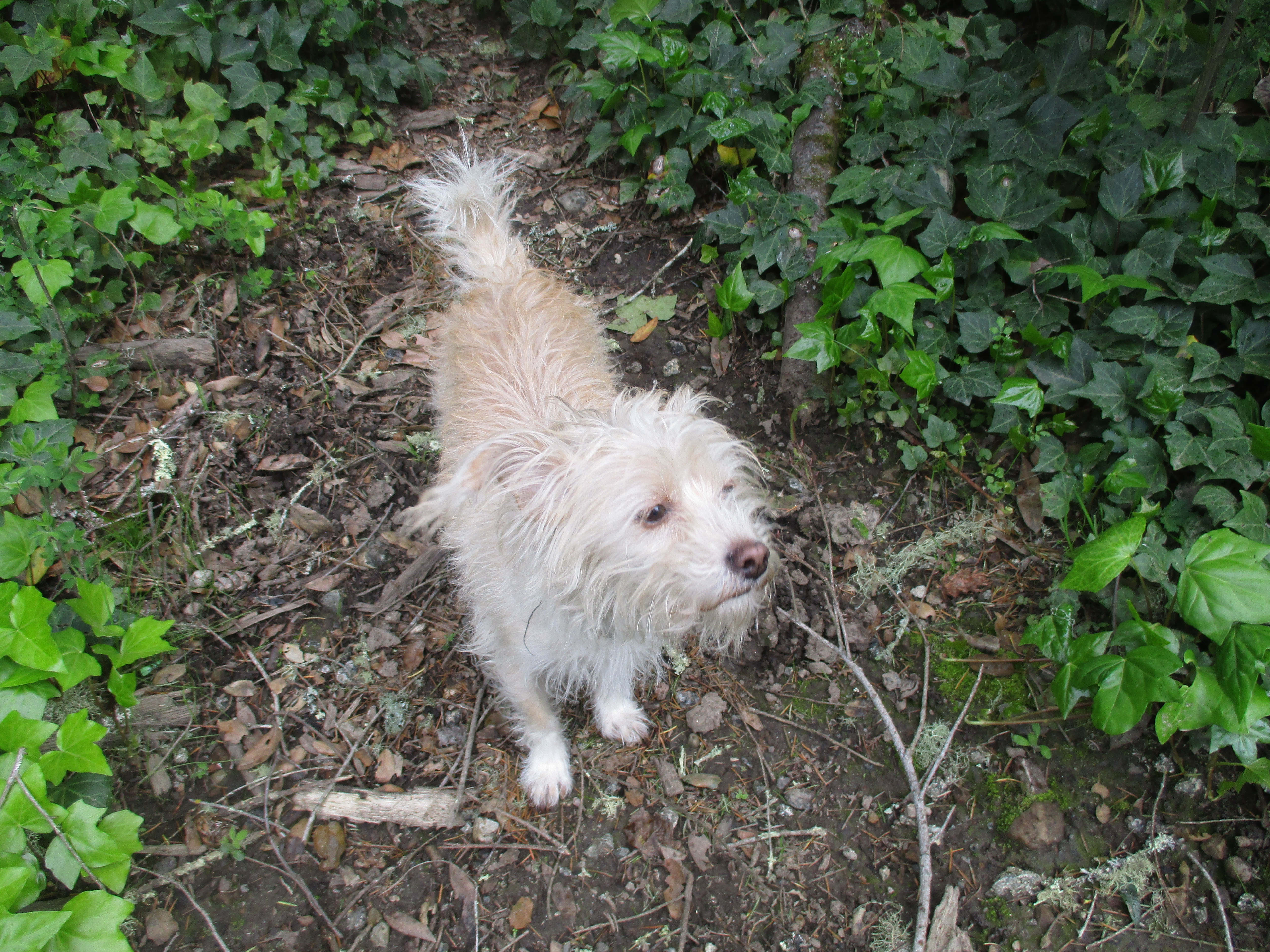
Anyway, Rhody would not cooperate. His defiance was so annoying, . . . but also adorable. I used a picture of another terrier on the lawn at Felton Covered Bridge Park instead. (The article in the Canyon News does not use the thumbnail image.) These are a few of the pictures of Rhody that I did not use.
Even though they are irrelevant to horticulture, I posted these pictures here because they are too amusing to delete without sharing. My primary ‘Six on Saturday‘ article was posted separately.
1. Rhody really can be cute until he realizes that I want to get a picture of him.
2. Then he gets pompous.
3. He briefly considered trying to cooperate.
4. He did not consider it for long
5. Then he got annoyed that I was still trying to talk him into being cute for pictures that he wanted no part of.
6. By this time, it was obvious that I needed to turn the camera off.
This is the link for Six on Saturday, for anyone else who would like to participate:
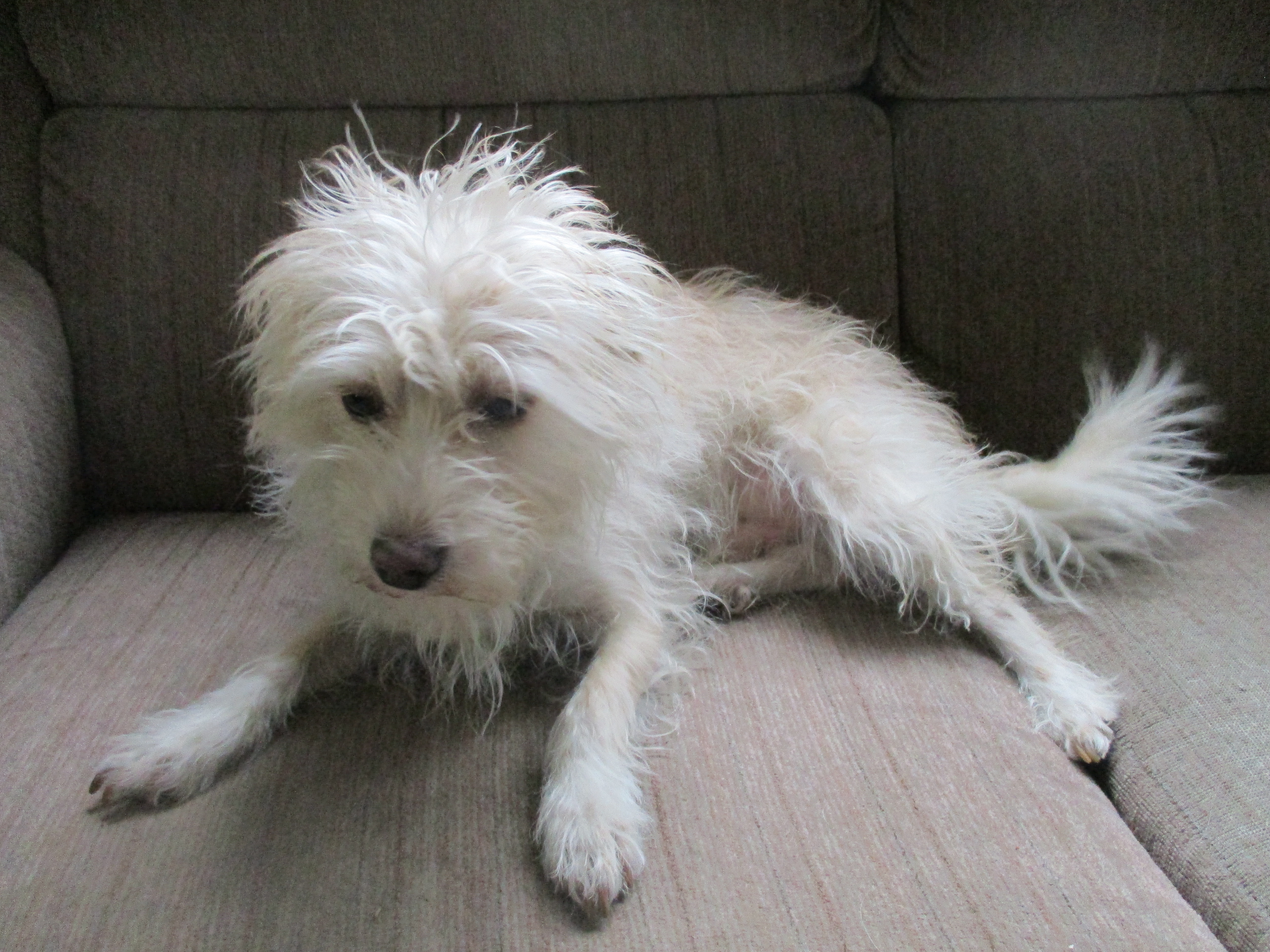
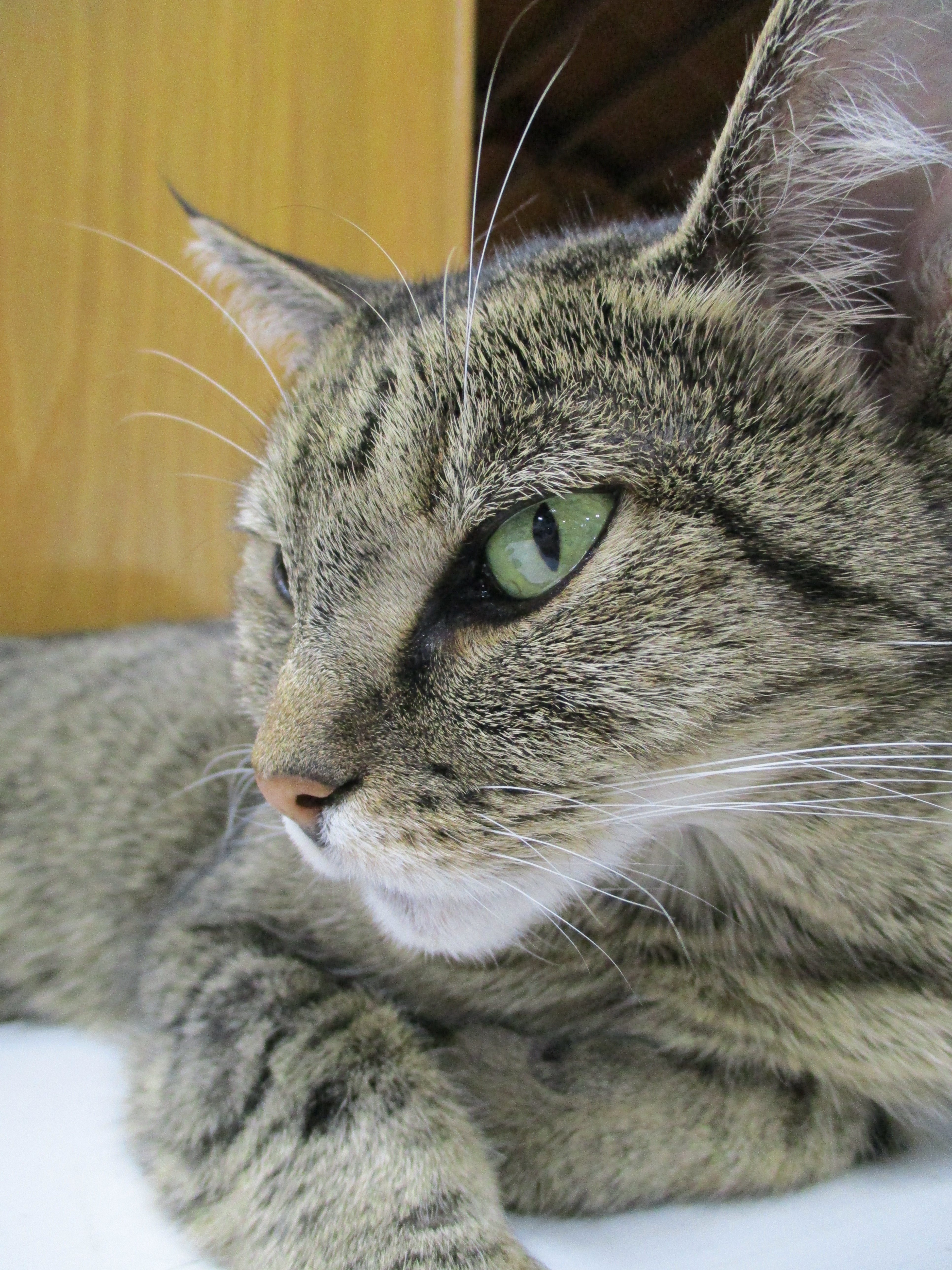 Anyone who has ever owned a cat knows that no one owns a cat. They do whatever they want to do, whenever and however they want to do it. They take orders from no one. If they decide to use a dry spot in the garden as their litterbox, or a tree trunk as their scratching post, it is impossible to dissuade them. They are so smug and arrogant. It is no wonder that so many dogs dislike them.
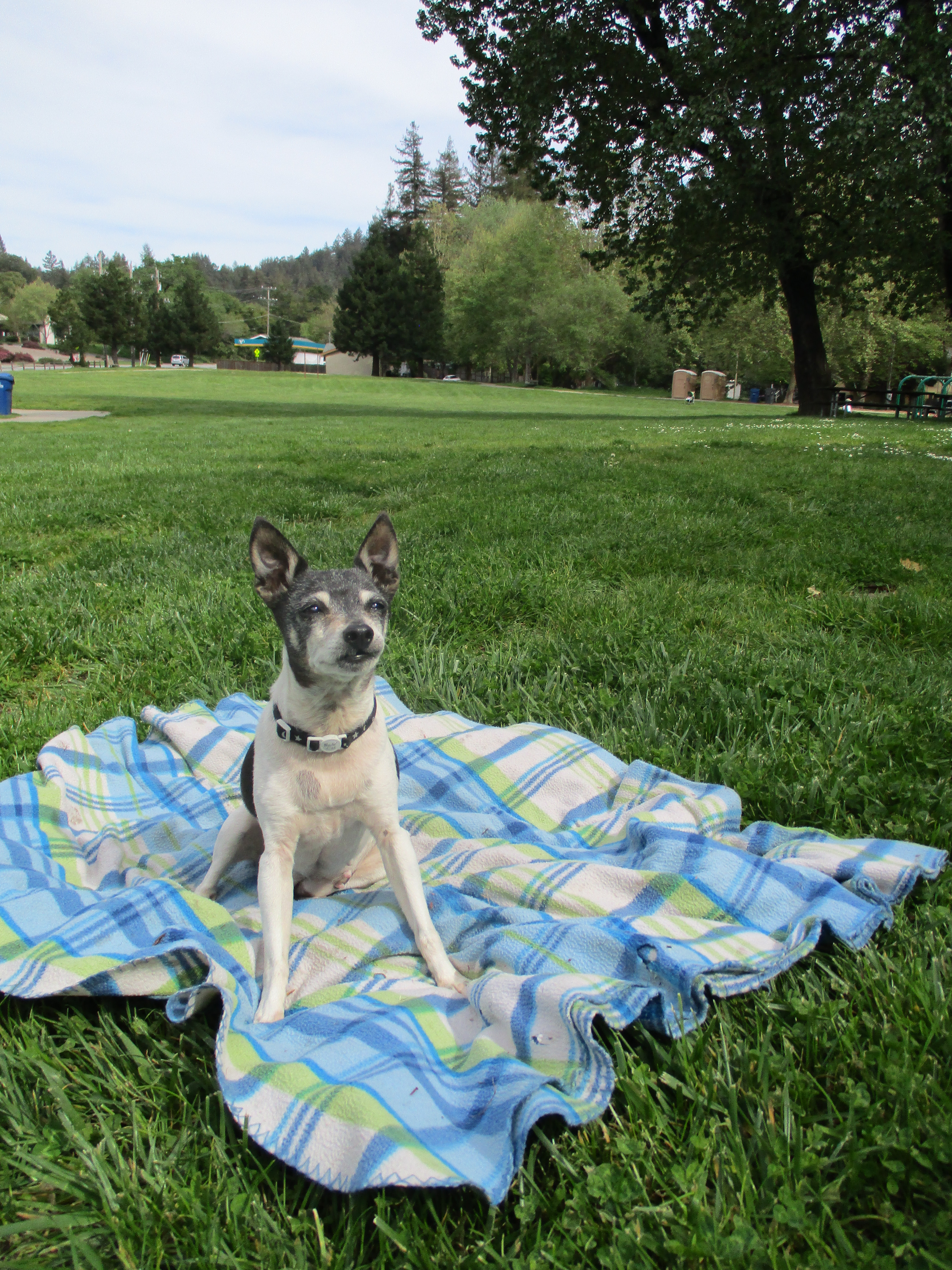 Weeds are weeds because they grow where they are not wanted. They might be desirable plants in the wild within their native ranges, or beyond their native ranges where they are useful, but for one reason or another, are undesirable in other situations. In fact, many of the most invasive exotic (non-native) weeds were imported because they were useful for something, and then escaped.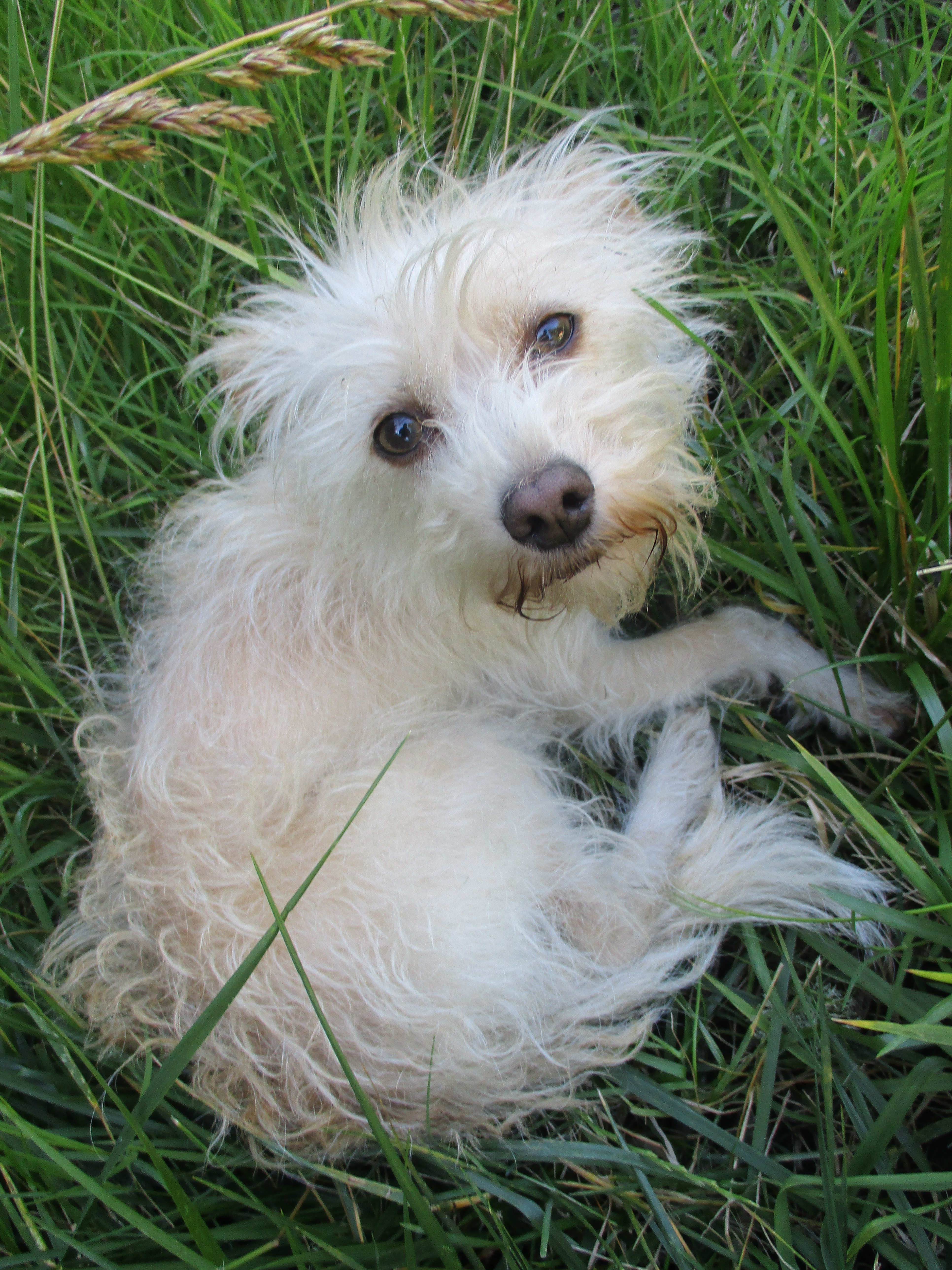
 Tony Tomeo