 It is gratifying to see renewed interest in this old fashioned flower. Naturally occurring varieties of some of the nearly three dozen species of Iochroma were popular decades ago. Some might actually be naturally occurring hybrids that have yet to be identified. Many modern cultivars (cultivated varieties) were intentionally bred or hybridized for more compact growth and profuse bloom.
Old fashioned varieties of Iochroma are occasionally seen as large rampant shrubbery or even small trees in old established landscapes. Modern cultivars are more compact and manageable. For the fullest and most vigorous growth in summer, they can be pruned aggressively as winter ends, but should otherwise be pruned only for shape and confinement. They should never be shorn.
If Iochroma resembles angel’s trumpet, it is because they are related. The foliage is very similar, although the leaves are smaller. The narrowly tubular flowers are much smaller and clustered. The hummingbirds who like them so much do not even need to reach their beaks all the way in. Bloom is purple, blue, red, pink or maybe white or yellow. Iochroma happens to do well in partial shade.
 Unlike the common bird of Paradise that is grown for striking bright orange flowers, the giant bird of Paradise, Strelitzia nicolai, is grown for strikingly lush foliage. The big rich green leaves get nearly six feet long, and flare outward from leaning trunks that can eventually reach upstairs eaves. Foliage is healthiest if sheltered from harsh sunlight (such as hot reflected glare), wind and frost.
 Several native species and varieties of poplar are known collectively as cottonwood. Not many are actually planted. They just have a sneaky way of appearing in well watered parts of the garden that are as damp as the riparian areas that they naturally inhabit. Only Fremont cottonwood, Populus fremontii, gets planted, rarely, and only in big spaces that can accommodate its grand scale.
 We don’t put much effort into our compost piles. In the first pile, we dump horse manure, green waste from two cafeteria type kitchens, and a bit of the finer textured green waste from the landscapes. It eventually gets turned over into the second pile. By the time the second pile gets turned over into the third pile, it is almost ready for use. The third pile really does not last long. Neighbors take it as fast as we can.
 These are two pictures that did not make the grade for my ‘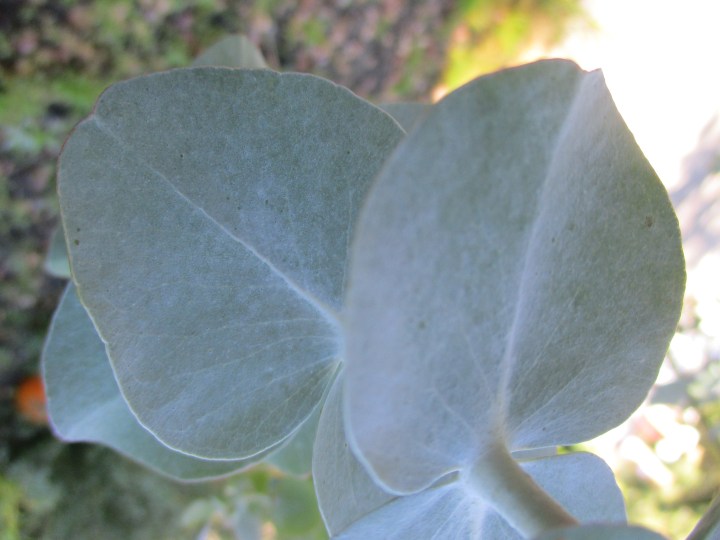
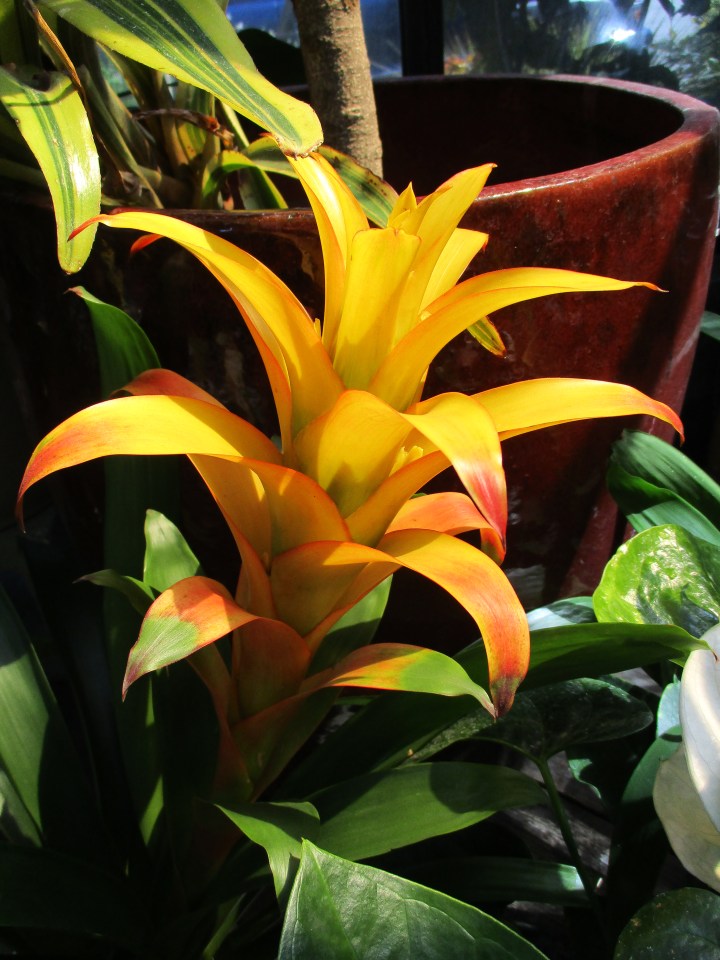 Just like potted chyrsanthemums, azaleas, hydrangeas and poinsettias, potted specimens of Guzmania magnifica are popularly purchased while beginning to bloom, enjoyed as house plants through a long bloom cycle, but then discarded as bloom eventually deteriorates. They are rarely allowed to produce new pups that can be divided and grown into fresh new plants to bloom later.
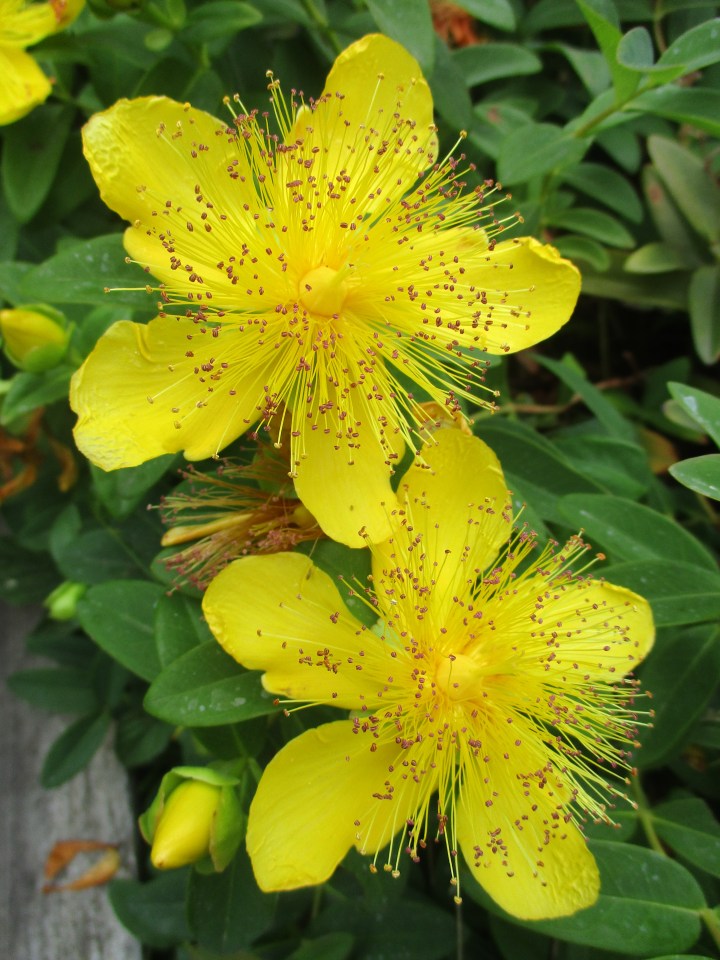 This is not the dreaded aggressively invasive Saint John’s wort that has naturalized in other regions. Nonetheless, creeping Saint John’s wort, Hypericum calycinum, does precisely as the name implies. It creeps, and has naturalized to a less aggressive degree in many spots near the coast. Its vigor is an advantage to many landscapes, but might eventually displease adjacent neighbors.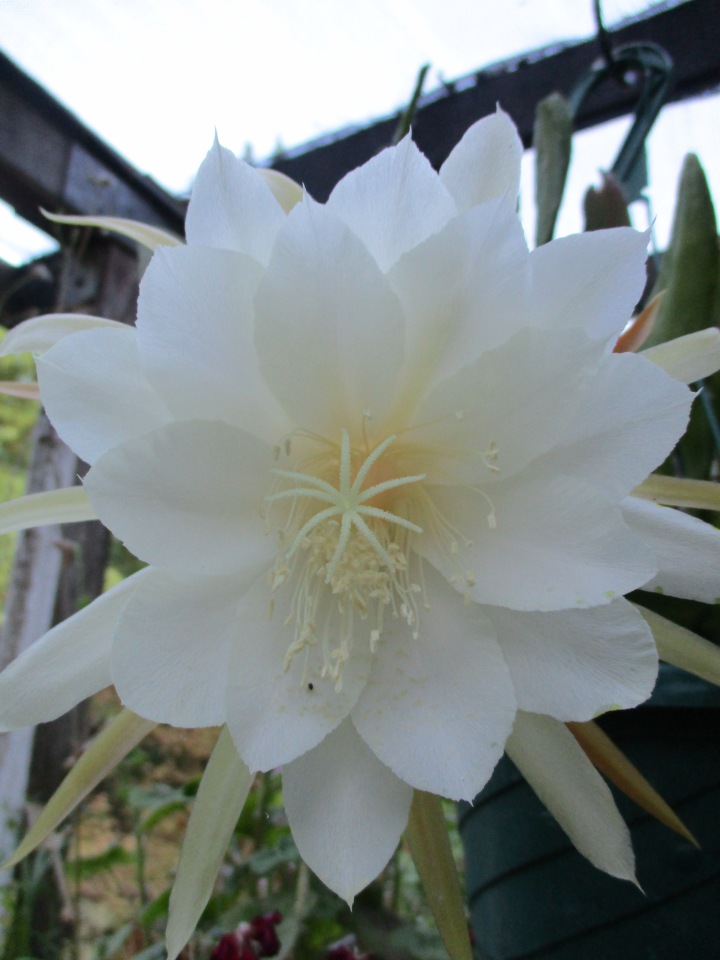

 The Nile River floods annually, inundating everything in its floodplain. Lily of the Nile, Agapanthus africanus, survives by hanging on firmly with a thick network of rubbery roots. It grows and blooms in warm weather as floodwater recedes, and then survives through a long, warm and dry season until the river floods again. It tolerates both drought and flooding, although it prefers more stability.
 Whether it is grown intentionally, or considered to be a common roadside weed, there is no denying that perennial pea, Lathyrus latifolius, knows how to brighten some of the wilder parts of the garden with brilliant purplish pink bloom. Some garden varieties bloom either pale pink or white, just like a few random feral plants do. Bloom resembles that of sweet pea, but without fragrance.
