 Just about any other arborist will say that pollarding and coppicing are wrong. These techniques ruin trees so that they can never develop into their natural form. Although restorative pruning after pollarding or coppicing is possible, it is usually more trouble than it is worth. However, no one can deny that properly pollarded and coppiced trees can live much longer than they would naturally.
Pollarding and coppicing are extreme pruning. Coppicing is literally cutting a tree down to a stump just above the ground. Pollarding is almost as severe, but allows the main trunk and main limbs to remain. It does not end there of course. It must be repeated annually to maintain the coppiced stump or pollarded trunk and limbs. Secondary growth gets pruned off, back to the previous cuts.
After this process is repeated for a few years, coppiced stumps and pollarded limbs develop distended ‘knuckles’. Cutting back to but not below these knuckles facilitates compartmentalization (healing) of pruning wounds. Because the secondary growth is only a year old when cut annually, the wounds are relatively small, so they get grown over by new growth during the following season.
English style pollarding leaves one or two stubs of any desired length on each knuckle annually. These stubs are generally but not necessarily selected from stems that are aimed upward and outward. This technique elongates knuckles so that the trees are more gnarly and sculptural. Otherwise, all other stems must be pruned away cleanly. Stubs interfere with compartmentalization.
Pollarding and coppicing are done while trees are dormant in winter, and only to the few specie of trees that are conducive to it. These techniques were historically used to generate firewood, wiry willow stems for weaving baskets, straight fence stakes, or lush foliage for livestock and silkworms. Nowadays, they are done to keep big trees small, enhance the size and color of leaves, enhance the color of bark (on twiggy secondary growth), maintain juvenile foliage, or to prevent the bloom of allergenic flowers.
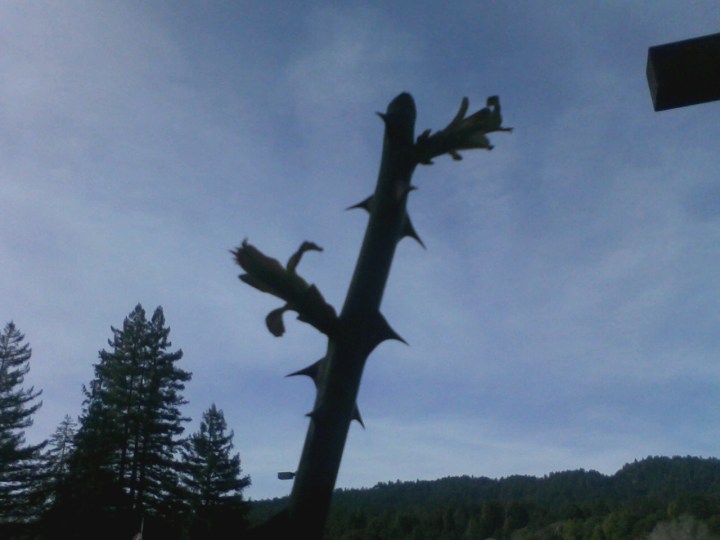
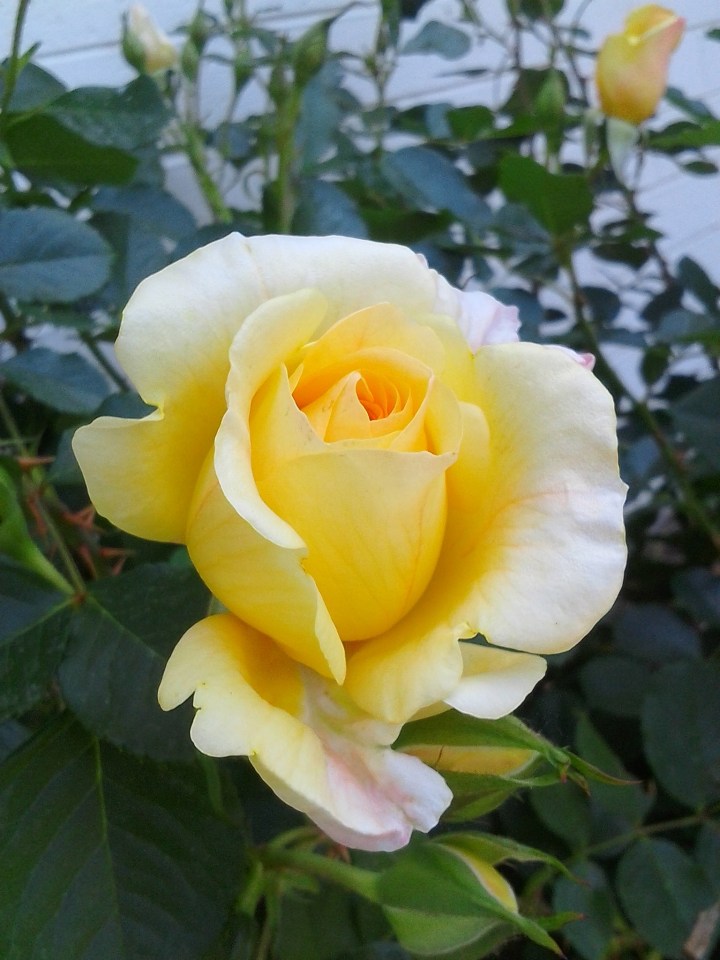 Winter is no excuse to be less diligent in the garden. It would seem that gardening would be less demanding because there is less going on, and so many plants are dormant. However, dormancy is precisely why there is so much to do through winter. Bare root plants and bulbs are planted because they are dormant. Fruit trees get pruned because they are dormant. Now it is time for roses.
 Without specialized pruning while they are bare and dormant in winter, many deciduous fruit trees would be overburdened by their own fruit next summer. The production of excess fruit can waste resources. The weight can disfigure and break limbs. The trees certainly do not want to get so overworked; but they have been unnaturally bred to produce bigger, better and more abundant fruit.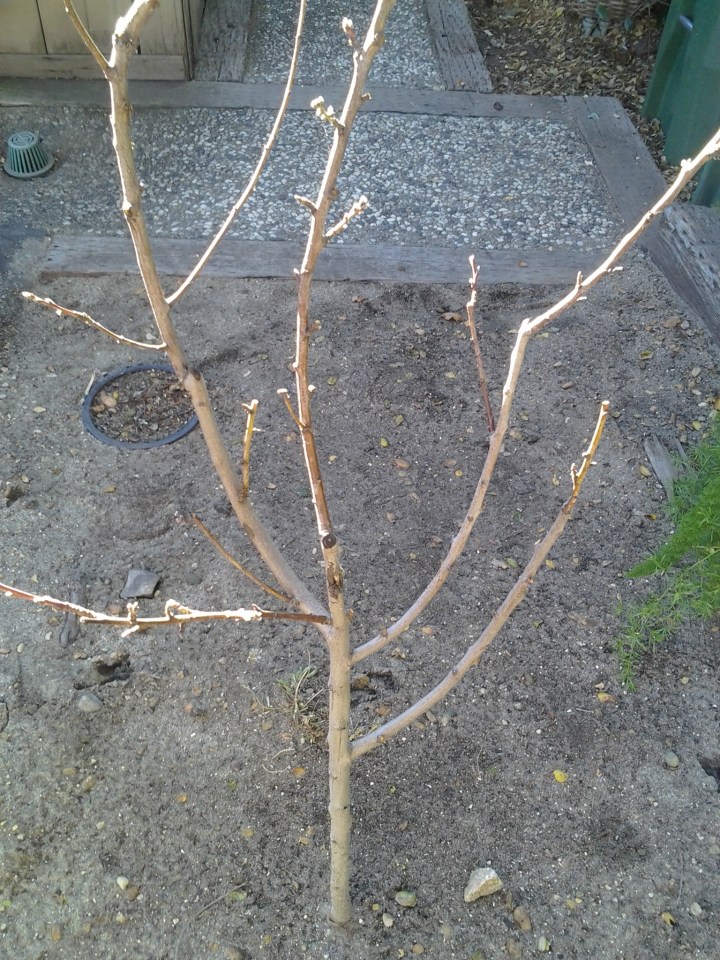
 Horticulturists have a way of making all those long Latin names sound easy to pronounce. Lyanothamnus floribundus ‘Asplenifolius’ – Syzigium paniculatum – Metasequoia glyptostroboides. I do not know why proper pronunciation of their names is so important. They have no ears. They can not hear if we simply call them ‘Earl’. Even if they could hear, they would not respond.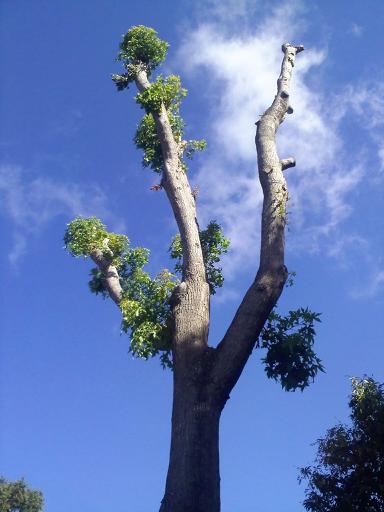
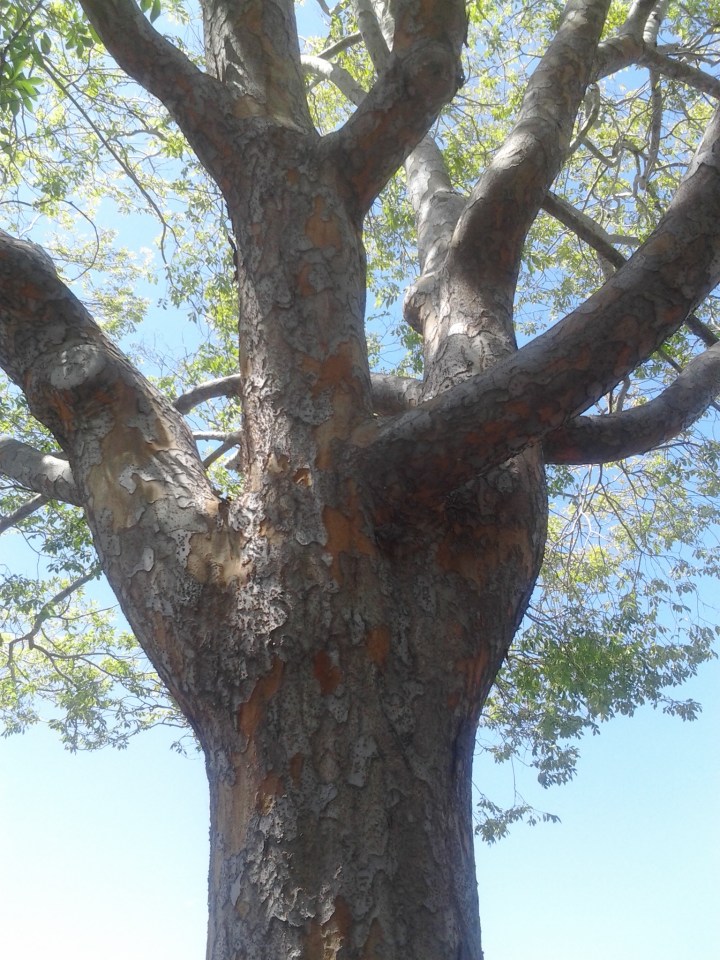 Now that winter is only two weeks away, and many deciduous plants are defoliating and dormant, it may seem as if there will be less work to do in the garden. After all, not much is growing. The funny thing is that this is the best time to sneak up on some of them, and prune them while they are sleeping. Depending on what is in the garden, winter can be just as busy as any other season.
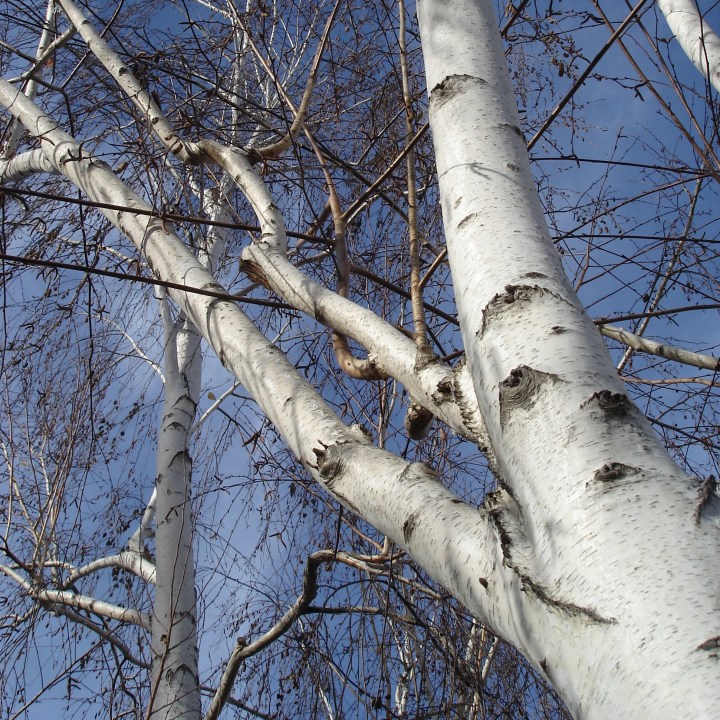 Most of us Californians are probably wondering what that means. Sugaring season is more familiar to horticultural enthusiasts in New England, Canada, and more recently, in Alaska. It is the time of year that sugary sap get harvested from maples, and in Alaska, from birches. Maple sap gets refined into maple syrup and sugar. Birch sap makes birch syrup and sugar, a recent fad up north.
 Gardening is not for everyone. If you are reading this, you probably enjoy gardening. There are many more people who simply are not interested in it. Some tend to their own gardens in a basic manner just to keep their homes looking good. Most hire gardeners to maintain their landscapes for them.
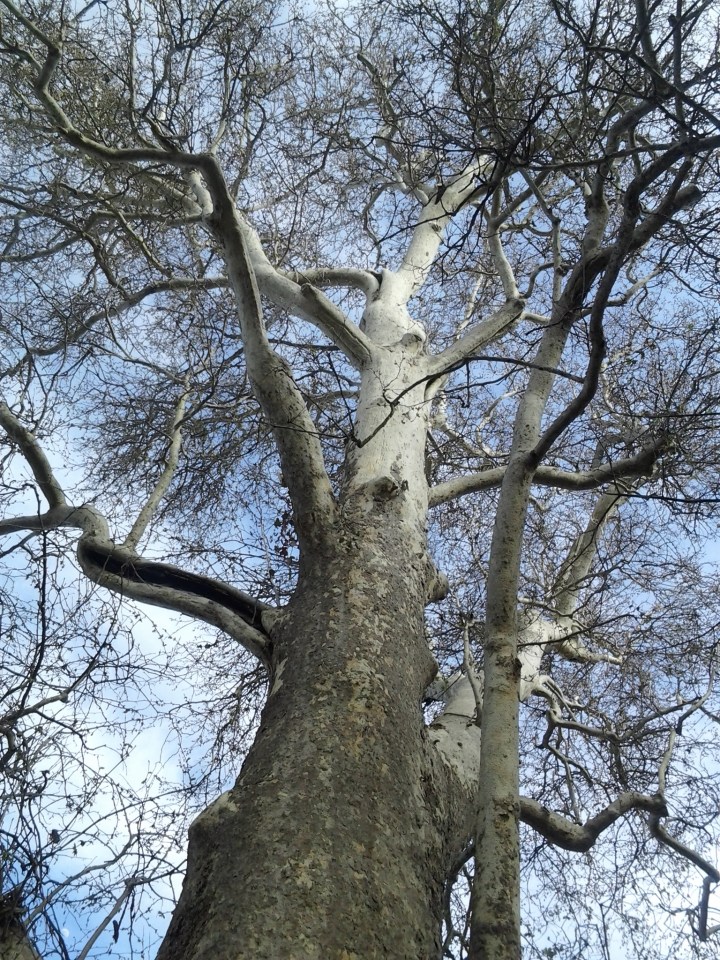 Before the storms of winter get here, it might be a good time to make arrangements to get some help for big trees that need it. Smaller trees that can be reached from the ground may not need anything that we can not do ourselves. It is the big trees that have grown beyond our reach that may need professional help if they have problems. They are unsafe for us DIY garden enthusiasts.
 Tony Tomeo