 Winter is the best time for major pruning of most plants. They do not mind it so much while they are dormant. However, there are exceptions. Winter pruning might be a bit too early for a few plants that are grown for their late winter or early spring bloom. It is best to wait until immediately after bloom to prune or trim flowering cherry, flowering plum, flowering crabapple and flowering quince.
Because these trees will be in the process of coming out of dormancy, it is best to prune them just after the blossoms finish, as new foliage is emerging. Some of the new buds will likely be ruined in the process, but there should be plenty to spare. If a few extra stems were left on deciduous fruit trees when they were pruned earlier, they can be taken as cut flowers prior to or while blooming.
Forsythia and Oregon grape should also be pruned after bloom, but with different technique. Oregon grape certainly does not need to be pruned annually, and may only need to be occasionally groomed of deteriorating stems. If and when it gets pruned, the oldest canes should be cut to the ground to favor newer canes. Forsythia canes should be cut to the ground after their second year.
Red twig dogwood and small willows that are grown for the color of their twigs must be pruned aggressively to produce new twigs for next winter; but there is no point in pruning their colorful twigs off while they are at their best. It is better to wait until just before new foliage is about to come out and obscure the twigs. They can be pollarded or coppiced. This applies to pussy willows as well.
Clumping grasses will start to grow soon, so can be shorn of their old foliage from last year that likely started to look rather tired by the end of winter. If left unshorn, new foliage and flower stalks will do just fine, but will come up through the old growth from last year, as the old growth lays down next to it and continue to decay. Once new growth develops, it will be more difficult to remove the old without damaging the new. Clumped grasses will look silly longer if shorn too early.
 Just about any other arborist will say that pollarding and coppicing are wrong. These techniques ruin trees so that they can never develop into their natural form. Although restorative pruning after pollarding or coppicing is possible, it is usually more trouble than it is worth. However, no one can deny that properly pollarded and coppiced trees can live much longer than they would naturally.
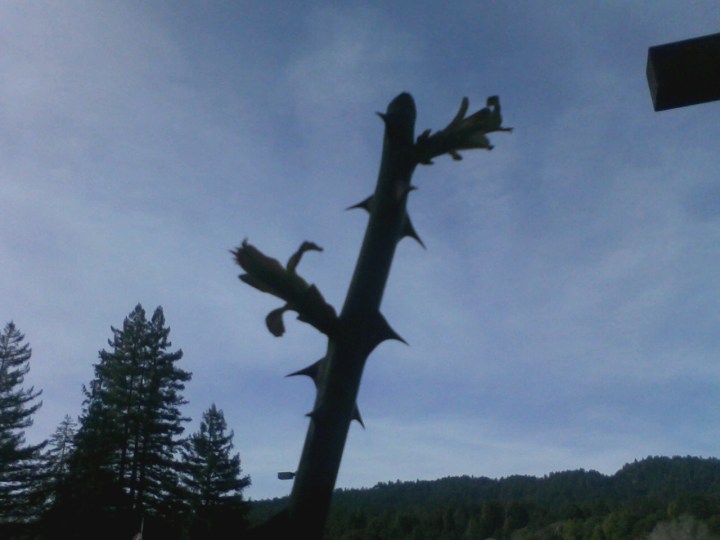
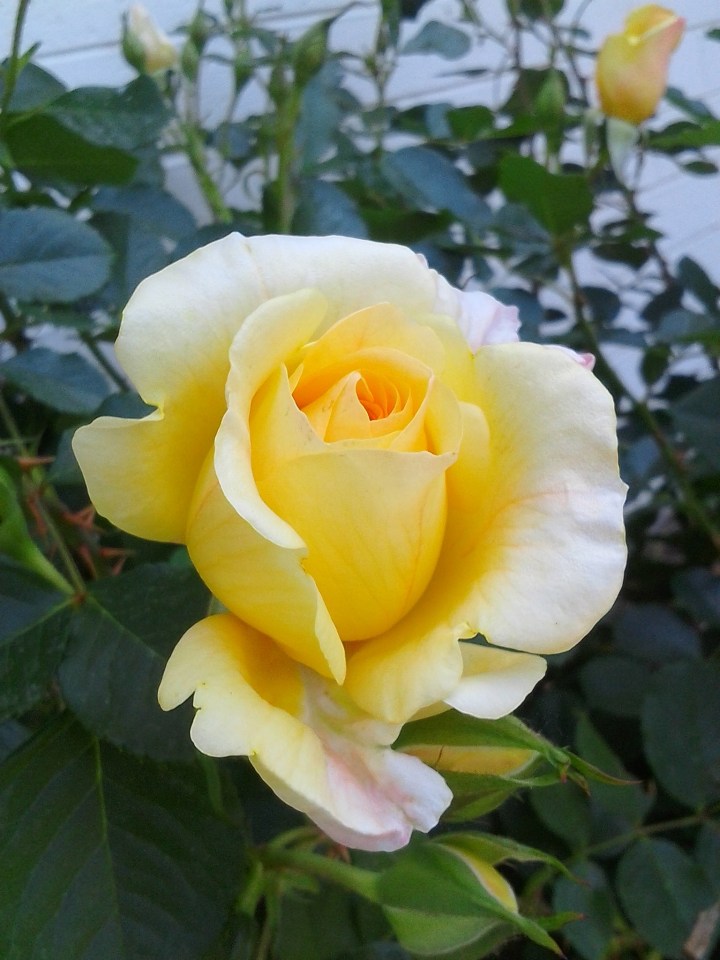 Winter is no excuse to be less diligent in the garden. It would seem that gardening would be less demanding because there is less going on, and so many plants are dormant. However, dormancy is precisely why there is so much to do through winter. Bare root plants and bulbs are planted because they are dormant. Fruit trees get pruned because they are dormant. Now it is time for roses.
 Without specialized pruning while they are bare and dormant in winter, many deciduous fruit trees would be overburdened by their own fruit next summer. The production of excess fruit can waste resources. The weight can disfigure and break limbs. The trees certainly do not want to get so overworked; but they have been unnaturally bred to produce bigger, better and more abundant fruit.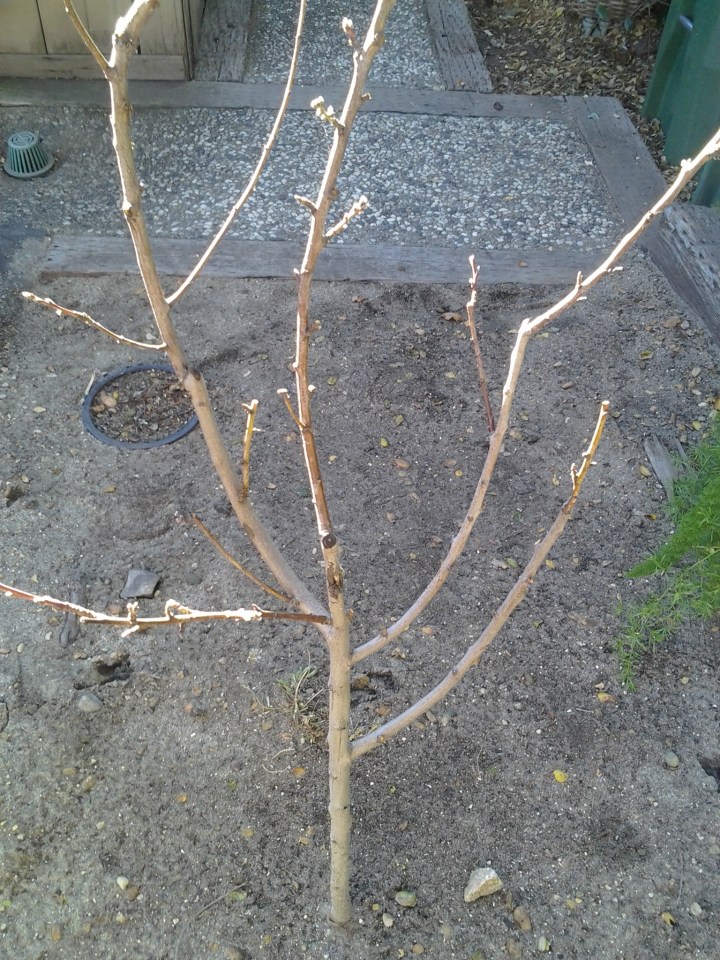
 Horticulturists have a way of making all those long Latin names sound easy to pronounce. Lyanothamnus floribundus ‘Asplenifolius’ – Syzigium paniculatum – Metasequoia glyptostroboides. I do not know why proper pronunciation of their names is so important. They have no ears. They can not hear if we simply call them ‘Earl’. Even if they could hear, they would not respond.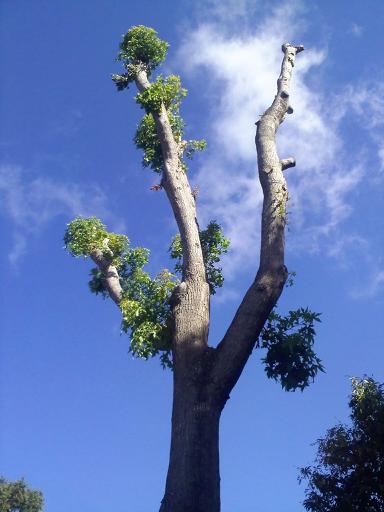
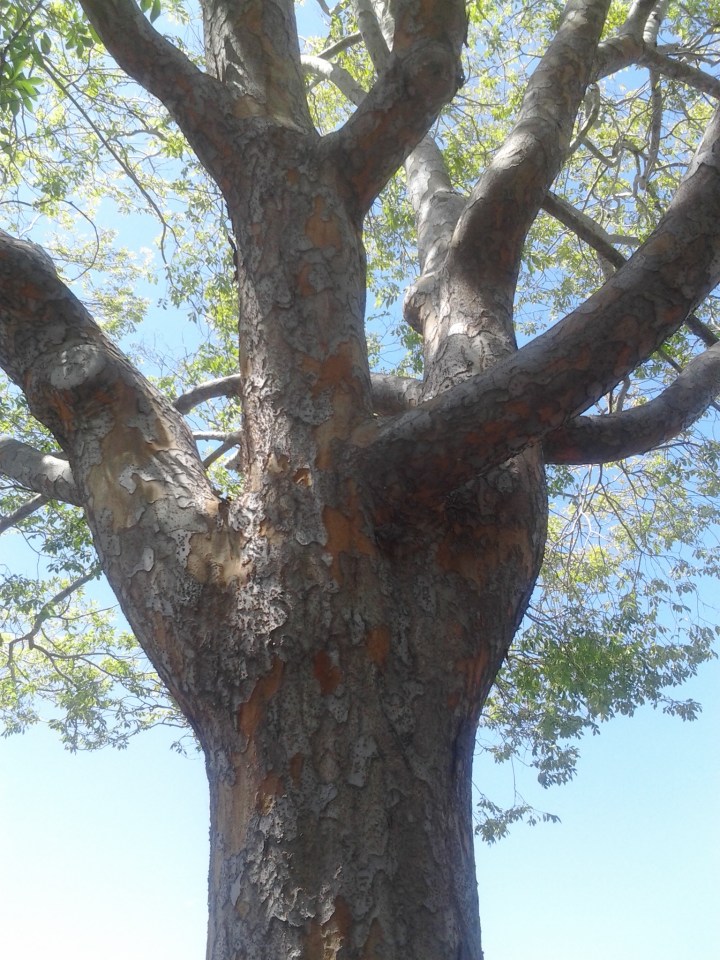 Now that winter is only two weeks away, and many deciduous plants are defoliating and dormant, it may seem as if there will be less work to do in the garden. After all, not much is growing. The funny thing is that this is the best time to sneak up on some of them, and prune them while they are sleeping. Depending on what is in the garden, winter can be just as busy as any other season.
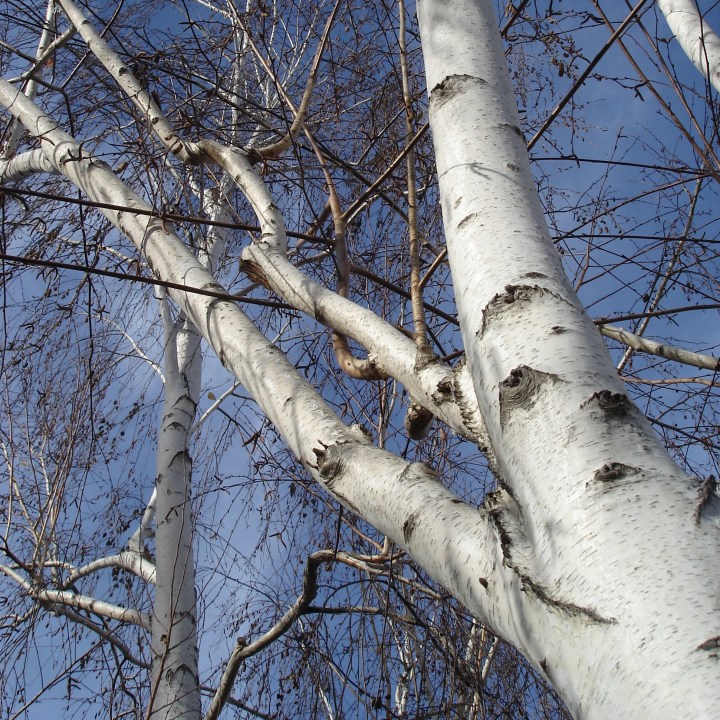 Most of us Californians are probably wondering what that means. Sugaring season is more familiar to horticultural enthusiasts in New England, Canada, and more recently, in Alaska. It is the time of year that sugary sap get harvested from maples, and in Alaska, from birches. Maple sap gets refined into maple syrup and sugar. Birch sap makes birch syrup and sugar, a recent fad up north.
 Gardening is not for everyone. If you are reading this, you probably enjoy gardening. There are many more people who simply are not interested in it. Some tend to their own gardens in a basic manner just to keep their homes looking good. Most hire gardeners to maintain their landscapes for them.
