
Pumpkins are both the biggest of the common fruits, and also the most wasted. So many of us bring at least one into our homes for Halloween, only to discard them afterward. Not many of us actually bake or make pies from ‘used’ pumpkins. However, those of us who like to can or freeze fruit and vegetables can really take advantage of this tradition by politely collecting jack o’ lanterns from neighbors, or getting unsold pumpkins from markets for very minimal expense. (Pumpkins are ‘low acid’ fruits that need to be canned with a pressure cooker.)
The somewhat small brownish ‘sugar pie’ pumpkins that are sold for pies are of course the best, with the richest flavor and meatiest shells. The common bright orange pumpkins used for jack o’ lanterns are not as meaty and lack flavor, but are certainly worth the price if they are free. White pumpkins can be just plain bland; but with enough sugar and spices, can make decent pie. The deeply furrowed green or gray pumpkins might likewise taste better than they look, but who knows? I certainly have not tried one yet.
Because the jack o’ lantern pumpkins have such thin shells, my neighbor and I prefer to cut them into pieces and steam them before peeling them. It is a messy job, which is why she has me do the peeling part of it. Before steaming, she cuts out any parts with candle wax (on the bottom) or soot (on the top). Once peeled, the pulp is ready to be pureed, and then frozen, canned or baked directly into pies.
Those of us who do not indulge in freezing, canning or baking of ‘recycled’ pumpkins can either give our pumpkins to neighbors who do, or must otherwise dispose of them. On the compost pile, pumpkins should be chopped up and spread out so that they do not mold and rot as much as they would if left intact. Chopping them with a shovel should be adequate. By now, there should be plenty of fresh leaves on the compost pile to spread pumpkin parts out over.
If fireplaces or wood stoves have been used already, the resulting ash can be spread out with chopped pumpkin, to inhibit mold in compost piles. Ash also deters snails. Just be certain that only dead ash gets scattered, without any embers, and that it gets spread thinly enough so that it does not become a mucky mess that actually inhibits composting.

 Just a few feet downhill from where the old valley oak had lived for centuries (
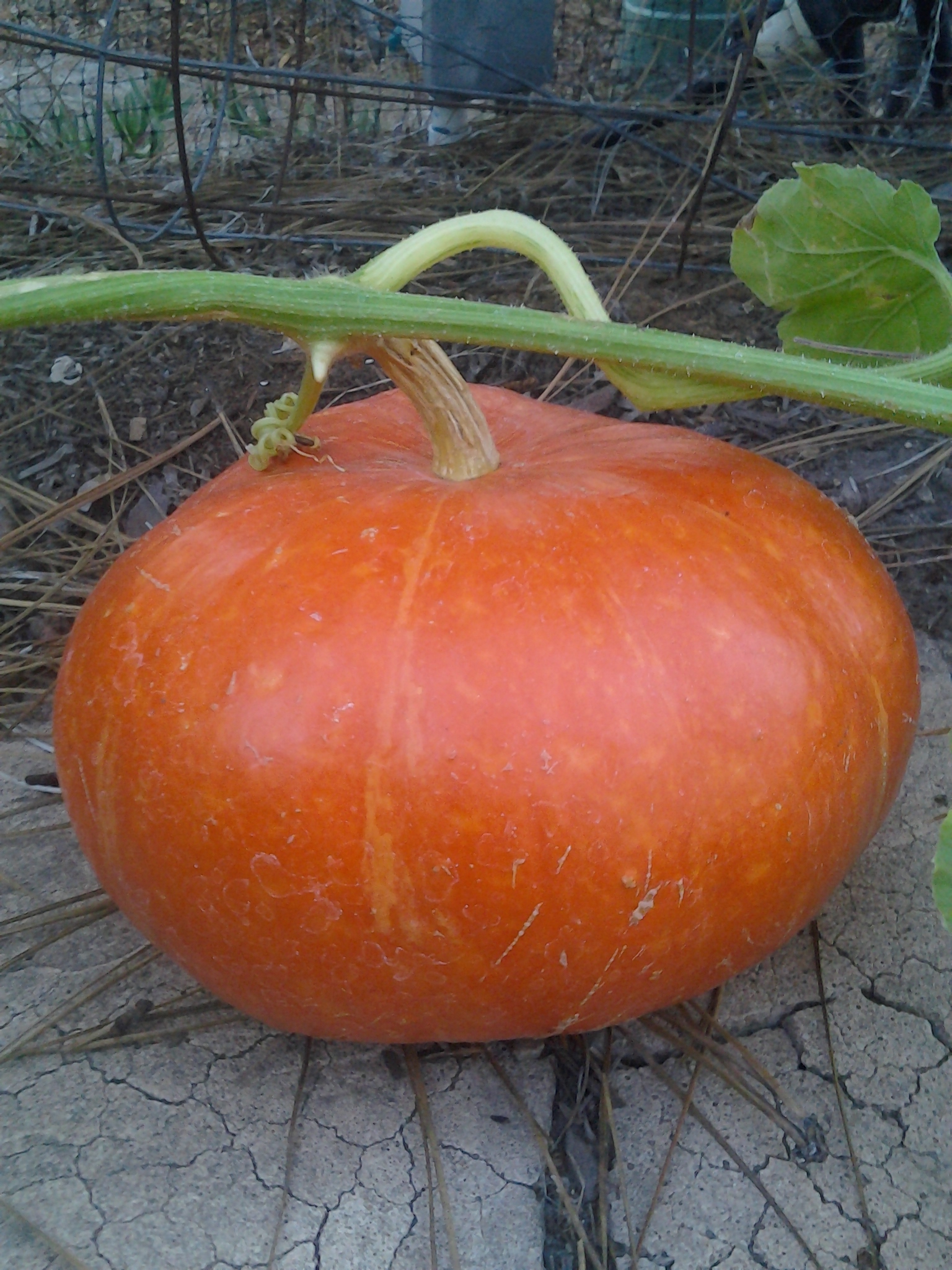 Actually, it is a fruit; a rather BIG fruit. It happens to be one of the more familiar of winter squash, but is not too commonly eaten. Although it makes excellent pie, and provides edible seeds and flowers, pumpkin is more popularly known as jack-o’-lanterns or Cinderella’s ride to the ball. Pumpkin is not for every garden, since each big and coarsely foliated annual vine needs regular watering, rich soil and considerable space to grow all through summer to produce only one or two big fruit in autumn.
 All Saints’ Day is November 1. As the name implies, it is a feast day that honors all Saints. It is one of the most important Holy Days of the Catholic Church. Yet, not many of us know about it.
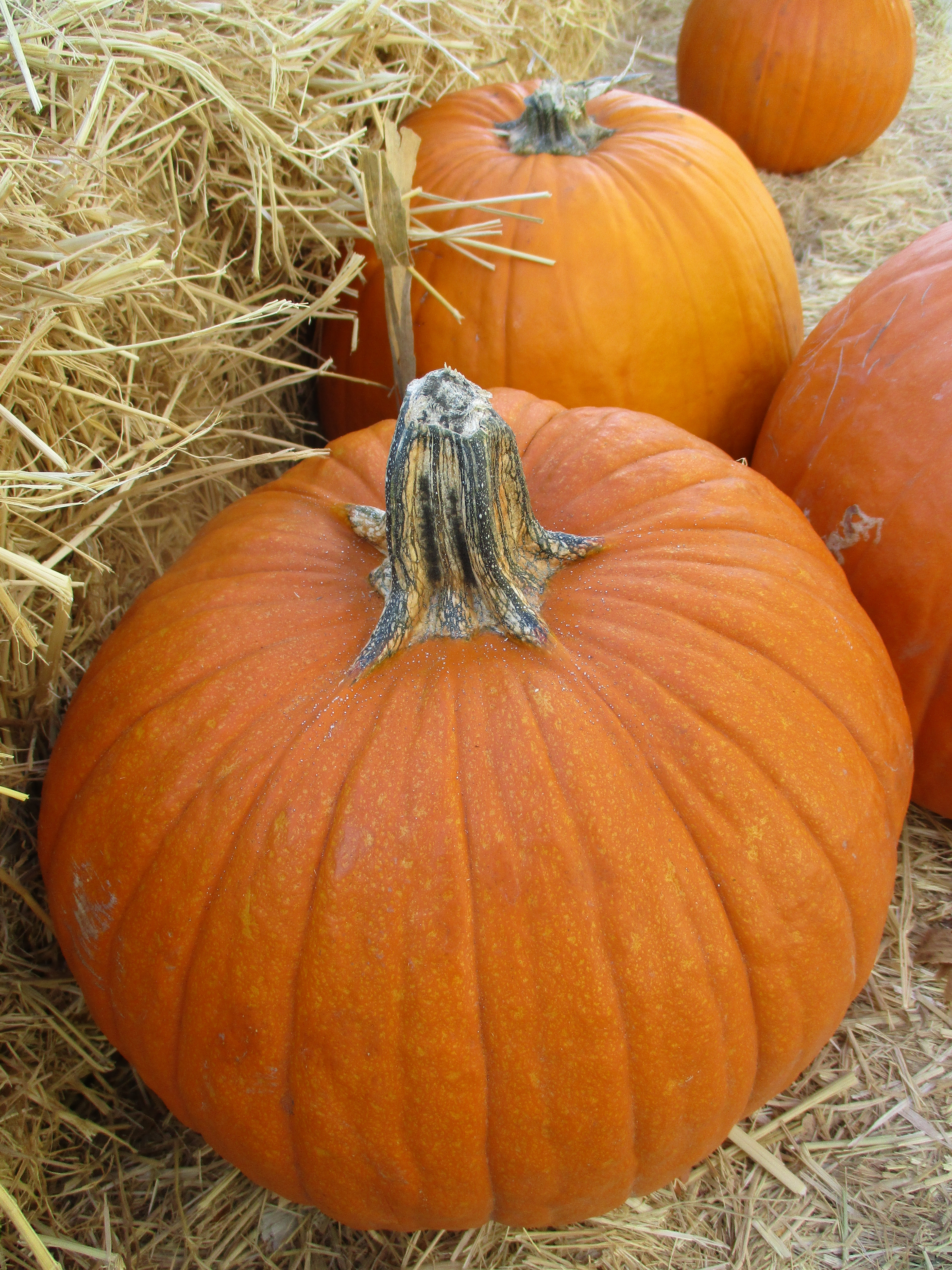 There is likely no other fruit that gets wasted quite like pumpkins. Almost all get hollowed and carved into Jack o’lanterns, illuminated from within for Halloween, and then discarded or added to compost within the next few days after Halloween. If they stay too long in the yard or on the porch, they mold or get partly eaten by squirrels. They were fun while they lasted, but the party is over.
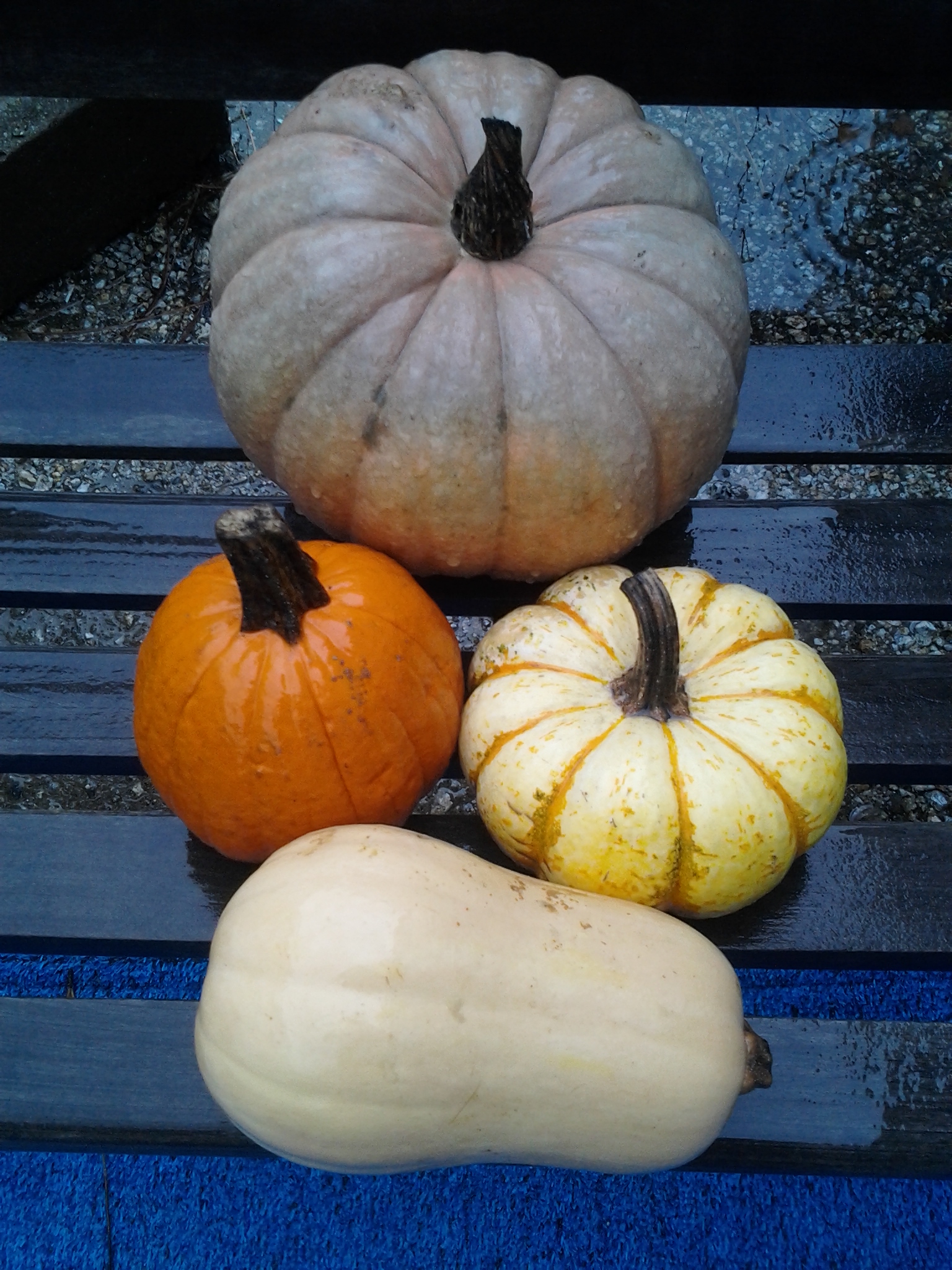 With all the talk about replacing warm season vegetables and bedding plants with their cool season counterparts this time of year, we should also address the irony of summer squash and winter squash. Their designations suggest that they too grow in specific seasons; summer and winter. Duh. It would make sense that summer squash would be replaced by winter squash during autumn.
 The Third Day of Creation was when it all started. Plant life was created just two days after Heaven and Earth, and Night and Day. It must have been a pretty big deal. Humans were not created until three whole days later!
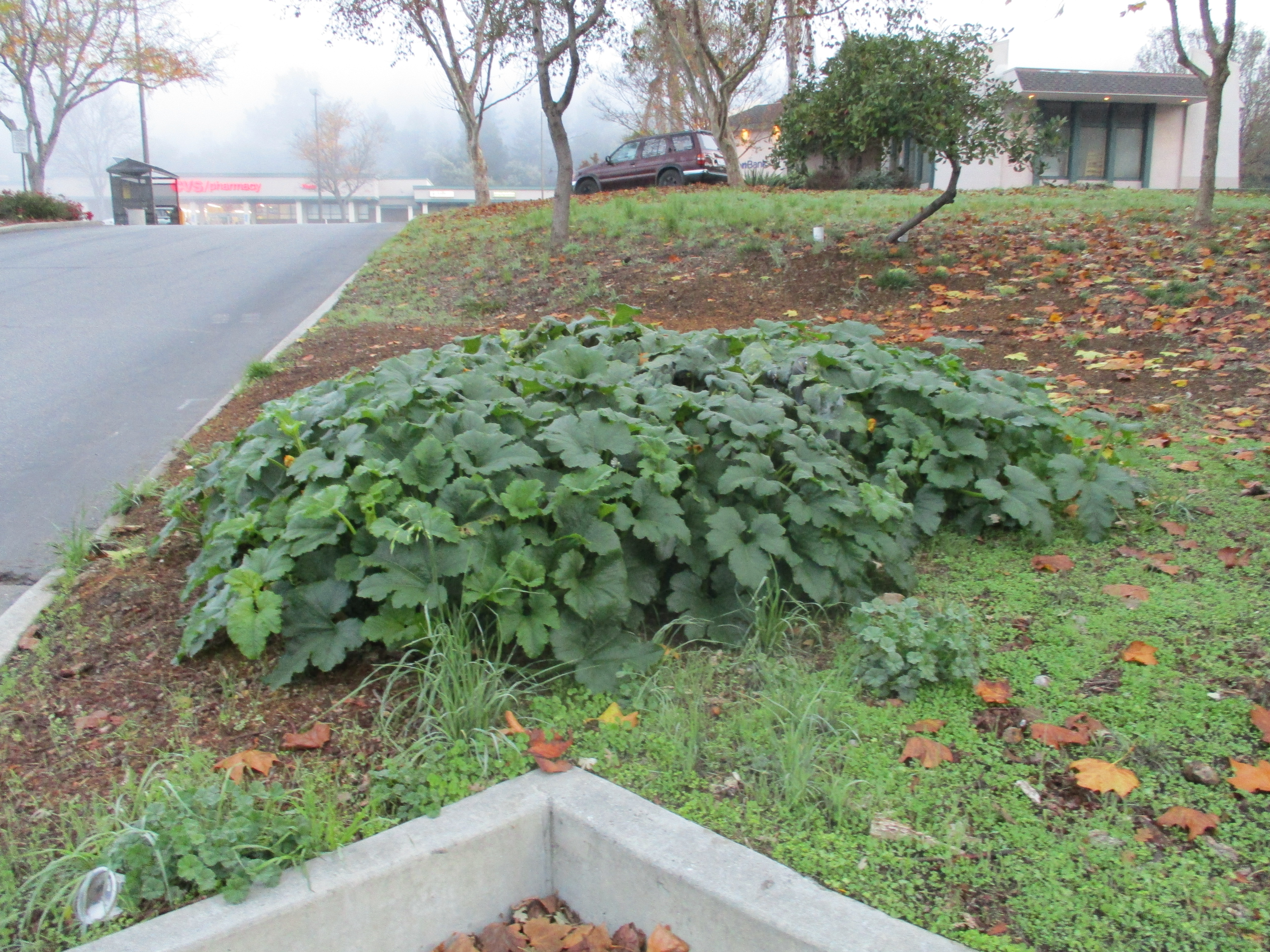 Just a few feet downhill from where the old valley oak had lived for centuries (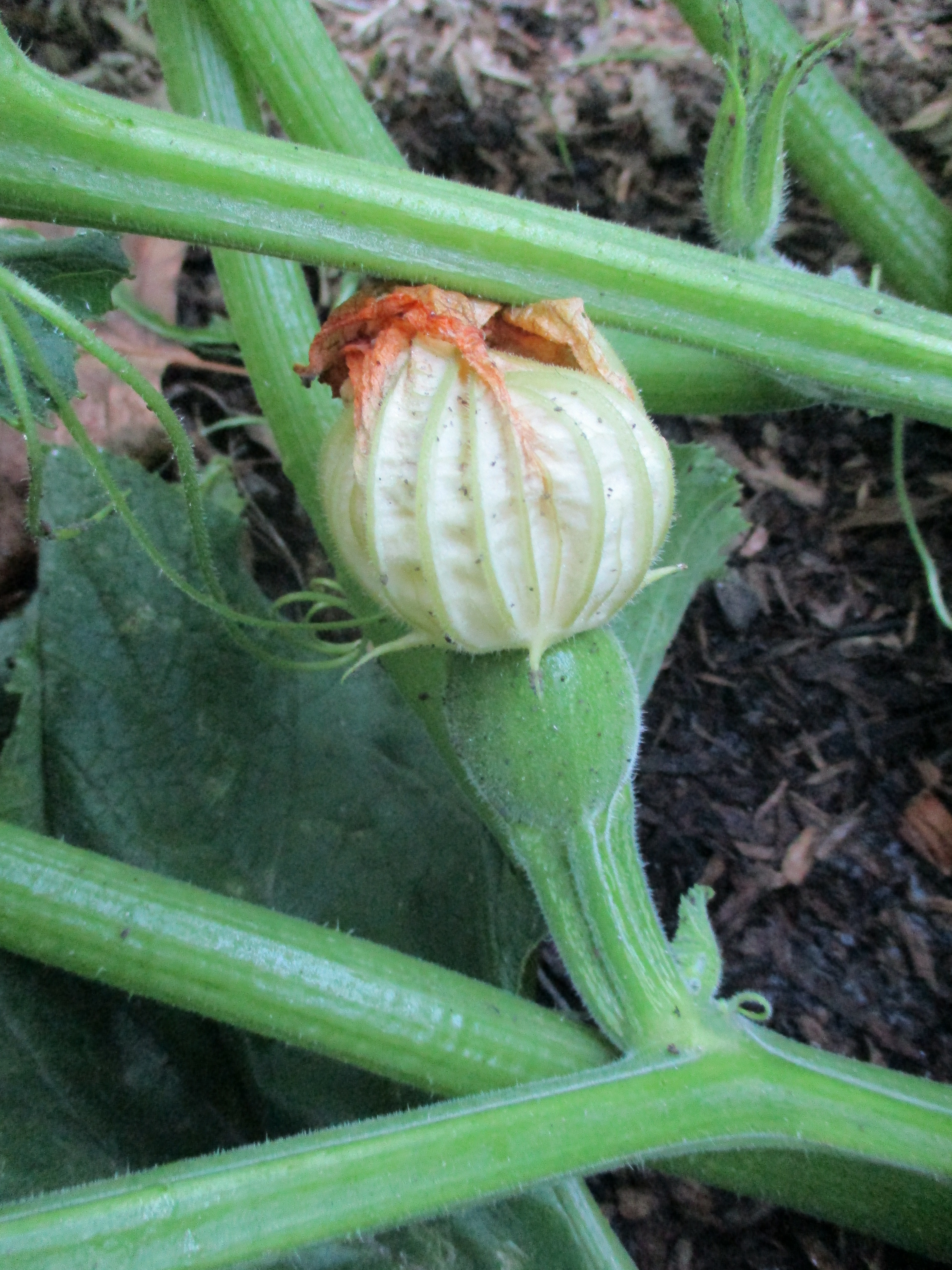
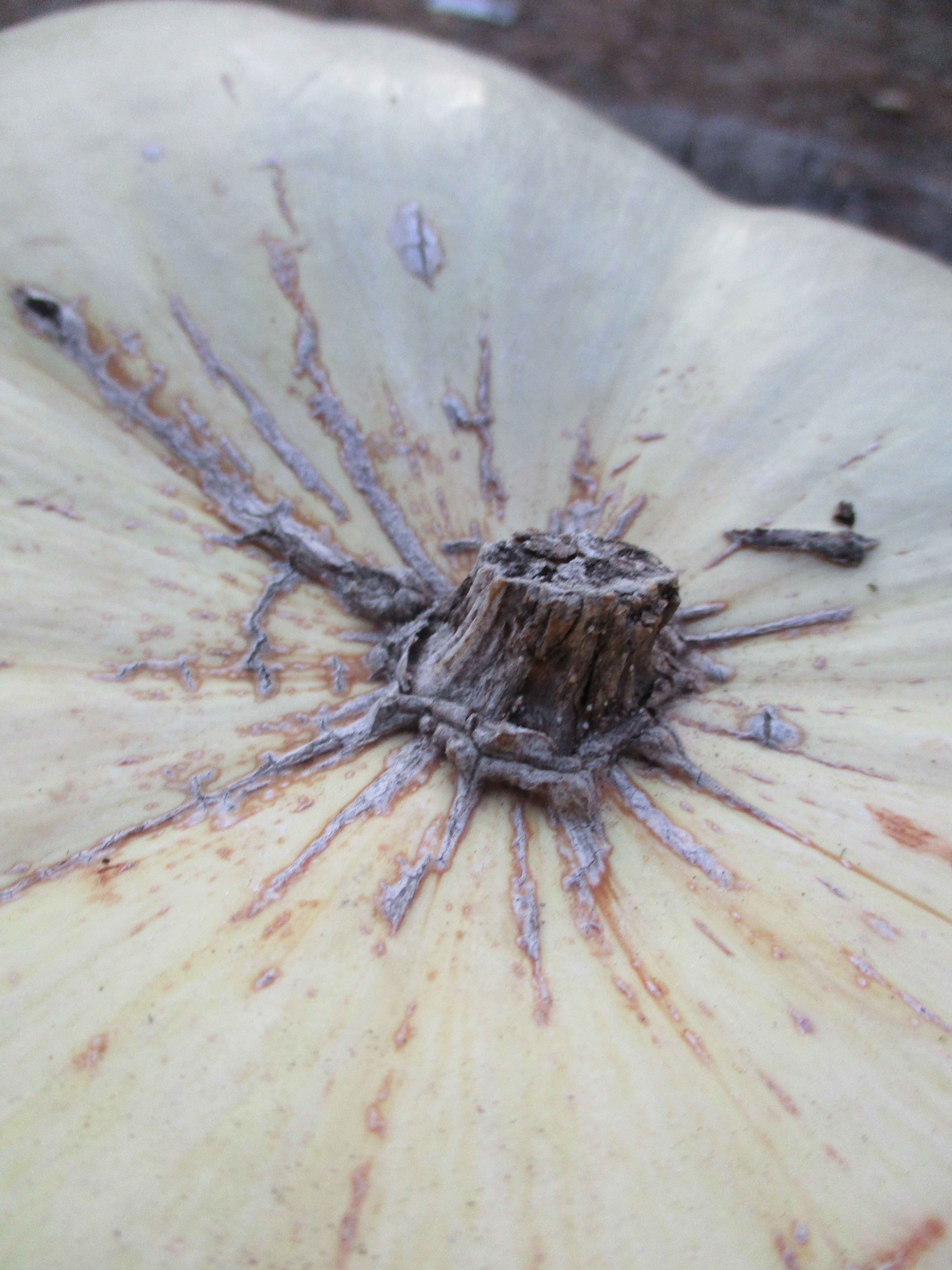 Things might have gone better for Cinderella if she had taken a Buick to the ball instead of that detrimentally punctual pumpkin coach. It was on such a tight schedule! It might have seemed like a good idea on the way too the ball. It certainly was a unique ride. The problem was that it made no accommodation for Cinderella’s tardiness at midnight. It adhered firmly to its own strict schedule.
 Tony Tomeo