
Here in the mild climates on the west coast of California, the difficulty of getting new cool season annuals into the garden to bloom through autumn and winter is not selecting, procuring and installing the new annuals. It is the removal of the warm season annuals while they are still blooming and looking so good! Knowing that planting new annuals sooner than later will get them an earlier start is not always much consolation.
Pansy, viola, primrose, snapdragon and alyssum are probably the most familiar and favorite of cool season annuals, and are often allowed to bloom late into spring when they probably should be replaced by warm season annuals. Alyssum easily naturalizes, and can actually bloom all year in coastal or cool areas. Snapdragon are probably the most difficult of these favorites to grow, since they so often get infested with rust, a common fungal disease that proliferates where winters are mild.
Cornflower (bachelor’s button), stock, Iceland poppy, sweet William and calendula are probably a bit less popular only because they are not so conducive to mass planting as bedding plants. Cornflower and stock get taller than they should for beds, although they look great behind beds; and stock is excellently fragrant. Iceland poppy, sweet William and calendula do not often grow uniformly enough for large beds; and calendula does not offer much variety of color beyond shades of yellow and orange. Yet, all are great in mixed plantings.
Ornamental cabbage and kale are grown for their colorful foliage instead of flowers. Cabbage may be a bit more colorful; but kale can provide more variety of foliar texture. Because they form such bold rosettes of foliage that do not blend into each other like other bedding plants do, they are more often grown as narrow borders or in small mixed plantings instead of in broad uniform beds.
The ornamental potential of both Swiss chard and parsley should not be denied. Swiss chard has distinctively ruffled and glossy foliage that can be dark green or deep burgundy. Their prominent midribs and veins can be even more colorful with shades of greenish white, yellow, orange, red or pale purple. Parsley is rich green, with full, intricately textured foliage that happens to look quite sharp with white alyssum. The main problem with these two cool season vegetables is that their appearance can be compromised if they get eaten.
 It is unfortunate that, like Easter lilies and poinsettias, most kalanches, Kalanchoe blossfeldiana, are enjoyed while actively blooming, and then discarded as their blooms fade. It is so easy to simply snip out the deteriorating flowers, and grow the small perennials plants for their appealing succulent foliage until they bloom again. They do not get much more than half a foot tall, so can stay in small pots indefinitely. They seem to prefer the porosity of clay pots. Because they can rot, they should be watered when the surface of the soil seems to be getting dry, and their drainage saucers should not be allowed to hold water too long. Kalanchoes like bright but indirect sunlight. They can be acclimated to direct sun exposure, but might seem to be somewhat stunted. If brought in before frost, they can be happy out on a patio. The clustered small flowers can be white, pink, red or bright or pastel shades of orange or yellow.
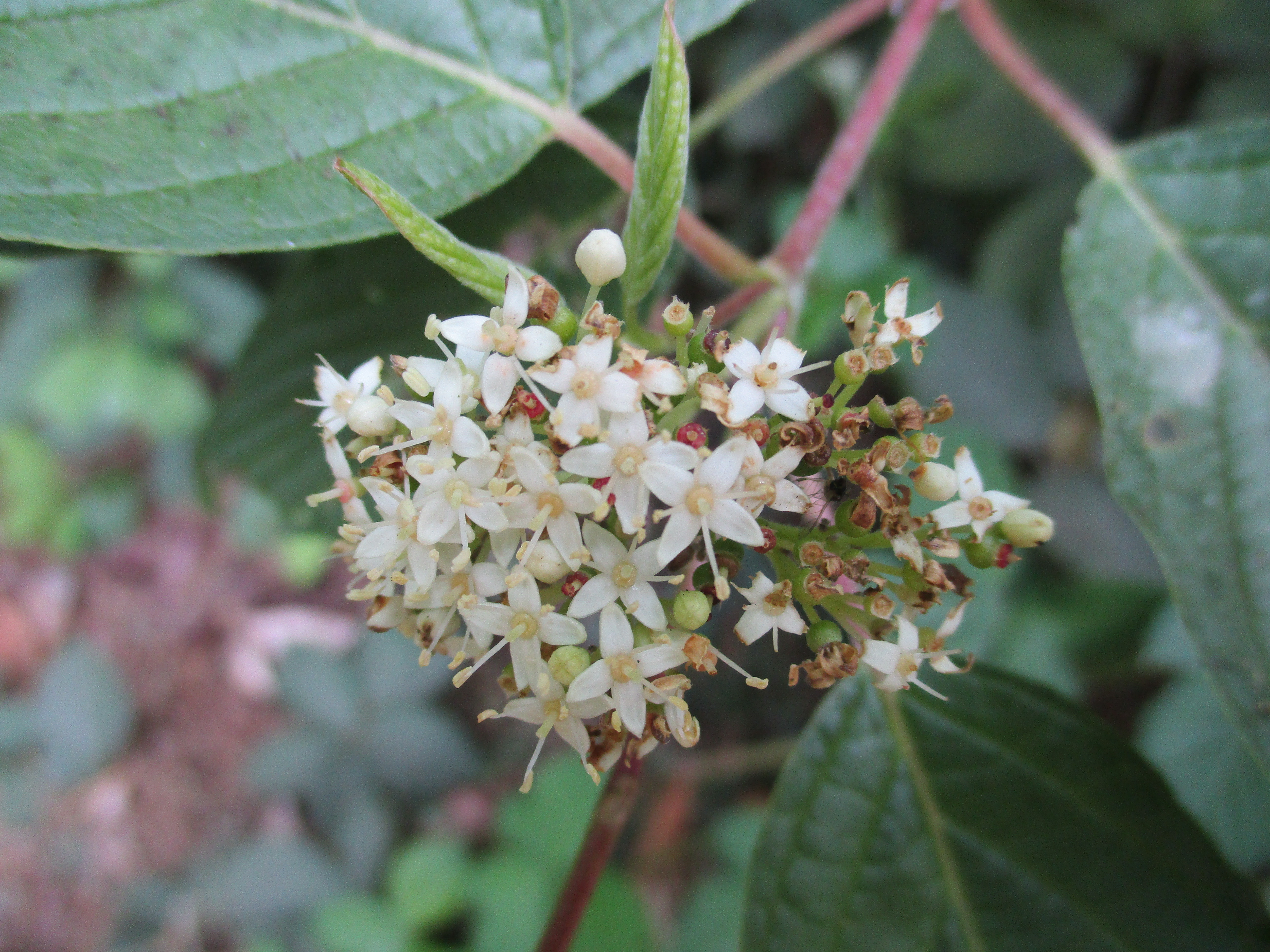
 Dog days of summer are no time for a dogwood to bloom. It should be slowing down and getting ready for autumn. Plump floral buds start to develop, but then wait dormant as foliage turns color and falls away. Only after winter dormancy, just prior to the emergence of new foliage, floral buds bloom spectacularly. September is either half a year too early or half a year too late.

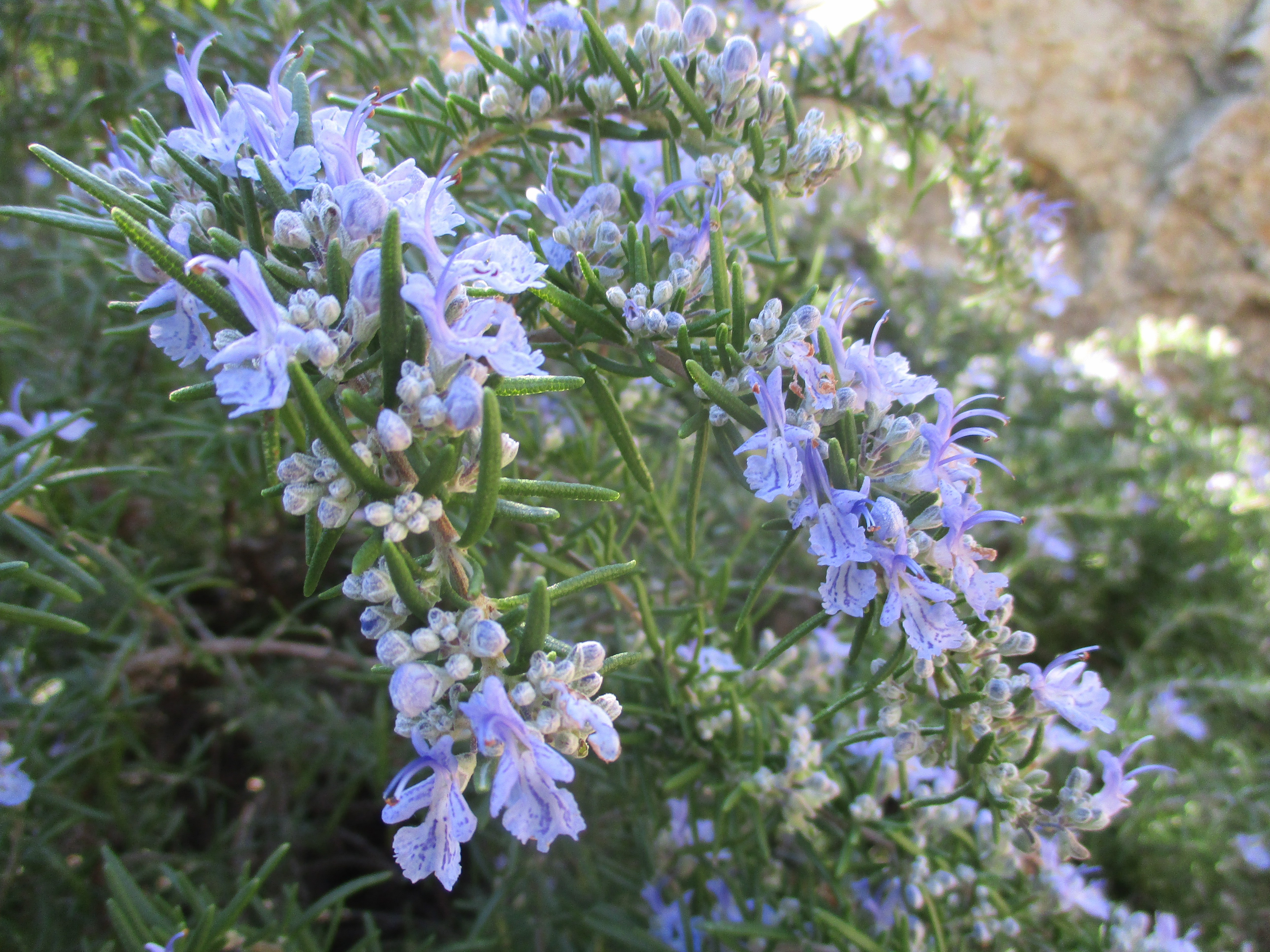



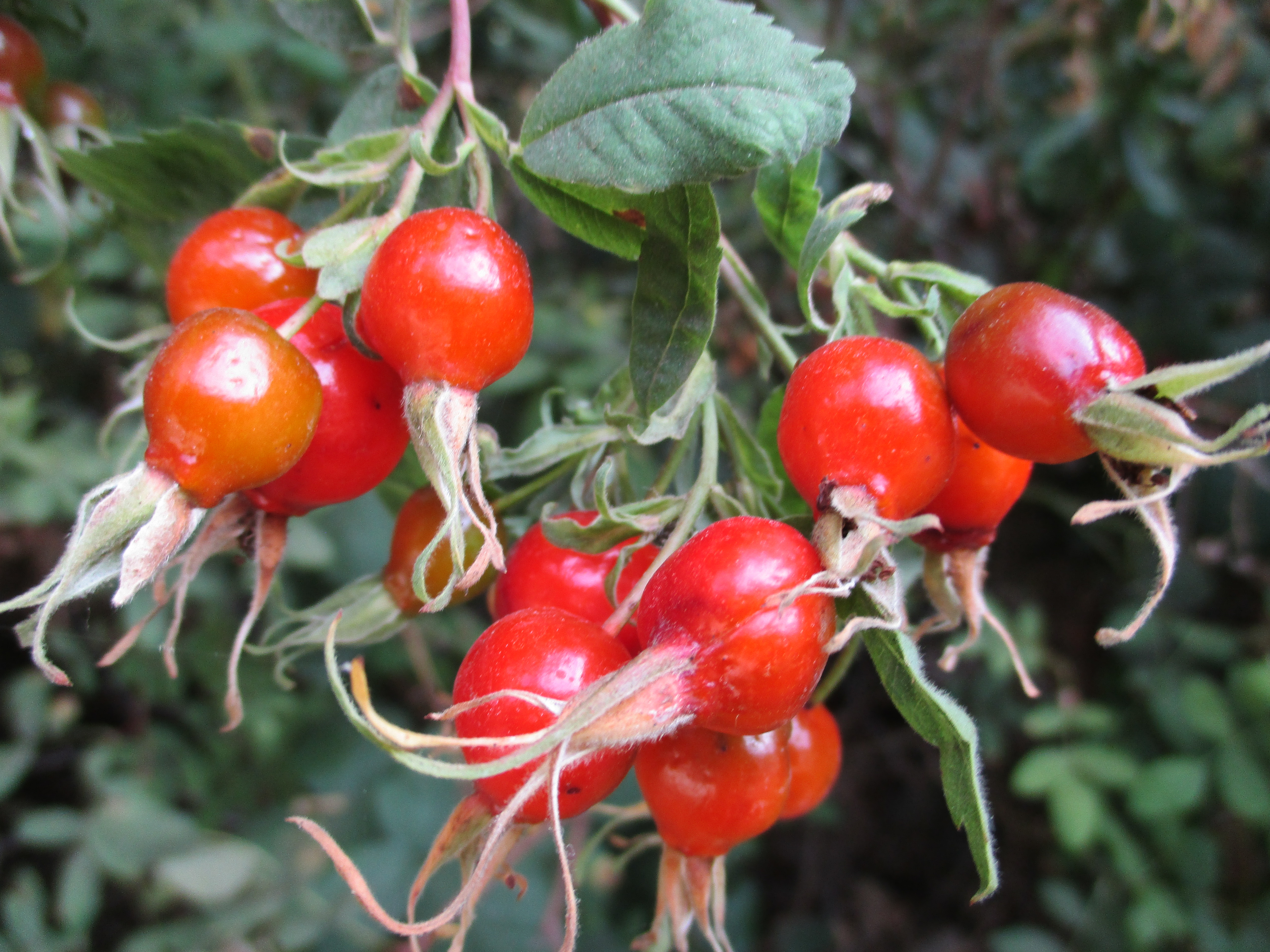
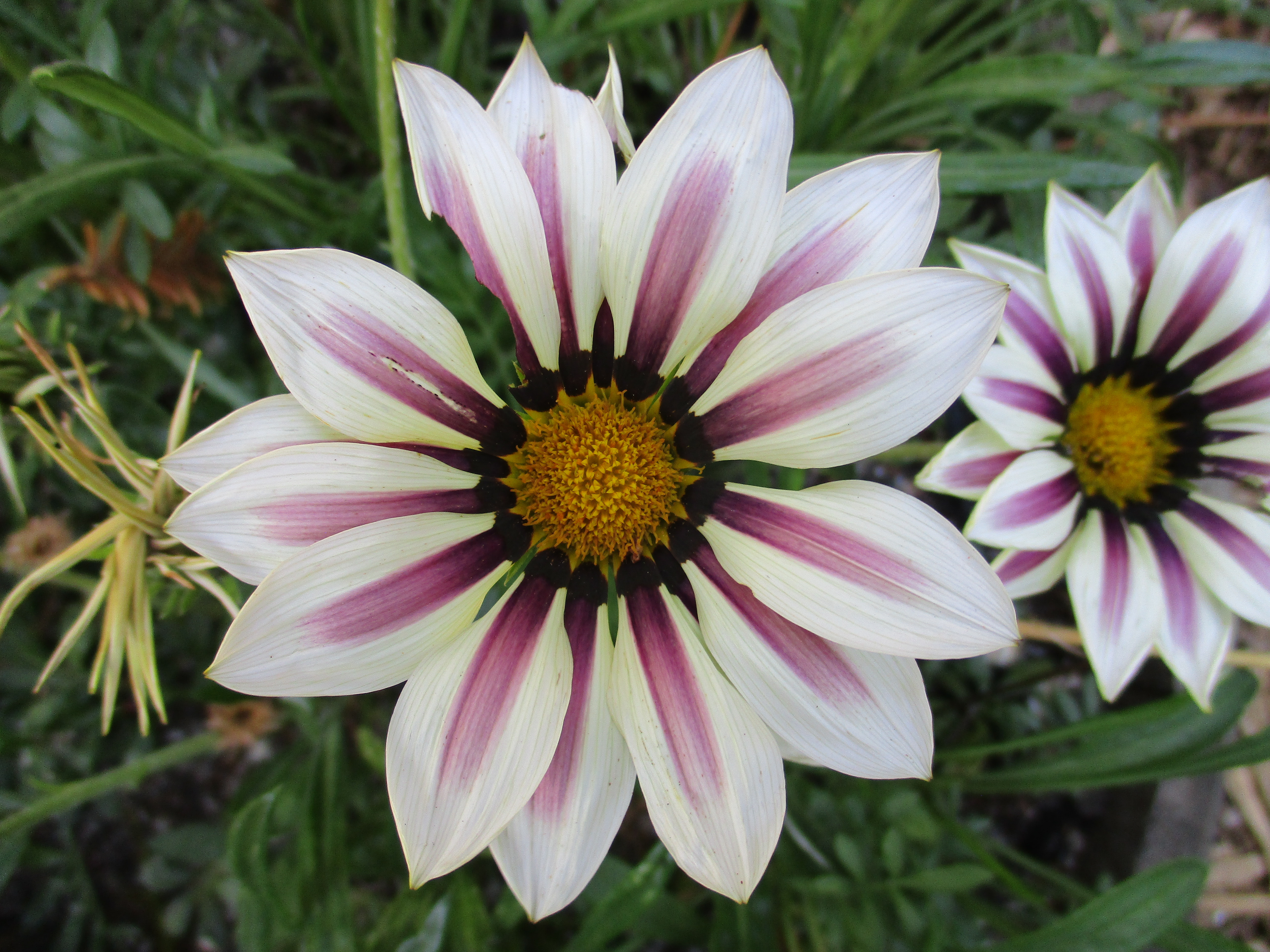
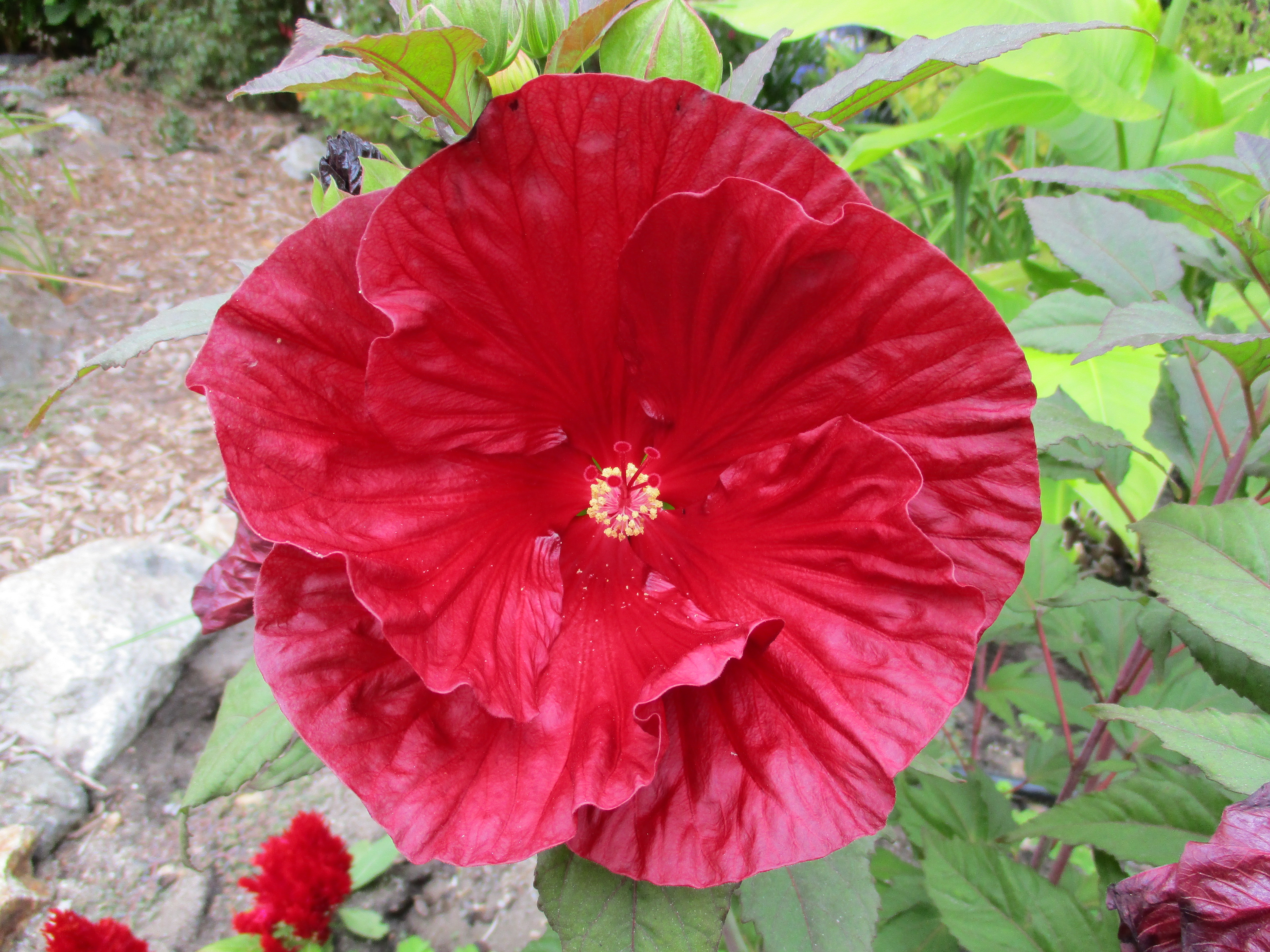
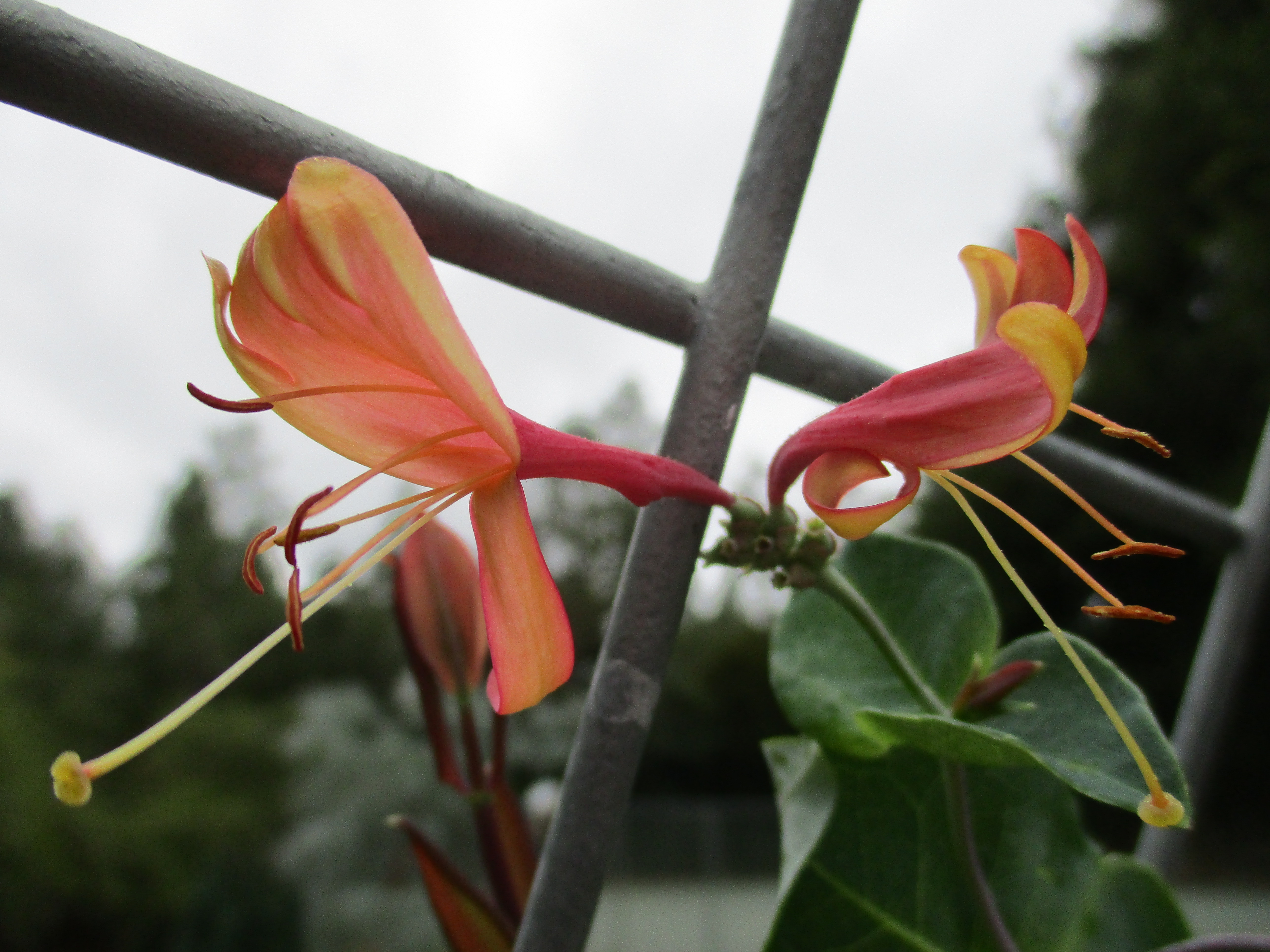

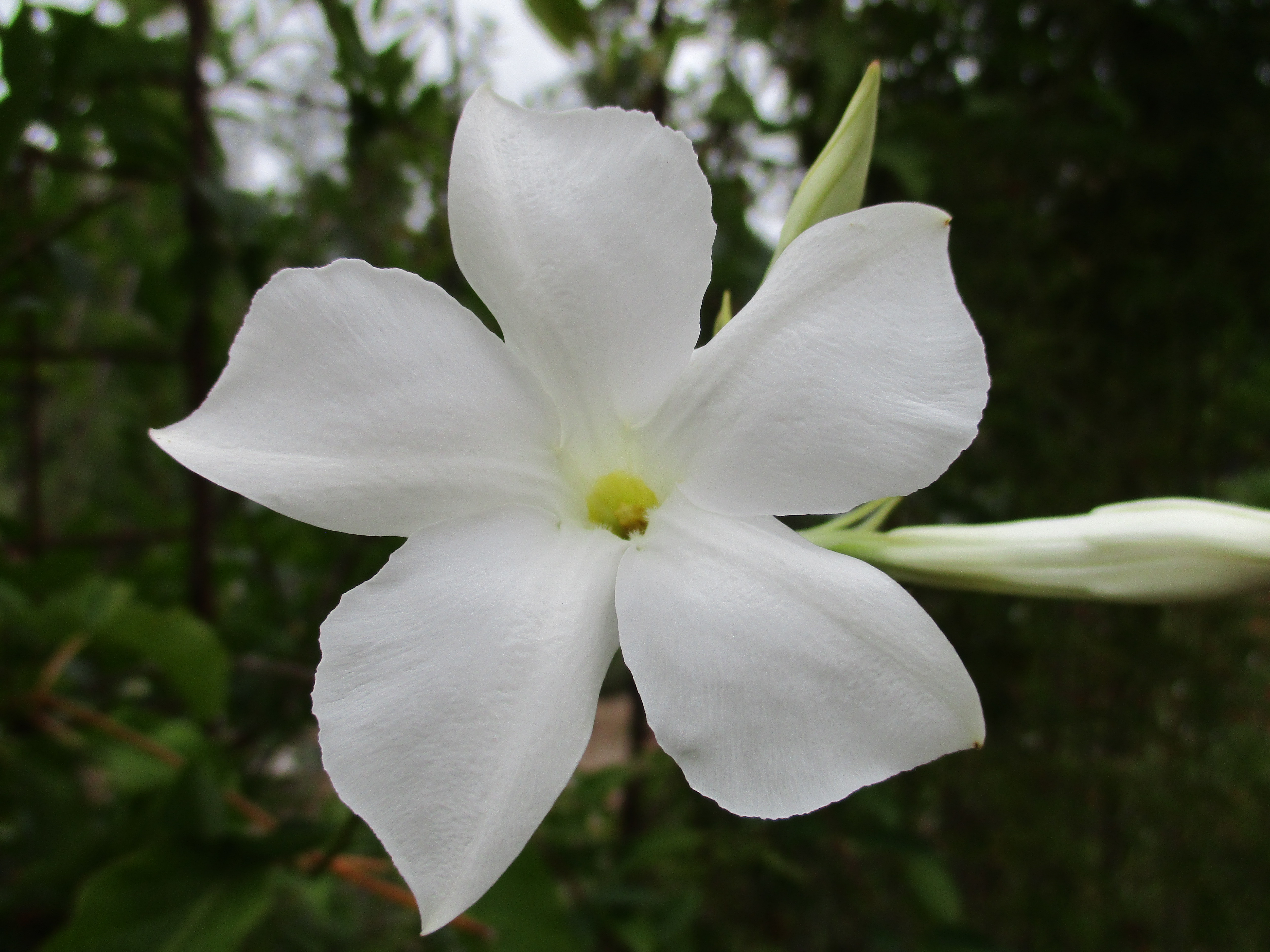
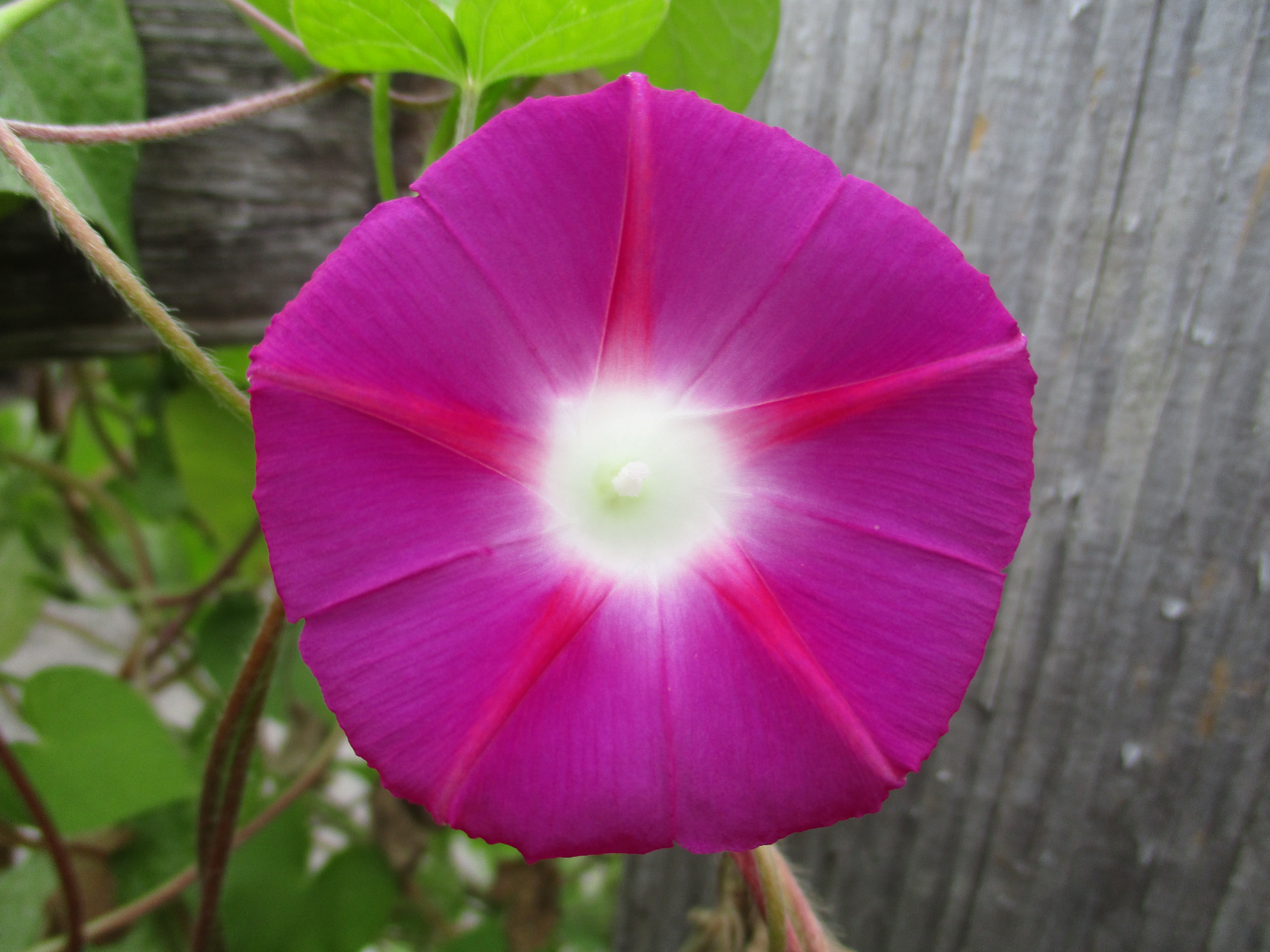

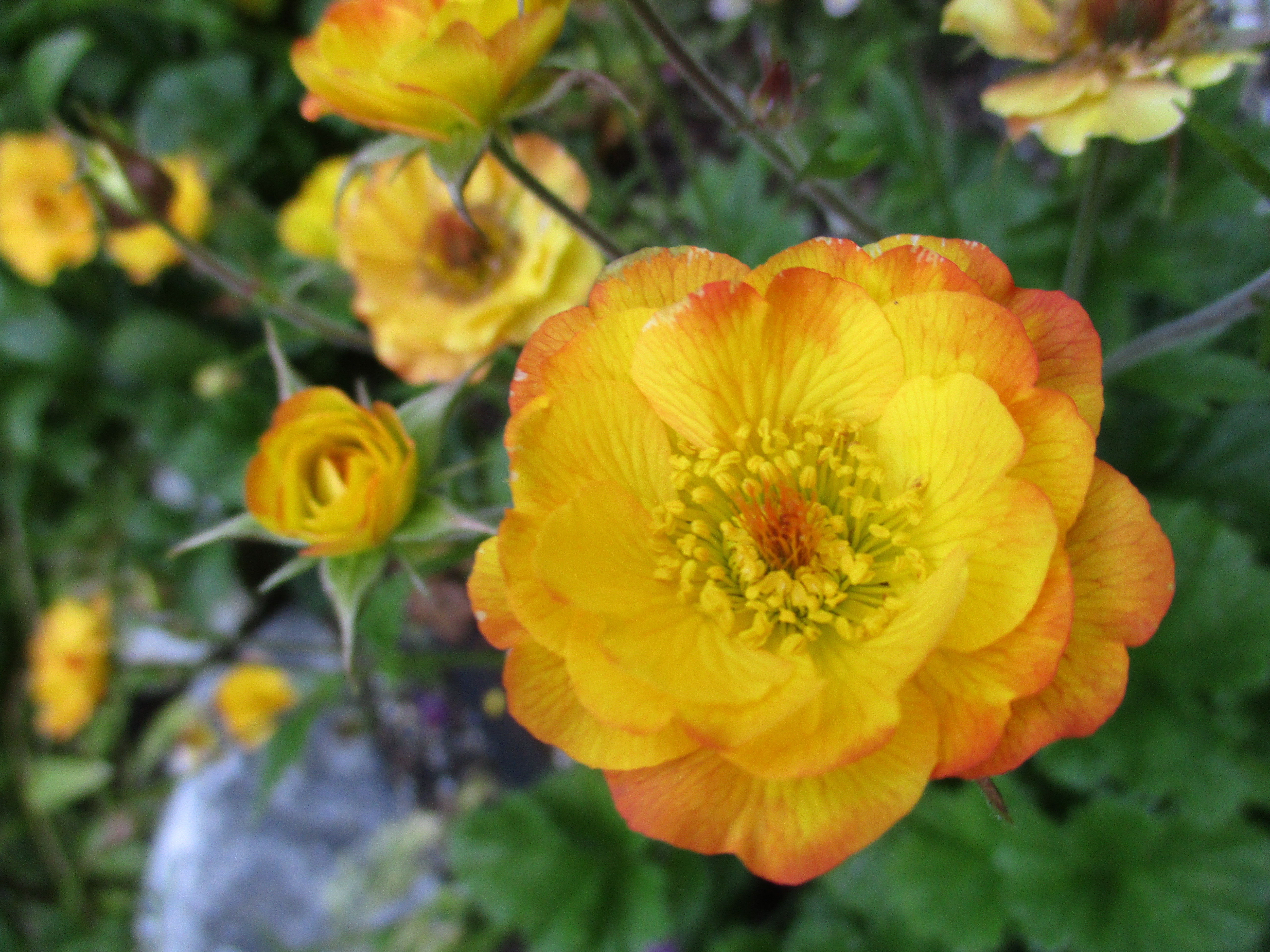
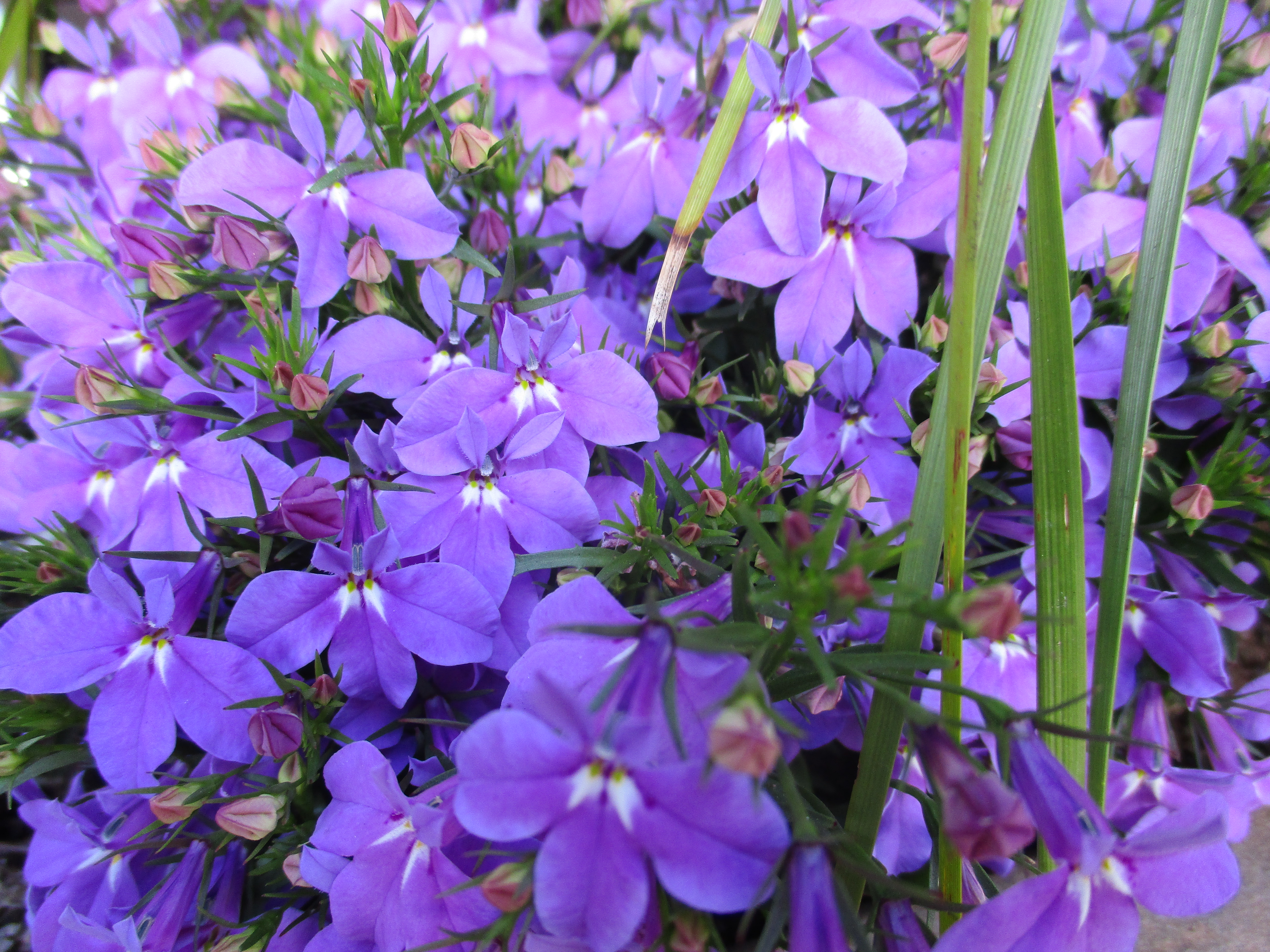
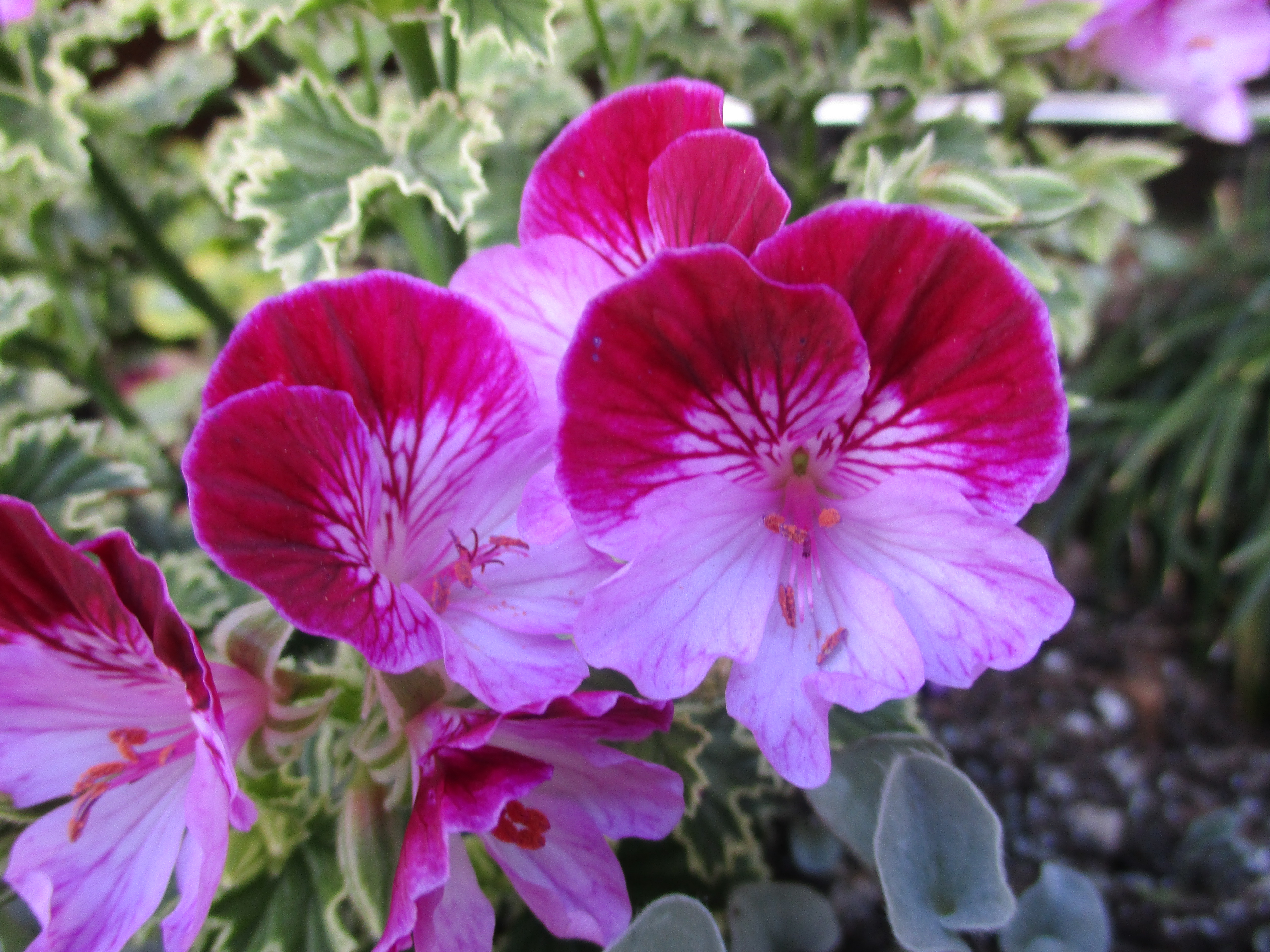


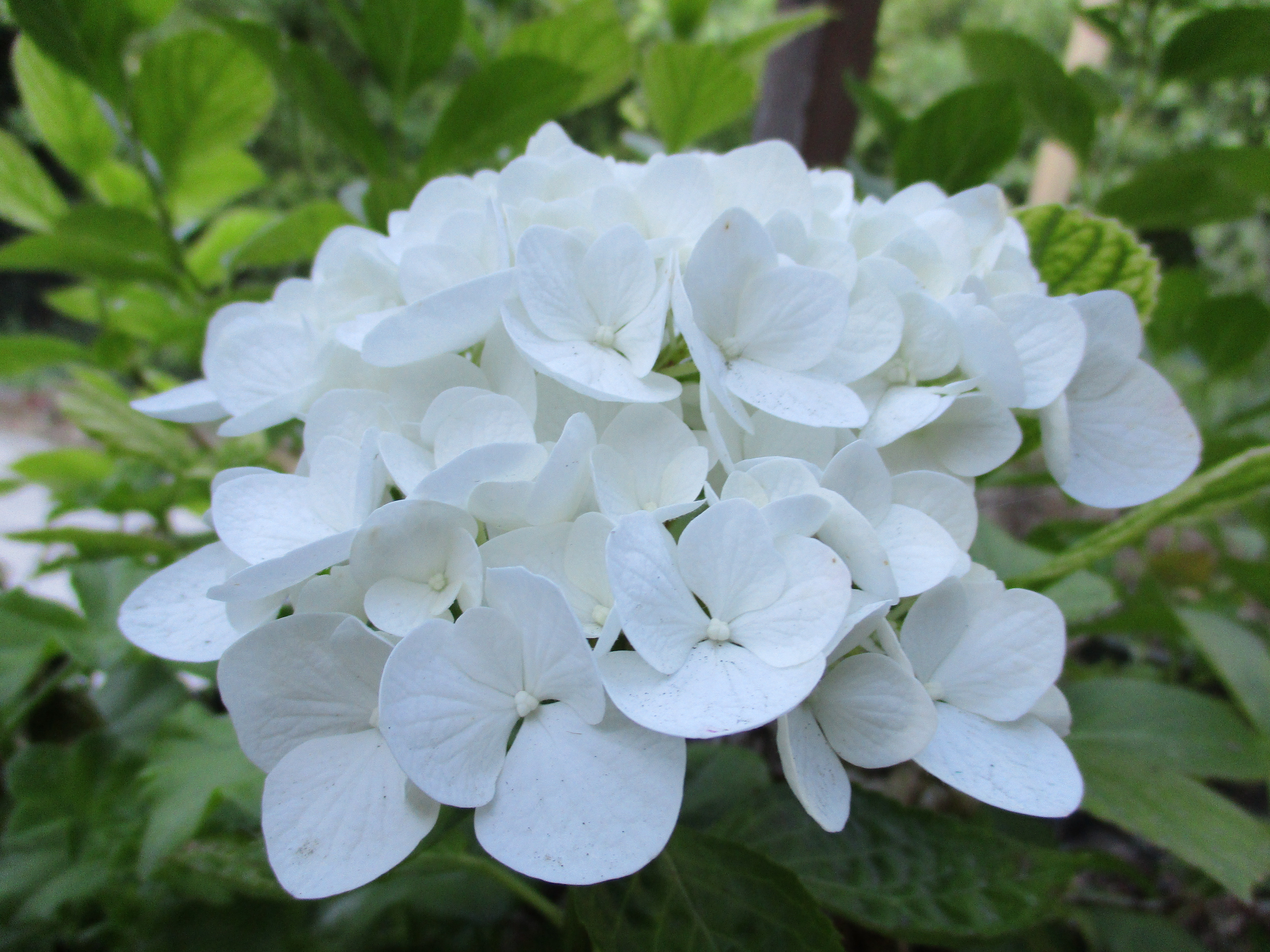
 Much of the color in the garden through autumn and winter is provided by foliage. Some foliage turns color as the weather gets cooler. Some had been blue, gray, gold, red, bronze or variegated all year, and just happens to get noticed more now that there is not much other color provided by flowers. There are a few flowers that bloom now or even later in winter, but not nearly as many as there were in spring and summer.
 Tony Tomeo