Six on Saturday: Bad Timing

Autumn seems to be a bit early this year. The weather is already cooler with a bit of rain. Although no more rain is in the forecast, neither is warm weather. Besides, even if warm weather resumes, it will not last long. Vegetation really should be getting ready for that. A few species, though, are behaving like it is spring or summer. Some were prompted to do so.

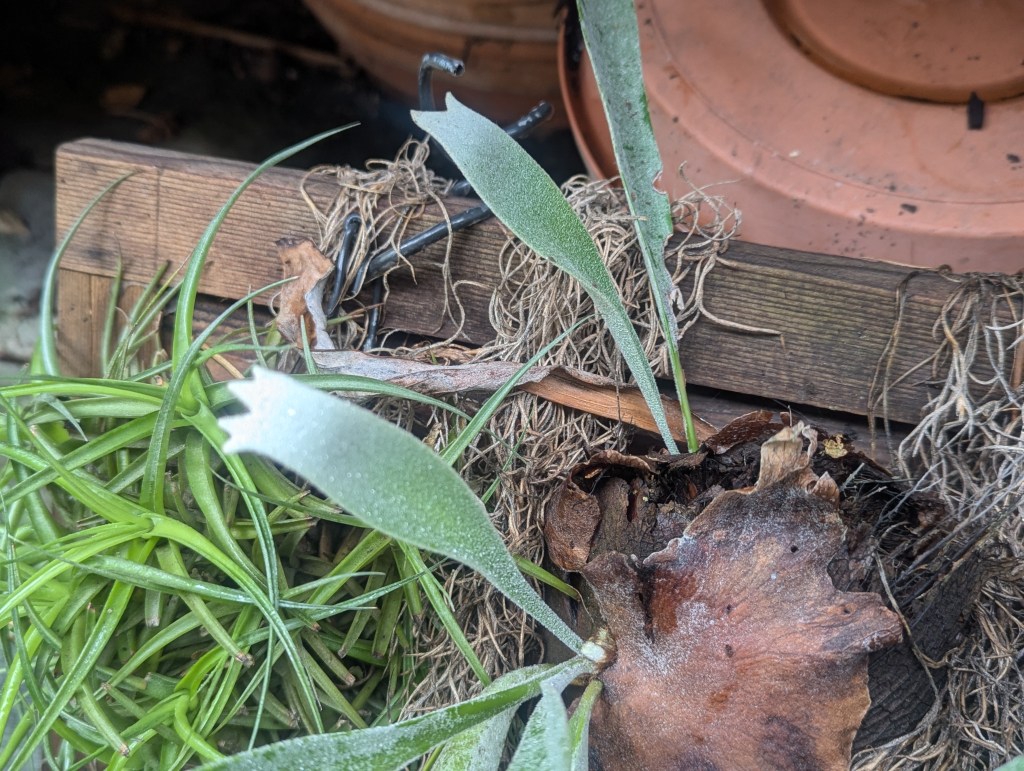
1. Platycerium bifurcatum, staghorn fern has been happy this year, but should not be so active now that the weather is cooling. New growth will be vulnerable to chill this winter.
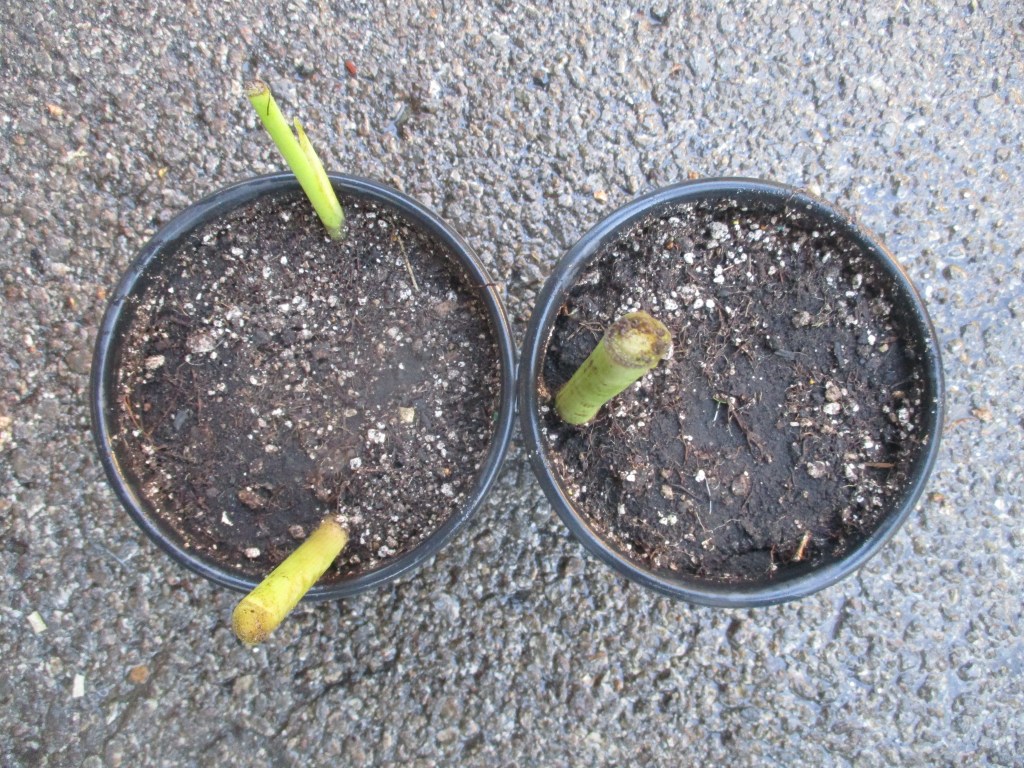
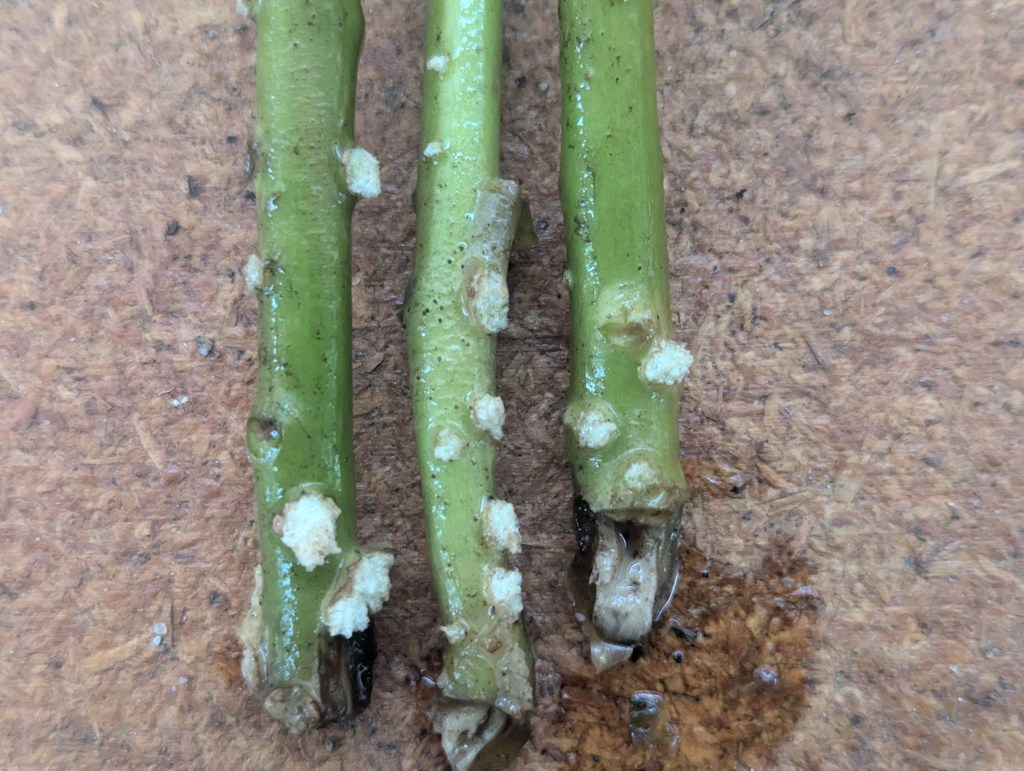
2. Solandra maxima, cup of gold vine cuttings are developing roots now that it will soon be too cool for them to grow. The pruning scrap just happened to become available now.
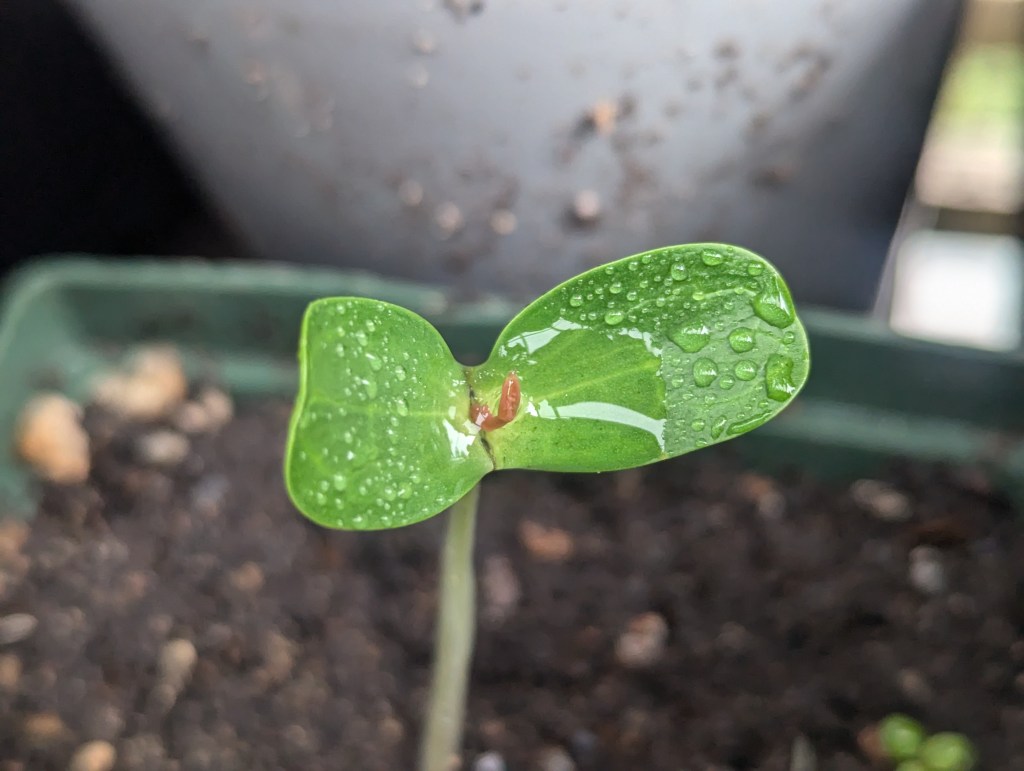
3. Prosopis velutina, velvet mesquite seedling had all summer to germinate, but decided to do so now. It is the only one of these ‘six’ that is not tropical, so it should know better.
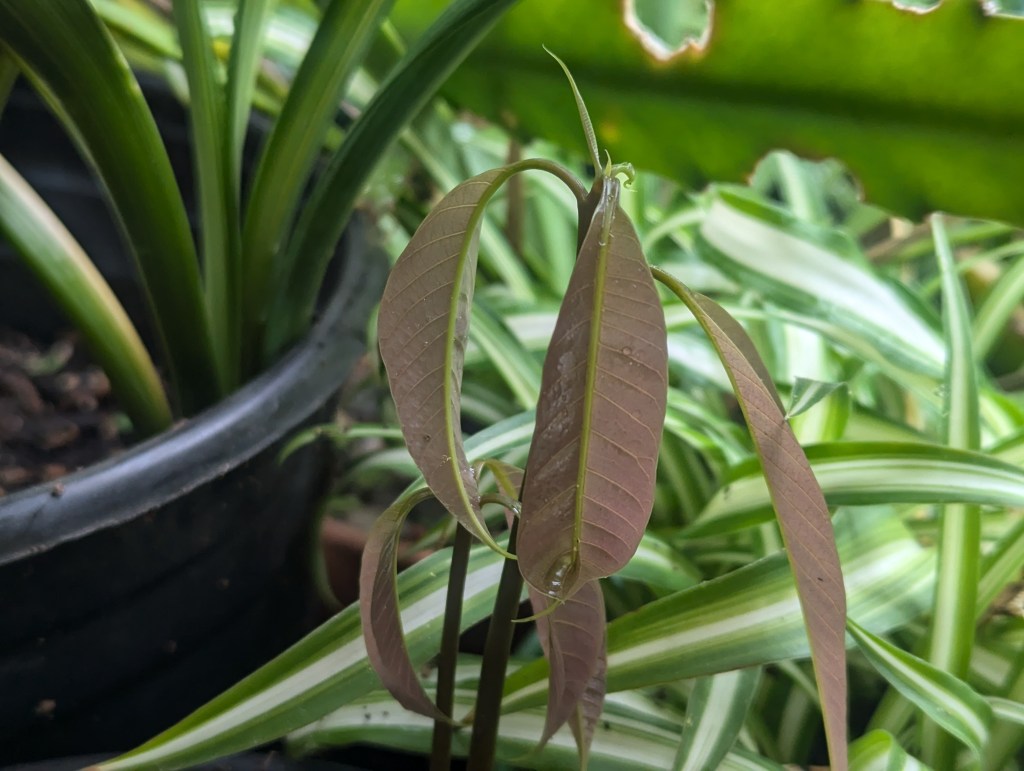
4. Mangifera indica, honey mango seed was sown after its fruits were eaten. Seasonality was not considered. Several seedlings are now growing just prior to autumn and winter.
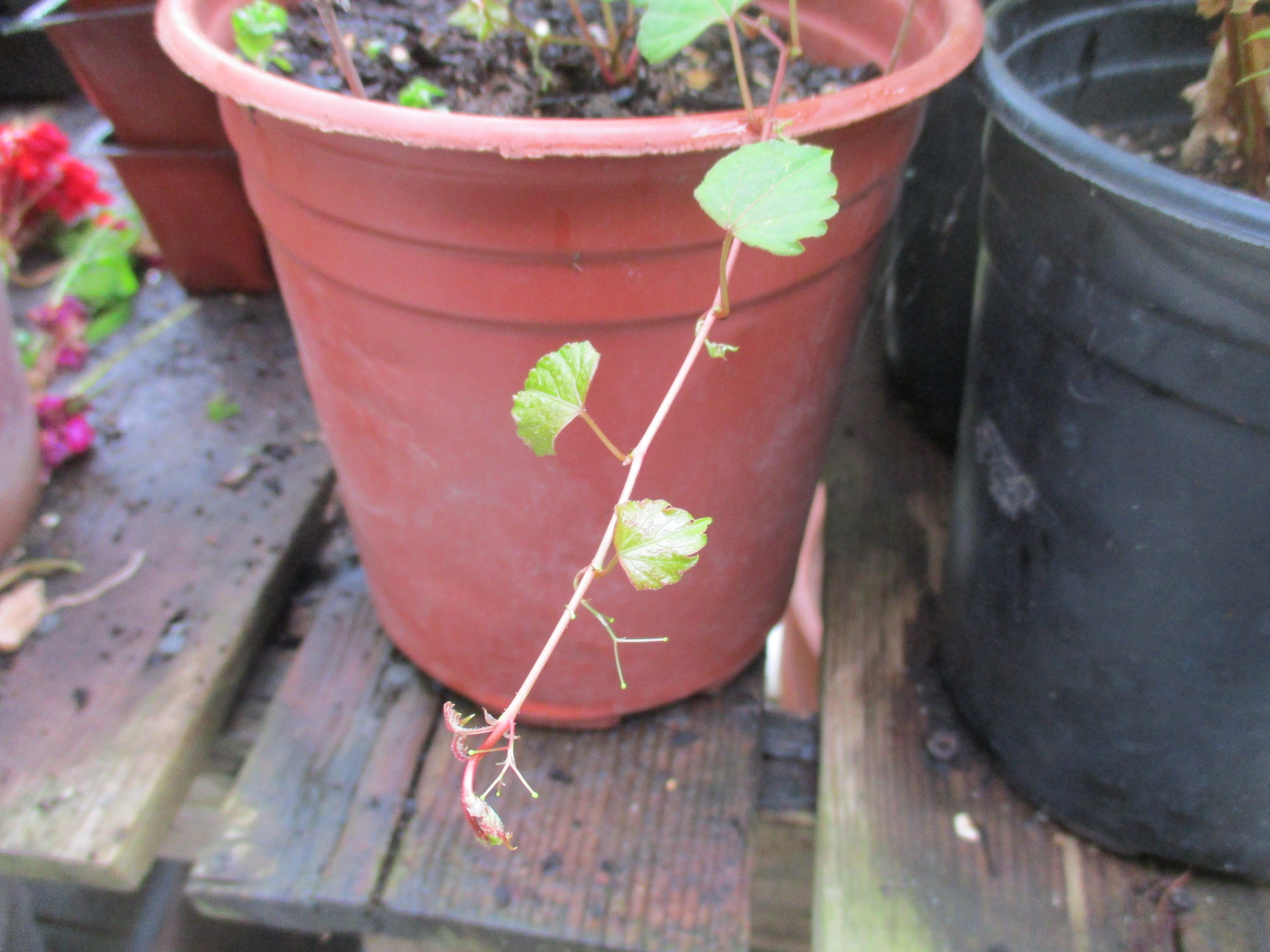
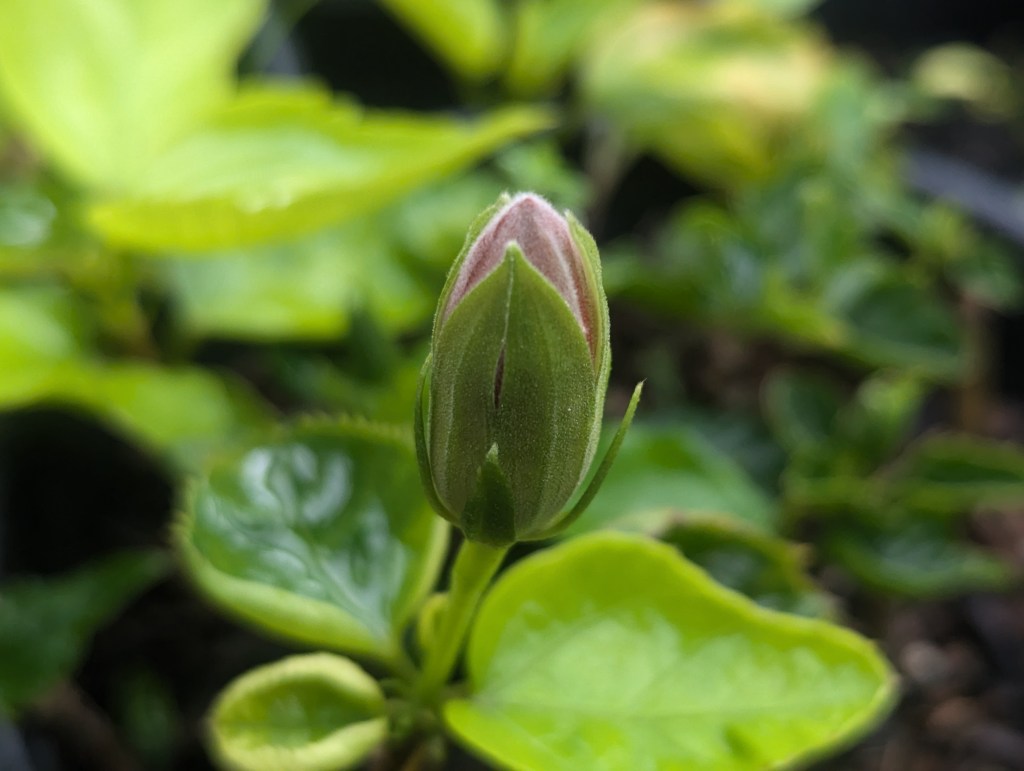
5. Hibiscus rosa-sinensis, tropical hibiscus cuttings have been growing slowly but surely since the end of last winter, but just as they should be slowing, they are trying to bloom.
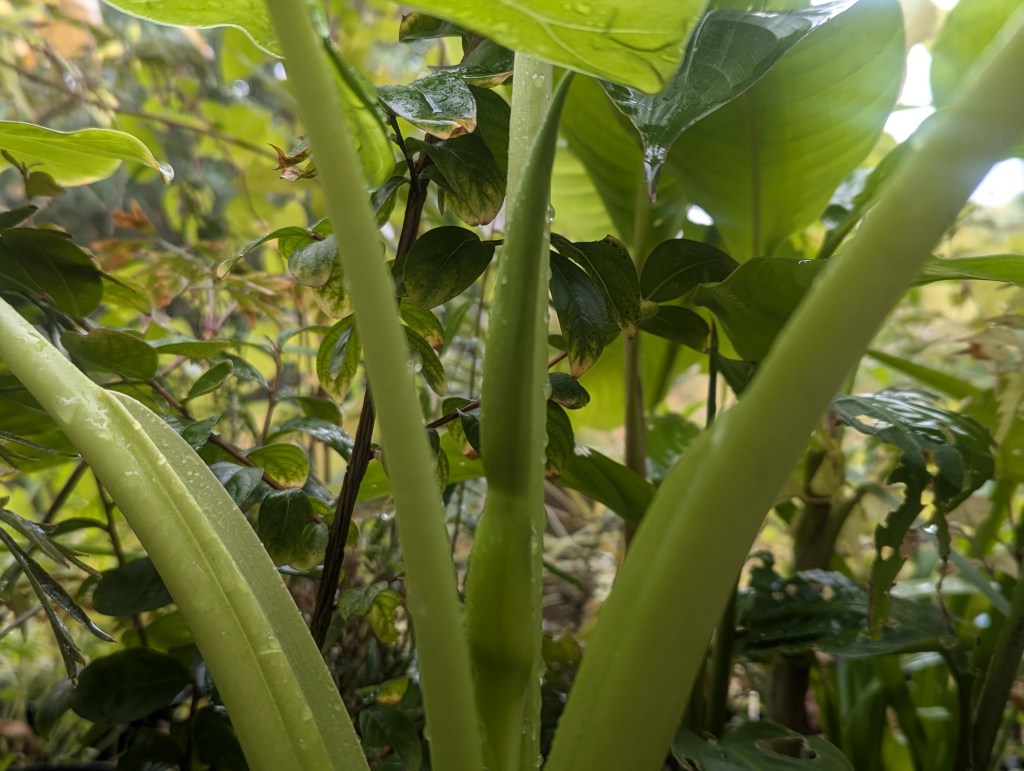
6. Alocasia macrorrhizos, taro is also trying to bloom just as it should be decelerating its growth for autumn and winter. It will be interesting to see how this late bloom proceeds.
This is the link for Six on Saturday, for anyone else who would like to participate: https://thepropagatorblog.wordpress.com/2017/09/18/six-on-saturday-a-participant-guide/

Sea Grape

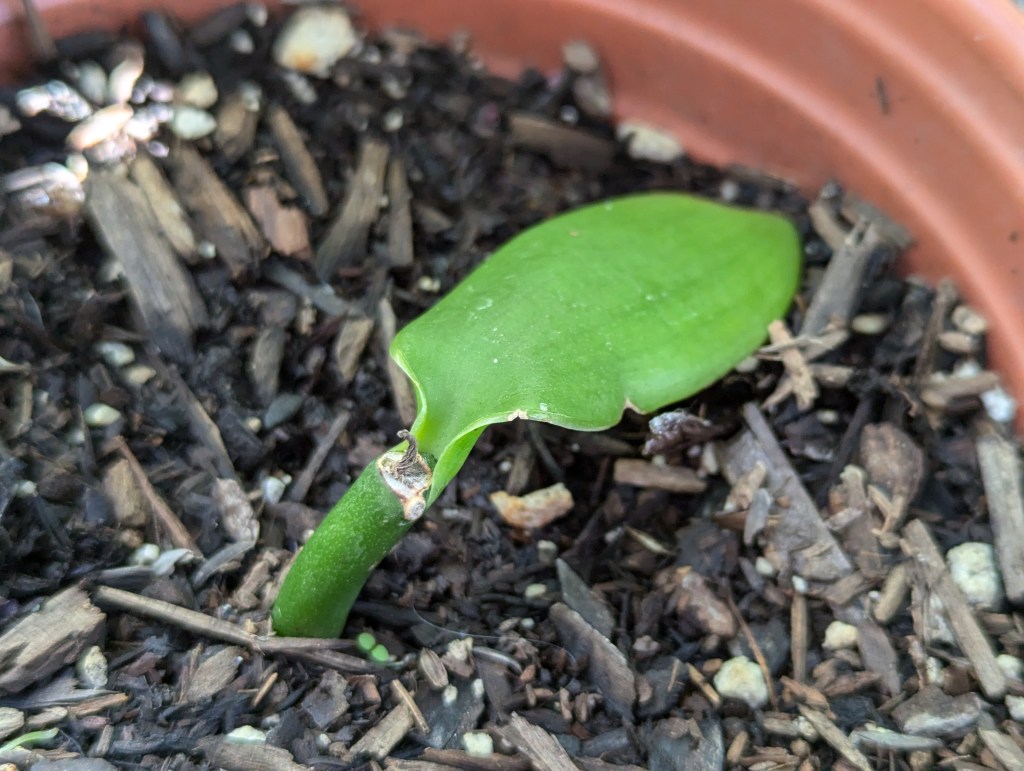
The Shrub Queen sent me seed for sea grape, Coccoloba uvifera. Naturally, it is now very important to me. I wanted to grow it before obtaining the seed. Now, I am obligated to grow it well! Some of the seed germinated readily. The problem is that slugs promptly ate the tops of the seedlings. Only one seedling survived without damage. It now has its first pair of leaves, and looks like a green butterfly. A second seedling that germinated shortly afterward retains one of its first pair of leaves, so could possibly survive. Hopefully, more seed will germinate later. Sea grape is dioecious; so the primary seedling is either male or female, and therefore unable to produce fruit without a mate of the opposite gender. Most sea grape are female; so even if the secondary seedling survives, there is more than a fifty percent probability that both the primary and secondary seedlings are female. If more seedlings germinate in the future, they will increase the probability that at least one will be a gender that is different from the others. Actually though, I would be pleased with only a single fruitless sea grape. The seed was such a generous gift.

Too Much Yucca

Yucca whipplei, which is now also known as Hesperoyucca whipplei, was the first species of Yucca that I met in the wild when I relocated to San Luis Obispo in 1985. Although it is too unpleasantly spiny for me to recommend it for home gardens, it is my favorite species of Yucca.

The only specimen of Yucca whipplei that inhabits our landscapes produced a few seed pods two years ago. I dried the seed and sowed them last year. I would have been pleased if a few germinated successfully. Instead, hundreds of them are now growing! Again, I grew too much of a good thing.

I can install several as a deer fence below a portion of my home garden. Although they grow only about three feet tall, deer will not try to jump over them uphill if they can not land beyond their painful foliage on the uphill side. However, if I put them three feet apart, only about twenty seedlings will be needed for approximately sixty linear feet of deer fence. That might be only about a twentieth of the hundreds that are now growing! They are still babies. I can worry about finding homes for them later.

Which Mesquite?

Is this velvet mesquite, Prosopis velutina, or honey mesquite, Prosopis glandulosa? It is still too young to identify. I suspect that it is velvet mesquite because I found its seed in a landscape in Surprise, Arizona, and velvet mesquite is the most common species within landscapes there. Also, the foliage of the trees that provided the seed resembled that of velvet mesquite more than that of honey mesquite, with relatively smaller leaflets. The bark was medium brown, so was not quite as dark brown as I would expect for velvet mesquite, but more brown than tan, as I would expect for honey mesquite. This little seedling may not look like much now, but it is the only survivor of the many seed that I collected. Only a few germinated, and slugs ate them before they extended their first leave beyond their cotyledons. This seedling germinated last, and was promptly canned in a four inch pot that I brought inside at night for protection. I hope that, before the end of summer, it grows large enough to survive winter. It should. Regardless of its identity, I hope to eventually use its stems for smoking and, if it grows large enough, barbecuing.

Six on Saturday: Too Much or Not Enough

Propagation without adequate propagation infrastructure can be disappointing. It might alternatively be a bit too rewarding. I prefer to propagate excessively, to compensate for expected losses. Consequently, I generate surplus much more often than I encounter any disappointment. One of the disappointments this week is actually the result of a surplus that occurred too late within the growing season of that particular species. I managed to find three other disappointments for half of these Six, but they are relatively minor, and should eventually be resolved prior to autumn. Even then, because these three particular species are vulnerable to chill while young, I intend to shelter them through winter. The surplus can eventually be shared with neighbors. It all works out.

1. Passiflora racemosa, red passion flower vine pruning debris was processed into a flat of thirty-six cuttings. I suspected that only a few would survive, but I was wrong. Oh my!

2. Citrus paradisi ‘Marsh’ grapefruit cuttings were initially about as numerous, but very few survived. They defoliated, and are still vulnerably dinky. They are ungrafted anyway.

3. Mentha spicata, mint is still going. There was already too much months ago, but I still plug its trimmings as cuttings. I should stop now. I should have stopped before I started.

4. Vanilla planifolia, vanilla is still doing nothing. Only this one of five cuttings survives. Its single exposed bud has been inactive for months. Perhaps a lower bud is doing more.

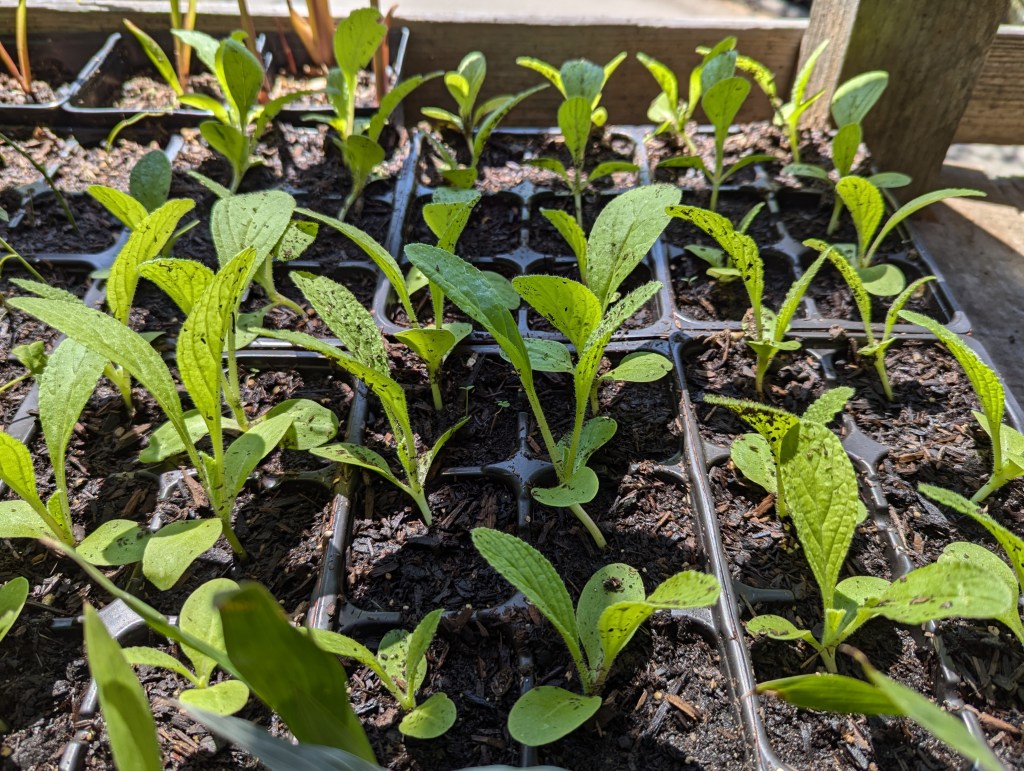
5. Borago officinalis, borage grew unexpectedly from expired seed that got tossed. These thirty-six, which are now in a filled flat, are too many at the end of their growing season.

6. Musa acuminata ‘Popo’Ulu’ banana is the eighteenth of twenty cultivars here, but this is its first new leaf since its arrival. It must grow more prior to autumn to survive winter.

This is the link for Six on Saturday, for anyone else who would like to participate: https://thepropagatorblog.wordpress.com/2017/09/18/six-on-saturday-a-participant-guide/

Six on Saturday: Williamsburg II

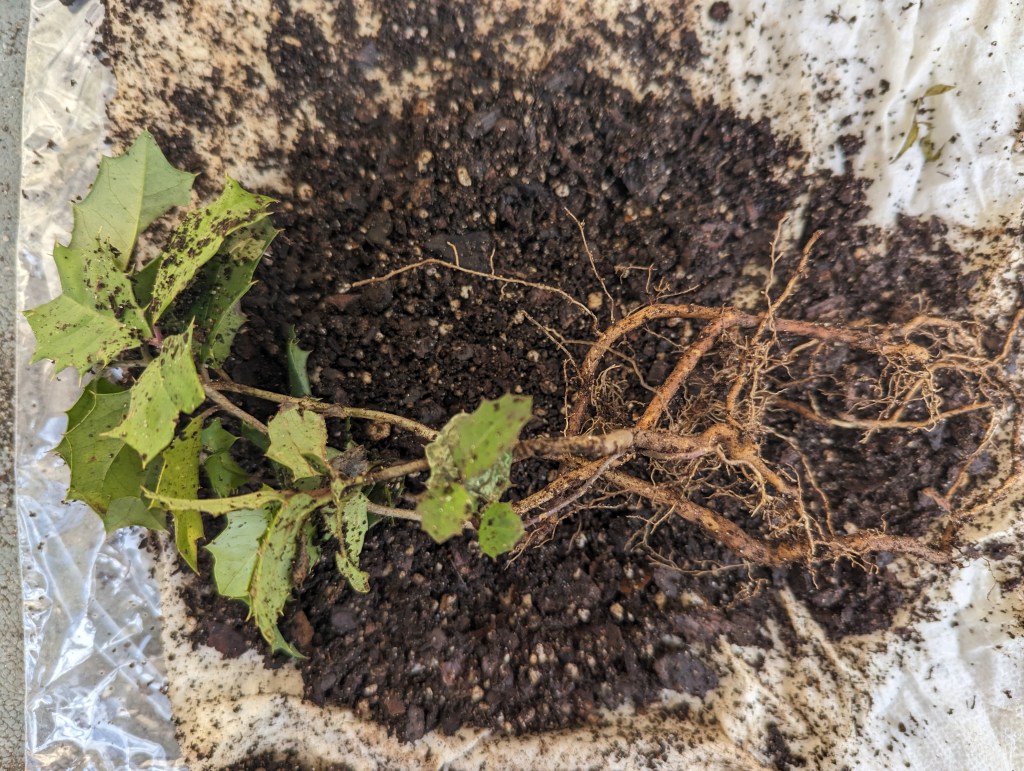
Woodland Gnome of Our Forest Garden awesomely sent me six seedlings of Ilex opaca, American holly from Williamsburg! I had been wanting to get more acquainted with this species since encountering it in school in about 1986, but never justified doing so before. It is unavailable from nurseries here anyway. As with beautyberry, esperanza, poinciana, red elderberry and several other species that I want to get acquainted with, I specifically wanted their wild form, as it grows from seed, rather than cultivars. This is exactly what these seedlings are. I am already very pleased with them, and we are barely acquainted.

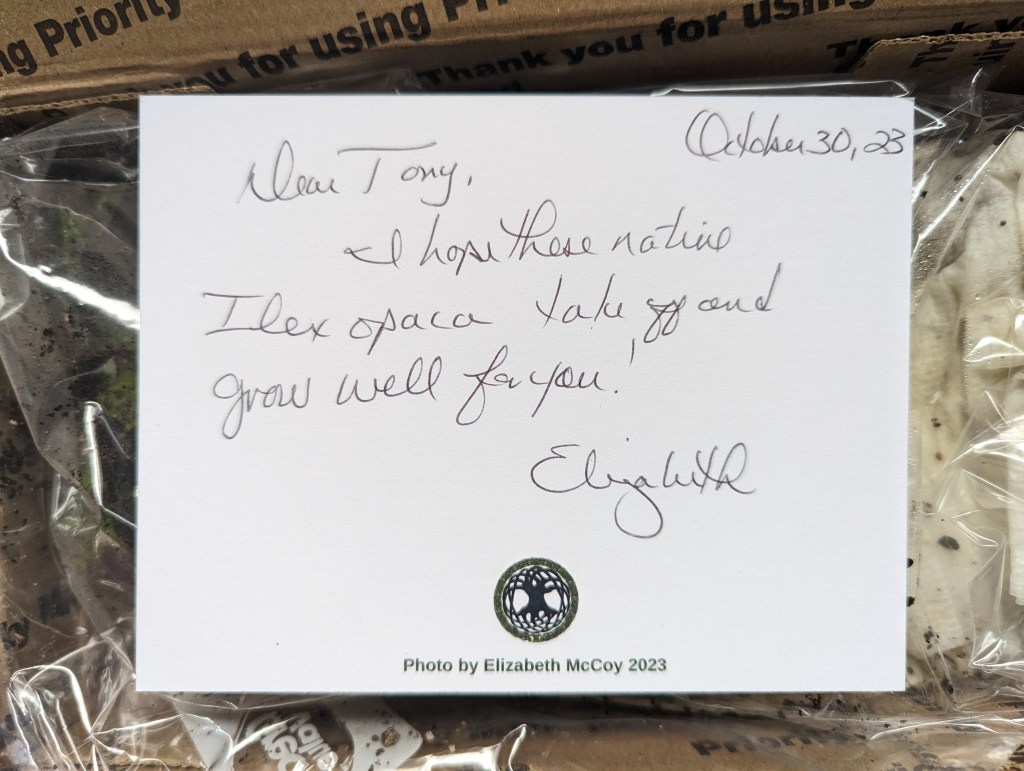
1. Cards and letters written by hand with ink on paper and sent by mail have become an old fashioned courtesy. It is gratifying to know that some still express such graciousness.

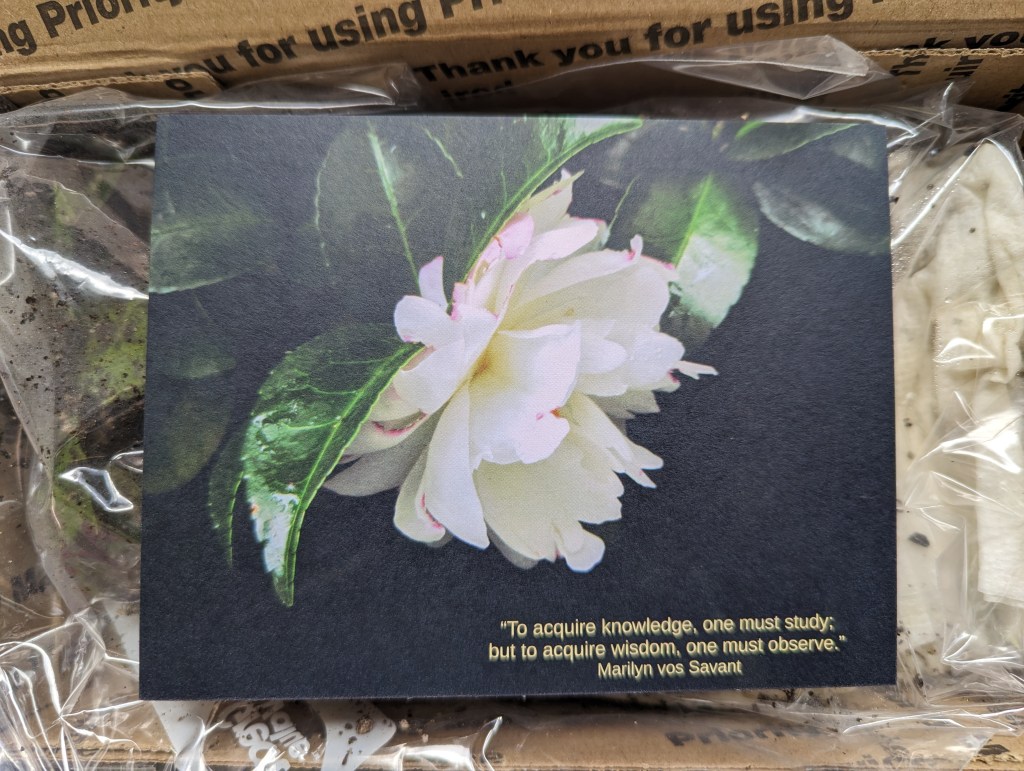
2. Camellia sasanqua, sasanqua camellia is the illustration for the other side of the card. It very likely bloomed where the contents of the parcel originated from in Williamsburg.

3. Ilex opaca, American holly was the contents of the parcel. There are six seedlings. For me, this is a remarkable acquisition, like beautyberry, red elderberry and Louisiana iris.

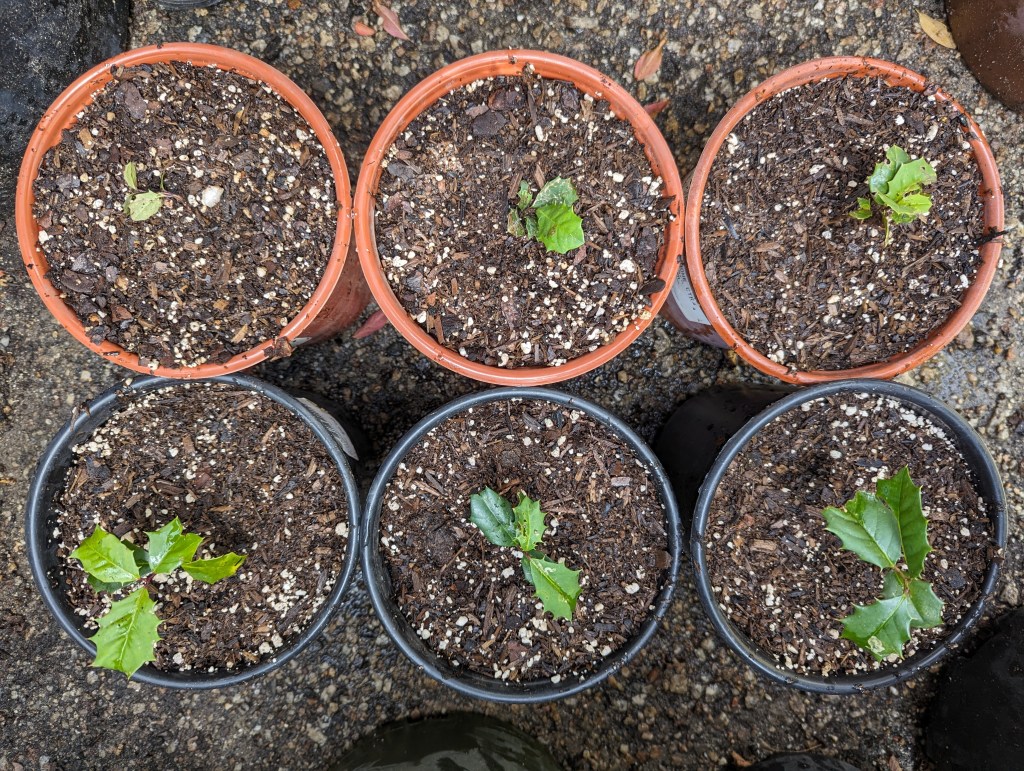
4. Ilex opaca, American holly seedlings were canned and happy shortly after arrival here two weeks ago. They can now disperse roots through winter to sustain growth next year.

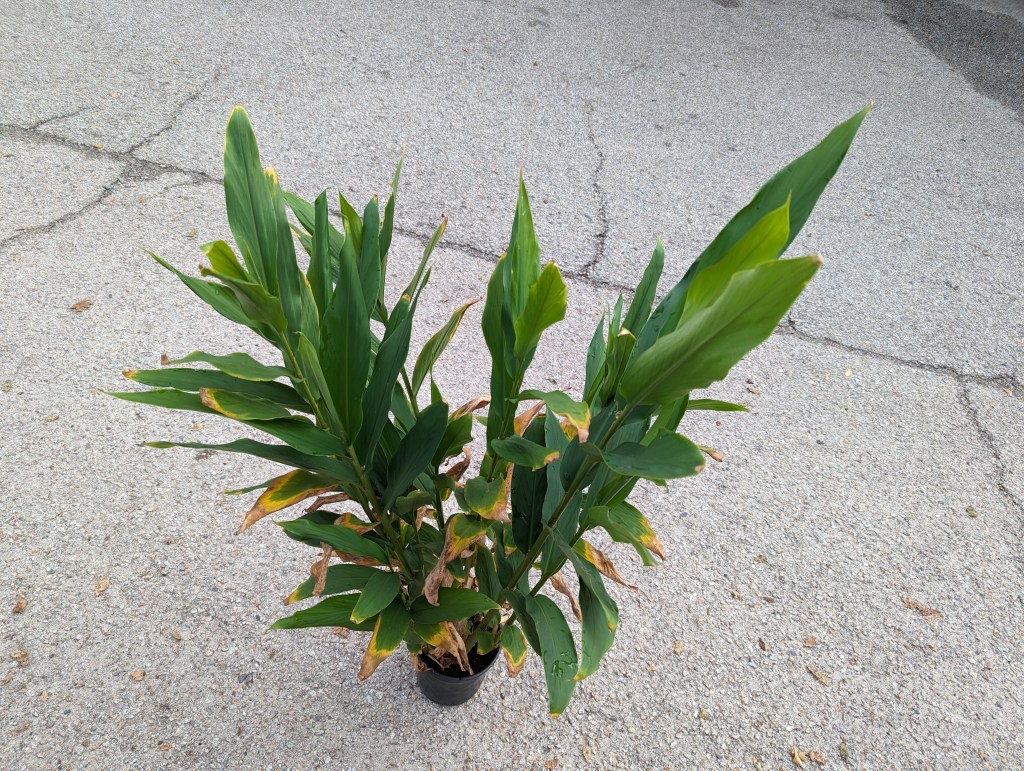
5. Hedychium coronarium, white butterfly ginger came from the same source two years ago. Some was planted at the Chapel. This remaining specimen is higher than three feet. It really wants to be in the ground. The mild warmth last summer likely inhibited bloom.

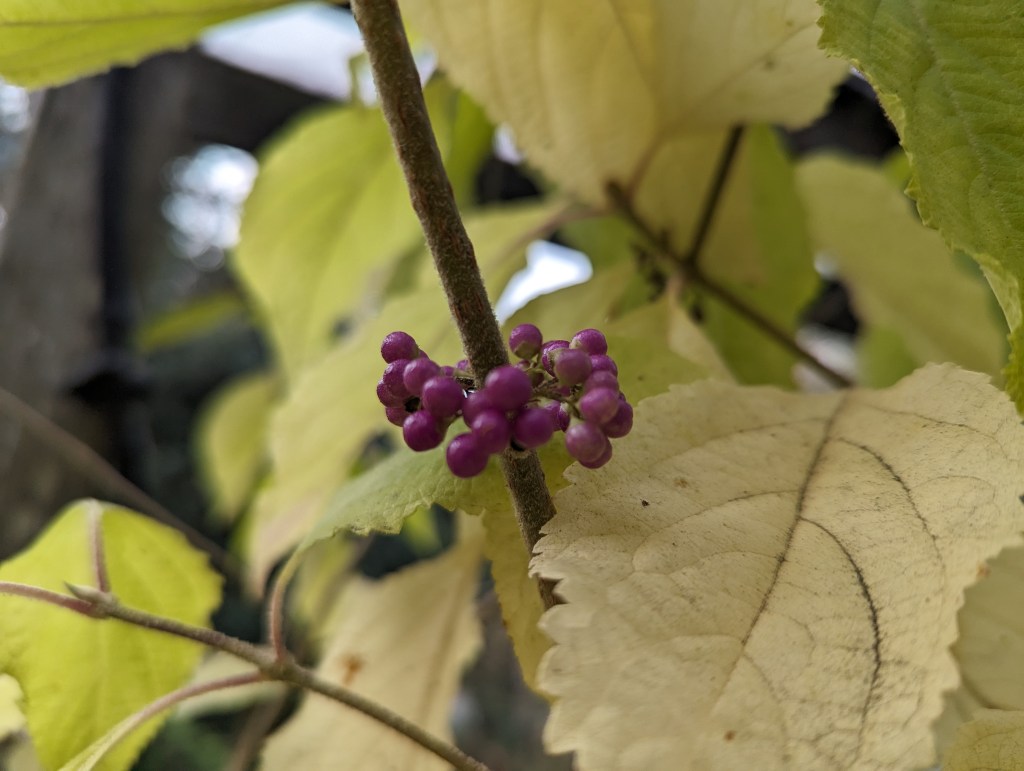
6. Callicarpa americana, American beautyberry was an even more excellent acquisition two years ago. The mild warmth last summer likely inhibited the ripening of the berries. Larger clusters of berries are still green. This yellow foliage will likely be gone after rain.

This is the link for Six on Saturday, for anyone else who would like to participate: https://thepropagatorblog.wordpress.com/2017/09/18/six-on-saturday-a-participant-guide/

a Tale of Two Jacarandas

Jacaranda seedlings from this year will be ready to grow next year.

Los Angeles is about three hundred and fifty miles to the southeast of Los Gatos. Relative to the number of different climates between here and there, the climates of the two specific locations are surprisingly similar. Nonetheless, they are not completely similar. Winter weather is somewhat milder within the Los Angeles region, with only minimal frost. Some coastal climates there lack frost. Also, spring weather there is a bit warmer than here.

Jacaranda mimosifolia perform spectacularly with such mild winter weather and warm spring weather. Without frost, or even with minimal frost, they can grow taller than thirty feet, and eventually grow broader than tall. After defoliating for the end of winter or beginning of spring, they bloom for late spring, immediately prior to refoliation. Their awesomely vivid blue bloom is almost as profuse as their subsequent foliage. No other tree of comparable size compares to their floral color or floral profusion. That is why jacaranda are so much more popular within the region of Los Angeles.

Here, occasional moderate frost inhibits comparable performance. Trees are generally smaller and more compact, with more globular form. Vigorous growth that develops after frost damage can be structurally deficient, but heavy with lush foliage. Bloom is more sporadic amongst such vigorously vegetative growth. Although very pretty by local standards, jacaranda is not quite as exquisite as it is within the region of Los Angeles.

Nonetheless, I am growing some. A colleague brought me a seed pod from which I extracted seed. Fortunately, only a few more than two dozens seedlings survived a late frost last winter. Otherwise, many more would eventually be in need of homes. A few will likely inhabit our landscapes. A neighbor wants a few. Any extra jacaranda trees can be shared with other neighbors, like so much other surplus.

What Is This?! III

Could it be lychee?

Prior to the identification of Hibbertia scandens last week, another mystery arrived. I probably should have mentioned it earlier, but as with the previous mystery, I thought that I would have identified it before I felt compelled to mention it here. Unlike the previous mystery though, I did not recognize it as something that I had encountered in the past.

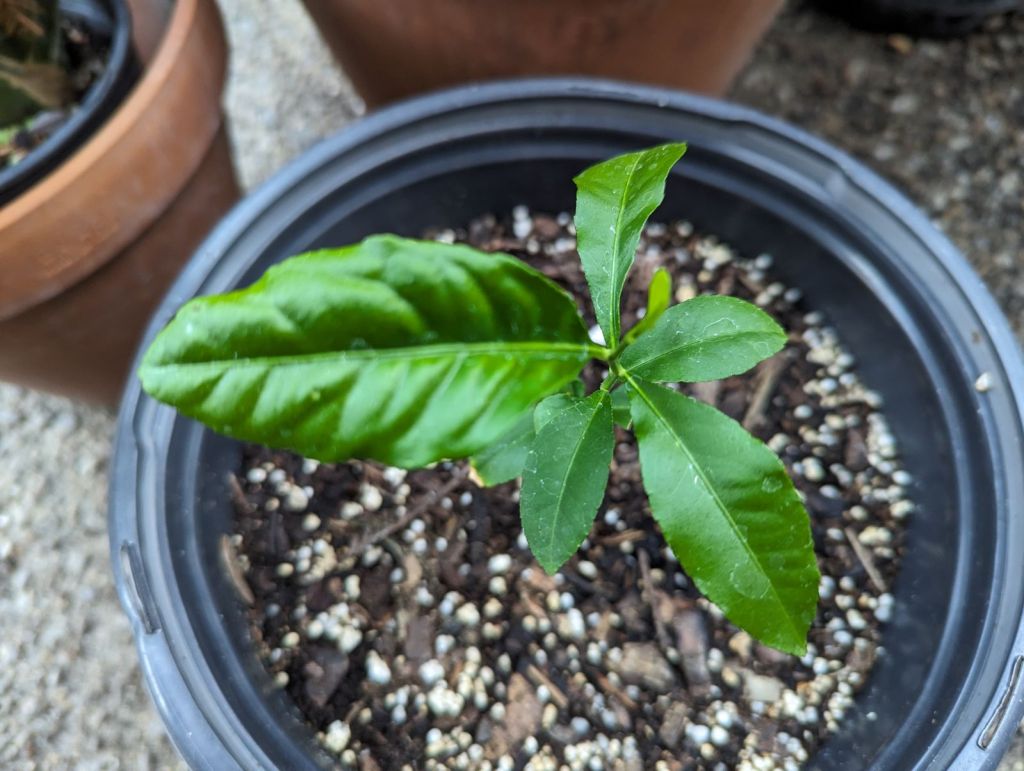
Someone with whom I work, who is not so horticulturally oriented, brought it from one of the homes that he was working at. It had been left by a former tenant. Initially, I thought that it was merely a can of otherwise unused media in which a common bay laurel seed had germinated. However, it is not a bay laurel seedling. Also, contrary to how it appears in the picture, it is remarkably centered within the can, as if intentionally plugged there.

Initially, I thought that it resembled coffee, Coffea arabica. However, coffee exhibits opposite leaf arrangement, and these leaves are alternately arranged. Besides, viable unroasted coffee seed is not exactly common. Now, I sort of suspect that it could be lychee, Litchi chinensis. Although uncommon, seeded lychee fruit are not as rare as unroasted coffee. Although their leaves are so closely paired among mature specimens that they seem to be oppositely arranged, they are technically alternately arranged, and more obviously so among juvenile growth. If this is lychee, it will not produce identifying bloom for a few years.

Realistically, immediate identification of this seedling is unimportant. I could have put less effort into discarding it than I put into writing about it. Therefore, I will merely give it what it needs until it grows enough for identification. I will not mind discarding it if I identify it as something that is useless. Otherwise, I can find it a home.

Six on Saturday: Williamsburg!

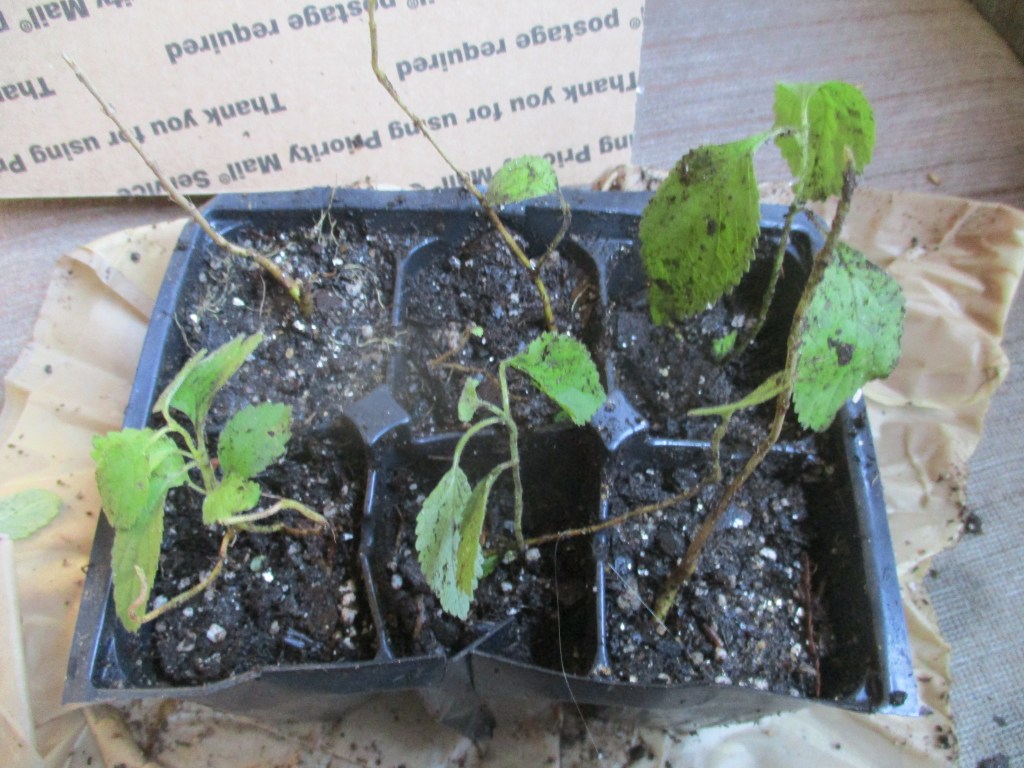
Williamsburg in Virginia is one of those magical places that I heard about when I was a tyke, but have never been to. My parents went there as newlyweds, as they were considering relocating to Vienna, which is also in Virginia, near Washington. Well, Woodland Gnome of Our Forest Garden happens to be there, and sent me some seedlings of the native American beautyberry that I have been wanting to grow for a very long time! They arrived on Thursday. I retrieved them yesterday. As I prefer, they are what grows wild there, rather than cultivars.

1. Packages in the mail are so much fun! This package came all the way across North America, from Williamsburg in Virginia! That is farther than Ilwaco! Heck, that is farther than Oklahoma!

2. Hand written notes attached to such packages demonstrate impeccable cultural refinement. Oh my, I do not write such notes because it seems to me that no one appreciates them anymore.

3. Beautyberry seedlings in a six pack are the first of the species that I ever met! They looked neater after I set the six pack within another for added integrity, and rinsed the potting media off.

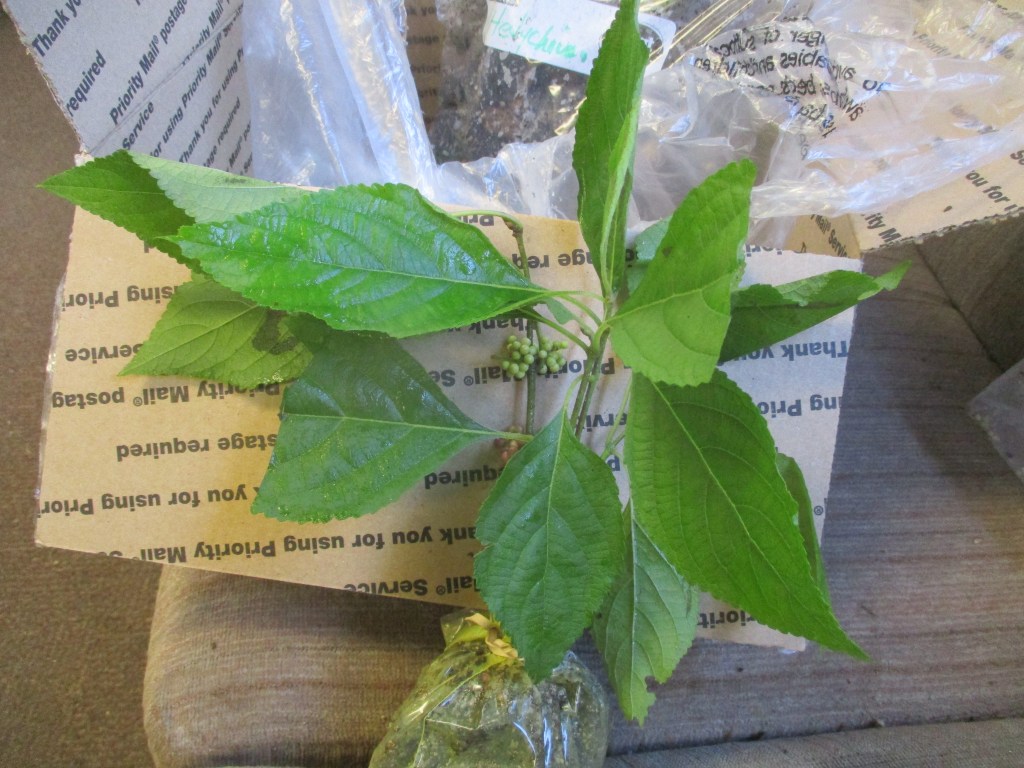
4. There are cuttings also! I have not processed these yet, but should do so in the morning. The foliage remains firmly attached, so will stay with these cuttings until they defoliate for autumn.

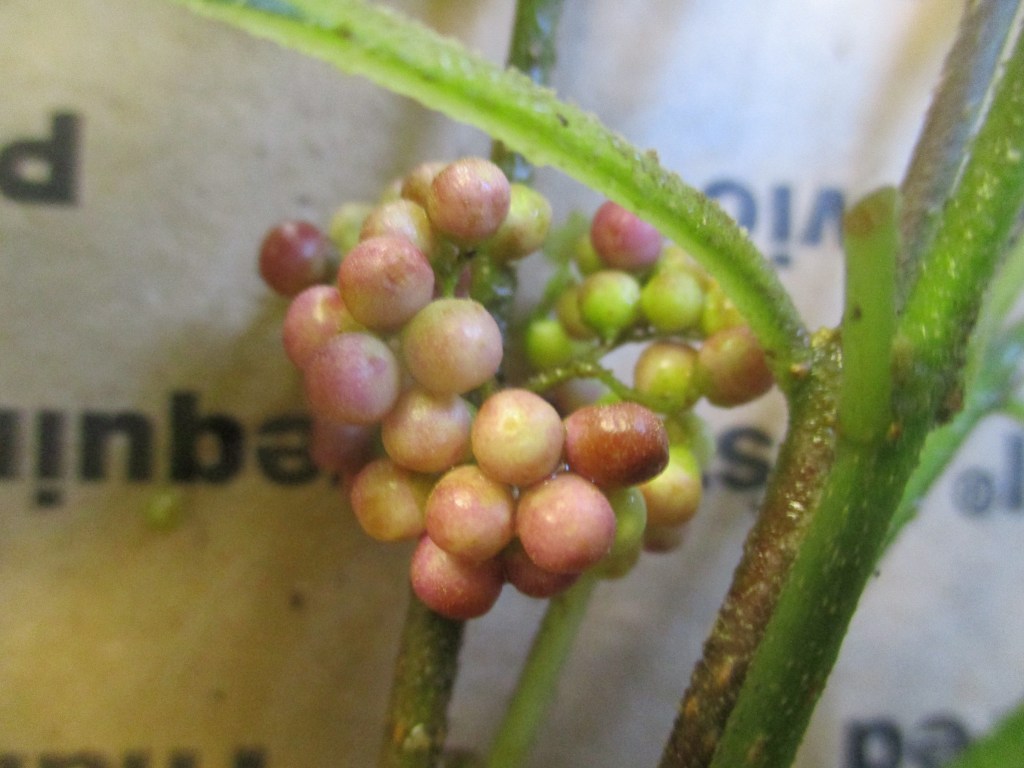
5. Berries that are attached to the cuttings might contain viable seed. They will likely be sown in the same cans that the cuttings get plugged into. If there are many, they will get separate cans.

6. Butterfly ginger is a major bonus in the package. It is another species that I had been wanting, but had not yet procured. If its bloom is white enough, some of it may go live at the Cathedral.

This is the link for Six on Saturday, for anyone else who would like to participate:

Six on Saturday: Nursery Schooled

Horticulture can be such a bad habit. (Where have I heard that before?) Once one learns how to grow horticultural commodities, it is difficult to stop. Pruning scraps get processed into more cuttings. Self sown seedlings get relocated instead of discarded. Extra pups (divisions) get salvaged as if the garden can accommodate more. There are several acres of landscapes here, but it is not enough for what we could grow.

1. While dividing a bunch of Morea bicolor, I found a single shoot of Morea iridioides. How did that get in there? I should have discarded it. Perhaps it will grow to become something useful.P00725-1

2. Pruning scraps of zonal geraniums got plugged as cuttings, but then did not get separated as they grew. There may be a dozen in there. They are nice, but we really do not need any more.P00725-2

3. When composting just is not good enough, plug cuttings instead. There may be a dozen Ponderosa lemon cuttings here. One is too many. They are not grafted, so will be on their own roots.P00725-3

4. Boston ivy is fortunately not as abundant as I thought it would be. We wanted four, so I plugged a hundred cuttings. It seemed to make sense at the time. Most did not survive. Plenty did.P00725-4

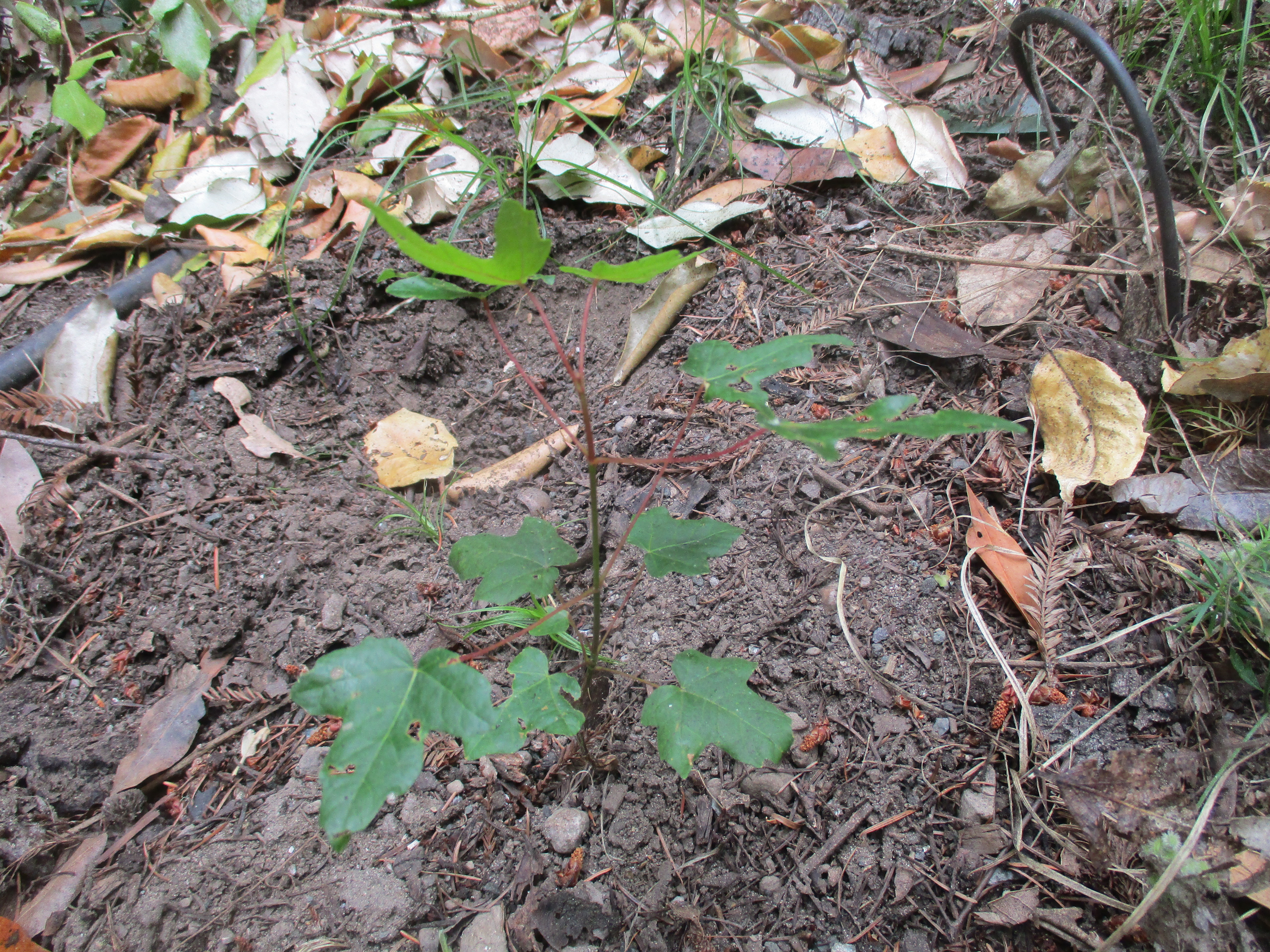
5. This self sown bigleaf maple is not in the nursery, but I want it to be. It should not remain where it is. I may dig and can it this autumn, as if there is a situation into which to install it later. P00725-5

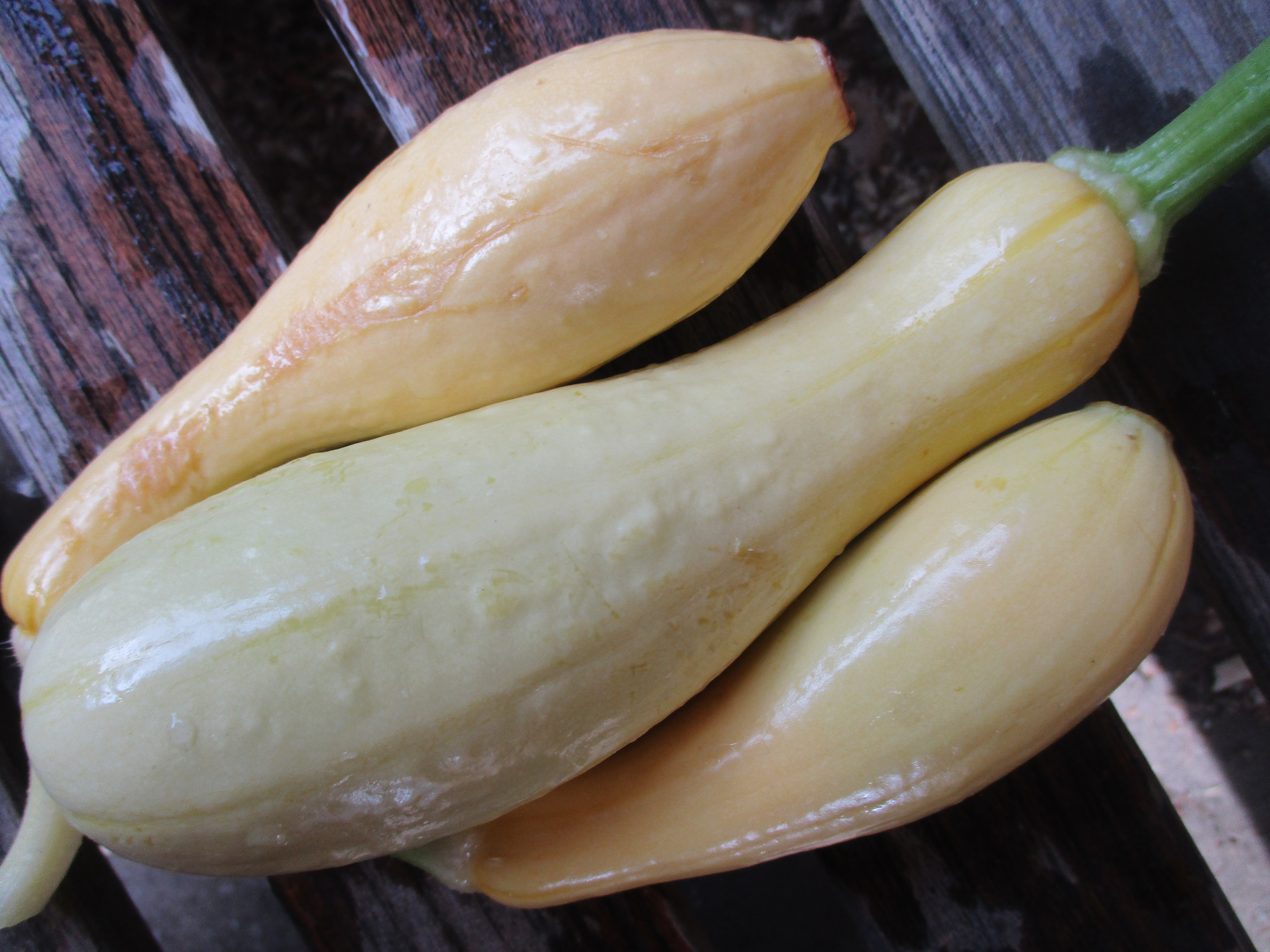
6. These summer squash are not from the nursery, but from right downstairs. They are happy with all the runoff they get from above. Neighbors have been getting many pounds of squash.P00725-6

This is the link for Six on Saturday, for anyone else who would like to participate:

https://thepropagatorblog.wordpress.com/2017/09/18/six-on-saturday-a-participant-guide/