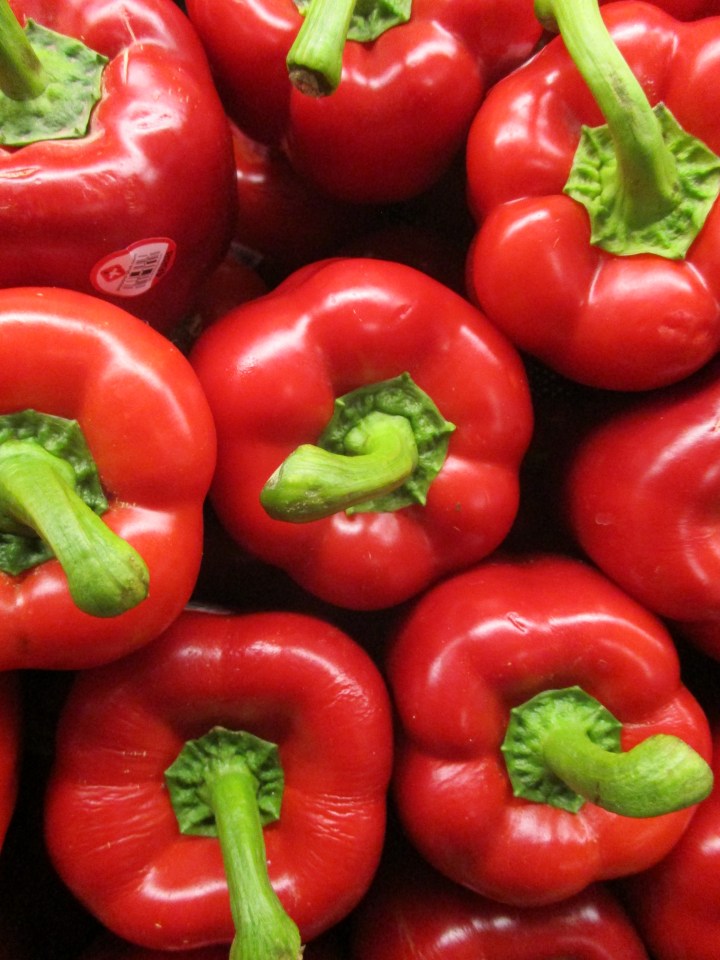
Tomato, pepper and eggplant plants should be out in the garden by now. They typically get planted only a few weeks after the last threat of frost, so that they can start to disperse their roots early. Growth above ground accelerates as the weather gets warmer. Fruit develops and ripens through summer.
These three types of vegetable plants get planted as seedlings for two main reasons. First, when they go into the garden, seedlings are bigger and more established than seeds that need to take time to grow are. Secondly, the cost of the few plants needed for an average garden is not much more than the cost of seeds.
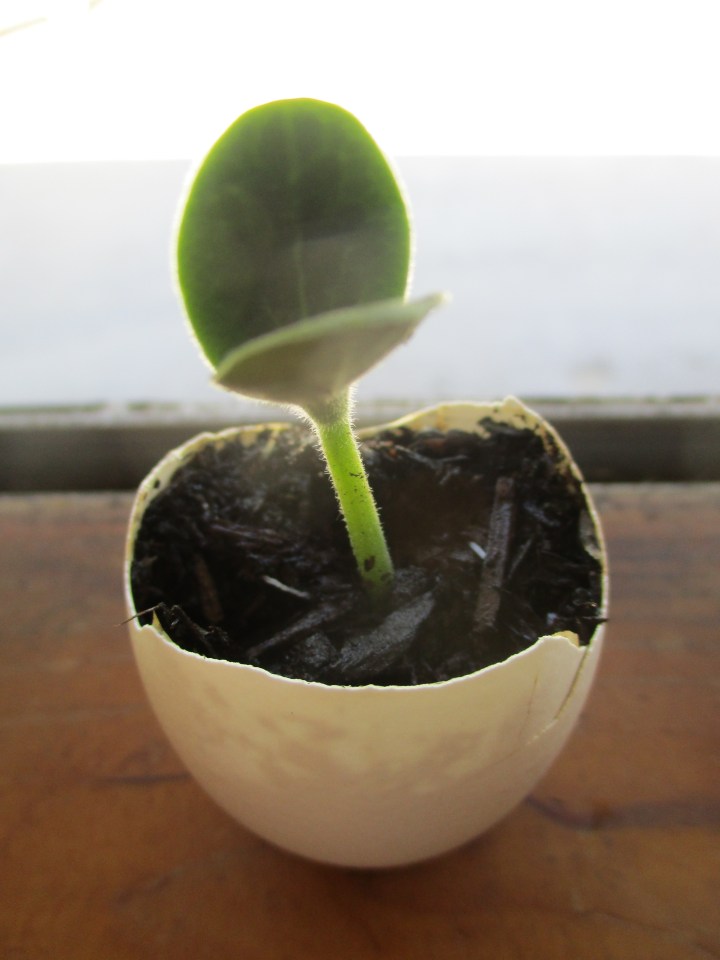
Now, zucchini, melon and summer squash can be done either way. Not many plants are needed, so the expense of seedlings is minimal. However, seedlings are a bit more fragile than those of tomato, pepper and eggplant. Seeds grow so efficiently that they get established almost as readily as seedlings do, so are just as practical.
Regardless of how they get planted, the weather has been so odd this year that there has been only minimal advantage to planting seedlings and sowing seed on time. Tomato, pepper and eggplant plants that were planted early may not be much more mature than what could be planted now. Harvest will be delayed either way.
Bean, cucumber and corn all grow best from seed. Seedlings take more time to recover from transplant than seed take to germinate and grow. Besides, so many plants of each type are needed that seedlings would be expensive. A single package of seed is cheap and goes a long way, so is probably sufficient for an average garden.
Corn is one of those vegetables that produces on a rather tight schedule. Seed that gets sown at any particular time matures at the same rate, so that all the fruit finishes at about the same time. This is why corn gets sown in phases. If timed properly, a subsequent phase begins to produce as the preceding phase gets depleted.
Winter squash, including pumpkin, are similar to summer squash, although they are more tolerant of unusually cool spring weather. They too can either get planted as seedlings or sown as seed. They take their time to produce fruit that ripens by autumn, so have more time to catch up.






 It is easy to snivel about the weather when it gets uncomfortable for us. The rain gets too wet. The temperature gets too cool. Even here on the west coast, without the cold of Minnesota, the heat of Arizona, the humidity of Louisiana or the rain of the west coast of Washington, we tend to think about weather by limited human standards. What we fail to consider is that many other organisms rely on a variety of weather conditions for their survival.
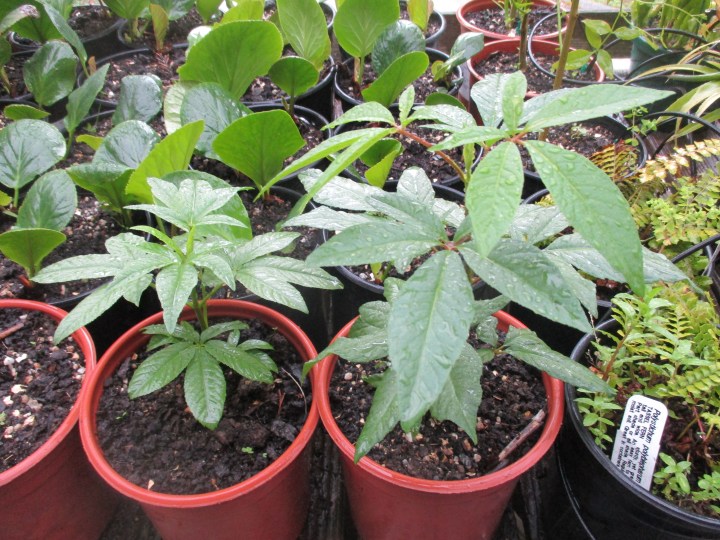
 California flora is remarkable. It all does what it must to live comfortably in every ecosystem, climate and geographical region here.
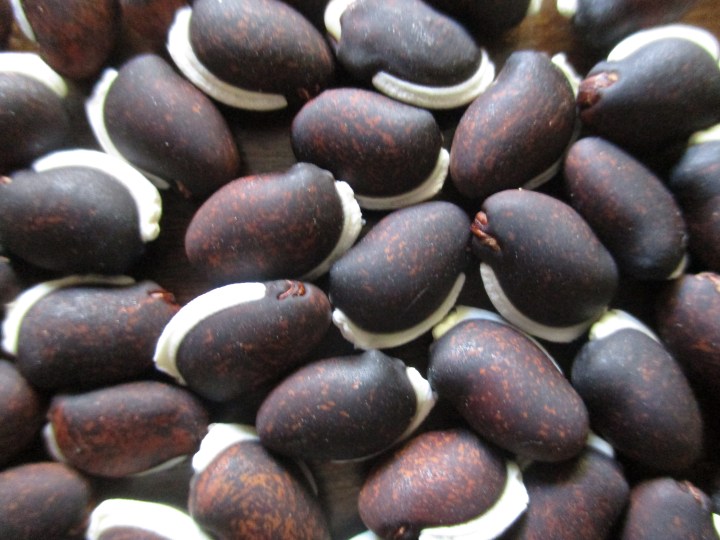 Hooey! It’s a bunch of hooey! Sweet pea seed that gets sown this time of year for next spring does NOT need to be soaked before sowing. In fact, unless there is some strange species of plant that has become that dependent on human intervention, NO seed need to be soaked prior to sowing. Not only is the technique completely unnecessary, but it is completely unnatural as well.
 Tony Tomeo