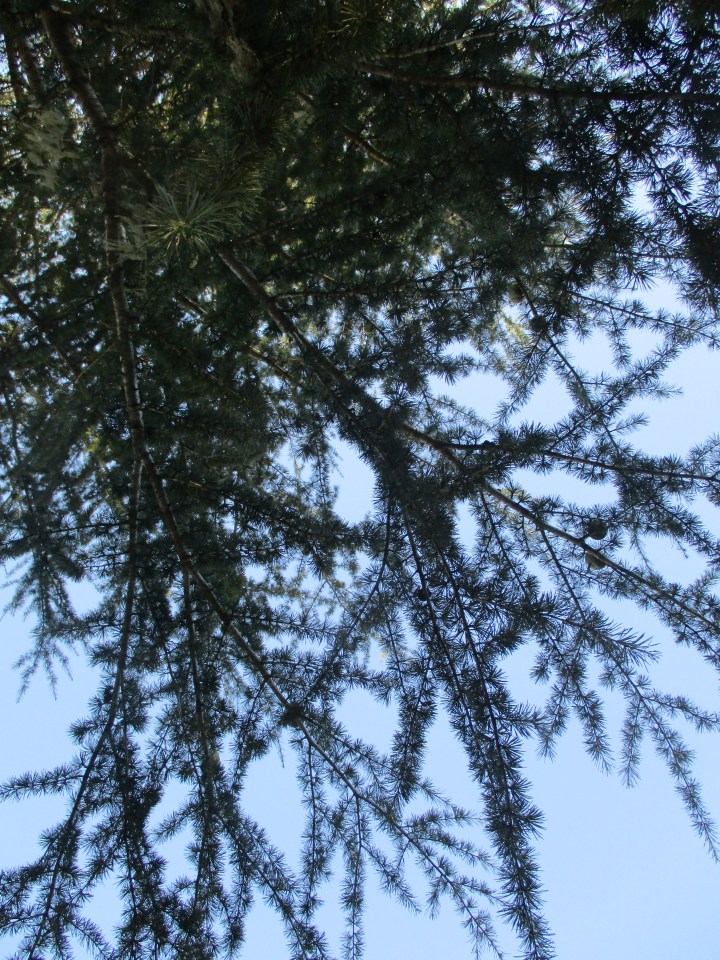
 Just about every home garden has some sort of shade. Even if there are no substantial trees or shrubbery, there are northern walls of homes and garages, and they likely have eaves that extend their shadows a bit farther. Fences to the south create shade to the north. Gardens of modern homes are smaller, and surrounded by higher homes and fences, so are shadier than older gardens.
Those who enjoy gardening tend to enjoy more trees and substantial shrubbery than those who do not enjoy gardening, so generally contend with more shade. It is both and asset and a liability. Cooling shade makes outdoor living spaces more comfortable in the heat of summer, but limits what we can grow. With very few exceptions that are not worth mentioning, all plants need sunlight.
Fortunately, many plants need less than others. Of these, many are understory species, which live in the partial shade of larger plants in their natural environments. Not only do they naturally need less sunlight, many prefer to be in partially shaded or sheltered situation. Their foliage and bloom can be scorched by sunlight if too exposed, especially while the weather is warm, windy or arid.
Plants that prefer partially shaded and sheltered situations are characteristically different from those that prefer more exposure. Their leaves tend to be bigger and darker green to absorb more sunlight. Those that are sensitive to frost may prefer shelter from evergreen shade. To compete for pollinators with bloom above, flowers may be either bigger and more colorful, or more fragrant.
There are, of course, many exceptions. Ferns are probably the most familiar foliar plants for shade, but provide no bloom. Cast iron plant is comparable to fern for providing rich green foliage, but with insignificant bloom. Caladium, coleus and hosta are grown for lush foliage that is strikingly colorful instead of rich green. Hosta contrarily blooms with pastel flowers that are not even fragrant.
Kaffir lily, calla, hydrangea, azalea, rhododendron and impatiens provide more color for partial shade.
 It is gratifying to see renewed interest in this old fashioned flower. Naturally occurring varieties of some of the nearly three dozen species of Iochroma were popular decades ago. Some might actually be naturally occurring hybrids that have yet to be identified. Many modern cultivars (cultivated varieties) were intentionally bred or hybridized for more compact growth and profuse bloom.
 It is impossible to say who the parents were. So many specie were hybridized to develop the many cultivars of flowering maple that the Latin name of the collective group is simply Abutilon X hybridum, which means exactly what it looks like. They are hybrids of various and rarely documented species of Abutilon. The ‘X’ dispels any doubt. ‘Chinese lantern’ is another common name.
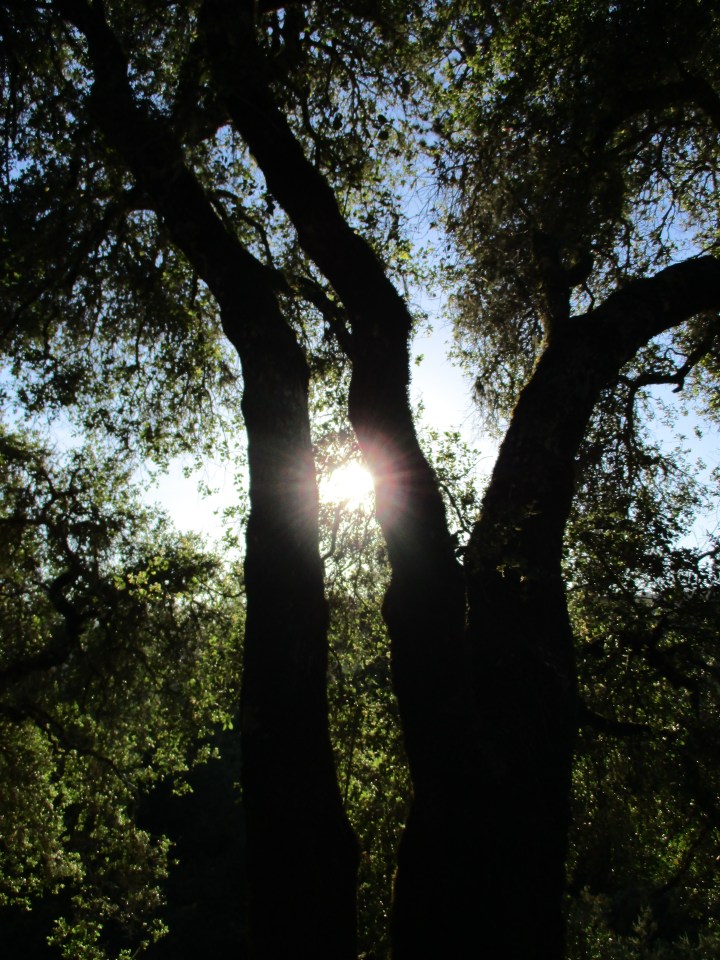 Modern urban lifestyles are becoming less conducive to gardening all the time. Bigger and taller homes cast larger shadows over smaller garden spaces. The taller fences between these homes do not help. The densely evergreen trees employed to obscure the views of other larger and taller homes also obscure sunlight. Not much sunlight reaches the ground where shorter plants need it.
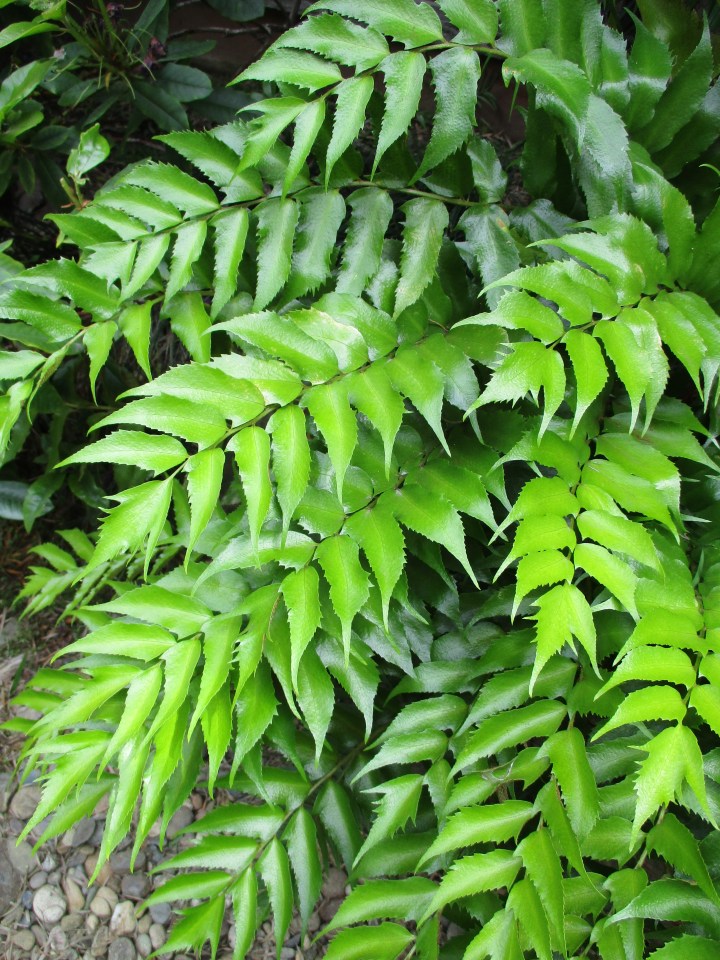 This is one of those perennials that has mixed reviews. Although relatively tough once established, holly fern, Cyrtomium falcatum, is susceptible to rot and fungal leaf-spot. It likes to be watered somewhat regularly, but rots if the soil is constantly saturated. Leaf-spot is not as dangerous as it looks, but can be unsightly. Too much fertilizer (to correct the damage) can burn the foliage too.
 There is something about the delicately intricate bloom and foliage of bleeding heart, Lamprocapnos spectabilis (formerly Dicentra spectabilis) that suits informal woodland gardens splendidly. Not only to they look like natural companions to small coniferous evergreens, but they are also quite tolerant of the acidic foliar debris, and to some extent, the shade that most conifers generate.
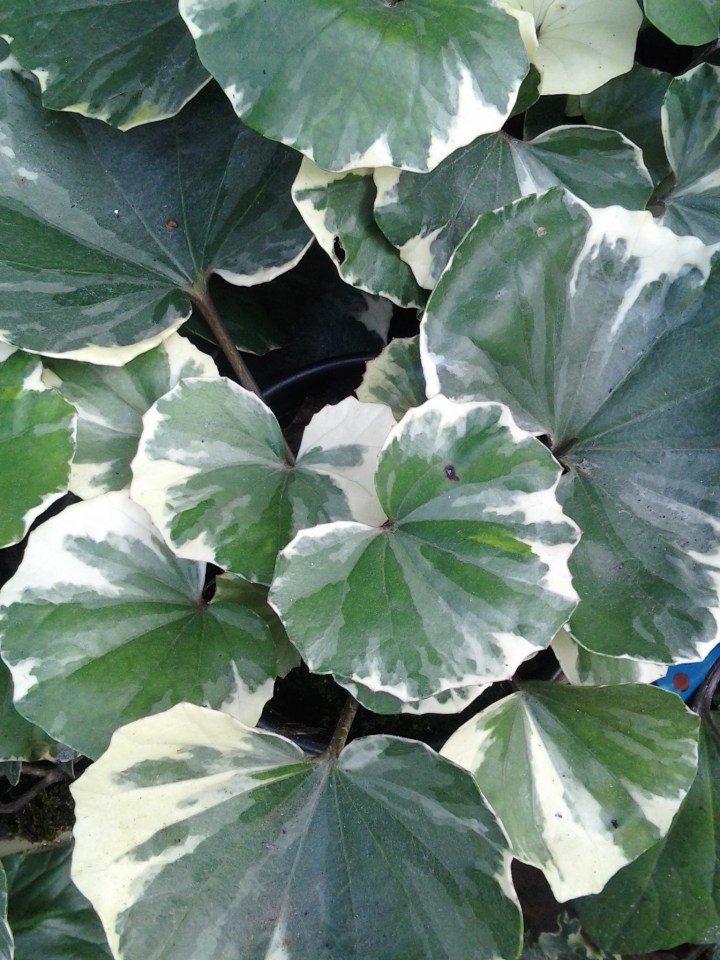 As an understory species that naturally grows under forest trees in its native environment in Japan, leopard plant, Farfugium japonicum, can be quite happy in parts of the garden that are too shady for other plants. If it does not get too warm or dry, it can tolerate full sun. It likes rich soil and frequent watering. Fertilizer should be applied moderately, since too much can cause foliar burn.
 The first half of the name sound appealing enough. The second half, not so much. Do the seeds grow into snails? Do they just look like snails? Not many have seen them. Tiny pale white flowers that are supposed to bloom in spring, as well as small black berries that develop after bloom, are rare. Laurel-leaf snailseed, Cocculus laurifolius, is grown just for its glossy evergreen foliage.
 Ferns tends to be . . . well, ‘ferny’, with divided or intricately lobed foliage. Staghorn ferns and bird’s-nest ferns are the more familiar of the rare exceptions. Staghorn ferns have two types of simple undivided fronds, and both types lack rachi. Bird’s-nest ferns have weirdly simple fronds that, although equipped with prominent rachi, lack any distinctive division or lobes that make ferns ‘ferny’.
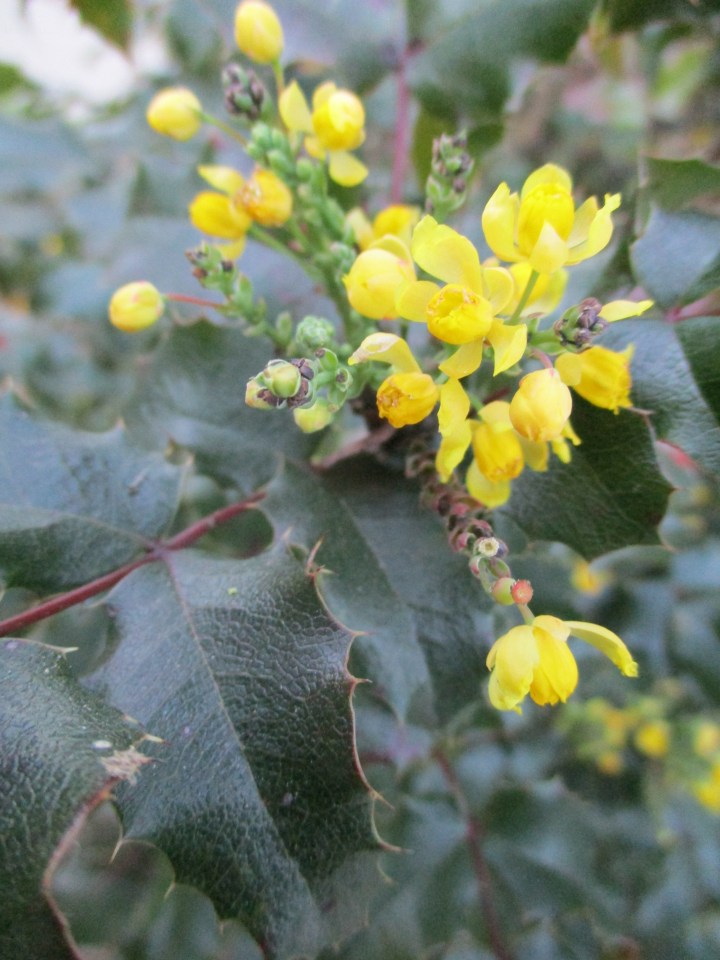 Oregon has good taste. Douglas fir, one of the most useful of timber trees in America, was selected as the state tree. Oregon grape, Mahonia aquifolium, was designated as the state flower. Although the tight clusters of tiny bright yellow flowers that bloom about now may not be as flashy as other state flowers, they contrast handsomely against the glossy and deep dark green foliage.
 Tony Tomeo