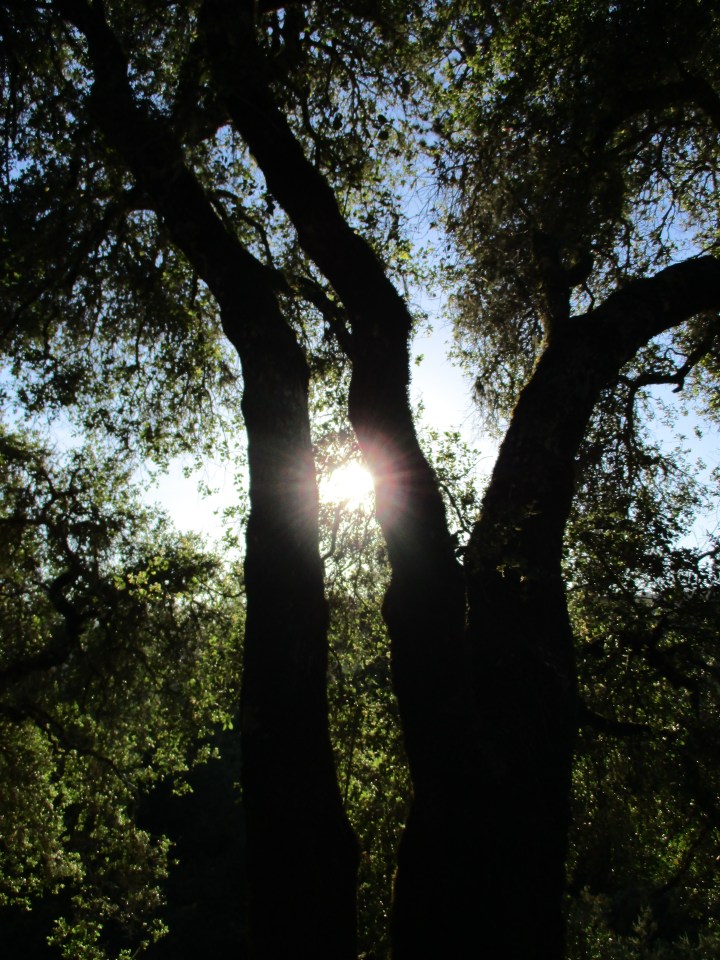
 Modern urban lifestyles are becoming less conducive to gardening all the time. Bigger and taller homes cast larger shadows over smaller garden spaces. The taller fences between these homes do not help. The densely evergreen trees employed to obscure the views of other larger and taller homes also obscure sunlight. Not much sunlight reaches the ground where shorter plants need it.
While all this is going on, we are supposed to be gardening with more sustainable plants that demand less water. Smaller, shadier and more sheltered gardens should naturally use less water than larger and more exposed gardens need. Yet, the plants that do not mind the shade naturally want more water than plants that want more sunlight. There are not many that are drought tolerant.
Drought tolerant plants are naturally endemic to dry climates. Many are from chaparral regions. Some are from deserts. In such ecosystems where water is too scarce to sustain much foliage, there is not much competition for sunlight. Shade tolerant plants are just the opposite. They are from forested ecosystems with taller and shadier trees. Such ecosystems are sustained by rainfall.
There are quite a few plants that do not mind a bit of shade. Heavenly bamboo, flowering maple, hydrangea, camellia, azalea, rhododendron, holly, daphne and andromeda (Pieris spp.) are some of the more familiar shade tolerant shrubbery; but alas, none are drought tolerant. Nor are the various ferns. Even small shade tolerant trees like dogwood want to be watered regularly.
Most of the plants that tolerate shade but are not too terribly thirsty are groundcover plants or perennials. They are not exactly drought tolerant, but can survive with minimal watering because they do not dry out so much in the shade. Once established in a cool shady environment, plumbago, lily turf, periwinkle Saint John’s wort and coral bells (Heuchera spp.) only need to be watered occasionally through summery weather, although they are thirstier in sunny spots. Both English and Algerian ivy need nothing in the shade.
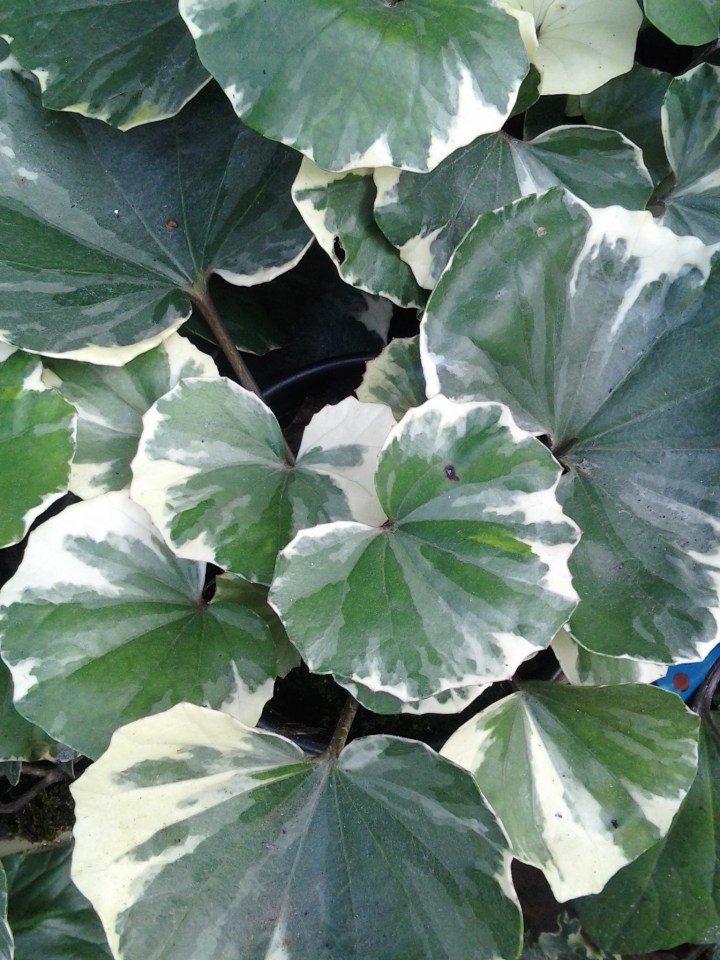 As an understory species that naturally grows under forest trees in its native environment in Japan, leopard plant, Farfugium japonicum, can be quite happy in parts of the garden that are too shady for other plants. If it does not get too warm or dry, it can tolerate full sun. It likes rich soil and frequent watering. Fertilizer should be applied moderately, since too much can cause foliar burn.
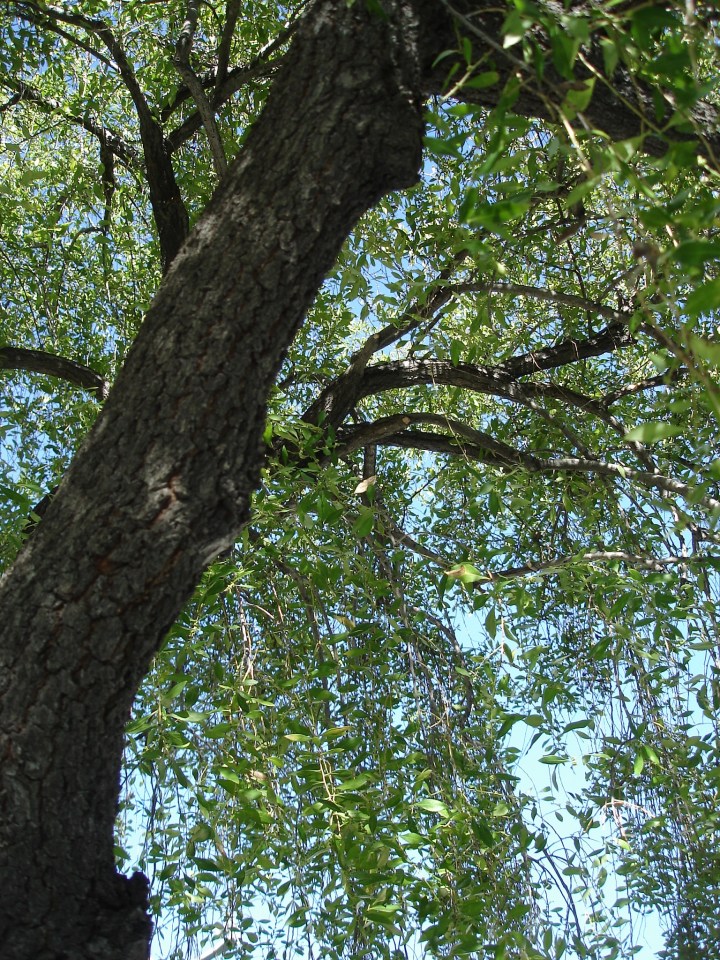 Many of our trees live at our homes longer than we do. Some of our trees were there before we got there. Some of the trees we plant will be there for whomever comes along after we are gone. Trees very often evolve into something very different from what they were intended to be. Nonetheless, since they are the most significant features of our gardens, trees must be selected carefully.
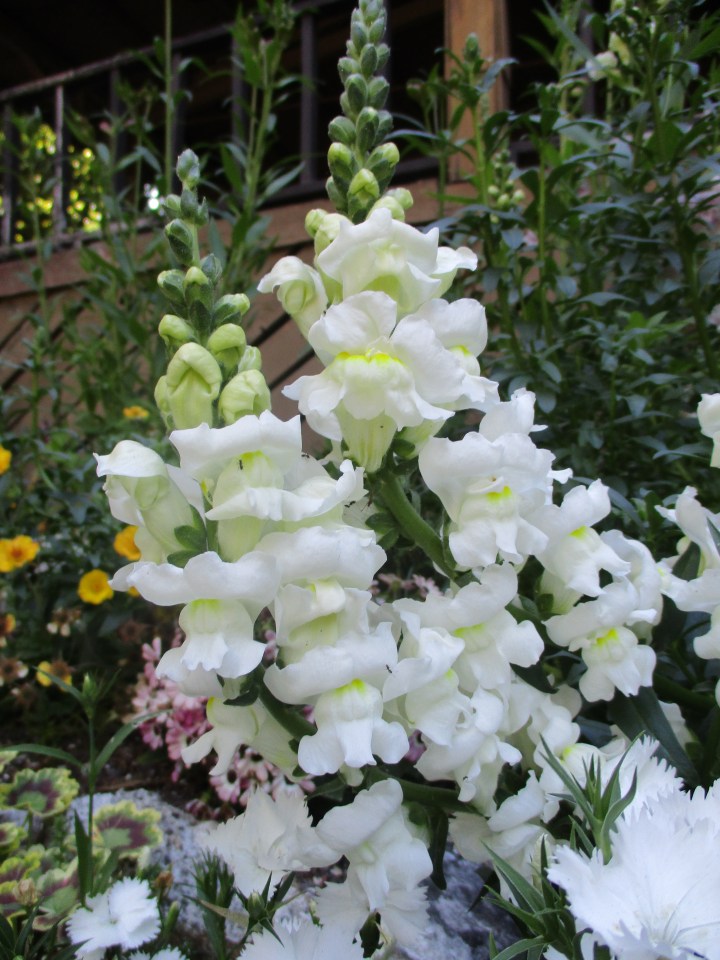 When a seed germinates, the roots know that they want to go down, and the new stem knows that it wants to go up. Going up sounds simple enough. Stems just go towards the light. How do they know where the light is while they are still under the soil? Well, new stems go upward for the same but opposite reason that roots go downward; gravity. Roots go toward it. Stems go away from it.
 There is no way around it. Just about every garden has some degree of shade. Even low profile single story houses without eaves or fences are shaded on the north side. Eastern exposures get the cooler morning sun. Western exposures get only the warmer afternoon sun. There are vacant and treeless parcels out in the desert that lack shade, but not many of us are gardening out there.
 Wire haired terriers know how it works. They wear wiry hair through summer to shade their skin while allowing cooling air circulation. Their softer and fuzzier undercoat that develops in autumn provides better insulation from cold weather through winter.
 Tony Tomeo