Where I lived in town, the backyard was surrounded on three sides by fences, with the house on the only unfenced fourth side. These were the sort of fences that were common in suburban neighborhoods. They kept children and dogs in or out of adjacent gardens, and probably provided some sense of privacy, although I never understood why we all needed such privacy there.
I mean, if I really wanted significant privacy, I would not have lived in town, where the homes and gardens were all so close together. I enjoyed living there, and I enjoyed my neighbors. We could hear some of each others conversations and televisions, but no one seemed to mind. It was worth living in such an excellent neighborhood so close to everything we could want in town.
Years ago, suburban fences were not too obtrusive. They were only about four feet high. Some of the older homes were still outfitted with picket fences that were only about three feet high. We could still talk to neighbors over them, and sometimes pass over a bag of extra fruit or vegetables, or even flowers, from the garden. Dogs and young children were effectively contained.
Then everyone became obsessed with privacy. At the same time, many of us added onto our homes or replaced them with new homes that occupied more of the allowable space within their compact formerly suburban, but now urban parcels. Smaller remaining garden spaces became more shaded by bigger houses and taller fences. Gardening, as we once knew it, became passe.
What are all these big fences for? What are they keeping out? . . . or . . . What are they keeping in? Why do so many who want so much privacy live so close to so many who crave the same?!
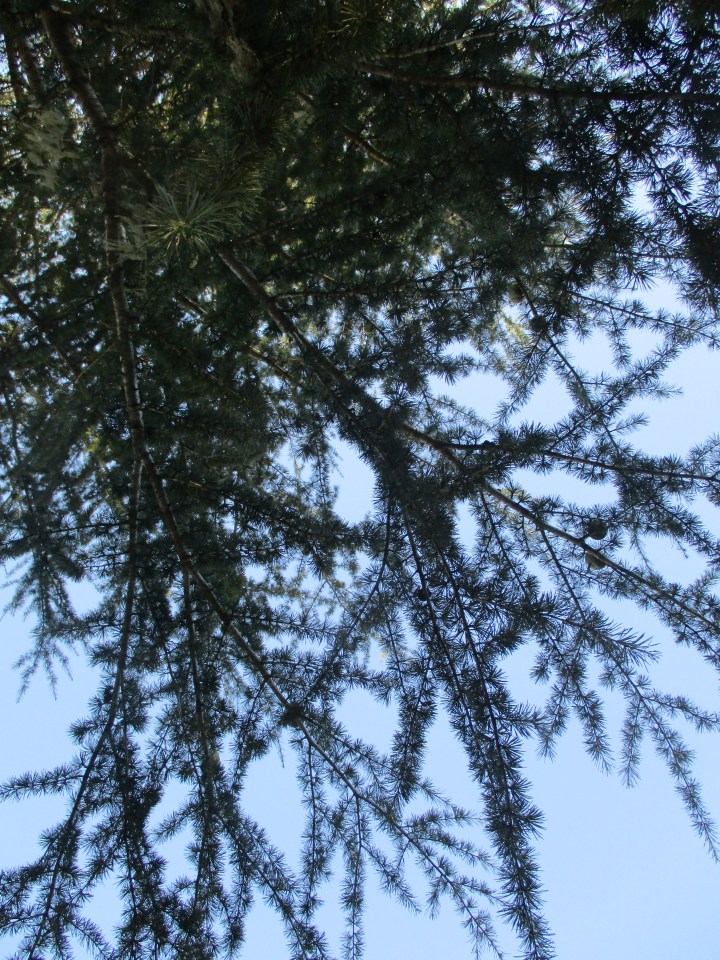 Just about every home garden has some sort of shade. Even if there are no substantial trees or shrubbery, there are northern walls of homes and garages, and they likely have eaves that extend their shadows a bit farther. Fences to the south create shade to the north. Gardens of modern homes are smaller, and surrounded by higher homes and fences, so are shadier than older gardens.
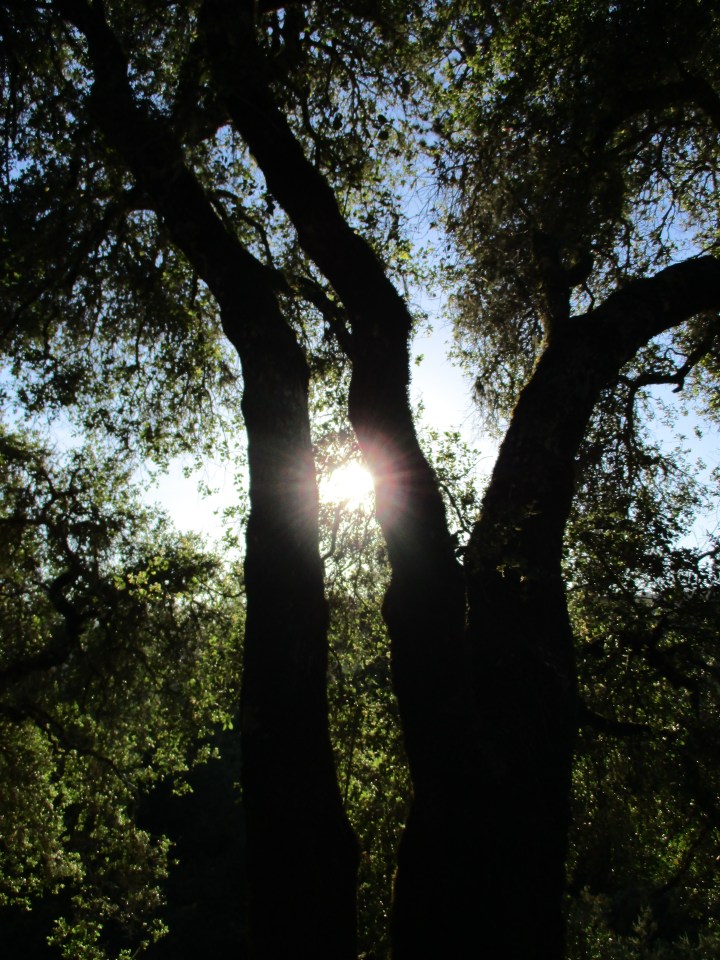 Modern urban lifestyles are becoming less conducive to gardening all the time. Bigger and taller homes cast larger shadows over smaller garden spaces. The taller fences between these homes do not help. The densely evergreen trees employed to obscure the views of other larger and taller homes also obscure sunlight. Not much sunlight reaches the ground where shorter plants need it.
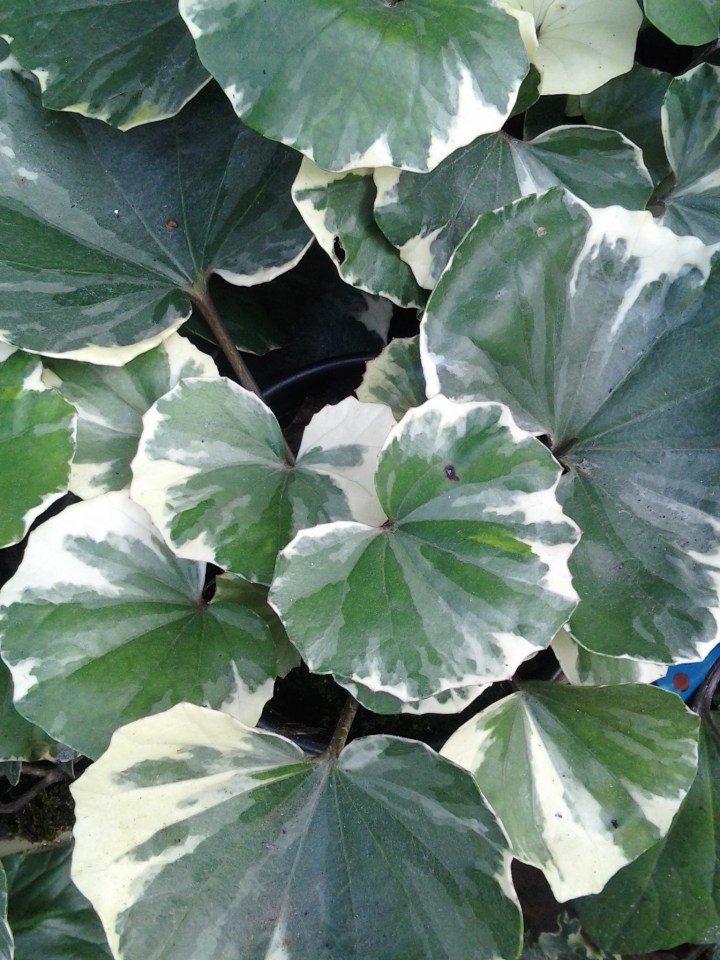 As an understory species that naturally grows under forest trees in its native environment in Japan, leopard plant, Farfugium japonicum, can be quite happy in parts of the garden that are too shady for other plants. If it does not get too warm or dry, it can tolerate full sun. It likes rich soil and frequent watering. Fertilizer should be applied moderately, since too much can cause foliar burn.
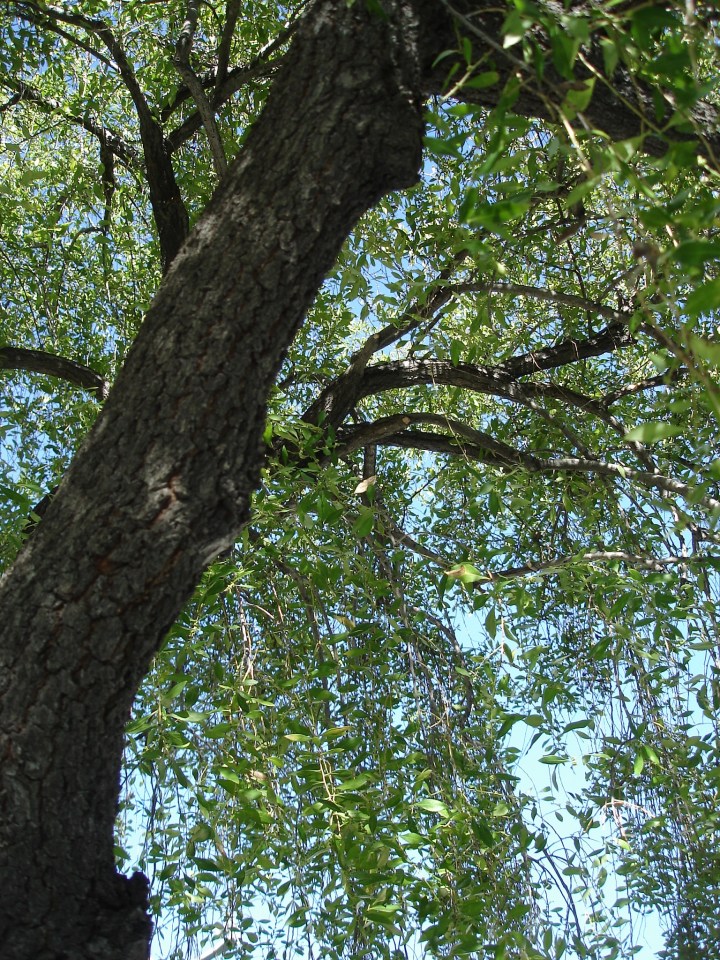 Many of our trees live at our homes longer than we do. Some of our trees were there before we got there. Some of the trees we plant will be there for whomever comes along after we are gone. Trees very often evolve into something very different from what they were intended to be. Nonetheless, since they are the most significant features of our gardens, trees must be selected carefully.
 When a seed germinates, the roots know that they want to go down, and the new stem knows that it wants to go up. Going up sounds simple enough. Stems just go towards the light. How do they know where the light is while they are still under the soil? Well, new stems go upward for the same but opposite reason that roots go downward; gravity. Roots go toward it. Stems go away from it.
 There is no way around it. Just about every garden has some degree of shade. Even low profile single story houses without eaves or fences are shaded on the north side. Eastern exposures get the cooler morning sun. Western exposures get only the warmer afternoon sun. There are vacant and treeless parcels out in the desert that lack shade, but not many of us are gardening out there.
 Wire haired terriers know how it works. They wear wiry hair through summer to shade their skin while allowing cooling air circulation. Their softer and fuzzier undercoat that develops in autumn provides better insulation from cold weather through winter.