There are rules to hedging. For example, hedges should be uniform and exclusive to just a single cultivar. A modern ‘Green Beauty’ boxwood will never conform within a hedge of more yellowish old fashioned boxwood. Hedges should also remain within confinement. It is important to shear them back from obtrusion into walkways and other usable spaces.
It is not as simple as it seems to be. That is why so few hedges get proper maintenance. Almost all occupy and therefore waste more space than they need. Most have wide tops that shade out narrower lower growth. Moreover, many plants that are not components of hedges all too commonly succumb to inappropriate shearing too. It is sheer shear abuse!
Even if done properly, only hedges and a few other plants are conducive to shearing and hedging. It is an aggressive procedure that compromises form, texture and bloom cycles of involved plants. For hedges, that is not a problem. They need not bloom, and adapt to a refined hedged form, which is more desirable than their natural shrubby form would be.
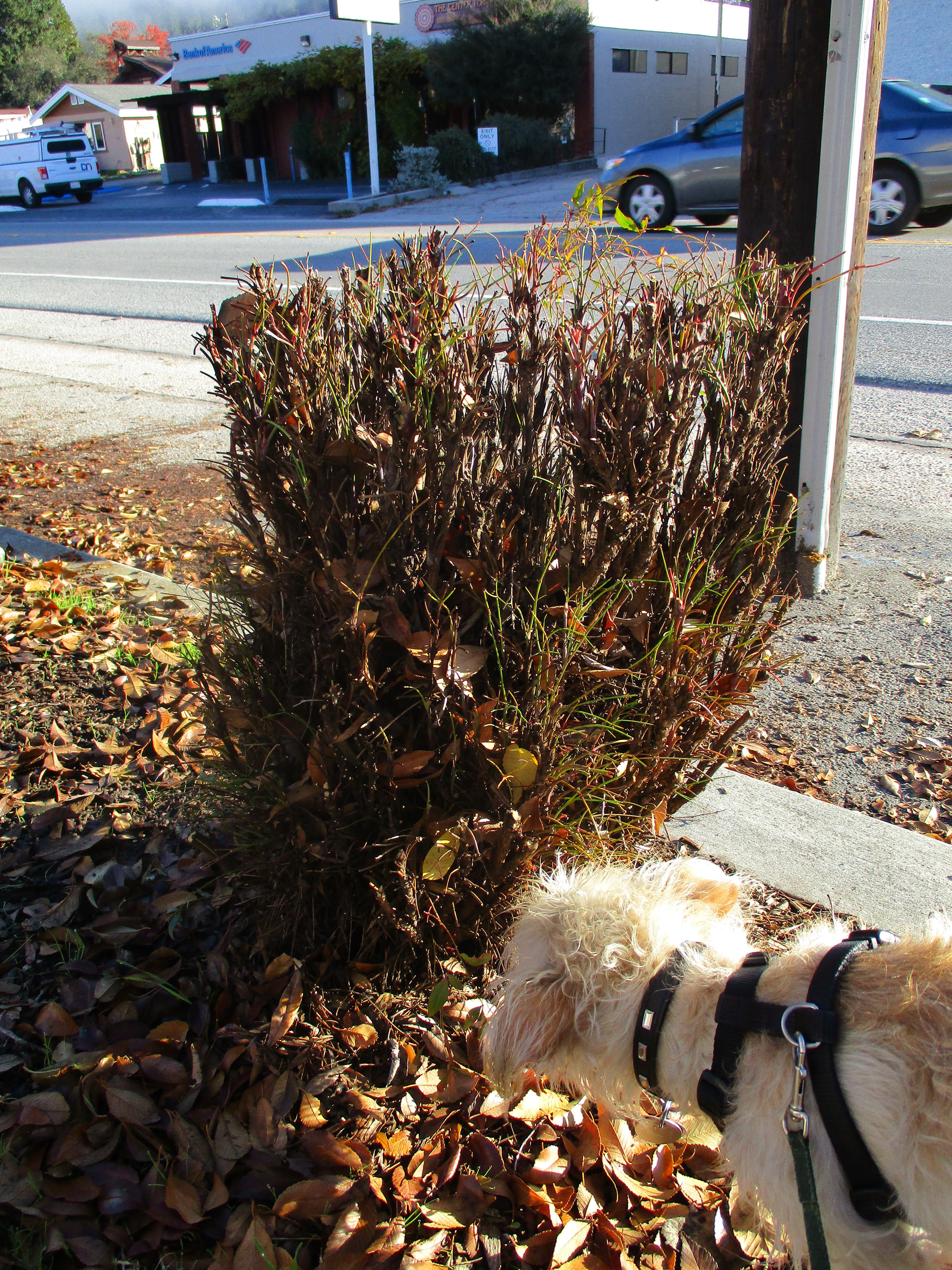
However, it is important to not unnecessarily shear plants that bloom, or provide intricate foliar texture or form. Shearing deprives rhododendron of young floral buds. It ruins foliar texture of Heavenly bamboo, and foliar form of Japanese maple. It is acceptable to shear boxwood only because it responds by generating such appealingly uniform foliar growth.
With proper scheduling, it is possible to shear only a few blooming plants without ruining all of their bloom. Aggressive shearing after the early bloom of oleander and bottlebrush leaves them with space to grow enough to bloom again during autumn. Without sufficient space to grow, they will require subsequent shearing, which will ruin subsequent bloom.
It is better to shear some of the simpler hedges, such as privet and boxwood, shortly after winter. They regenerate lush growth immediately afterward, and do not mind two or three annual shearings. The last shearing should be early enough to allow a bit of growth prior to autumn. Photinia generates appealingly bronzed new growth in response to shearing. Also, frequent shearing inhibits potentially undesirable bloom.


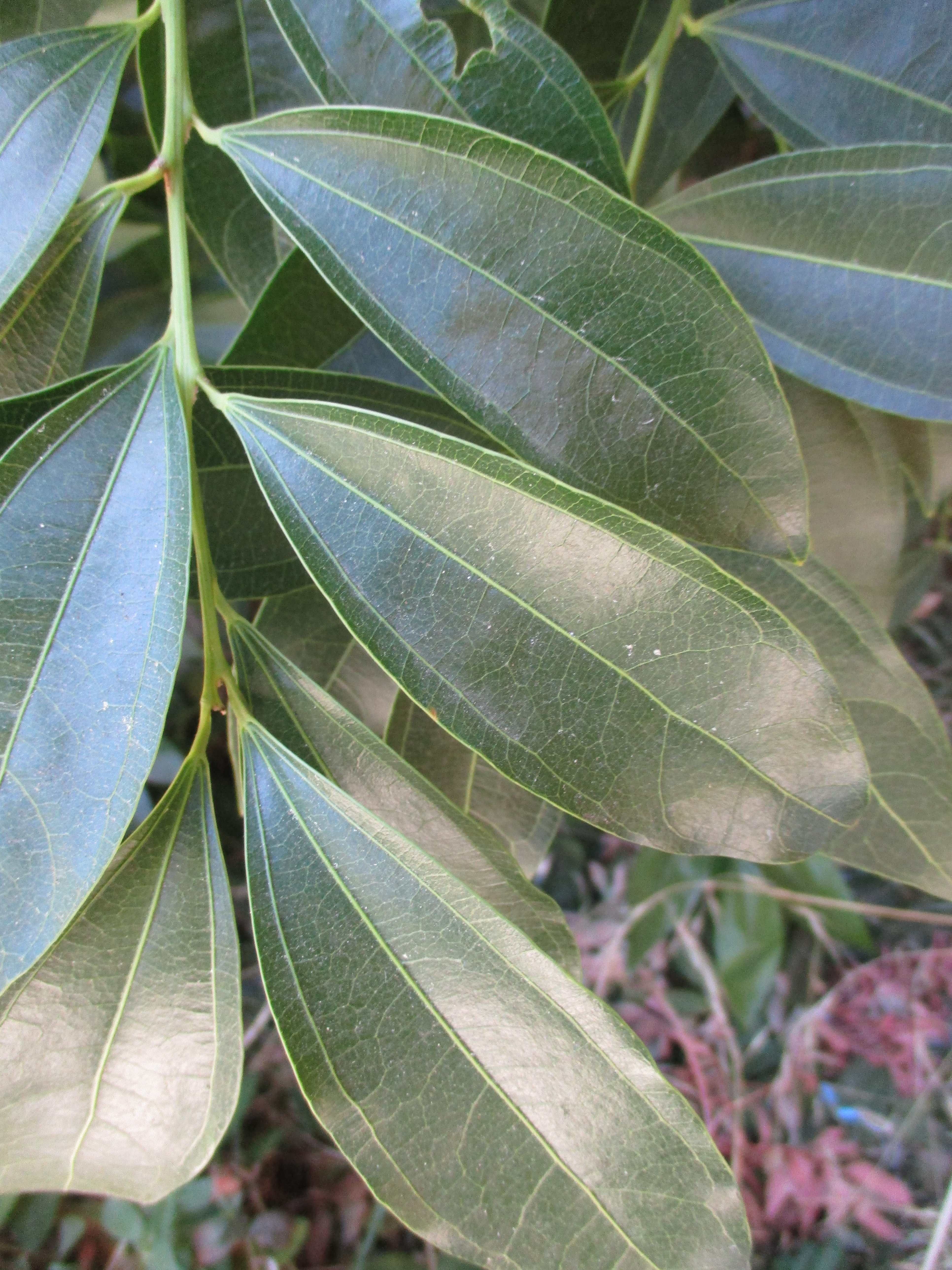 Pretty soon, as autumn weather starts to get cooler, some deciduous plants will develop brilliant color before defoliating for their winter dormancy. Throughout the rest of the year, evergreen plants with gold, silver, bronze, bluish, purplish, reddish or variegated foliage are more colorful than common green foliage is. A few deciduous plants with colored foliage turn different colors in autumn.
 Back when horticulture was still respected, a very long time ago, dense shrubbery with finely textured foliage, such as Japanese boxwood, could be purchased already shorn into cubes that only needed to be installed in a closely set row to become an ‘instant hedge’. For some small hedges composed of small plants that recovered efficiently from transplant, it actually worked reasonably well, even if they did not look so great at first. It also worked for a few larger shrubs that happened to transplant very easily, such as glossy privet. Tall arborvitaes happen to work exceptionally well as instant hedges, although the best spacing for them leaves temporary gaps in between.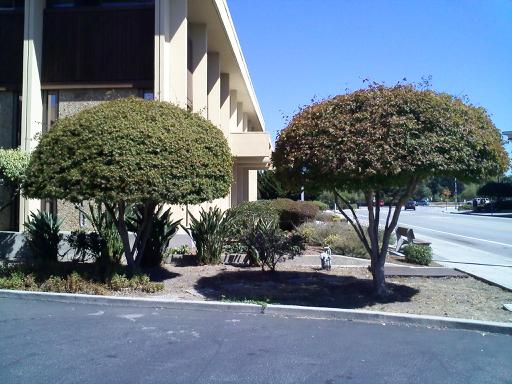
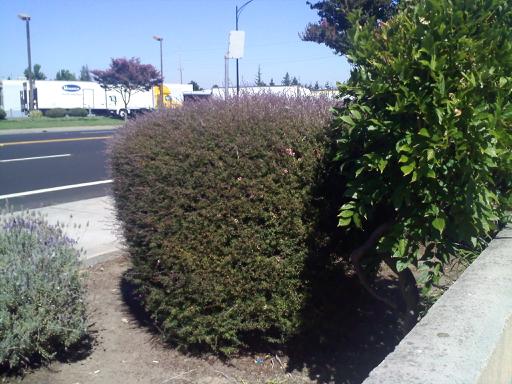
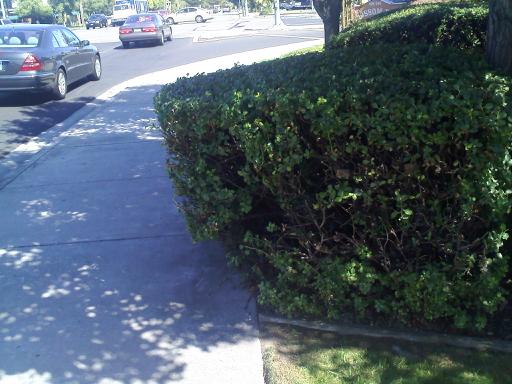
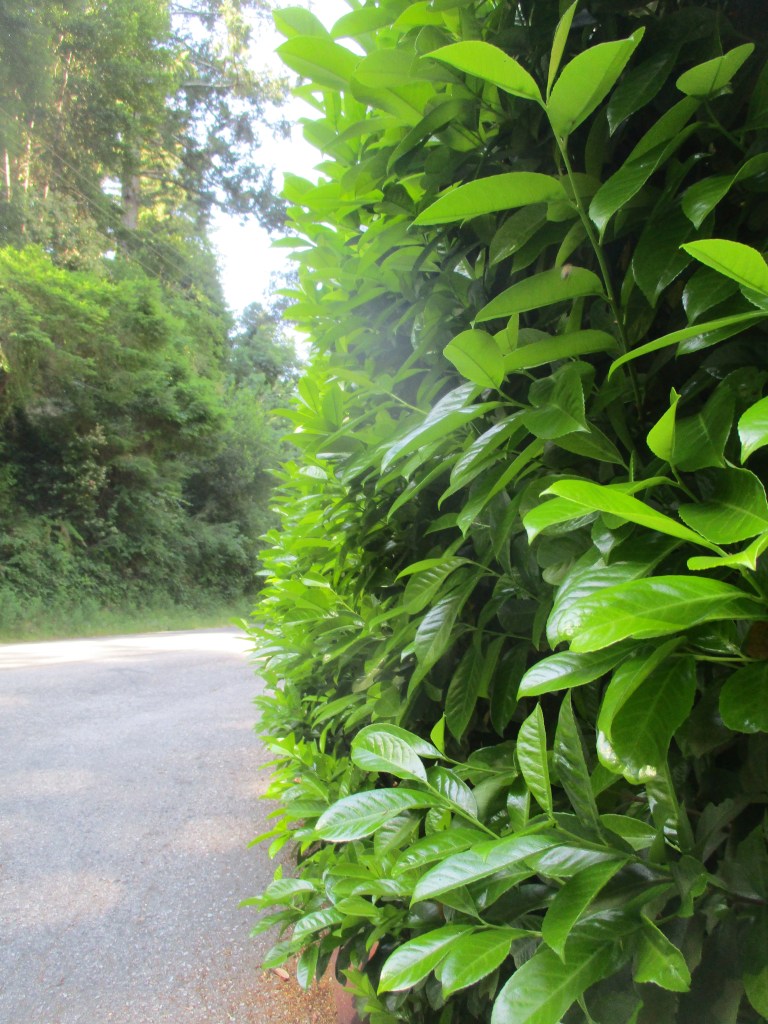
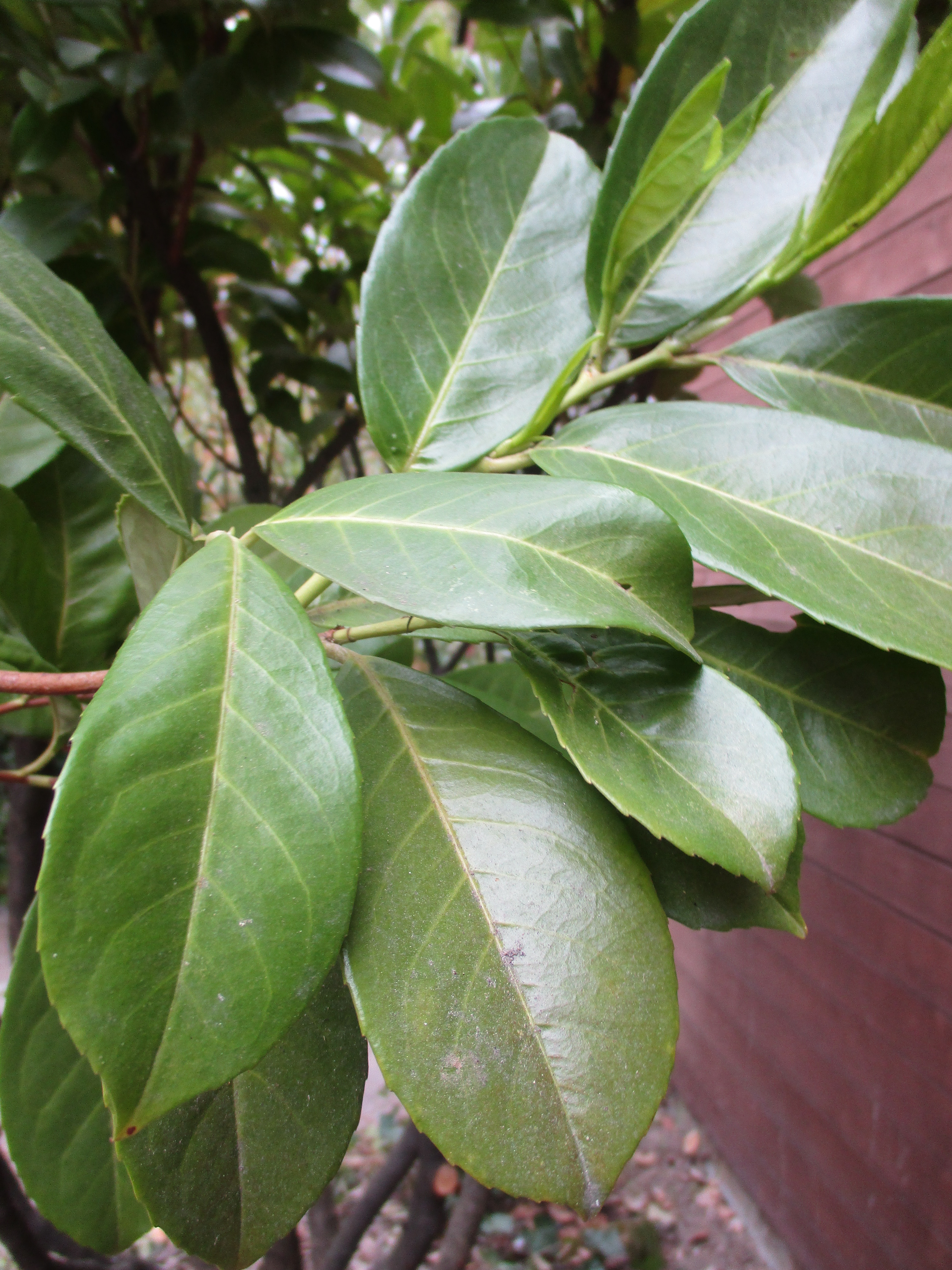 There is a reason why the most popular specie for frequently shorn formal hedges have small leaves and finely textured foliage. Technically, a formal hedge of cherry laurel, Prunus laurocerasus, can be shorn as well, but should be shorn only once or twice annually, and then allowed to fluff back out. Otherwise, the big leaves get shredded as quickly as they recover from previous shearing.
 Hedges are a complicated topic! Like lawns, they are among the more functional features of a landscape. They can be used to provide privacy within, obscure unwanted views beyond, or merely to separate a large landscape into cozier or more functional spaces. Except for hedges that are grown for spring flowers or autumn color, most hedges are evergreen with finely textured foliage.
 See what happens when the plants in the garden are happy? They do pretty things. It is now halfway through December and this honeysuckle is still blooming nicely. The cool weather has inhibited bloom somewhat, but has not totally prevented it yet. By the end of winter, this honeysuckle will get pruned back so that it can regenerate new growth to bloom through next year.