Six on Saturday: Not So Bad

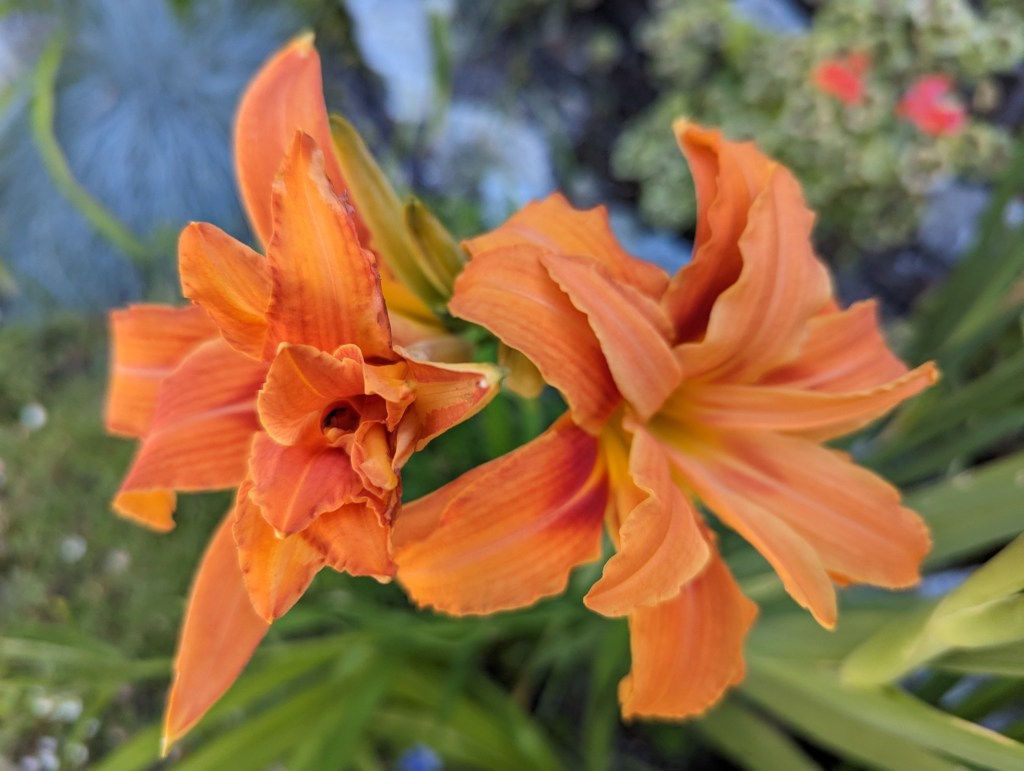
The wrong flowers are nonetheless pretty. Pretty flowers distract from unsightly foliage. Neighborly ground squirrels are people too.

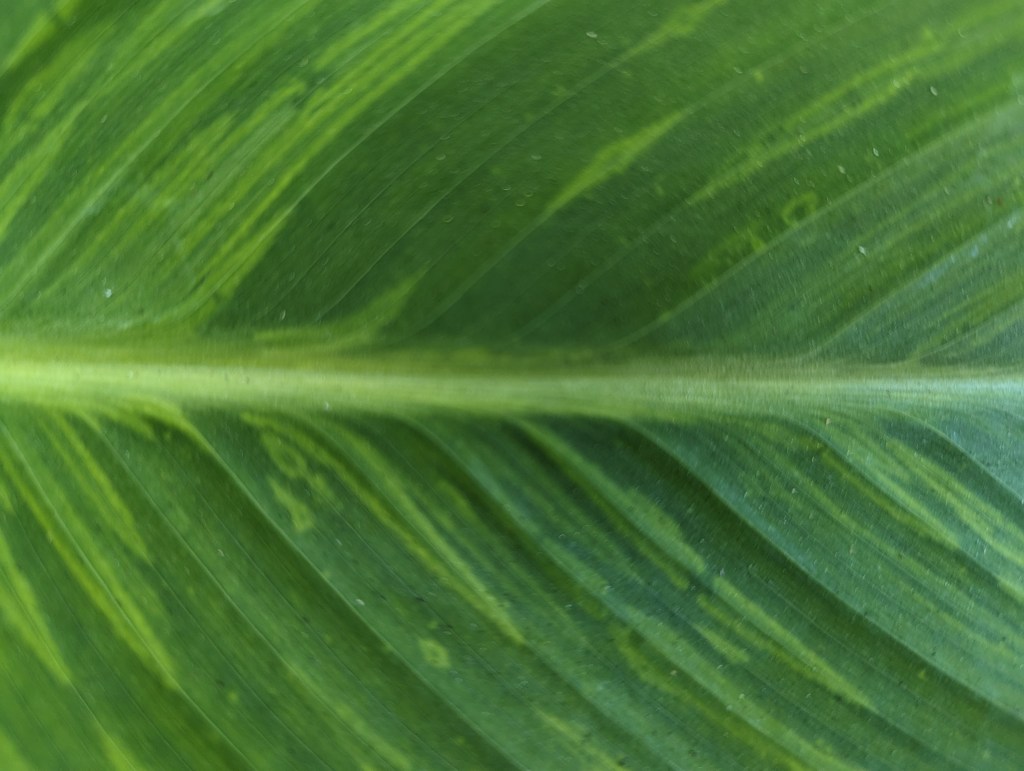
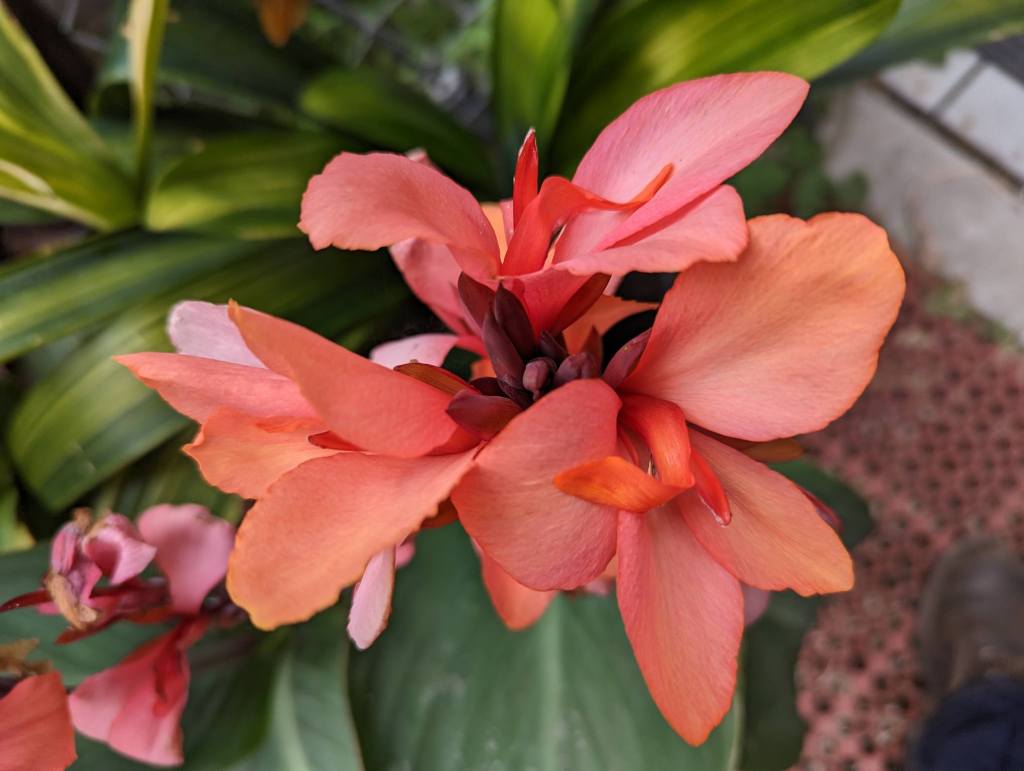
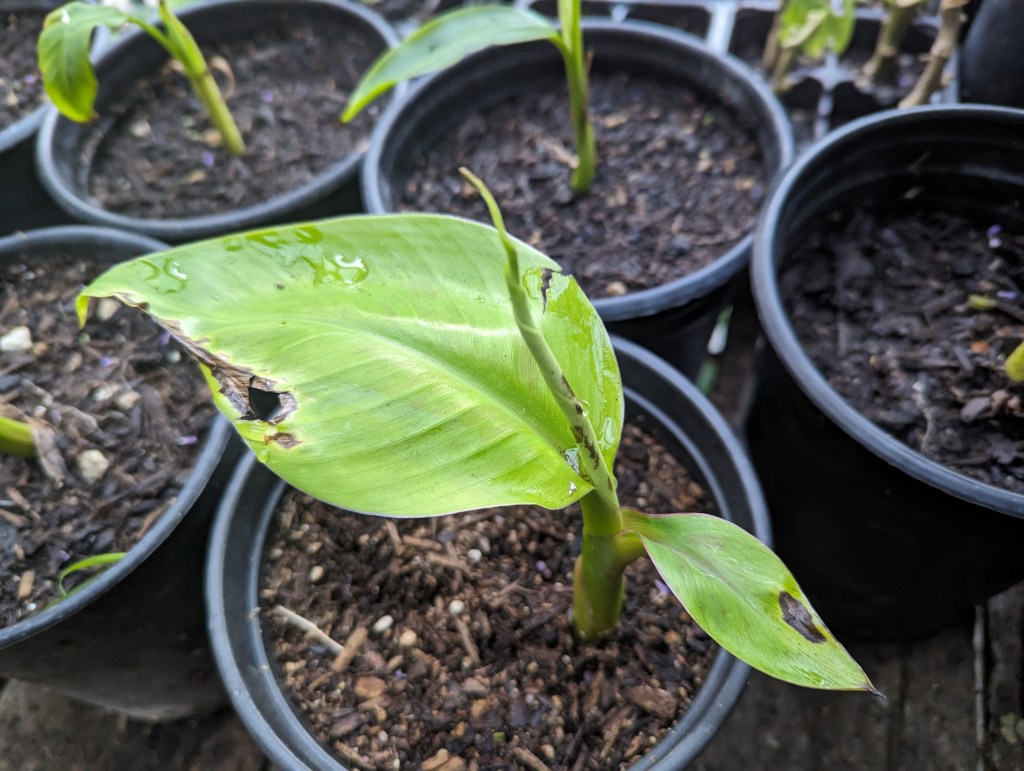
1. ‘Red King Humbert’ Canna was one of only two canna that I ever purchased. I still feel guilty about spending about $6 for ‘Australia’ years ago. This second purchase for thirty rhizomes late last season was not so inexpensive. I was so displeased as virused foliage emerged. I tried to believe that this discoloration was from starting so late in the season.

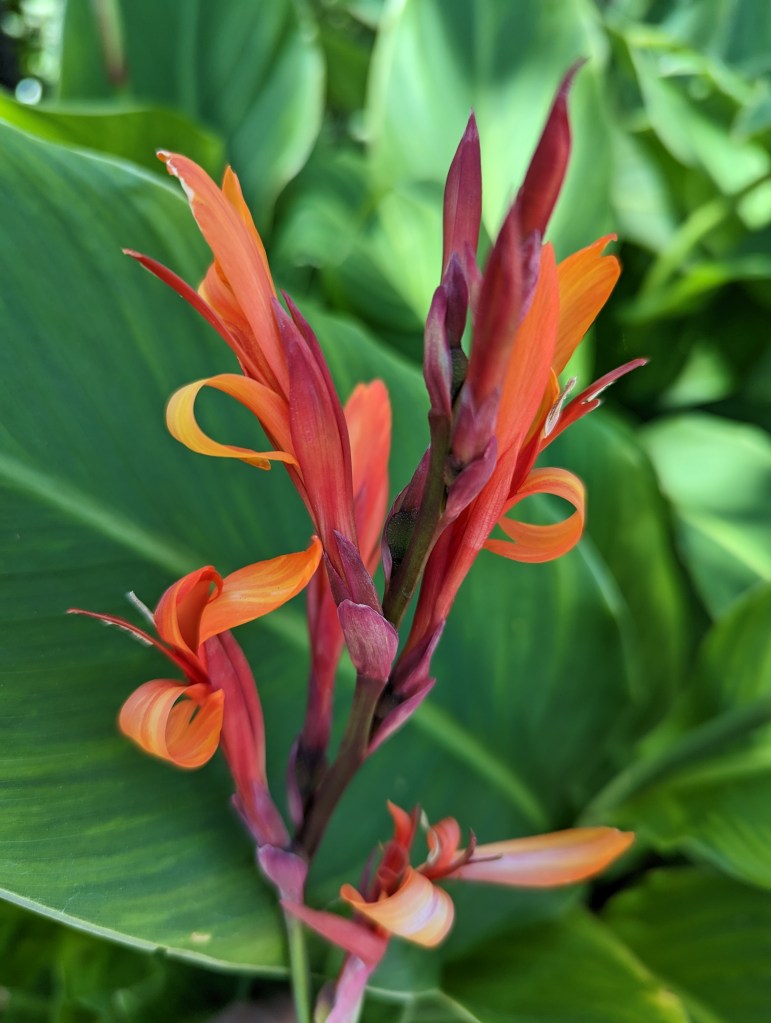
2. ‘Red King Humbert’ Canna gets about six feet tall, with billowy and bright red bloom. Because it started so late last year, it barely grew, and did not bloom. Now it blooms like this, and is only about two feet tall. It is all virused. It definitely is not what it should be.

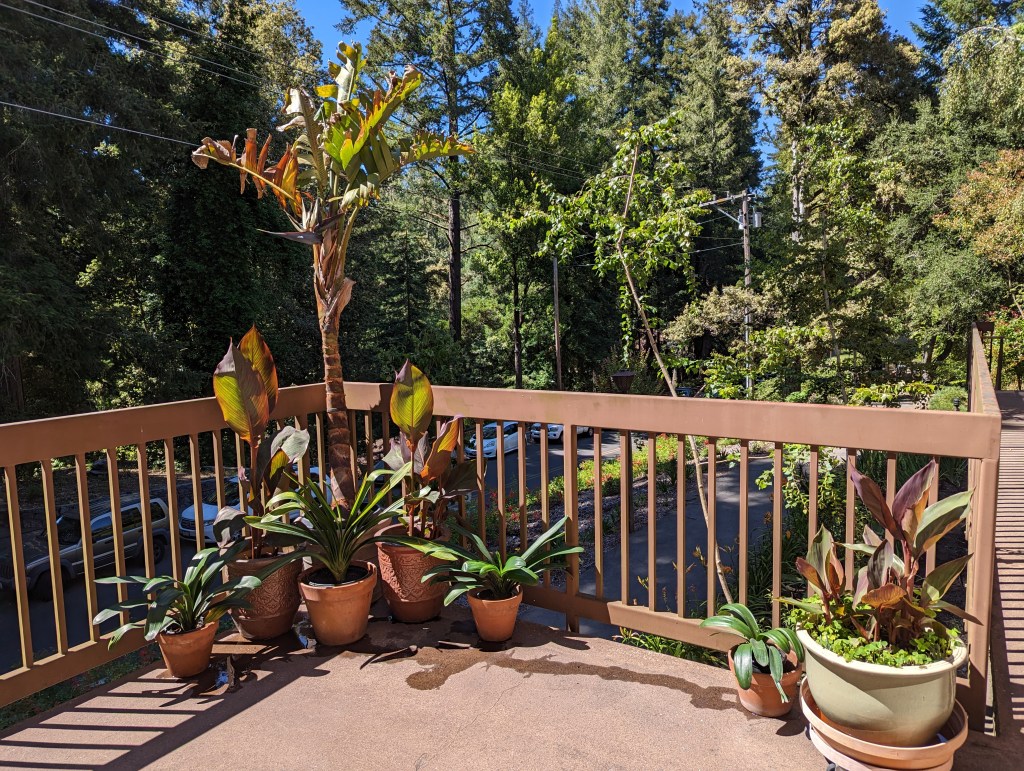
3. An assortment of formerly unappreciated canna, Kaffir lily and giant bird of Paradise temporarily inhabit this otherwise uninteresting deck at work. A gardener found them to be too appealing to leave in obscurity within the nursery yard, so brought them here and set their cans into more appealing pots. Only the canna to the right is original to the site.

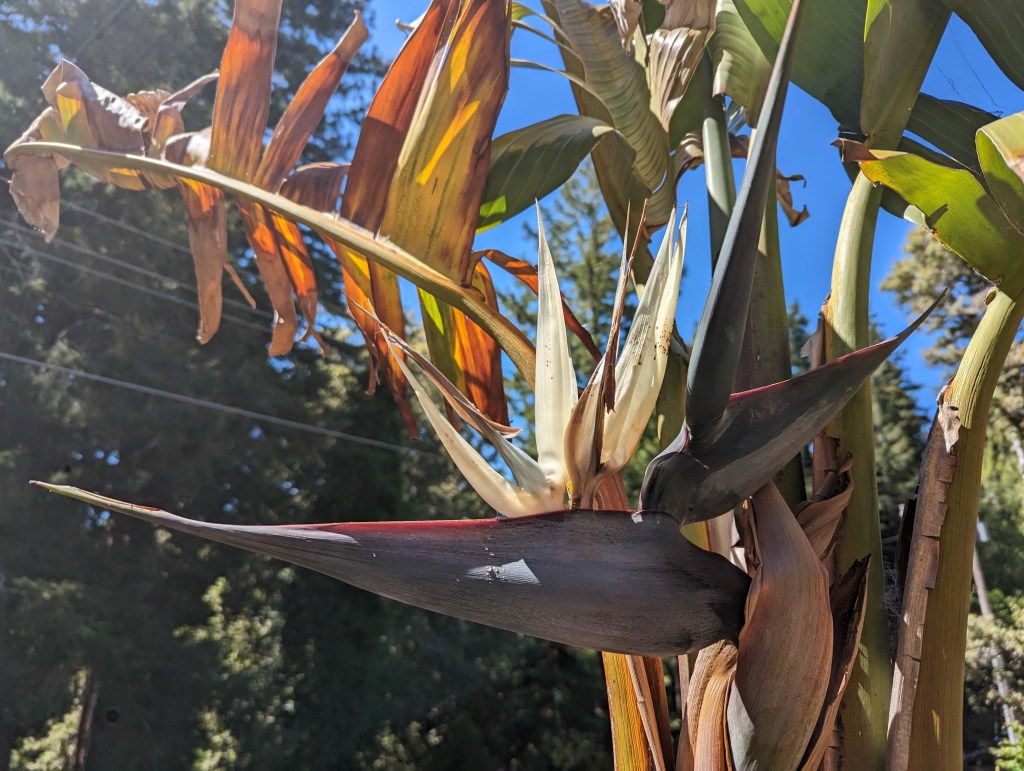
4. Strelitzia nicolai, giant bird of Paradise is shabby though. The worst of its few roasted leaves is to the upper left. However, only I notice it! Everyone else notices its rad bloom.

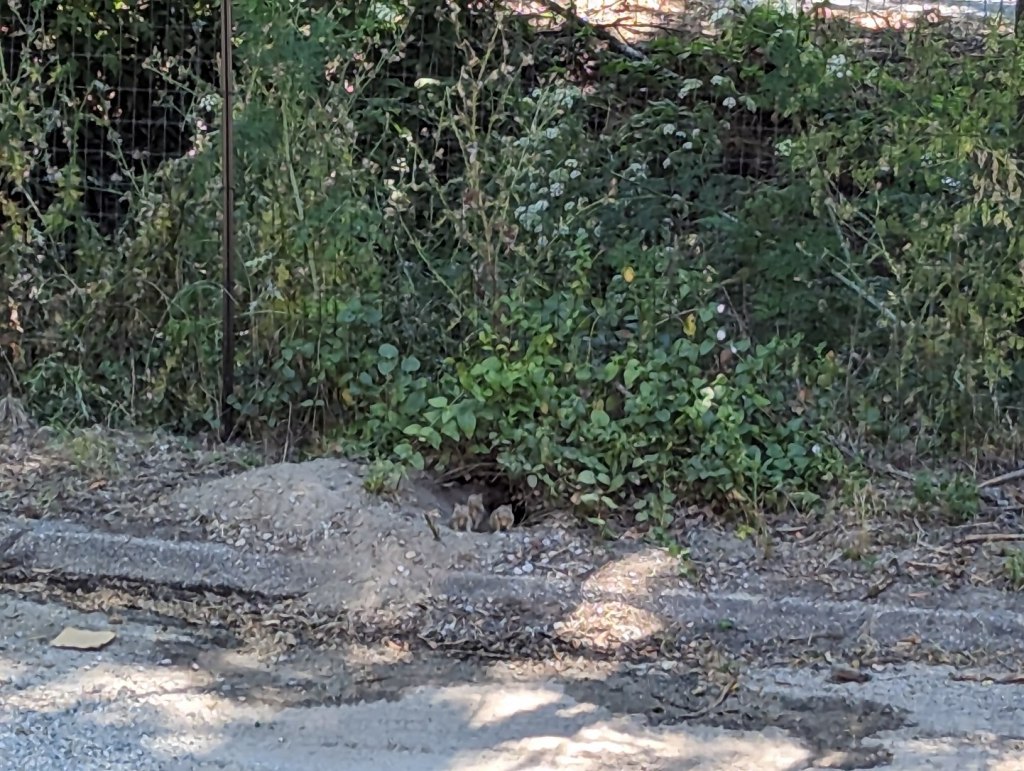
5. Alvin, Simon and Theodore are the new neighbors. I yelled at them initially. They just came out to stare at me. More of their friends and family moved in. They do not damage desirable vegetation though. Actually, they are eating undesirable weeds with brambles!

6. After recycling an article about the vandalism of the Memorial Tree in Felton Covered Bridge Park two Wednesdays ago, I should post this new picture of how happy it is now.

This is the link for Six on Saturday, for anyone else who would like to participate: https://thepropagatorblog.wordpress.com/2017/09/18/six-on-saturday-a-participant-guide/

Six on Saturday: Again – No Signal

Since the camera died, all my pictures are taken by telephone and then sent to my email. The primary problem with this procedure is that the telephone signal here is unreliable. I actually had six timely pictures to post today, but could not get them here. Instead and again, these six are merely five random pictures that I had no other use for, as well as an illustration that I copied from a magazine. Incidentally, the illustration from a magazine is not of particularly good quality. Actually, most of what is shared on Six on Saturday is of superior quality, and more interesting.

1. My Los Angeles homeless camp made the New York Times! This is it in an illustration for an article about hedges. It is why I have never stayed at the famously eccentric Hotel del Flores, which incidentally, has less Flores. It is in the back yard of Brent’s Jungalow.

2. ‘Tropicanna Black’ Canna was ‘borrowed’ from my Los Angeles homeless camp during a previous trip late last summer. It now lives happily with five other fancy cultivars here.

3. Morea iridioides, African iris is nothing special. This and three others were split from an overgrown specimen that I planted at my mother’s garden in the early 1990s though.

4. This is where they live now. They will not look so silly as the Dodonaea viscosa grows. I should pluck bits from the biggest specimens to add to the small specimen this winter.

5. Acer platanoides, Norway maple resembles ‘Schwedleri’ Norway maple that I grew up with. I can not remember the name of this modern cultivar. I prefer the original though.

6. Rhody approves of these unplanned Six on Saturday, although this sixth older picture may have been featured earlier. He and I both know how popular any of his pictures are.

This is the link for Six on Saturday, for anyone else who would like to participate: https://thepropagatorblog.wordpress.com/2017/09/18/six-on-saturday-a-participant-guide/
Six on Saturday: Occupational Hazards

Work is too much fun! It was supposed to be temporary work until I returned to work in a few months, but that was a few years ago. Well, that is another story. Work can be very frustrating at times also though. Unlike the farm, where only a few of us work on many acres, many very different people work on less acreage here. We all have very distinct priorities.

1. Training this grapevine like this was a lot of work. It extends from a rail fence on top of the retaining wall at the lower left, to the bottom of the upstairs banister at the upper right. This is my second attempt after someone who works in the building to the upper right cut it off the banister as if it was not obvious that someone meticulously trained it.

2. Now, decorations for the summer involve fake ivy stapled to half century old wooden pillars. This is near both the grapevine and walls that we needed to remove real ivy from.

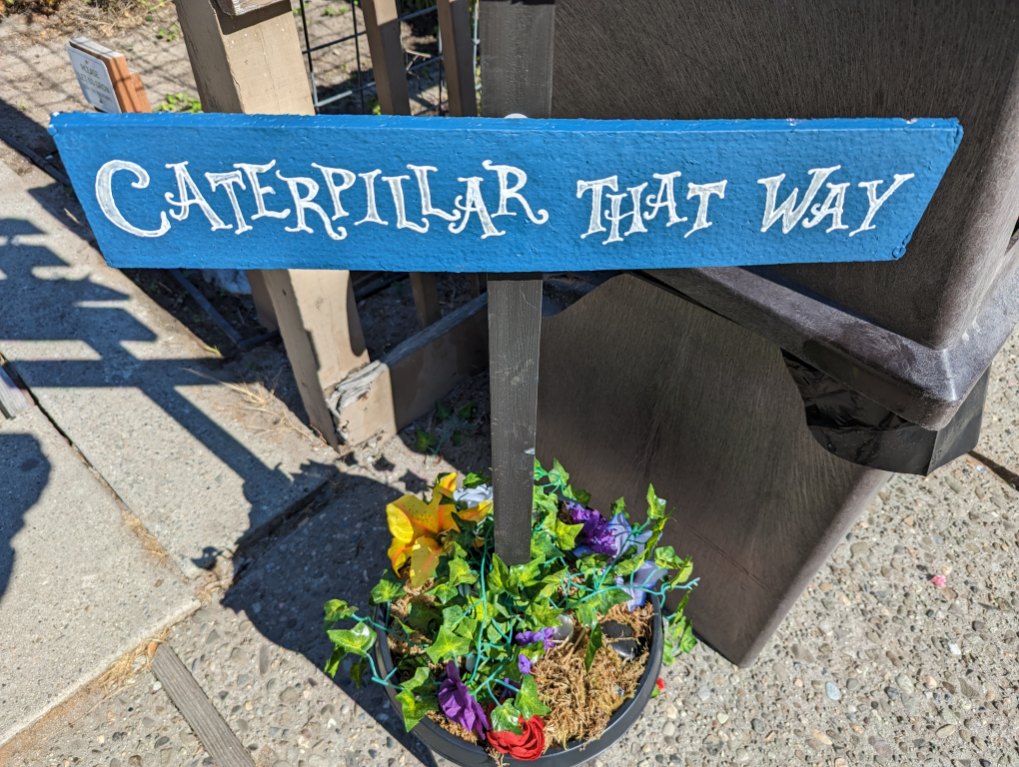
3. Is this some sort of insect repellent? Which way is ‘that’? Are fake flowers effective?

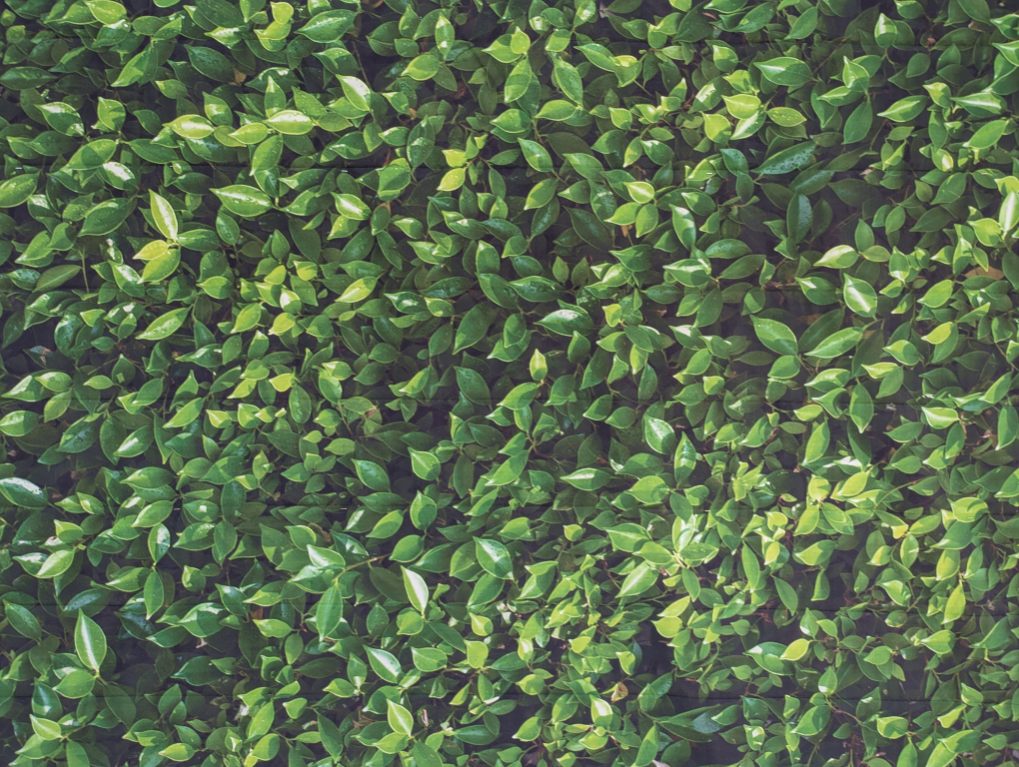
4. Ficus microcarpa ‘Nitida’ makes a great hedge. This is a picture of a picture of such a hedge, sideways, on a wall. Up is right. Down is left. It is effective but needs no shearing.

5. This is all sorts of wrong! The small sign to the lower right has never been so relevant. Someone who was hired for weed whacking whacked all the Canna here, as well as a few Clematis to the right. Weeds are now growing faster than the Canna. To compensate for the lack of bloom, fake roses were installed. It gets weirder. The fake roses glow at night.

6. Chorisia speciosa nearby seems like it really should be the worst occupational hazard.

This is the link for Six on Saturday, for anyone else who would like to participate: https://thepropagatorblog.wordpress.com/2017/09/18/six-on-saturday-a-participant-guide/

Six on Saturday: Like Totally!

Val culture developed within the Santa Clara Valley prior to its assimilation into the San Fernando Valley. I totally know how to use “like” in a sentence, and can do so repeatedly if I like. These Six are not about Val culture during the 1980s though. They are just a few items that are sort of like each other, and five items that I like. Eventually, I will like the item that I do not yet like. Totally!

1. Sambucus nigra ‘Black Lace’ is an ornamental cultivar of European elderberry. As the name implies, it has darkly bronzed and intricately lobed foliage. All but two of the herd of cuttings that I plugged rooted. I wanted a few, but got forty-eight. I was not at all fond of this cultivar or even this species when I met it a few years ago, but I now sort of like it.

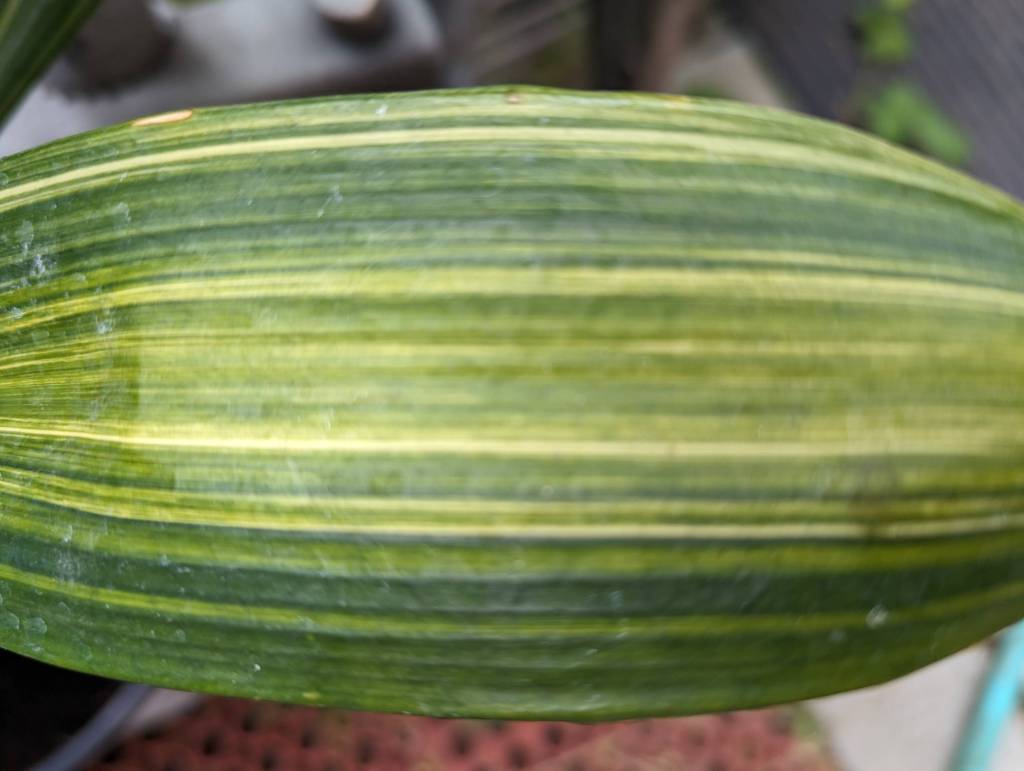
2. Clivia miniata, Kaffir lily lacks bloom now, but like ‘Black Lace’ European elderberry, provides colorfully ornamental foliage. It is variegated with these narrow yellow stripes. I believe it blooms orange. I do not know what cultivar it is. It came from Brent’s garden.

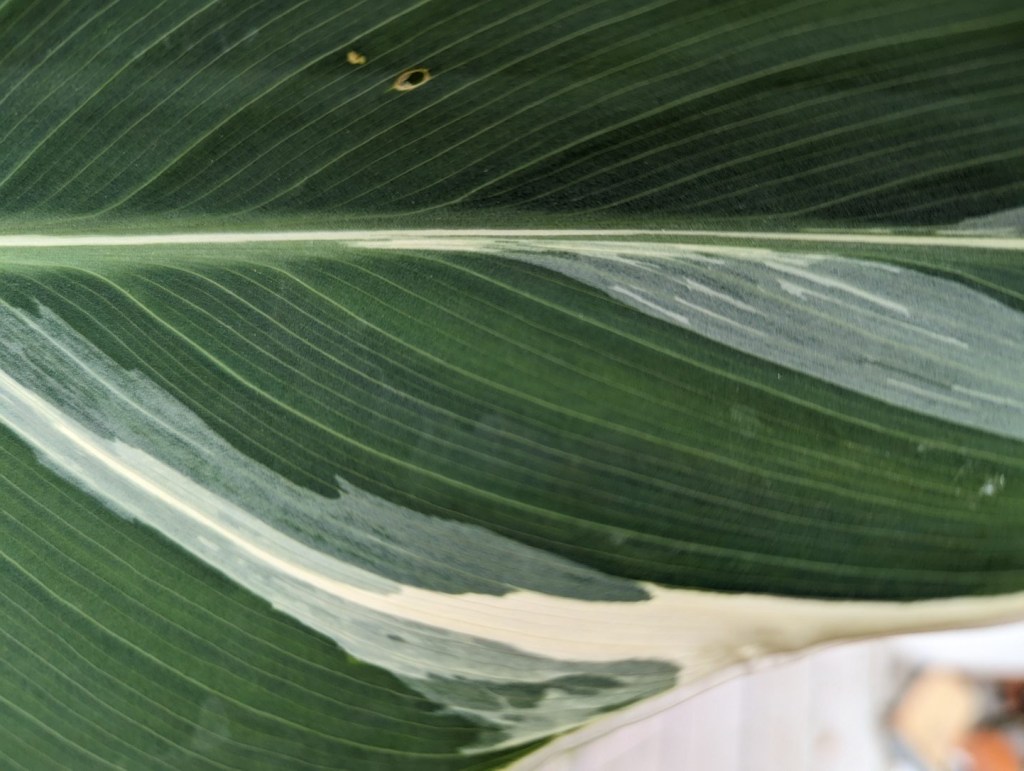
3. Canna ‘Stuttgart’, like the Cymbidium and the other two Canna, lacks a species name. Like 1, 2 and 4, it provides colorful foliage. Like 4 and 5, it is a Canna. It has a lot to like. Most importantly, it came from Tangly Cottage Gardening, and is approved by Skooter!!

4. Canna ‘Australia’ might be described like ‘Stuttgart’ Canna above, but is not approved by Skooter. Its colorful foliage is darkly bronzed, but this specimen is striped with green.

5. Canna ‘Cannova Mango’, like 3 and 4, is a Canna, but that is about its only similarity. I do not like it much because it is a modern cultivar, and it blooms with this weird color.

6. Cymbidium orchid, like 3, 4 and 5, lacks a species name. I like it because I have grown it since the early 1990s. Bloom began in March, but is only now beginning to deteriorate.

This is the link for Six on Saturday, for anyone else who would like to participate: https://thepropagatorblog.wordpress.com/2017/09/18/six-on-saturday-a-participant-guide/

Six on Saturday: Return From Arizona

The first three of these six are the last of my trip to the Los Angeles and Phoenix regions. That was weeks ago. If there were a time limit for such pictures, these first three pictures would have exceeded it. With a limit of six pictures weekly though, it takes quite a while to post all of an abundance of pictures. Cool weather has inhibited activity in the garden anyway. Although there is plenty of bloom, much of it is no longer new. I am still waiting for vegetative growth from a few tropical types of vegetation that prefer warmth to grow. This includes the last three here.

1. Mount San Jacinto is not exactly horticulturally relevant, and I do not even know what that vegetation in the foreground is, but it is a grandly scenic backdrop to Palm Springs.

2. Phoenix dactylifera, date palm grows in date orchards throughout the Mojave Desert and the Sonoran Desert, and is most likely the origin of the name of Phoenix in Arizona.

3. Washingtonia filifera, California fan palm is the only palm that is native to California. It is the origin of the name of Palm Springs because it grows wild around nearby springs. This happens to be an atypically shabby specimen at a roadside rest stop on Highway 10.

4. Heliconia psittacorum, parrot heliconia had done no more than survive last winter. It needed to be removed from Brent’s garden, so came here. It is finally beginning to grow.

5. Hedychium greenii, red butterfly ginger arrived with the parrot heliconia, but canned separately here. I did not know what it is until Brent mentioned that his is now missing.

6. Dichorisandra thyrsiflora, blue ginger was not expected to survive the unusually cold frost of last winter, but finally is slowly generating these little shoots from eight cuttings.

This is the link for Six on Saturday, for anyone else who would like to participate: https://thepropagatorblog.wordpress.com/2017/09/18/six-on-saturday-a-participant-guide/

Six on Saturday: Buckeye

Aesculus is not native to Arizona. Buckeye is merely where I vacationed after leaving the Los Angeles region. It is northwest of Phoenix, which is also a genus that is not native to Arizona. It was a hundred degrees daily while I was there, but oddly, never to a hundred and one. My Six are from residential gardens. #2 is of the Plantaginaceae family. #1 and #6 are of the Fabaceae family. The three others are of the Bignoniaceae family. Fabaceae and Bignoniaceae seem to be popular there. #1, #4 and #5 are native species. Carnegiea gigantea, saguaro, which is the State Flower of Arizona, grows wild there. I should have taken pictures of it. The base of a minor specimen is visible to the far right of picture #1.

1. Prosopis glandulosa, honey mesquite was in need of clearance pruning. I brought the bigger stems from the pruning debris back for a colleague who will use it to smoke meat.

2. Russelia equisetiformis, firecracker plant, as the specific epithet describes, resembles equisetum, but with these red and narrowly tubular flowers that exclude interested bees.

3. Jacaranda mimosifolia, jacaranda is one of a few familiar species that I encountered. I am impressed that it is popular and seems to perform well within such an arid climate.

4. Chilopsis linearis, desert willow got my attention because of this floral color that is so unusual for trees. I had previously only encountered it while it was defoliated for winter.

5. Tecoma stans, esperanza, as well as poinciana #6 below, should bloom like this in my garden. Crazy Green Thumbs sent me seed for both last year. Both were terrible failures.

6. Caesalpinia pulcherrima, poinciana, as well as esperanza #5 above, remind me that I should have been more diligent and protective with the seed from Crazy Green Thumbs.

This is the link for Six on Saturday, for anyone else who would like to participate: https://thepropagatorblog.wordpress.com/2017/09/18/six-on-saturday-a-participant-guide/
Six on Saturday: Hollywood II

These ‘Six on Saturday’ are even more outdated than my ‘Six’ that were outdated for last Saturday. They were taken at the same time, but are presently a week later. I really want to post them anyway though. I do not get to Southern California often, although some of these species also happen to be native here. All of this vegetation is native to, and grows wild within the Hollywood Hills, and specifically at the Bronson Caves, where I got these pictures. I brought back a few exotic species from the region, but did not take pictures of them. I can get pictures of them at any time, and they are not distinctive to Hollywood.

1. Clarkia bottae, punchbowl godetia was featured in my garden column. Now that I see it in bloom, I sort of wonder if it is what I thought, back in school, was evening primrose.

2. Eriophyllum confertiflorum, golder yarrow is merely my guess for the identity of this bright yellow wildflower. The floral trusses are smaller and rounder than they should be.

3. Eriophyllum confertiflorum, golden yarrow sort of looks like this. Well, I sort of think it does. I really can not remember. This is a bit farther back from the same bloom above.

4. Opuntia phaeacantha or Opuntia littoralis, prickly pear is probably the same species as the big herd that I got a picture of for last week. This is a closeup, but of another herd.

5. Romneya coulteri, matilija poppy is also known as fried egg poppy because the floppy white flowers with big yellow centers look like fried eggs. These were at least six feet tall.

6. Salvia mellifera, black sage is one of my favorite wildflowers here because I recognize it and its alluringly pungent foliar aroma from almost everywhere that I have ever lived.

This is the link for Six on Saturday, for anyone else who would like to participate: https://thepropagatorblog.wordpress.com/2017/09/18/six-on-saturday-a-participant-guide/

Six on Saturday: Hollywood

Vacation complicates blogging. So does spring. There is too much to get pictures of now. The pictures that I get are difficult to process while traveling without internet access. As has become typical for the past few weeks, these six pictures are already outdated. I took them prior to last Saturday, but I am only able to post them now. That is not the worst of it though. Even with so much blooming now, the only bloom within my Six for this week is scarcely visible, and half of these Six lack identifiable vegetation. The last is essentially devoid of vegetation. Heck, when it was more foliated between 1966 and 1968, the most prominent vegetation was fake. I might share six more appropriately floral pictures from the same location next week.

1. Opuntia phaeacantha or Opuntia littoralis, prickly pear grows wild in the Hollywood Hills. I got a picture closer to another herd for next week, but it may be another species.

2. Hesperoyucca whipplei, our Lord’s candle blooms with an impressively tall and white floral stalk, but is barely visible at the center of this picture, taken from quite a distance.

3. Pinus pinea, Italian stone pine is obviously not native to the Hollywood Hills. I took a picture of this feral specimen because I thought it might be the legendary Wisdom Tree.

4. Not much vegetation is visible within this picture of an abandoned quarry, but Rhody directed me to this captivating scenery. Because of limited accessibility, we got no closer.

5. Zooming into the previous picture makes its scenery more captivating, and also shows a bit more vegetation within a residential landscape. Most of it is unidentifiable though.

6. Artificial English ivy with random native vegetation formerly inhabited this presently barren landscape. The busted fence is now quite uninviting. Does anyone recognize this?

This is the link for Six on Saturday, for anyone else who would like to participate: https://thepropagatorblog.wordpress.com/2017/09/18/six-on-saturday-a-participant-guide/

Six on Saturday: Rhody Obligation

Rhododendrons bloom so spectacularly that I am obligated to share pictures of them for Six on Saturday. I can not share pictures of all of them though. There are too many, and there are also too many pictures of other flowers that bloom at this time of year. As it is, these pictures were delayed because I shared pictures of other flowers earlier. Therefore, these Six will be the first and last pictures of rhododendrons that I will share this season. None of them are of my roommate, Rhody. None of the cultivars are identified. I should share pictures from my vacation next week. I arrived in Los Angeles on Wednesday, and should leave for the Phoenix region on Sunday.

1. Anah Kruschke looks something like this; and this really is more purplish than it looks here. Bloom is so very late that some was still in bud, like those behind these two florets.

2. Floral trusses of this cultivar are huge! The branch structure is also big. The specimen that produced this bloom is more than twenty feet tall. It sags from its own floral weight.

3. Several rhododendrons here are white, but none are pure white. This one is somewhat spotty and blushed with a bit of lavender pink. It brightens its partially shaded situation.

4. Pink is likely the most common color among the rhododendrons here. Rich pink such as this mostly inhabits sunnier situations. Paler pink mostly inhabits shadier situations.

5. White with yellow spots seems to be somewhat whiter than lavender pink blushed and spotty white. A few specimens of this cultivar live here. Its foliage is not very impressive.

6. Red is a splendid color for rhododendrons. Red is not as splendid as lighter colors for shady situations though. That may be why it is uncommon within our shady landscapes.

This is the link for Six on Saturday, for anyone else who would like to participate: https://thepropagatorblog.wordpress.com/2017/09/18/six-on-saturday-a-participant-guide/
Six on Saturday: Bearded Iris

Iris are blooming late but splendidly within the new iris bed. It is gratifying to assemble various bearded iris within their dedicated garden. #1 and #2 do not inhabit the new iris bed yet, but are tempting because they resemble cultivars that I crave. I purchase no iris. Doing so would be an egregious violation of my very discriminating standards. However, if I ever find it, the one cultivar of bearded iris that I would make an exception for is ‘San Jose’.

1. ‘Los Angeles’ looks just like this, although this is not exactly an exemplary specimen. I should get a copy of it, regardless of its identity. Perhaps an expert could identify it later. It was a few days old, but stayed on tables for a luncheon at Felton Presbyterian Church.

2. ‘San Jose’ looks almost like this, but frillier, with less veining of the purplish falls. This blooms in front of the White Raven coffee shop in Felton. I likely will not request a copy.

3. Purple intermediate iris is still the most abundant in the iris bed. It was recycled from a garden in Santa Cruz, where it was a bit too abundant. To me, it seems to be deep blue.

4. Feral yellow iris may not actually be so feral. Now that it inhabits the iris bed, where it is irrigated regularly, it has grown as tall and performs like the tall bearded iris cultivars.

5. Purple tall iris was a gift from a neighboring residential garden. To me, it seems about as blue as the purple intermediate iris. I have been assured that it truly is purple though.

6. Blue and white tall iris was also a gift from the same neighboring residential garden. I am very confident that this really is blue, rather than purple. This is the frilliest cultivar.

This is the link for Six on Saturday, for anyone else who would like to participate: https://thepropagatorblog.wordpress.com/2017/09/18/six-on-saturday-a-participant-guide/