Six on Saturday: Some Like It Hot!

The climate here is mild. Winter chill is insufficient for some peonies and apples. Summer warmth is generally tolerable, particularly since humidity is generally low. Nonetheless, the weather occasionally gets quite warm. Fortunately, when this happens, it does not last for too long. It started to get unpleasantly warm on Wednesday, then remarkably hot on Thursday, but was then comfortably warm for Friday. I know that it is not much to complain about; but even brief warmth can damage the landscapes here.

1. Astilbe is something that I have wanted to grow since about 1987. I just never found a good excuse to do so. This is not mine, but was added to two of the landscapes at work on Wednesday.

2. On Thursday, a few of the fresh new astilbe looked like this. The weather got too warm, too fast. Gads! This is my first experience with astilbe. Fortunately, they are green and viable within.

3. Shade is certainly not a rare commodity here. Redwoods are the tallest trees in the World, and many live in and around the landscapes. It would have been even warmer here without them.

4. When I say that redwoods are tall, I mean that they are ‘tall’. This one is known as the woodpecker tree because woodpeckers store acorns in the perforated bark. Its shadow reaches Utah.

5. Anyway, this is how hot it almost got. The actual temperature was likely slightly less than this, but enhanced by the metallic roof above. What difference does it make? It was hot regardless!

6. Rhody knew what he wanted to do while it was so unbearably hot. He went out and laid in a sunny spot on the hot asphalt. He rolled around a bit too. He went for a swim in the creek later.

This is the link for Six on Saturday, for anyone else who would like to participate:

https://thepropagatorblog.wordpress.com/2017/09/18/six-on-saturday-a-participant-guide/

Six on Saturday: Lily Rose and Flowering Pear

Lily Rose Depp was just a little tyke when her father, Johnny Depp, graciously financed the installation of a herd of flowering pear trees as street trees in the neighborhood where she attended school with my niece. Lily Rose is such a delightful and horticultural name. I happen to be very fond of lilies. I also happen to be very fond of roses. I just do not like them together in the same garden.

1. Before it began to deteriorate, this lily looked like Patrick Star, the next door neighbor and best friend of Spongebob Squarepants, or perhaps Carl Junior in drag. It lives in the rose garden.

2. ‘Apricot Candy’ is a rose that I am not familiar with, but it lives here now. It is a hybrid tea rose, which I prefer. I also like the name. Apricots were a primary crop for the Santa Clara Valley.

3. This and #1 above continue to bloom within the rose garden, many years after almost all of the other perennials were removed from the site so that it could be redeveloped as a rose garden.

4. ‘Iceberg’, although white, is not my favorite rose for this week. As reliable and prolific as it is, I still find it to be mundane and cliché. Regardless, it is one of the best within our rose garden.

5. This is my favorite lily this week, not because of the color, but because it is ‘not’ within the rose garden. It is across the road, in a small garden of mostly perennials, where good lilies belong.

6. ‘Proud Land’, although not white like ‘Iceberg’ above, is my favorite rose this week. The rich red is exemplary of the color that red roses should be. This is one of three that I planted in 1984!

This is the link for Six on Saturday, for anyone else who would like to participate:

https://thepropagatorblog.wordpress.com/2017/09/18/six-on-saturday-a-participant-guide/

Six on Saturday: Plebian

Refined gardens are interesting. They are pretty also. Many are impressively colorful. It is easy to understand why refined gardens are as popular as they are. However, they innately lack quite a bit. Furthermore, they demand more attention that what would naturally grow wild. We are very fortunate here, that the refined components of our landscapes are rather minimal, and must conform to the unrefined components of the surrounding forests. We occasionally add a few new plants, including annuals. Much of what grows here now was once refined, but has gone wild. They are the plebian of horticulture.

1. Zinnia were just recently planted for summer. They are some of the most refined flowers now. There are not many annual bedding plants here, and none live in big beds. These are in a row.

2. Alyssum were planted as summer annuals sometime in the past. These were likely planted about a year ago, and survived through winter. They would likely be white if they grew from seed.

3. Alstroemeria are too aggressively perennial. They were planted intentionally, but overwhelmed the mixed perennial bed they were in. We tried to remove them, but a few continue to bloom.

4. Geranium, or zonal geranium, which is just a rather mundane Pelargonium, was plugged as cuttings and left to go wild. It happens to be one of my favorites because I have always grown it.

5. Calla must have been planted intentionally somewhere and sometime in the distant past, but was dug up and dumped with what became fill dirt here. It now blooms on the side of the road.

6. Poppy, or more specifically, California poppy, which is the Official State flower of California, grows wild, of course. They are some of the least refined flowers now, but also, among the best!

This is the link for Six on Saturday, for anyone else who would like to participate:

https://thepropagatorblog.wordpress.com/2017/09/18/six-on-saturday-a-participant-guide/

Six on Saturday: Jive Turkey

Every once in a while, I accumulate a few random but perhaps interesting pictures that do not conform to a common theme. ‘Six on Saturday’ is an ideal venue to avoid wasting such pictures. I could have gotten six more pictures of rhododendrons like I did last week, but that would have been mundane. I happen to both like and dislike the miniature rose in picture #3, and wanted to show it off. The conjoined roses are just wrong. The removal of the exemplary California lilac was wrong too, but could not be avoided.

1. Rhododendron are mostly finished with bloom. This pinkish watermelon red bloom was still quite garish when I got this picture about a week and a half ago. A few are still blooming today!

2. Rhododendron are abundant, which is why I share too many pictures of them. I will not do it this season. After the Six last week, and the one above, this yellow blushed white one is the last.

3. Rose blooms on the edge of the most prominent of our landscapes, but we did not plant it. No one know where it came from. We can not remove it because it is likely important to someone. 

4. Rose aberration that I mentioned two weeks ago blooms just across the road. I believe that these are Iceberg and Burgundy Iceberg grafted together on the same rose standard (tree). Gads!

5. California lilac might be a common Ceanothus thyrsiflorus. This is an exemplary specimen, but grew where it overwhelmed an important star magnolia. It finished bloom, and is gone now.

6. Turkey chicks are just a few of a big herd of a dozen or so! It is a long story. Momma Turkey ran off after a random jogger, and left them staring at me for answers. She fortunately returned.

This is the link for Six on Saturday, for anyone else who would like to participate:

https://thepropagatorblog.wordpress.com/2017/09/18/six-on-saturday-a-participant-guide/

Six on Saturday: Rhody Approved

This is more than Rhody Approved. These are SIX rhodies that I approve of. (I do not know what Rhody thinks because I did not ask.) These pictures were taken early last week. All this bloom is deteriorating now, with only the latest bloom lingering. Most of the rhododendrons here are quite mature. Their identities are unknown. Does it really matter?

1. Trude Webster looks something like this, but should stay lower. The specimen that produced this bloom is more than twenty feet high! It is a lanky tree that bends from the weight of bloom.

2. I have no idea what this is. I am not certain about the identities of any of the rhododendrons here; but this one is different. I really do not know what it even resembles! It certainly is pretty.

3. Rhododendron ponticum is a simple species of Rhododendron, rather than an extensively bred cultivar. Unlike its progeny, it is somewhat uncommon in cultivation. This just might be one.

4. Anah Kruschke is what I thought this resembled last year. It looks nothing like it now. I suppose that it could be another specimen. Anah Kruschke is common, so must be here somewhere.

5. Taurus is what I designated this one as, although I doubt that it really is. It is a big and sprawling specimen, with the simplest and brightest red bloom. It happens to be one of my favorites.

6. Lord Roberts blooms with rich burgundy red like the velour upholstery of the 1978 Electra I learned to parallel park with. If you can parallel park an Electra, you can parallel park anything. Anyway, I do not know what cultivar this is, but I know it is not actually Lord Roberts. Its foliage is not right. Nonetheless, without a good white rhododendron, this is my favorite of these six.

This is the link for Six on Saturday, for anyone else who would like to participate:
https://thepropagatorblog.wordpress.com/2017/09/18/six-on-saturday-a-participant-guide/

Six on Saturday: More White Trash

White is my favorite color. That is why I write about it a bit more than I should. It seems simple enough to me. However, Brent says that I am a white supremacist. Furthermore, he says that I am white to go with it! More specifically, he says that I am white trash. I doubt that a white supremacists would agree, but I really do not care. White just happens to be my favorite color. That is why I got six pictures of white flowers for this week, even if some of them seem to be rather trashy to the more discriminating sorts.

1. Zinnia is a warm season annual that will now be with us through summer. I am none too keen on annuals. Fortunately, I need not work with them. Incidentally, the zinnia colors are mixed.

2. Petunia is another warm season annual for summer. Like the zinnia, their colors are mixed. Extra white petunia were added to the mix because I like white. I was uninvolved with selection.

w

3. Rose should not be as trashy as annual bedding plants; but this one is Iceberg. As if that were not bad enough, it is grafted together with purplish Burgundy Iceberg as a standard ‘rose tree’.

4. Azalea should be less trashy than rose; but I believe that this one is Fielder’s White. I am not certain. It somehow looks differently this year. Regardless, I like it. Bloom is deteriorating now.

5. Geranium, which is more correctly known as zonal geranium because of its darker foliar halos or zones, is actually Pelargonium X hortorum rather than a geranium. These are new cuttings.

6. Angel’s trumpet is perhaps the least trashy of these Six, but looks shabby now because it is blooming so well with only skimpy foliage. It mostly defoliated after transplant three months ago.

This is the link for Six on Saturday, for anyone else who would like to participate:

https://thepropagatorblog.wordpress.com/2017/09/18/six-on-saturday-a-participant-guide/

Six on Saturday: Roses for Momma

Actually, four of these ‘Six’ roses are ‘from’ rather than ‘for’ Momma. They came from my Mother’s rose garden. I never sent roses to my mother for Mothers’ Day, which is tomorrow, because she had more than I did. Besides, roses from a horticulturist would be rather mundane. Instead, I gave her rooted cuttings of all sorts of odds and ends, such as angels’ trumpet, pink jasmine, forsythia, flowering quince and a minute olive tree. Of course, only angels’ trumpet had yet to bloom. Red Souvine, ‘Roses for Momma’ composer, might have had something to say about that.

1. Double Delight is presently blooming quite abundantly at work. The yellow is normally more whitish. The pink is normally more reddish. We really have no idea what cultivar this is though.

,

2. Amber Queen is also unidentifiable, and is also blooming remarkably well in the same small rose garden as Double Delight. I am impressed by how well they perform here, in a bit of shade.

3. Julia Childs resembles Amber Queen up close like this. It was a gift from Filoli. My mother volunteered there after retirement. Actually, a few items in my mother’s garden came from Filoli.

4. Apricot Candy might have been another gift from Filoli. The name is so appropriate for a garden in the Santa Clara Valley. I rather like the simplicity, although the flowers should be fluffier.

5. Heaven on Earth is one that I would not have selected. Yuck. Yet, my mother gave it a prominent situation, but never allowed me to add a most elegant John F. Kennedy rose to the garden!

6. Proud Land was one rose that I agreed on! There are three! They are the only remnants of the original roses that I planted within a few years of 1985. The flowers are typically more billowy.

This is the link for Six on Saturday, for anyone else who would like to participate:

https://thepropagatorblog.wordpress.com/2017/09/18/six-on-saturday-a-participant-guide/

Six on Saturday: Weeds +

Working inside for most of the week has certain disadvantages, especially at this time of year. There is so much blooming that I do not go out to see. I did not get many pictures of camellias or flowering cherries while they bloomed, although some camellias continue to bloom sporadically. Some azaleas are also finished blooming. Rhododendrons are blooming nicely now, but I have not started getting pictures of them. Instead, I got pictures of a few weeds and their associates from just outside of where I work inside.

1. Broom! It is one of the most aggressively invasive exotic weeds of the Santa Cruz Mountains. No one knows if it is Scotch, Spanish or French. It is probably French, but we know it as Scotch.

2. Dandelion infests most lawns. It was probably imported for greens. I will not eat greens that grow in lawns where Rhody does what he goes outside to do. I should move some to the garden.

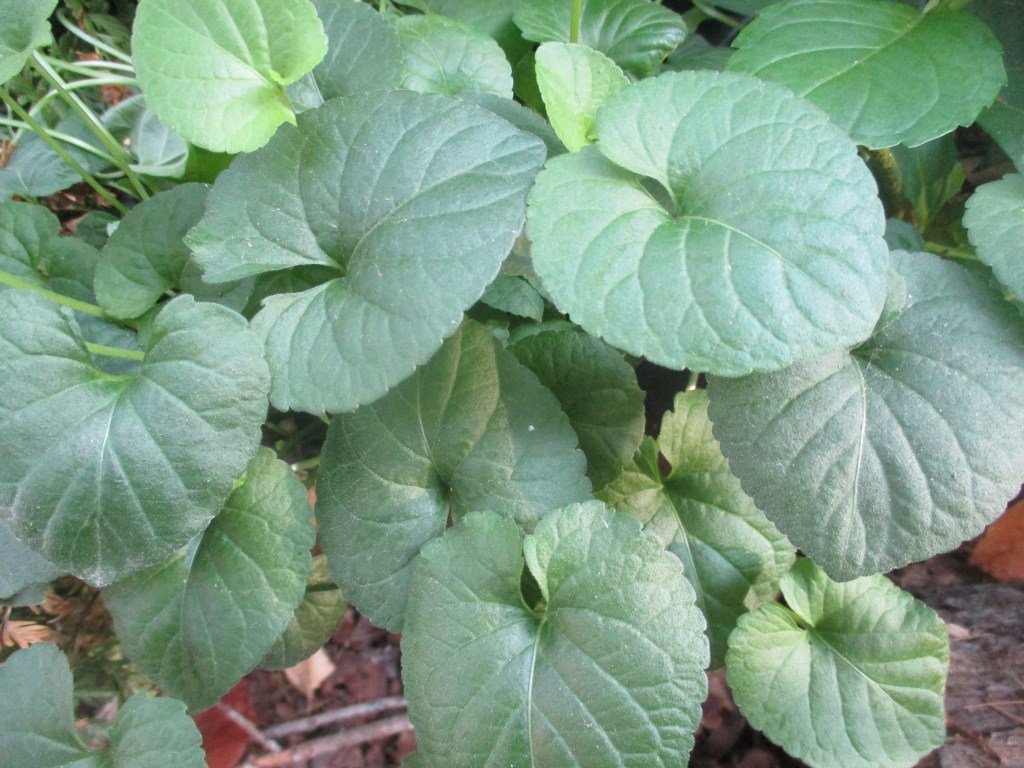
3. Periwinkle is a naturalized exotic species here, but is not so naturalized farther inland, or in urban areas where lacks space to migrate. I actually planted it where I lived while in high school.

4. Forget me not, as seen in the upper right corner of the previous picture, is naturalized in riparian situations, but is also too delightful to be perceived as a weed. How could anyone dislike it?

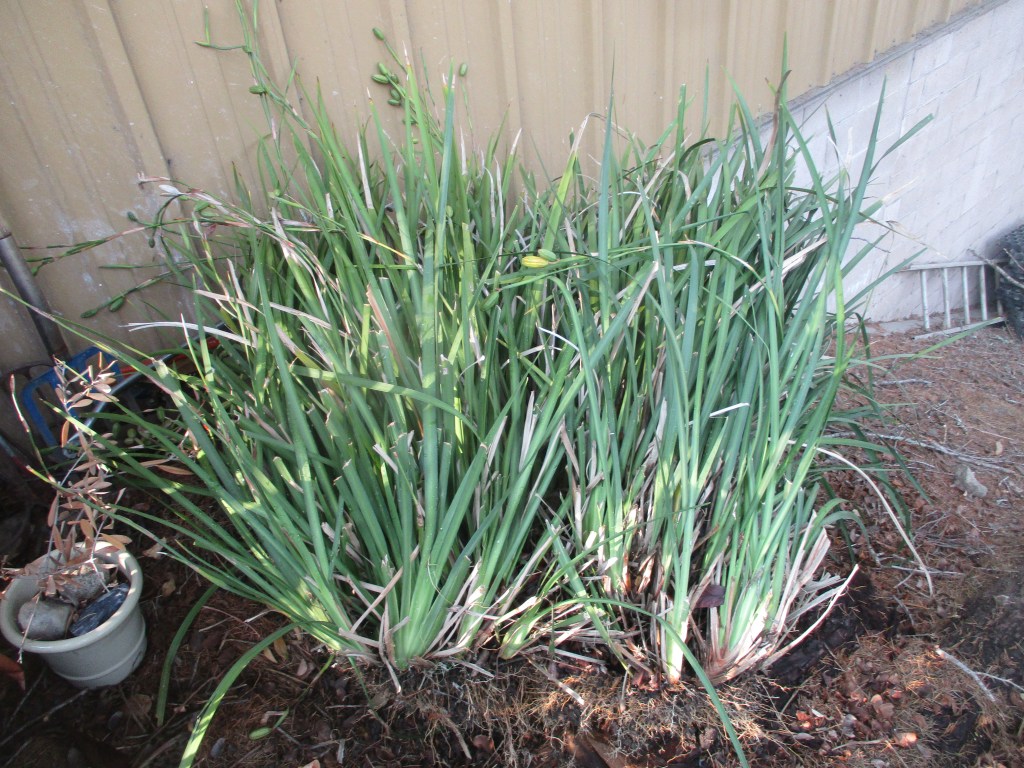
5. Pacific Coast iris is not actually a weed. It is not even exotic. This one is a hybrid of a few native species, and was planted intentionally. I would just prefer the ‘unimproved’ Iris douglasiana.

6. Rhody puts the ‘+’ in ‘Weeds +’, which is the title for this week. Perhaps this should have been the first of these six; but then no one would have bothered with the remaining five. Priorities.

This is the link for Six on Saturday, for anyone else who would like to participate:

https://thepropagatorblog.wordpress.com/2017/09/18/six-on-saturday-a-participant-guide/

Six on Saturday: What Is This?!

As I mentioned last week, these pictures were obtained a week and a day ago. The flowers were fresher then. I suspect that they are all finished or nearly so by now, although money plant is still colorful in some sheltered situations. The flower that might be California bluebell did not last long at all. I should have looked for seed, but could not find it again. This is an odd batch. I know more about what I work with here than almost anyone else, but some unfamiliar items are baffling.

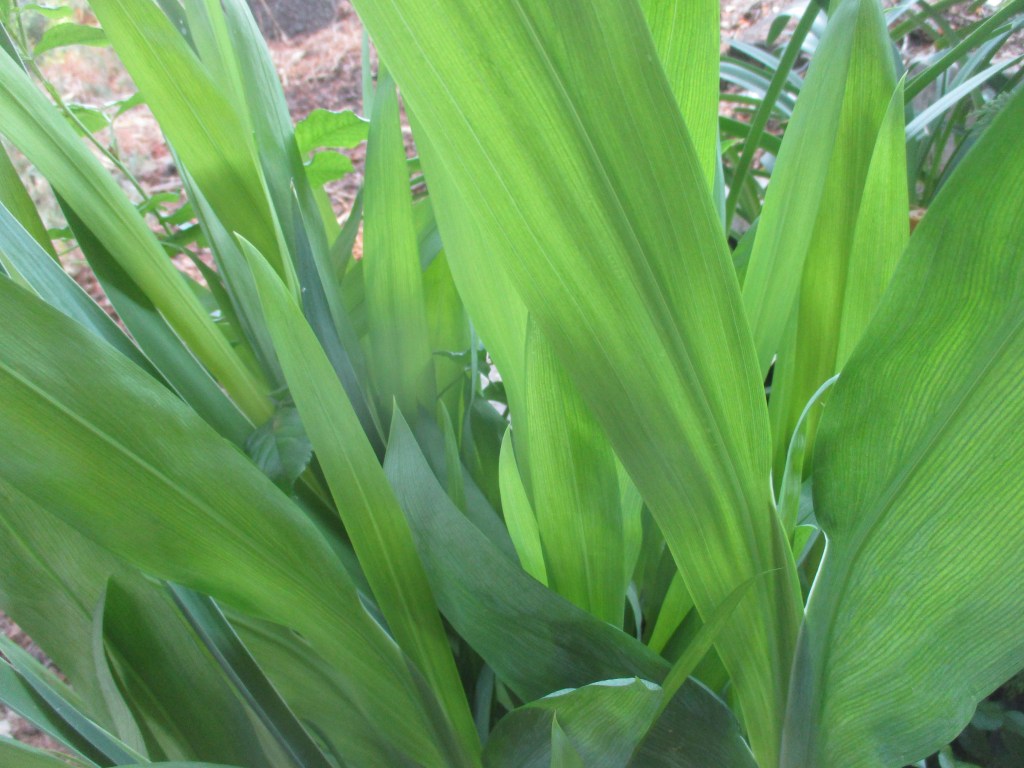
1. Is this Dutch iris? It was planted years or perhaps decades ago, but only started blooming, along with freesia and ixia, after overgrowth above it was cleared. I have never grown Dutch iris.

2. Is this money plant or honesty? I honestly believe that it is money plant. Others might bet money that it is honesty. I know they are the same. I would nonetheless prefer the proper name.

3. This one I can identify as wild cucumber. It is also known as manroot. The annoyingly weedy vines are surprisingly easy to pull out. However, the massive and resilient tubers make more.

4. This is supposed to be false Solomon’s seal, but is real enough for us, since it is the only one we know. It is native, so lives in the surrounding forest and sometimes moves into landscapes.

5. What is this?! Seriously, I have no idea! It appeared on a dry roadside after the taller grassy vegetation got cut down. The foliage seems to be that of California bluebells. It is likely related.

6. I know what this is, but doubt that you do. It is from one of only two species of its genus that is native regionally. The other species is endemic to every state except for Alaska and Hawaii.

This is the link for Six on Saturday, for anyone else who would like to participate:

https://thepropagatorblog.wordpress.com/2017/09/18/six-on-saturday-a-participant-guide/

Six on Saturday: Rhody Walks Away

The first four of my Six on Saturday are somewhat dated since they are not really from last week. It did not seem right to simply waste them. Actually, my pictures for the next two Saturdays were taken yesterday, so will also be more than a week old when they post. Perhaps I should not mention such violations. What is more important is the sixth picture here and now. It is not of particularly good quality, but it is what everyone really wants to see.

1. Laurustinus never got my attention before I noticed others sharing pictures of it. Still, I do not quite understand the allure. It is somewhat naturalized here. This one is whiter than others.

2. Fake lilac fails to impress those of us who know what real common lilac is. This runty little scrub is a trip hazard that happens to smell pretty. Its fragrance makes me crave common lilac.

3. This is the first bald cypress that I ever got to work with, after meeting the species for the first time in Oklahoma in the autumn of 2012. Sadly, this is its last picture before it got cut down.

4. ‘In A Vase On Monday’ (IAVOM) is a meme that I almost participated in for the first time three weeks ago or so. I just could not get a good picture. There is quite a bit to write about here.

5. What must I say about this one? I encounter all sorts of weird situations at work. Part of this black cherry tree is getting milled. Part of it is firewood. The process was rather ‘complicated’.

6. Rhody says the first three pictures are mundane, the fourth is too dark, and the fifth is just VERY weird. The sixth picture could have been the best, if only Rhody would have cooperated.

This is the link for Six on Saturday, for anyone else who would like to participate:
https://thepropagatorblog.wordpress.com/2017/09/18/six-on-saturday-a-participant-guide/