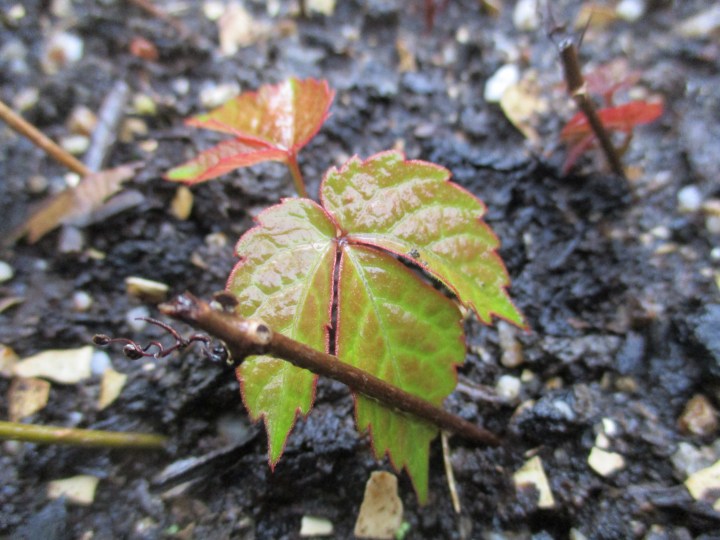
Six on Saturday: (First) Rose Parade 2020


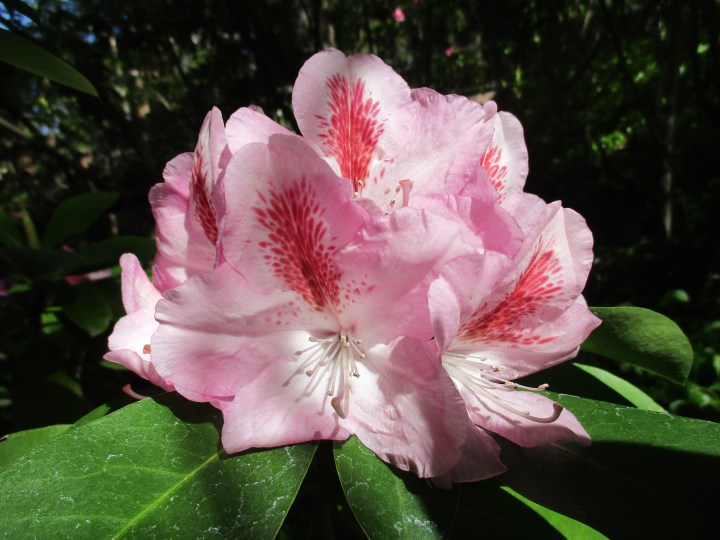
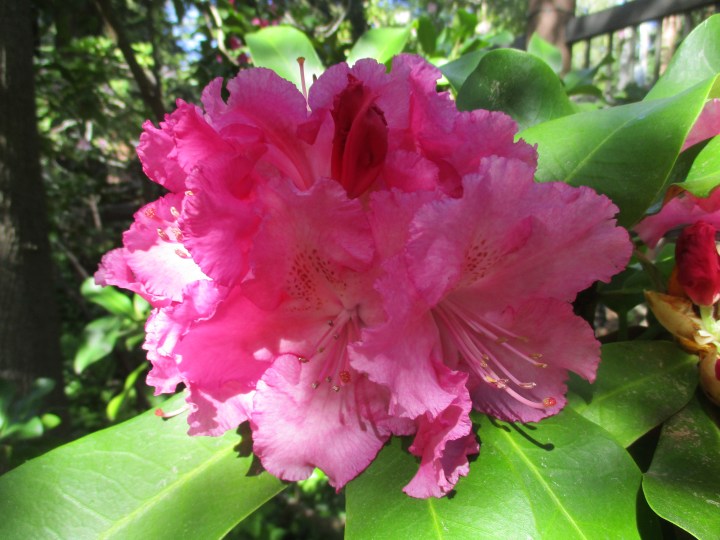
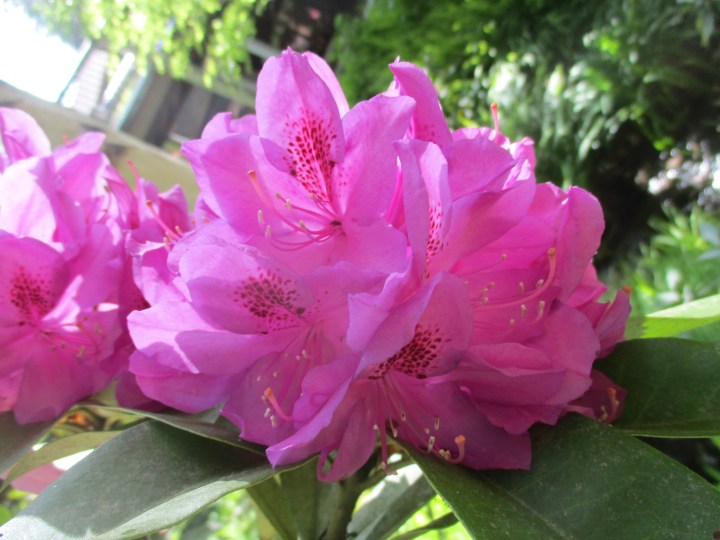
The landscapes are in surprisingly good condition after more than a month of neglect. Weeds are horrendous, but no more so than expected. They and the lawns are the priorities. Significant progress was made just in the last three days that we have been able to work. As busy as we are, I managed to get some nice floral pictures. Rhododendrons are still blooming, but will be the topic for next week.

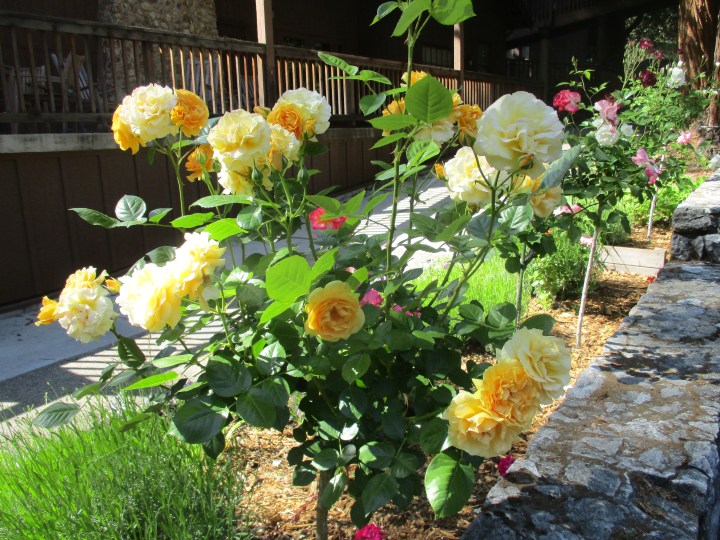
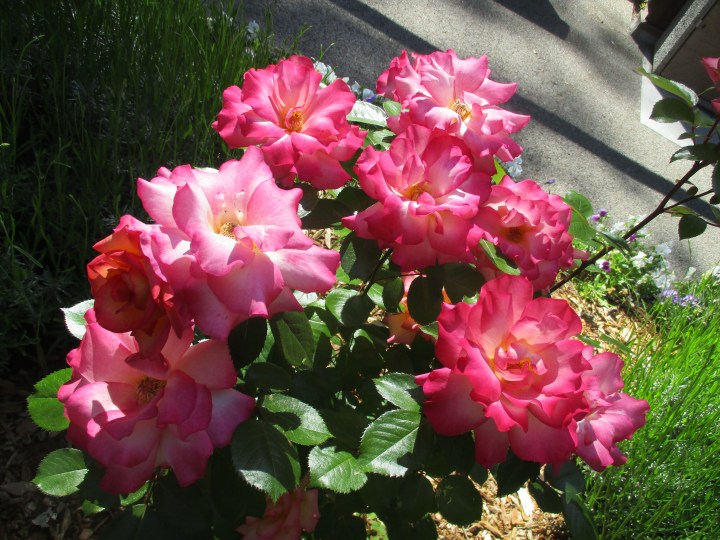
1. Of the mere four cultivars here, this is my least favorite. The color and profusion of bloom are excellent. I just dislike how the floral form resembles those of the trendy David Austin roses.P00509-1

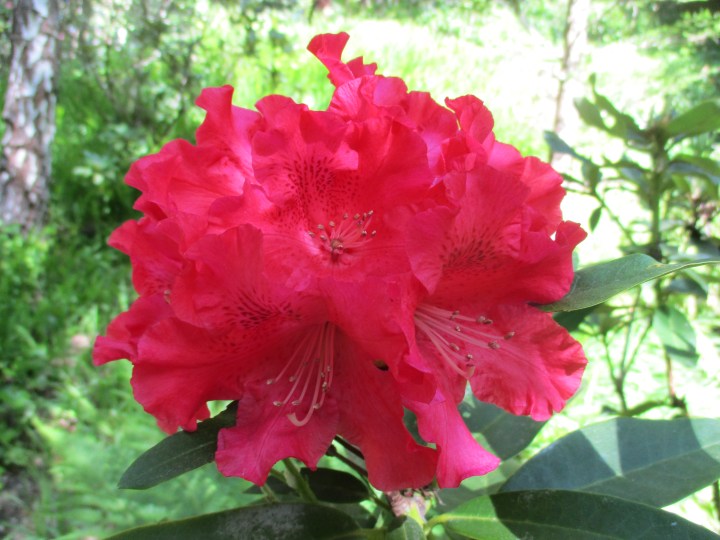
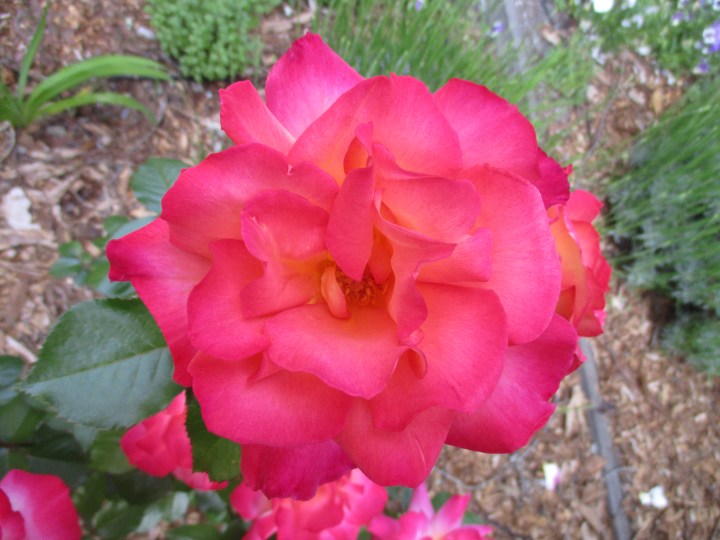
2. This cultivar is the only one that is in shrub form. All the others are tree roses (or standards). The profuse bloom resembled ‘Double Delight’ last year, but is completely different this year.P00509-2

3. Close up, it is more rich bright pink than distinctly reddish pink with white. It is fragrant like ‘Double Delight’ should be, although it does not seem to be as fragrant now as it was last year.P00509-3

4. The first (#1 above) is also different from how it bloomed last year. Its petals are not so densely packed. There are plenty of buds behind the maturing flowers. Performance is exemplary.P00509-4

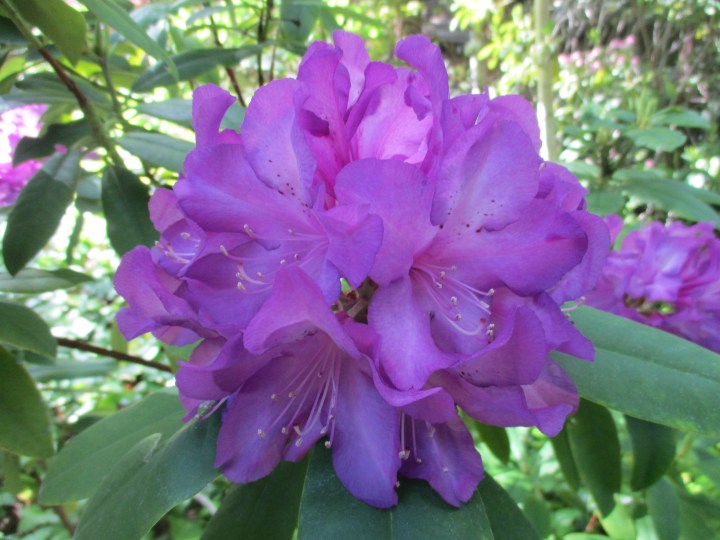
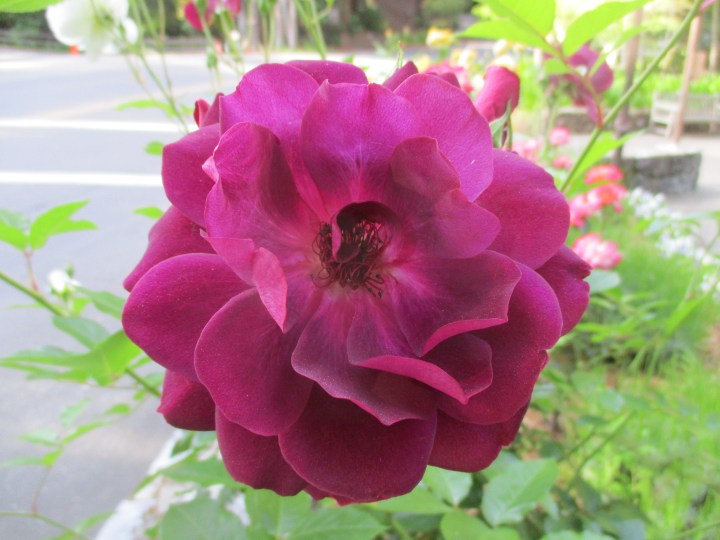
5. Is this purple? Not only is its color odd, but it is grafted onto the same rose trees as the white roses (#6 below). It is too weird for my taste. Everyone else likes it. That is more important.P00509-5

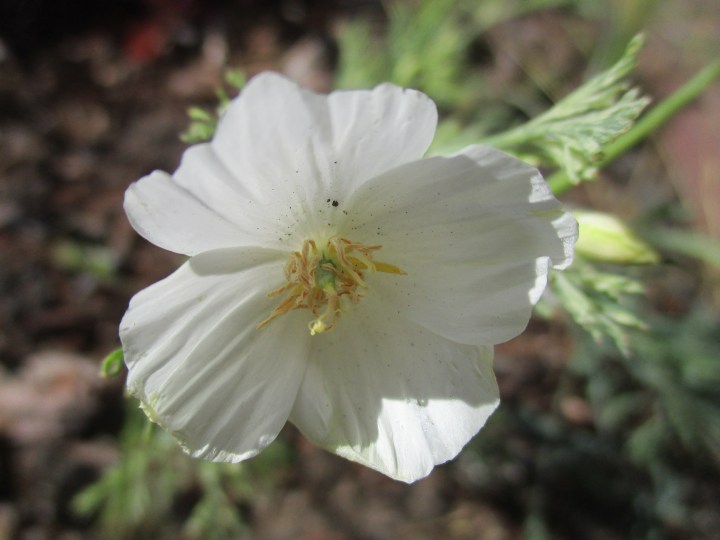
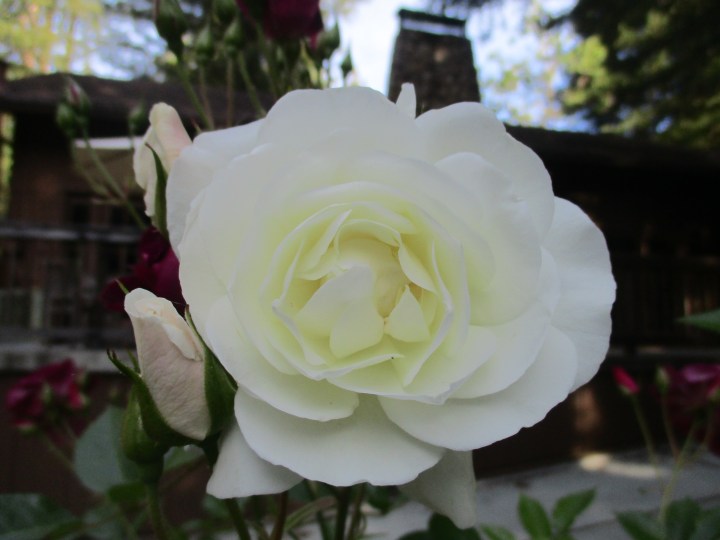
6. As mentioned above, this cultivar is grafted onto the same rose trees as the purple roses (#5 above). To me, it seems to be the common ‘Iceberg’. I do like white, even if it is just ‘Iceberg’.P00509-6

This is the link for Six on Saturday, for anyone else who would like to participate:

https://thepropagatorblog.wordpress.com/2017/09/18/six-on-saturday-a-participant-guide/

Six on Saturday: Self Isolation


Self isolation was not exactly why I avoided the landscapes. Since there are very few people here, I can get all the pictures I want without getting too close to anyone. Nor did I intentionally avoid the landscapes because, as I mentioned earlier, it is too saddening to see them looking so good without anyone here to enjoy them. I was just too busy to get out. These six pictures are instead from the recovery nursery. These are items that should eventually be out in the landscapes. Some should have bee there a long time ago.

1. Jasminum humile, Italian jasmine was grown from pruning scraps from a big shrubby specimen in Monterey. It does not look like much so far, but is extremely fragrant, like pink jasmine.P00502-1

2. Solanum jasminoides, potato vine was left by someone who moved away, but has not yet been planted into a landscape. It is overgrown now, so will need to be pruned back when planted.P00502-2

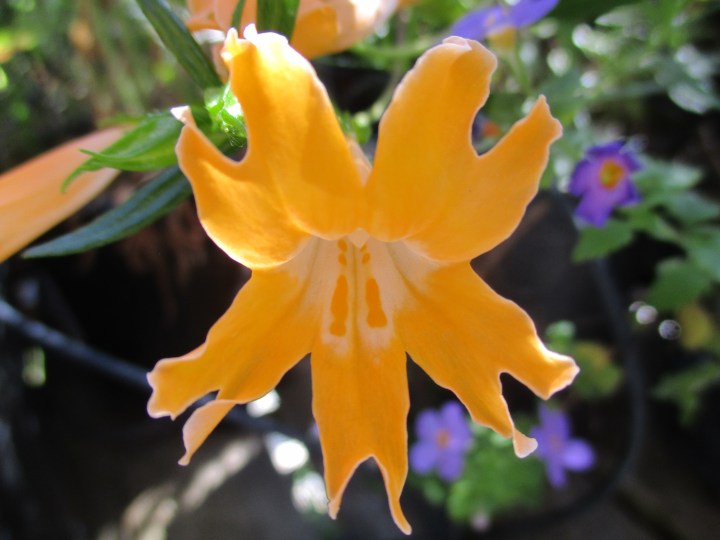
3. Mimulus aurantiacus, sticky monkey flower got removed from where it was in the way of something else, got canned, and now waits to be recycled elsewhere. I should have composted it.P00502-3

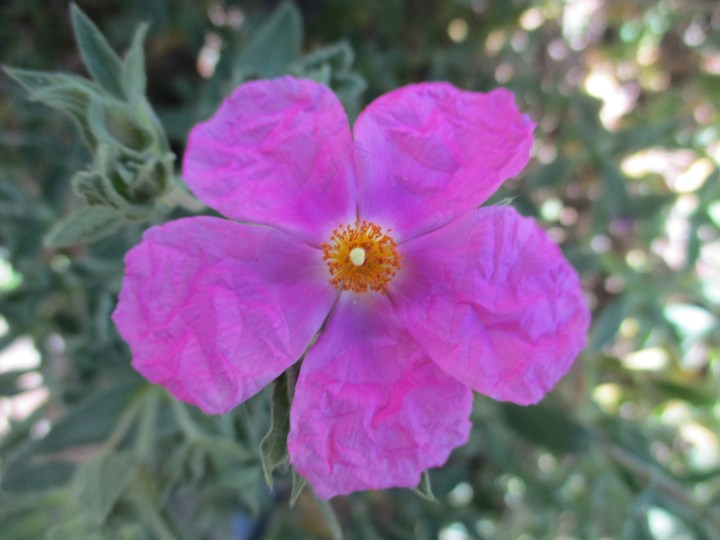
4. Cistus x argenteus, rockrose was actually purchased rather than recycled or grown here. It was for a small new landscape that can not be completed right now. This might be ‘Silver Pink’.P00502-4

5. Pelargonium peltatum, ivy geranium provided cuttings when pruned a month ago. It might be ‘Royal Candy Cane’. They should have been planted intact, but there is not enough of them.P00502-5

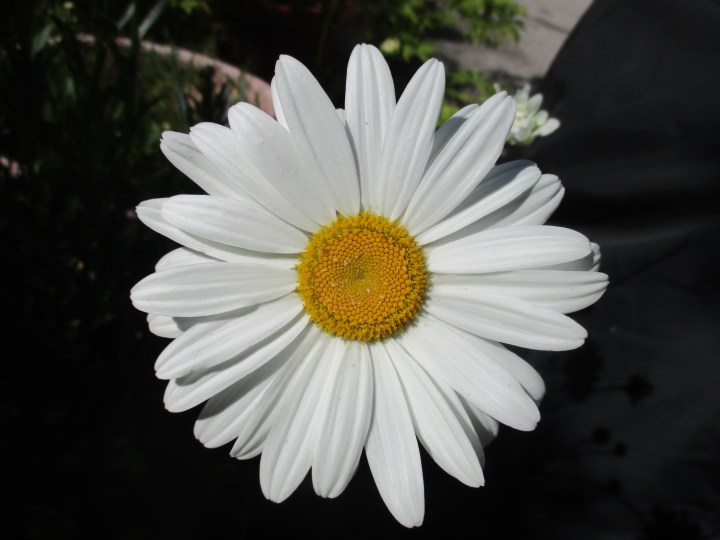
6. Leucanthemum × superbum, Shasta daisy, like sticky monkey flower, was removed from an area that was outfitted with a new landscape, but not yet recycled. I really should just plant it.P00502-6

This is the link for Six on Saturday, for anyone else who would like to participate:

https://thepropagatorblog.wordpress.com/2017/09/18/six-on-saturday-a-participant-guide/
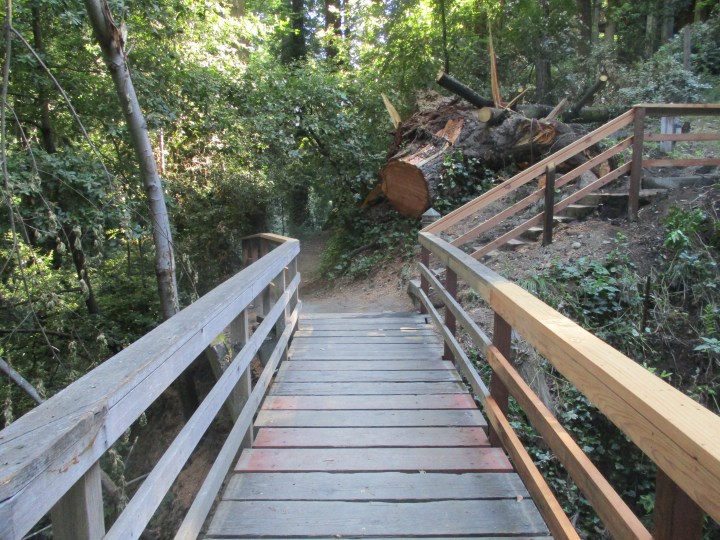
Six on Saturday: Blank Slate (& Asphalt)


While unable to work at my second most time consuming job, I developed a bit of unused space into a vegetable garden. I would not have done so if I had known how much work it would be, or how much of what seemed to be usable space was just trash, brambles and a shallow bit of soil on top of pavement. Alternatively, I should have had the main unpaved area bulldozed first.

Now that it is halfway through spring, this new vegetable garden is finally started!

1. Four decades of junk mixed with wicked brambles was removed to expose less than four hundred square feet of cruddy slope. Rain draining from the deck eroded a gully in the middle.P00425-1

2. To the right, disfigured juniper should be temporarily obscured by cucumber vines expected to grow from seed sown just above a ditch. Indeterminate tomato vines will be added soon.P00425-2

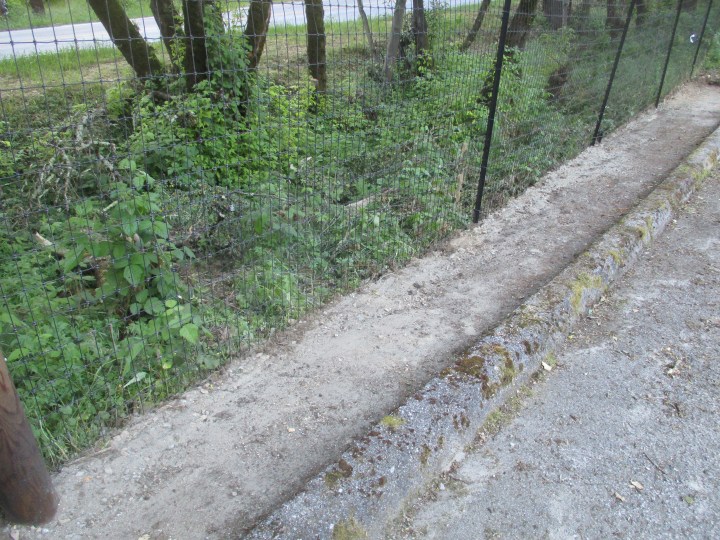
3. Across the road, more junk, weeds and brambles were removed from between a curb and fence, only to find that the area is paved to the fence! Pole beans will be pleased with the fence.P00425-3

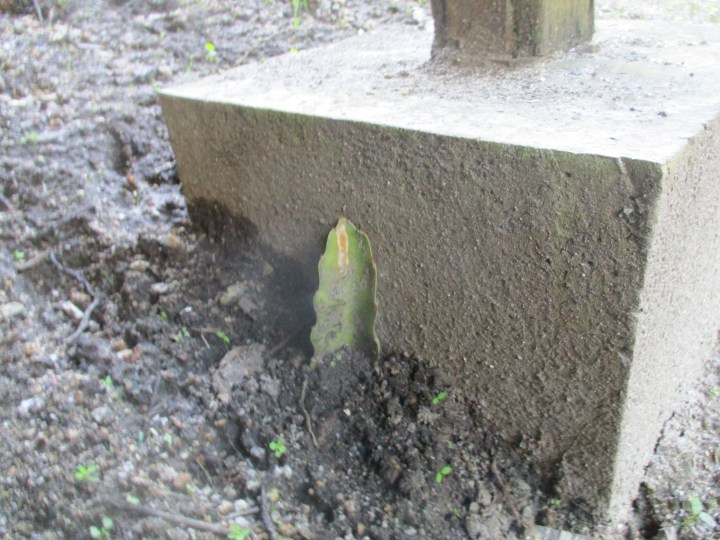
4. Posts supporting the deck had too much potential to ignore. Dragon fruit plants can climb them to the top and cascade downward. The posts are pressure treated, so will be painted first.P00425-4

5. ‘Kadota’ fig can grow as a hedge where the outer surface gets sunlight under the downhill edge of the deck. The area behind it is too shaded to be useful. The area in front is for vegetables.P00425-5

6. There are plenty of radish greens growing wild outside of the garden; but a few radish roots would be nice too. These are developing splendidly, and should be ready before anything else.P00425-6

This is the link for Six on Saturday, for anyone else who would like to participate:

https://thepropagatorblog.wordpress.com/2017/09/18/six-on-saturday-a-participant-guide/

Six on Saturday: Moving Day

A neighbor family relocated to a new home a short distance away. The former home needs such major repair that it may instead be demolished and replaced. For now, it remains abandoned. I collected a few plants from the abandoned garden so that some could be relocated to the new home. So far, only two Philodendron selloum and one Mexican fan palm went. The rest remain here, and may actually go to other homes.

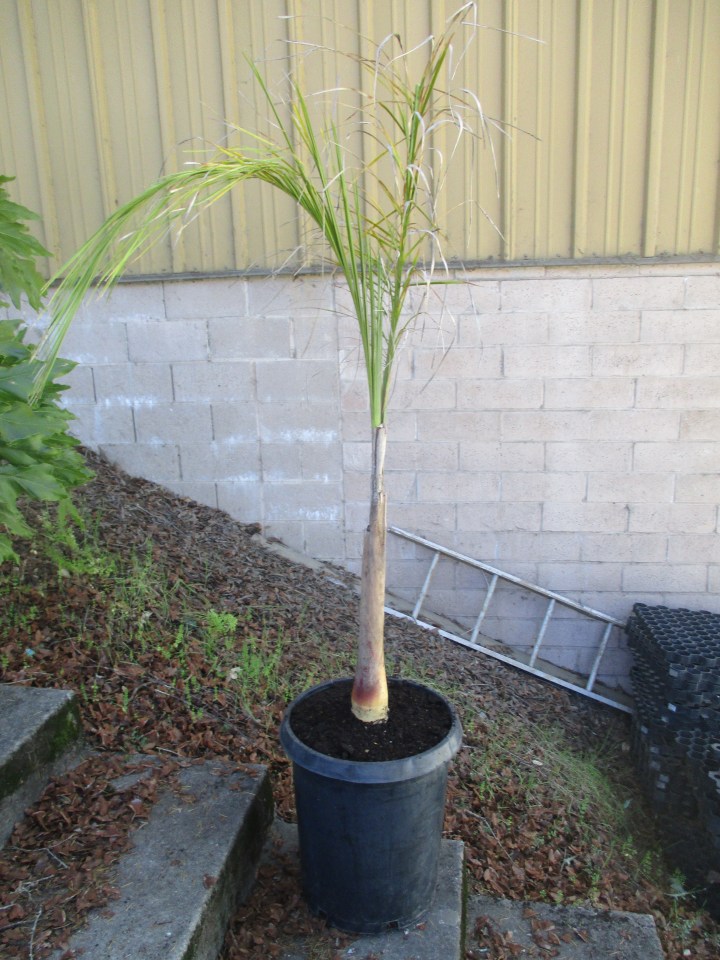
1. In all my career, I have never seen a trunk of a palm shrivel from desiccation like this. All of the now absent roots were desiccated also. I seriously doubt that this queen palm will survive.P00418-1

2. It got canned anyway. Without significant roots, it certainly did not need all this medium. It only got a #15 can so that the shriveled trunk could be buried, sort of like a weird palm cutting.P00418-2

3. This lemon tree was almost left behind because it is so mutilated. It looks a bit suspicious too, sort of like shaddock understock of a formerly grafted tree. Actually, it is ‘Ponderosa’ lemon.P00418-3

4. The smaller of two Mexican fan palms got canned into a #5 can until it starts to produce new roots and foliage. Actually, only the queen palm and the big Mexican fan palm got larger cans.P00418-4

5. This bigger Mexican fan palm got a squat #20 can because the trunk is wider than a #5 can. There are not very many roots in there yet. It got left here to divert traffic around the garden.P00418-5

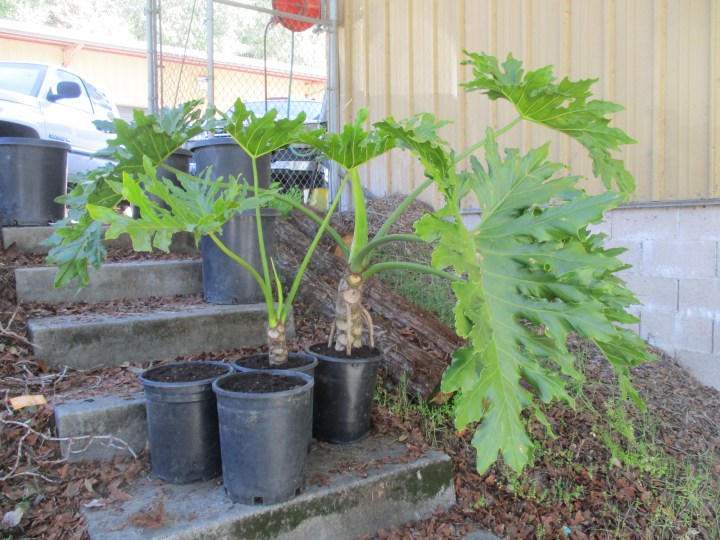
6. These three Philodendron selloum were all I originally wanted to salvage. One lacks foliage for now. The other can that seems to be empty contains bare tubers of an unidentified heliconia.P00418-6

This is the link for Six on Saturday, for anyone else who would like to participate:

https://thepropagatorblog.wordpress.com/2017/09/18/six-on-saturday-a-participant-guide/

Six on Saturday: TWIGS!


The Belmont Rooster posted pictures of red mulberry that really got my attention back on February 15. The trees are native on his farm, but not here. I only remember them as decoy trees that provided berries to distract birds from other fruit as it ripened in the orchards. Of course, those that I remember were planted. I neglected to get seed or cuttings from them while in Oklahoma. I have been craving them since.

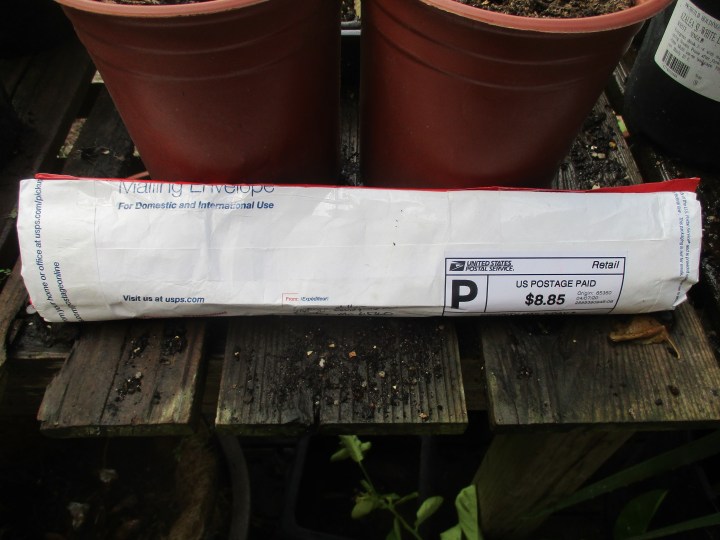
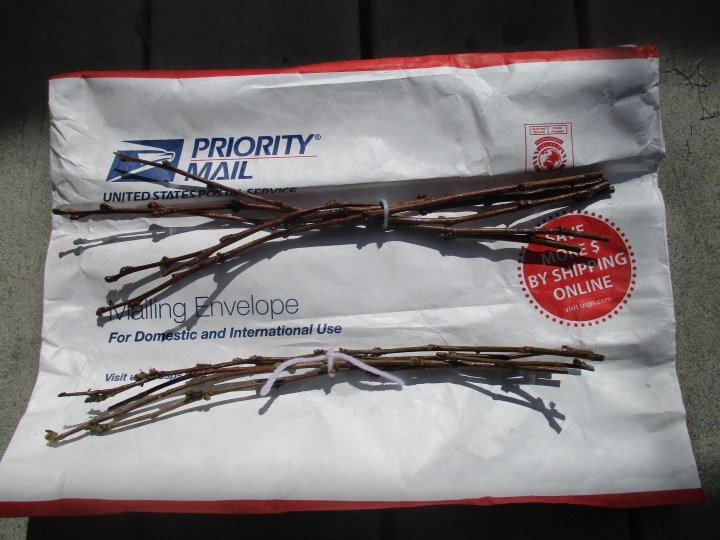
1. $8.85! The Belmont Rooster spent some major funds to get this package to me. It must be important. I already know it is very important to me! I have been wanting this for seven years. P00411-1

2. TWIGS! I got two bundles of twigs! These are not just any twigs though. They are from red mulberry, Morus rubra. One bundle is from a female tree. The other is from a male pollinator.P00411-2

3. Cuttings were processed from the twigs. There are a dozen female cuttings, and sixteen male cuttings. These are male. I was informed earlier that the female twigs were starting to foliate.P00411-3

4. Plugged cuttings are not much to look at. Rooting hormone was applied, but is not visible on the bottom ends. Only a few popping buds are barely visible in the female cuttings to the right.P00411-4

5. White mulberry was the only mulberry that I was growing here. I got the cuttings for it from a client’s tree. I do not know what cultivar it is. I have not been very impressed with it so far.P00411-5

6. The Belmont Rooster sent these cuttings from Missouri, just to the left of the center of this picture. All of Missouri is within the native range of red mulberry, which is designated by green.P00411-6

This is the link for Six on Saturday, for anyone else who would like to participate:

https://thepropagatorblog.wordpress.com/2017/09/18/six-on-saturday-a-participant-guide/


Six on Saturday: More Recycling


Since lauristinus, deodar cedar and a few other species are happy enough here to naturalize and proliferate a bit too much where we do not want them, they should be just as happy to perform where we do want them. That is how we justify reallocation of such resources. We do it with other species too, just to avoid wasting them, or just because they are easy to propagate.

Norway maples and birches got canned over winter too, but I did not get pictures.

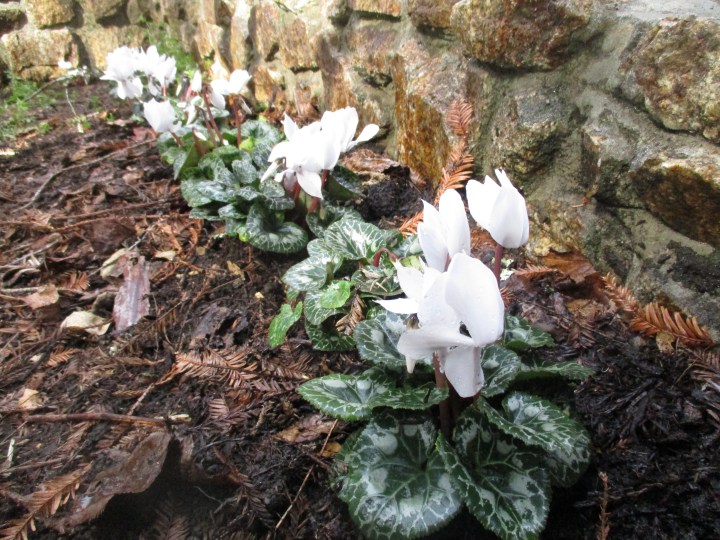
1. cyclamen – was something I grew in high school as a perennial that went bare for the heat of summer. It saddens me that it is so expensive, but also so expendable as a cool season annual.P00404-1

2. cyclamen – will get a second chance this year. They got replaced earlier because of mold, but both the white group above and this red group went out into a landscape where they can stay.P00404-2

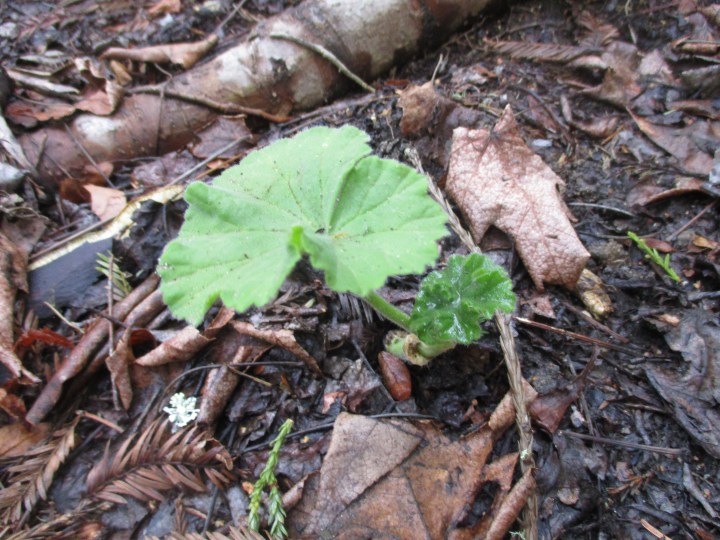
3. ivy geranium – pruning scraps got plugged as cuttings to eventually replace zonal geranium that were mistakenly planted into hanging baskets. (That is the Pet Rock in the background.)P00404-3

4. zonal geranium – pruning scraps get plugged as cuttings also. As they hopefully subordinate to ivy geranium, those in the hanging baskets will get pruned back more until totally replaced.P00404-4

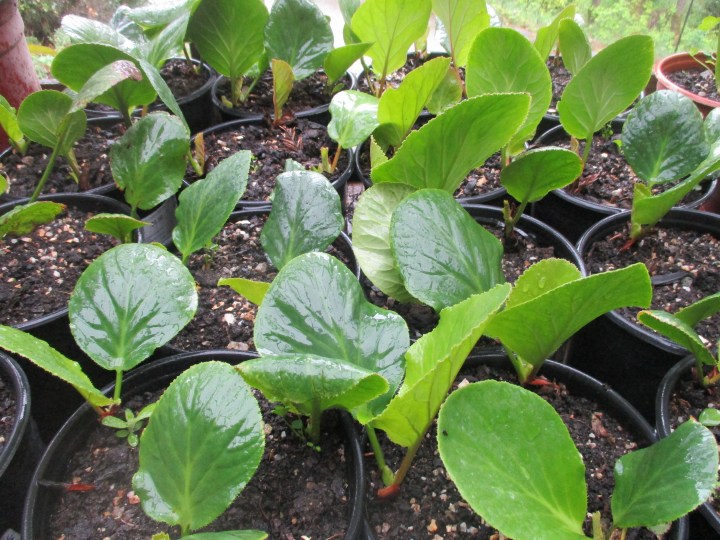
5. pigsqueak – that needed to be removed from one spot got plugged into another. Leftovers that could not be accommodated there and then, got canned for another time and another place.P00404-5

6. Boston ivy – could be a problem. We wanted only a few copies. Rather than plug just a few pruning scrap cuttings into just a few cans, I plugged a whole flat of a hundred. Most are rooting!P00404-6

This is the link for Six on Saturday, for anyone else who would like to participate:

https://thepropagatorblog.wordpress.com/2017/09/18/six-on-saturday-a-participant-guide/
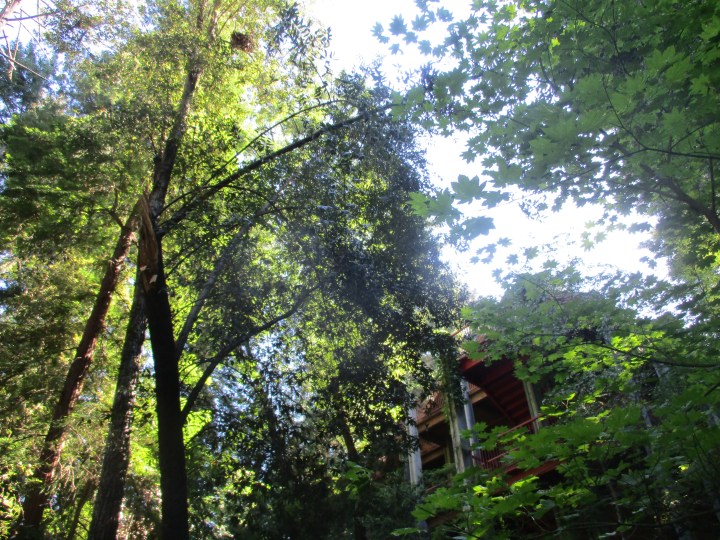
Six on Saturday: Greens


There are no vegetables in the garden yet. It is so shameful. Work had been so overwhelming that I am only now renovating a small vacant space into a new vegetable garden, and only because I am unable to go to work at my most time consuming job. I needed to remove our berry canes to do it!

Until the garden becomes productive, and perhaps to avoid the supermarket, I have been getting much of my produce from the surrounding forest and landscapes.

1. mustard greens – are the most abundant of the greens growing wild around the perimeter of the abandoned baseball field. Similar wild radish and turnip greens are even better, but not abundant.P00328-1

2. dandelion – grows in the outfield of the same abandoned baseball field, mostly past third base. They are not my favorite, but are an alternative to the other greens. These are dirty from heavy rain.P00328-2

3. dock – is more randomly sporadic. It grows amongst the other greens and elsewhere, although not in significant colonies. The tough midribs are supposed to be removed. I just chop them up fine.P00328-3

4. miners’ lettuce – is the only native of these greens. Most leaves are circular with tiny white flowers in the center. These vegetative leaves are supposedly better. Like lettuce, they do not get cooked.P00328-4

5. stinging nettle – must be cooked to stop stinging. This is my favorite of the greens. It is like spinach that I do not need to tend to. I get it from along the trails where it should be eradicated anyway.P00328-5

6. Rhody – is not even remotely relevant to greens; but everyone wants to see him. Someone suggested that I write exclusively about Rhody, as if my horticultural topics are insufficiently interesting.P00328-6

This is the link for Six on Saturday, for anyone else who would like to participate:

https://thepropagatorblog.wordpress.com/2017/09/18/six-on-saturday-a-participant-guide/
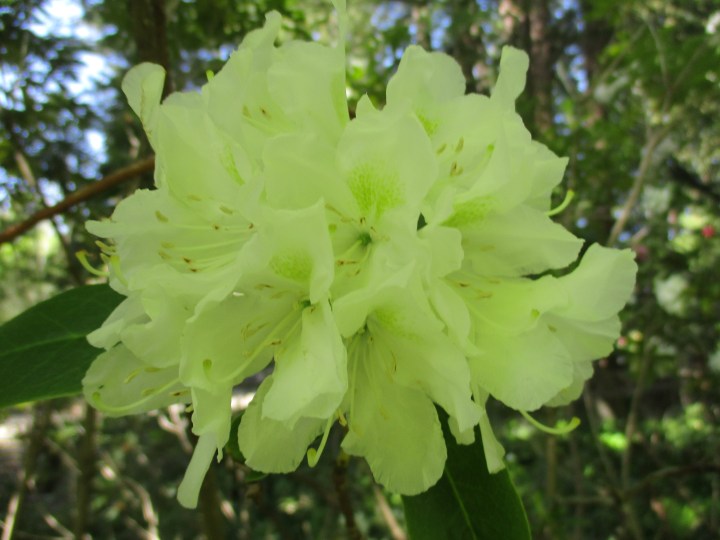
Six on Saturday: New Vegetable Garden


There is more time for a late start on a new vegetable garden now. I had planed to take this and next week off from most of my work, to tend to other neglected obligations. However, under the circumstances, I am still unable to tend to many of those obligations! Well, the crew wants a new vegetable garden.

1. Before, the area was overwhelmed with a dense thicket of Himalayan blackberry brambles, that had grown up into the joists of the deck above, and over the adjacent junipers to the right.P00321-1

2. After, it is not much better. This initial phase took me half a day!! I intended to remove most or all of the junipers, but as they become exposed, it is evident that they are worth salvaging.P00321-2

3. I already know I will be sowing seed for the warm season vegetables a bit late; but this wild cucumber feels compelled to remind me. It is already past the top of this seven foot high fence.P00321-3

4. This is just some of the debris that I removed. For comparison, the animal to the lower left is a buffalo. Okay, it is really just Rhody. The dumpster is as high as the cargo container though.P00321-4

5. Okay, so that was a bit of an exaggeration. The pile really is this big, but only the small portion outlined in yellow to the upper right is from the new garden, and is only about two feet high.P00321-5

6. While up on the bridge over the debris pile, I got this picture of most of the work trucks that are not at work where they belong. Everyone else writes about it; but I have not mentioned it.P00321-6

This is the link for Six on Saturday, for anyone else who would like to participate:

https://thepropagatorblog.wordpress.com/2017/09/18/six-on-saturday-a-participant-guide/
Six on Saturday: Unidentified Colors

Girls can see more colors. Furthermore, they know all their fancy names. Sometimes, I suspect that they just make up names as necessary. There are four African daisies at work that are odd colors that I can not identify, and another flower that I know is not lavender.

1. Blue is the easiest of these colors. Others might say it is pale, soft or sky blue. Even I can see that it is most definitely not lavender, as some might insist. Is this species so easy to identify?P00314-1

2. Blue is the only color for rosemary. It is more obvious up close in the previous picture. It is easier to mistake it for lavender if that is the color that is expected from the particular species.P00314-2

3. Lavender is how I would describe this color. Perhaps it is pale lavender. I have been told that this is lilac or pale lilac. That makes sense, since common lilac blooms with lavender flowers.P00314-3

4. Purple or light purple works for this one. Heck, if the previous is pale lavender, this could be lavender . . . that is not pale. Alternatively, it could be lilac, . . . but probably not the pale sort.P00314-4

5. Yellow or pale yellow should be good enough. I do not know what buff is, but I do not believe that this is it. Nor does it strike me as lemon or butter yellow. I know what colors lemons are.P00314-5

6. Red should be good enough, although I would believe if this is rust or rusty red. I am open to suggestion on this one. It is quite a distinctive color. I like it, even though I can not identify it.P00314-6

This is the link for Six on Saturday, for anyone else who would like to participate:

https://thepropagatorblog.wordpress.com/2017/09/18/six-on-saturday-a-participant-guide/
Six on Saturday: Housebound


It is a long story. I did not get out to get any pictures until Friday. By that time, I was none too selective. I just got pictures of what happened to be convenient. It really is coincidence that all happen to be white. The first three are from work. The other three are on roadsides in town. 1, 3 and 6 have potential to be colors besides white. However, 1 and 6 are typically white in their feral state as shown here; and only one cultivar of 3 is only slightly blushed.

1. Alyssum – can not decide if it is a warm or cool season annual. A new generation starts to bloom before predecessors finish, regardless of season. All are feral, so none are pink or lavender.P00307-1

2. Candytuft – is mistaken, by some, for alyssum. It blooms almost as continuously. It really should get cut back about now. Although, no one wants to cut it back while it continues to bloom.P00307-2

3. Clematis – is evergreen, but was defoliated by harsh winter pruning. It lacks sufficient space to grow wild. Earlier bloom is fading already. The ‘Apple Blossom’ cultivar has blushed bloom.P00307-3

4. Plum – of unknown origin blooms spectacularly at a gas station in town. Bloom is not quite as delicate as that of other feral American plum that naturalized from old stone fruit understock.P00307-4

5. Snowflake – grows wild along roadside drainage ditches, but does not seem to be aggressively invasive. Mine bloomed earlier just like this. This is what I grow instead of trendy snowdrop.P00307-5

6. Calla – is in the same ditch with the snowflake. It is even less aggressive. Weird colorful hybrids do not naturalize at all, probably because they are weaker, and do not produce viable seed.P00307-6

This is the link for Six on Saturday, for anyone else who would like to participate:

https://thepropagatorblog.wordpress.com/2017/09/18/six-on-saturday-a-participant-guide/