
Zucchini is the most familiar variety of summer squash, Cucurbita pepo. It is not the only one, though. Several are varieties of Cucurbita moschata. These species are so variable that they seem to be many more than two. Some varieties are winter squash, which also develop through summer, but ripen for winter. Their fruits are plumper but less numerous.
Some summer squash can grow to be very big also. They can likewise remain intact into winter. However, they are best if harvested while small and tender. Frequent harvest that prevents squash from maturing diverts resources to more squash. Some summer squash can almost be too productive. Production should continue until foliage withers with frost.
Yellow crookneck is probably the second most popular summer squash. It can be almost as productive as zucchini. Pattypan squash has firmer texture, which is an advantage for stews and freezing. All summer squash enjoy organically rich soil and frequent irrigation. Their coarsely foliated vines can get almost aggressively vigorous with summer warmth. Seed from mature squash fruits is typically very variable. Only seed from reliable sources is consistent.

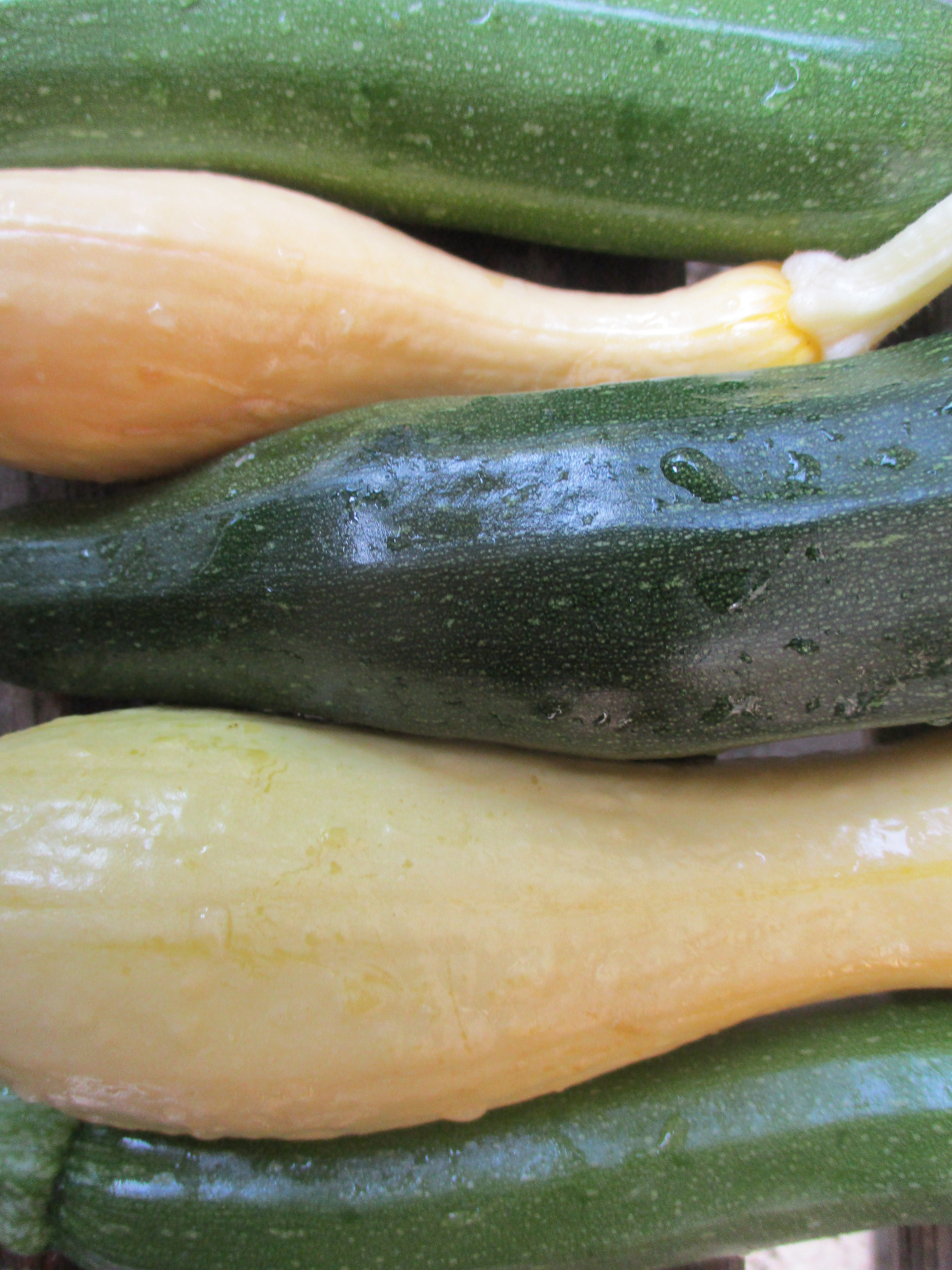
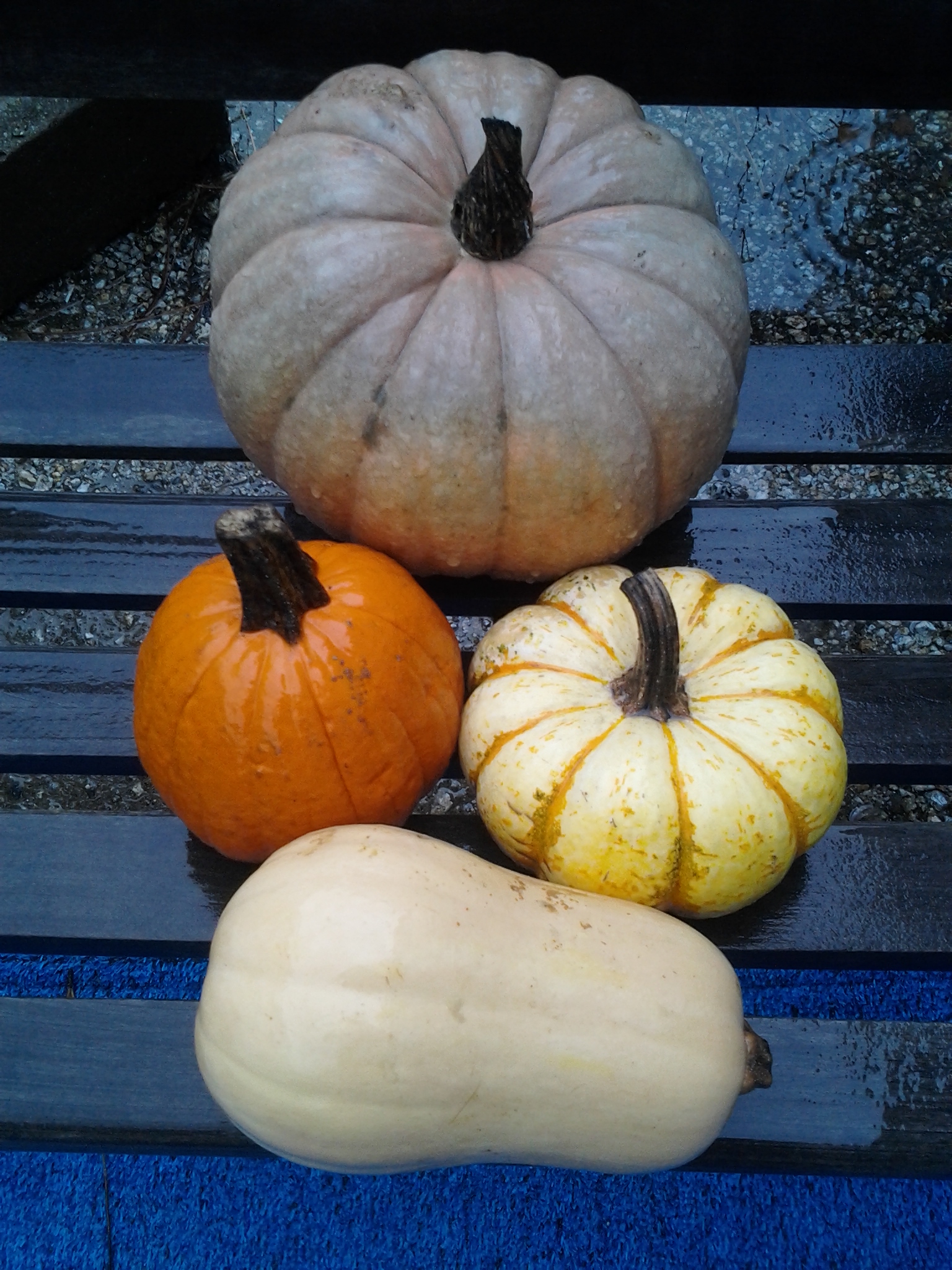 With all the talk about replacing warm season vegetables and bedding plants with their cool season counterparts this time of year, we should also address the irony of summer squash and winter squash. Their designations suggest that they too grow in specific seasons; summer and winter. Duh. It would make sense that summer squash would be replaced by winter squash during autumn.
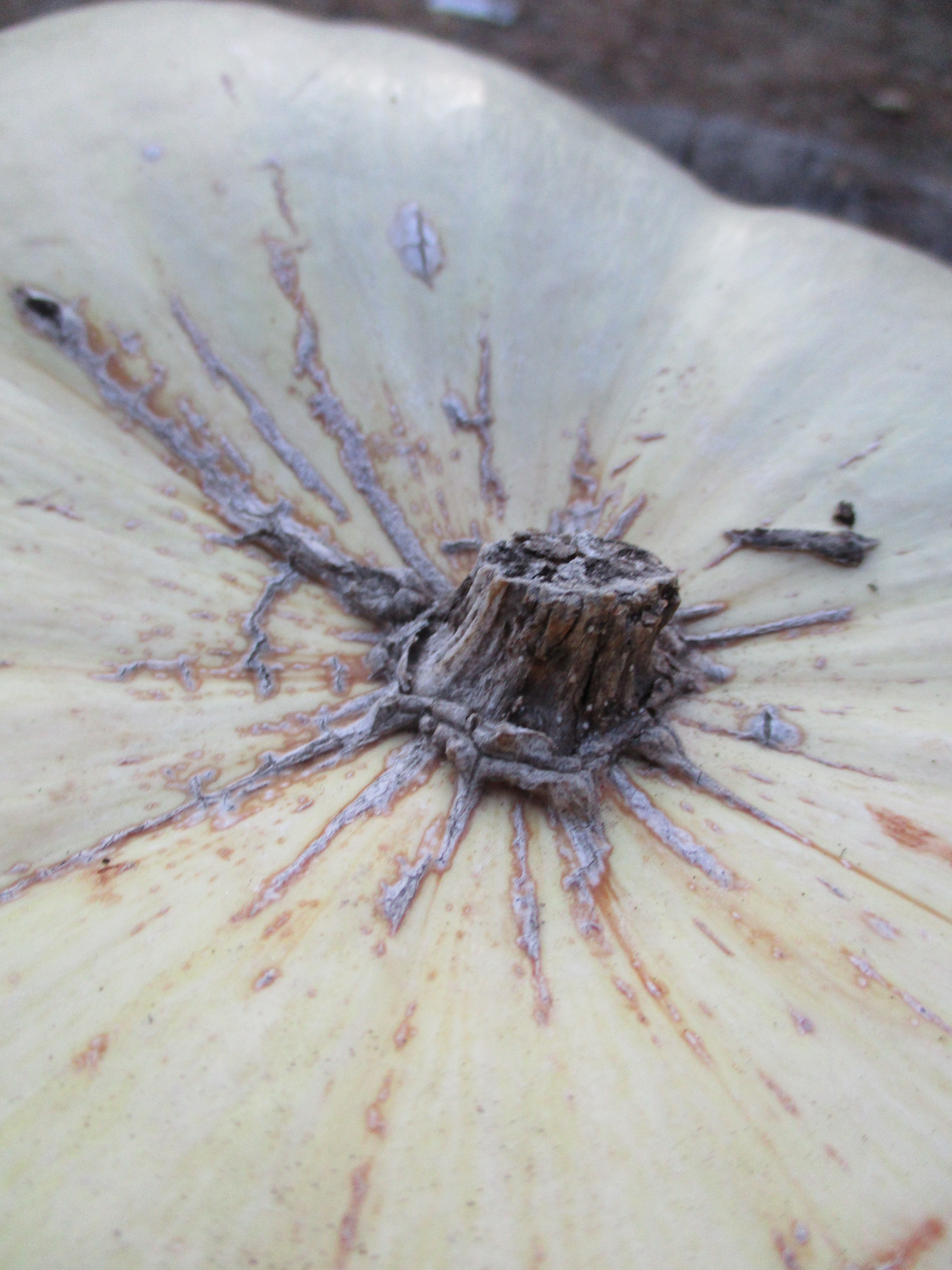 Considering that some of the winter squash can last right through winter and into spring, there really is a squash for every season. By the time the last of the winter squash run out, the first of the summer squash will be ready later in spring. They get an early start here, and continue until frost. By that time, the earliest of the winter squash will be ready for autumn, and will last through winter.
 Tony Tomeo