Warm season annuals for next spring and summer are already replacing the cool season annuals that bloomed so dutifully since last autumn. As this happens, it is also getting to be about time for warm season vegetables to replace cool season vegetables. Strangely continuous warm daytime weather since December accelerated this process somewhat.
Removal of cool season vegetables that are still productive is as unpleasant as removal of cool season annuals that are still blooming. Fortunately, most cool season vegetables are finished by now, or will be soon. Few linger into warm weather as some cool season annuals might. Regardless, warm season vegetables will need their garden space soon.
Unlike most cool season vegetables, which actually are vegetative, the majority of warm season vegetables are actually fruits. The plants that produce them generally continue to bloom and produce more fruits throughout their respective seasons. Some, such as bush bean and determinate tomato, exhibit brief seasons. Many produce continually until frost.
Therefore, indeterminate tomato, pole bean, squash, cucumber, many varieties of pepper and some varieties of eggplant need no replacement within the same season. Cucumber can get tired enough by early summer to justify replacement in midsummer though. Okra, as well as several varieties of eggplant and pepper, produce for relatively brief seasons.
Phasing prolongs production of warm season vegetables that produce only once or only for a brief season. For example, corn that matures so uniformly that it is ready for harvest simultaneously lasts only a few weeks in a garden. Phases for seeding that repeat every two weeks or so develop in two week cycles. As the first phase finishes, the next begins.
Because so many individual plants are desired, and the seedlings do not transplant well, corn seed prefers direct sowing into the garden. So does seed for bean, root vegetables, and most greens. For tomato, pepper and eggplant, and perhaps cucumber and squash, small plants transplant well, and are not numerous enough in a garden to be expensive. Warm season vegetables grow slowly during cool weather, but accelerate as the weather warms.



 Just a few feet downhill from where the old valley oak had lived for centuries (


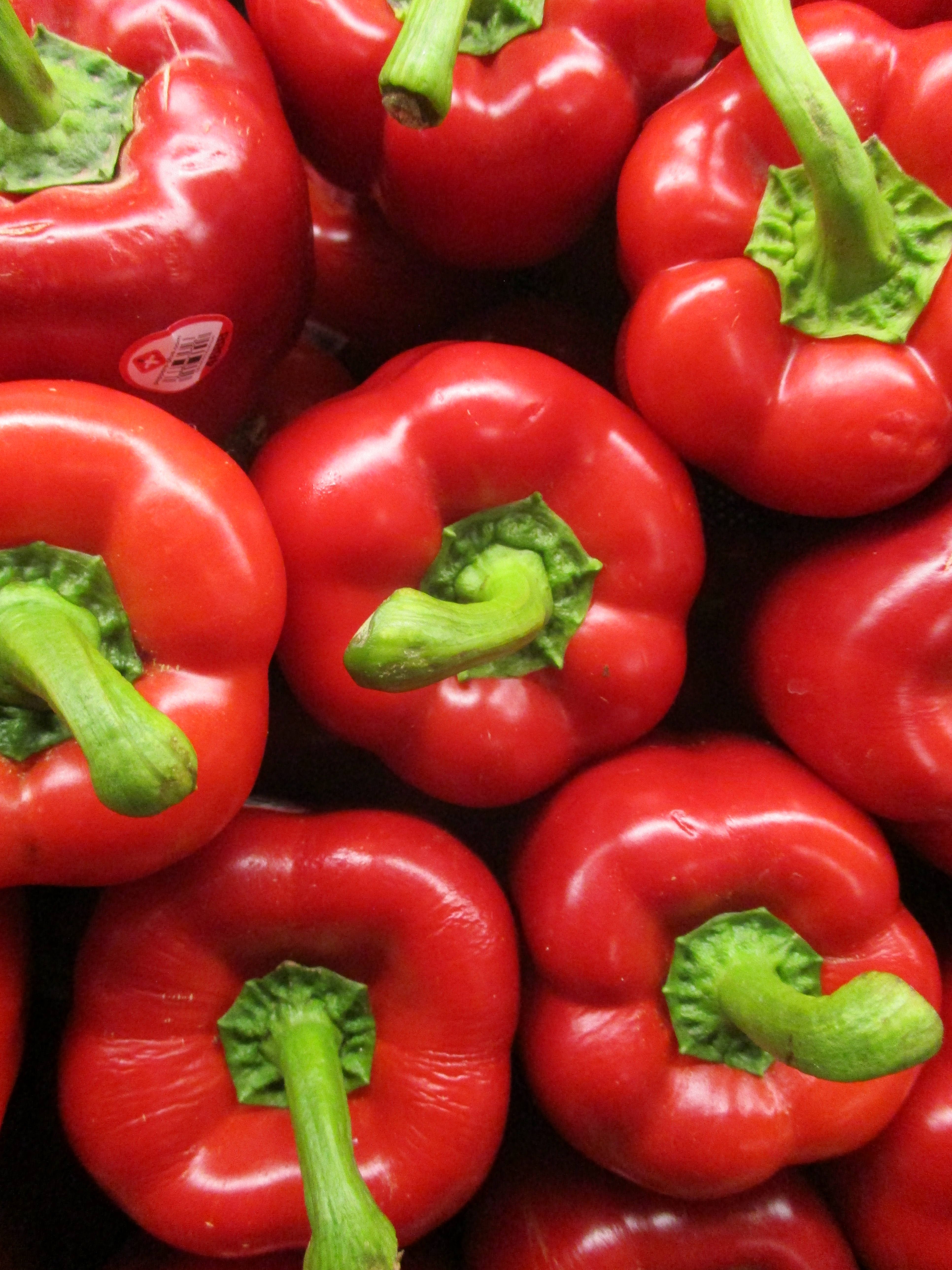 The weather here is excellent for growing all sorts of fruits and vegetables, but is not exactly ideal for bell peppers. Cool nights between warm days are comfortable for us, but limit production of even the healthiest and most robust of plants. Although they like warm nights, the fruit can be sensitive to hot days, and can even get scalded. Bell pepper plants like rich soil and regular watering.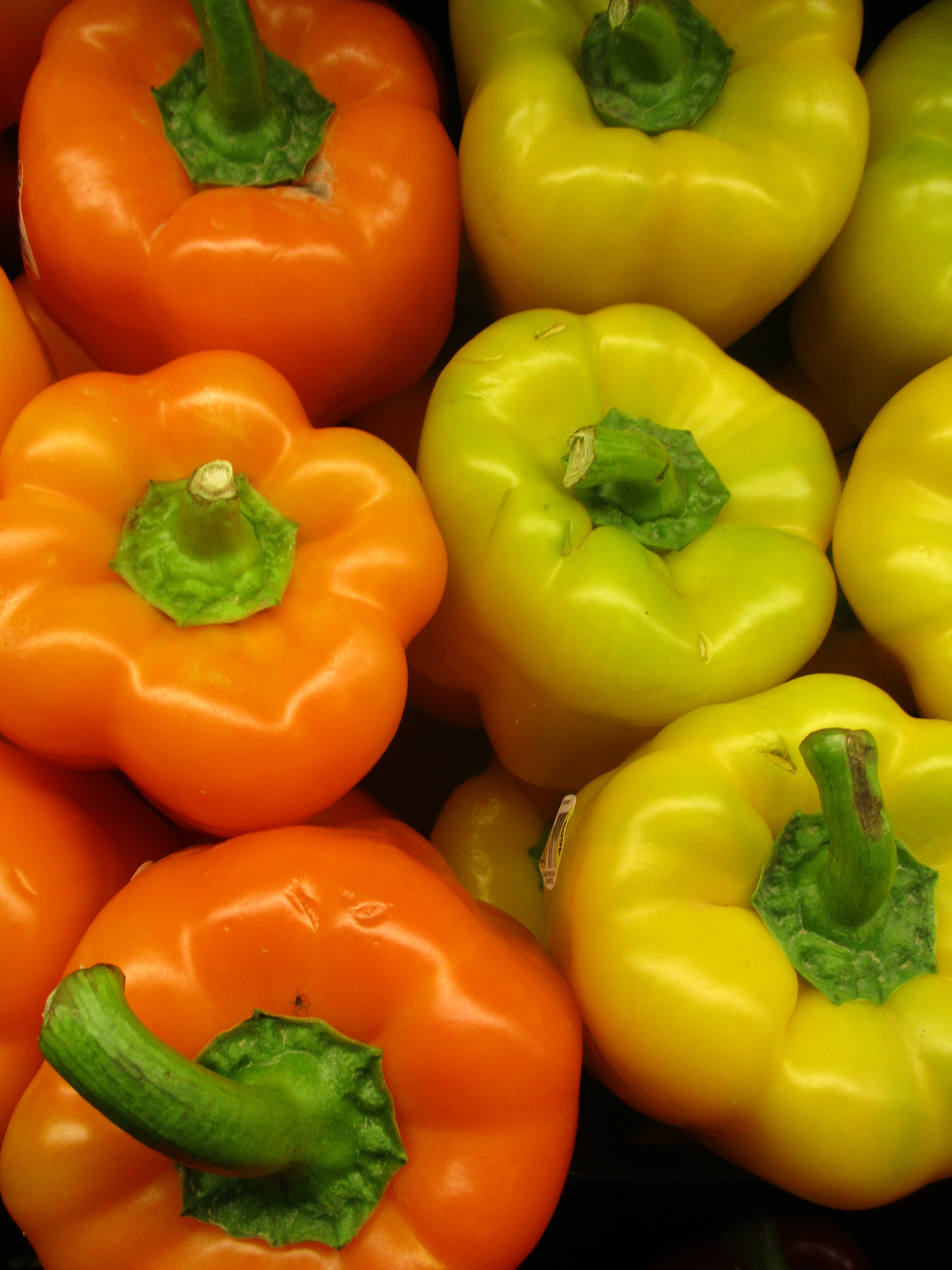
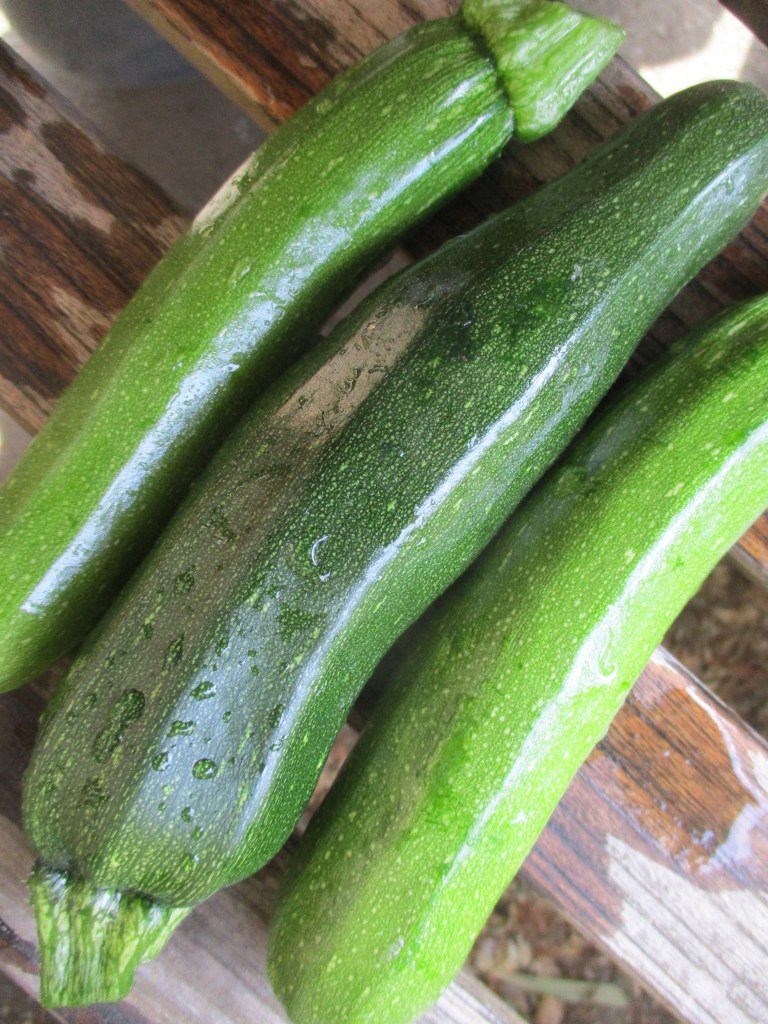
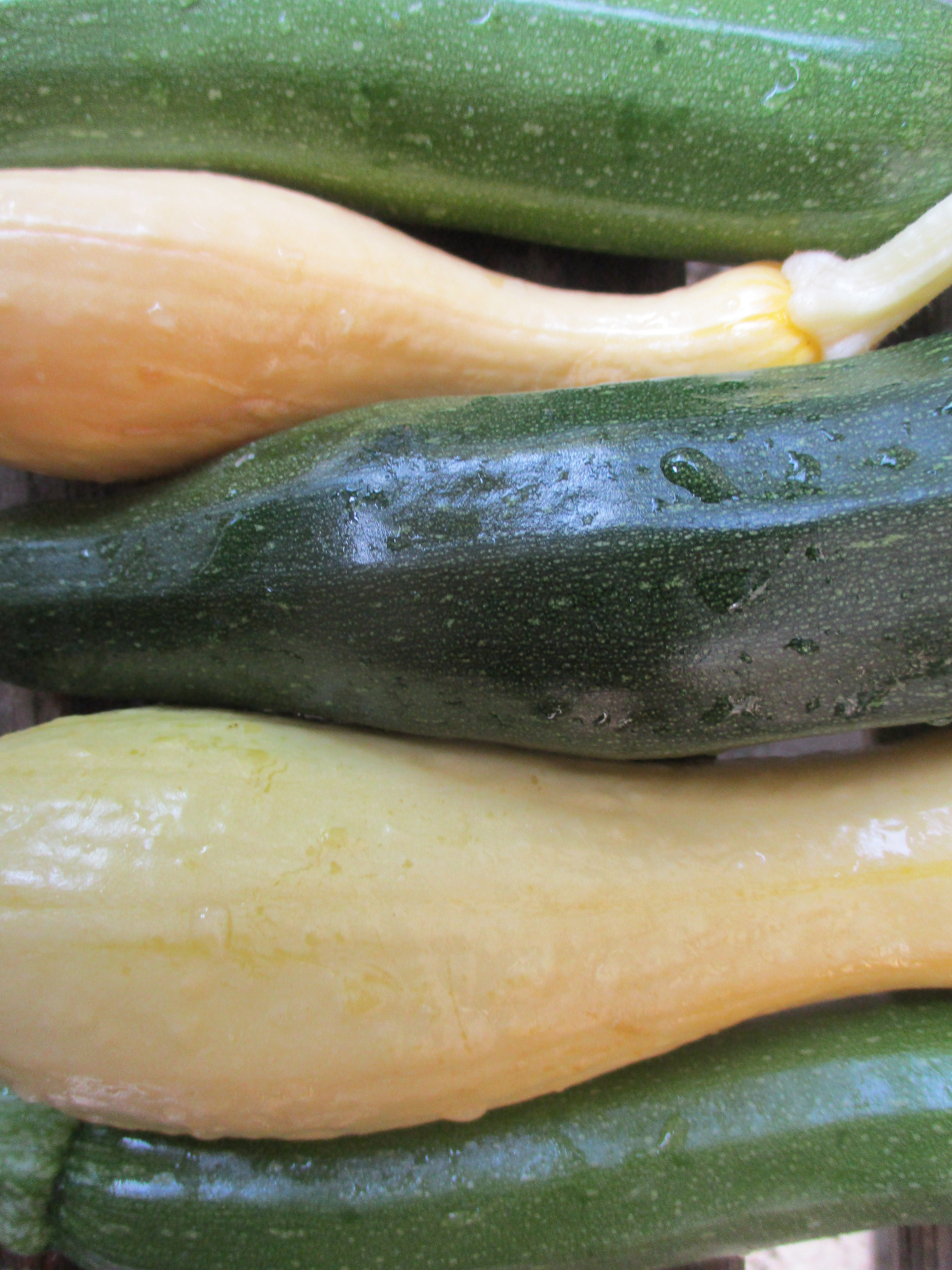
 ’Zucchini’ is Italian for ‘little squash.’ They certainly can grow to become big squash, but by then, they do not taste so good. They are best before they get to about six inches long. As they mature, they get bitter and tough, and the seedy pulp within develop an unappealing texture. Maturing zucchini also waste resources that would otherwise go to the development of more younger zucchini.
 Tony Tomeo