 Compared to replacing cool season annuals with warm season annuals, the replacement of cool season or ‘winter’ vegetables with warm season or ‘summer’ vegetables is not quite as traumatic. Most of the cabbage, broccoli and cauliflower plants finish in time to make room for new vegetable plants anyway. Unlike flowering annuals, they make it obvious that they are done for the season.
If left too late into warming spring weather, the juvenile floral buds of broccoli and cauliflower will bloom, and become tougher and somewhat bitter. Cabbage does the same, but only after bolting first. (‘Bolting’ is the emergence of tall floral stalks from formerly basal foliage.) By the time beet, carrot, turnip and radish bolt, their plump roots are more like fibrous wood than tender vegetables.
Once space is relinquished, tomato, eggplant and pepper plants might be the first vegetable plants to go back into the garden. Even if the weather gets cool for a while, it will not get cool enough for frost. Roots disperse as soon as they get into the ground. Warming weather accelerates growth above ground. Fruit develops through summer. (Fruits contain seed. True vegetables do not.)
Tomato, eggplant and pepper are popularly planted as seedlings because only a few plants of each are needed. Each plant probably costs more than a single package of seed (which contains enough seed to grow many more plants than are necessary), but are still not too expensive collectively. Seedlings get established and start growing more efficiently than germinating seed does.
Various melons and squash, including zucchini, can either be planted as seedlings or sown as seed. Their seeds germinate and grow so efficiently that seedlings probably do not have much advantage. However, their seedlings are relatively fragile to handle, so might be at a disadvantage. Seedlings might be practical for one or two plants; but seed might be best for several plants.
Bean and cucumber grow most efficiently from seed mainly because several or many of each plants are grown, and also because seedlings are somewhat sensitive to transplant. Onion and potato are popularly grown from onion or potato ‘sets’, or ‘seed’ onions or potatoes, which are merely juvenile vegetables that grow into productive plants. Onion can also be grown from seed.
 Actually, it is a fruit. It contains seeds. Tomato, Solanum lycopersicum, is one of the most popular vegetables in American gardens. Most are red. Some are yellow or orange. A few weird varieties are pink, green, dark purple, brownish or creamy white. The largest tomatoes can get more than four inches wide. Tiny clustered ‘grape’ tomatoes are less than a quarter inch wide. There are literally thousands of varieties!
 There are too many varieties of chili or pepper to count; but there are surprisingly few that are known as bell pepper, Capsicum annuum. They are the select few that lack capsaicin, which is what makes others so distinctly ‘hot’ and ‘spicy’. Most are quite mildly flavored. Green bell peppers, particularly those that are green because they are unripe, are generally more bitter and less sweet.
 Every year at about this time, there is the same concern that it is too early to put summer or warm season vegetables into the garden. When the time comes, replacing warm season vegetables with winter or cool season vegetables will also seem to be too early. Nonetheless, it is best to start the transition early so the garden will be ready for production as the weather warms into spring.
 How can anyone eat them? No only do people eat them, but many people enjoy them, and some even consider them to be their favorite vegetable!
 If there are any cool season vegetables left in the garden, they should probably be harvested pretty soon. If left too much longer, they will be ruined by warming weather. Cabbage will bolt (start to bloom) once it realizes that it is spring. Cauliflower and broccoli, which are juvenile flowers, will become bitter as the flowers mature and try to bloom. Besides, they all need to get out of the way.
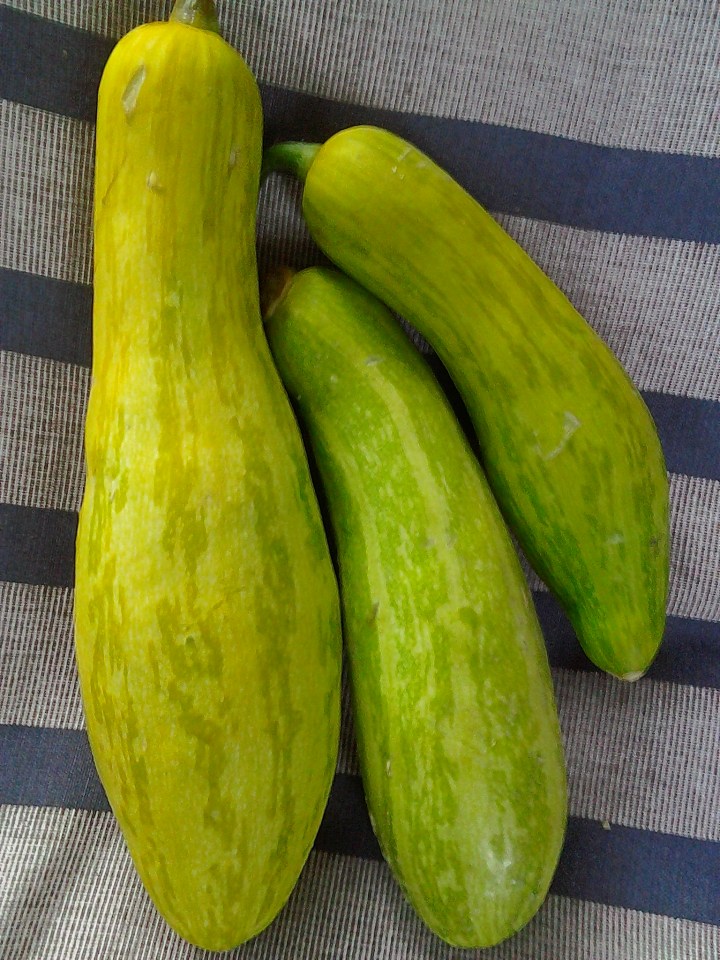 The calendar does not always agree with the weather. It really is about time to start replacing aging cool season vegetable plants with fresh new warm season vegetable plants. Earlier warm and dry weather had suggested that it was getting late. More recent frosty weather followed by rain suggested otherwise. Regardless, there is no point in arguing with what the calendar determines.
 Tony Tomeo