Sun Exposure Relative To Orientation

Sun exposure changes with the seasons.

Understory plants, which tolerate various degrees of shade, are more popular than ever. Basically, smaller modern gardens amongst larger modern homes are shadier than ever. Densely evergreen trees that provide privacy for such gardens also provide more shade. Sunlight can be scarce. It may be helpful to know where to locate optimal sun exposure.

The sun moves from east to west as each day gets warmer. It does so more or less to the south of vertical. It is a bit farther to the south for winter than for summer. Such orientation and motion determine sun exposure within home gardens. Each side of a house, garage or fence faces one of such exposure or another. Eaves might provide shade from above.

Eastern exposure is good for plants that crave some direct sun exposure but not warmth. Azalea, rhododendron, andromeda and hydrangea prefer such exposures. They receive enough sunlight to bloom, but not so much that their foliage scorches. They enjoy partial shade before sunshine gets uncomfortably warm. Eastern exposures are sunny but cool.

Northern exposure is good for plants that do not require much sun exposure. Hydrangea may be somewhat lanky within such situations. Clivia, elephant ears, philodendrons and ferns may be better options. Upper floors and eaves significantly enlarge the shadows of northern exposure. Shadows are also larger in winter while the sun is lower to the south.

Western exposure is good for plants that crave both direct sun exposure and warmth. It is the opposite of eastern exposures, but is certainly no less sunny. It is merely warmer. Lily of the Nile, lavender, oleander and bougainvillea enjoy such sunny warmth. Some types of ferns and elephant ears may scorch with such exposure. Eaves delay direct exposure.

Southern exposure is good for plants that crave full sun exposure, but tolerate heat. Most plants that enjoy western exposure can also enjoy southern exposure. Many vegetables, with regular watering, are more productive with such exposure. Eaves provide shade for the warmest summer weather. They provide less shade while the sun is lower for winter.

Shady Characters

Hellebore may not tolerate much arid warmth, but is impressively tolerant of partial shade.

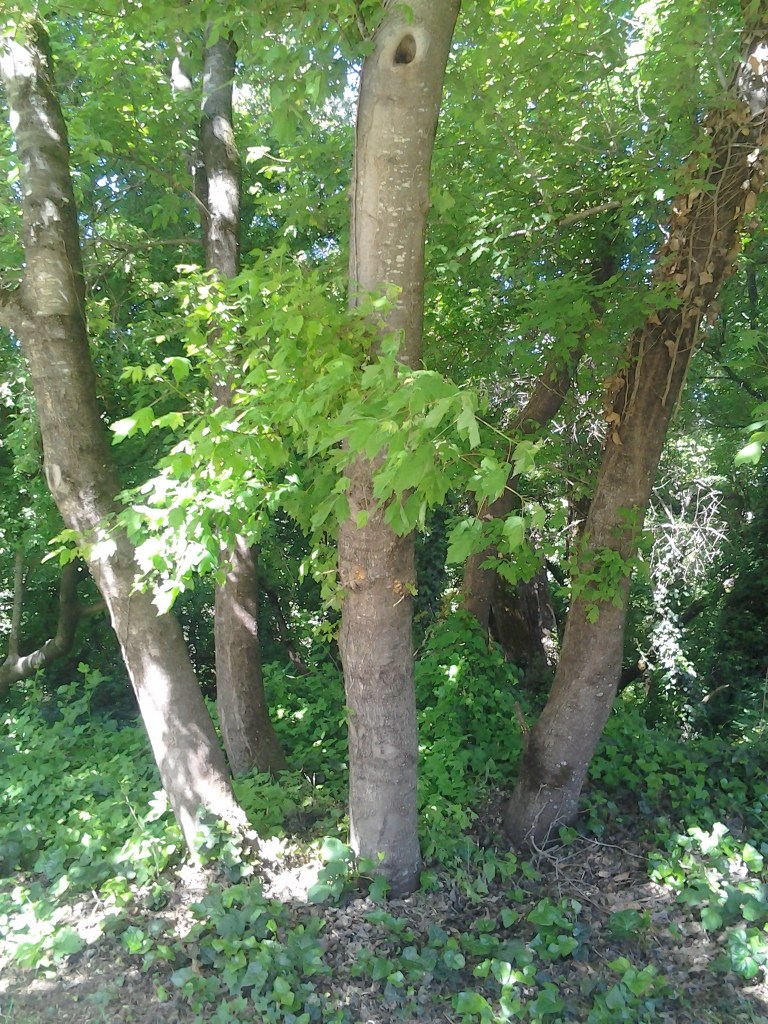
Suburban gardens are becoming shadier. More modern homes are taller than a single story, so make larger shadows. Taller and more fortified fences likewise create more shade. Smaller garden spaces of modern homes, or of older homes that have been added onto, have less sunny area away from the shadows of the associated homes and fences. Even large gardens of low profile homes lose sunlight as shade trees grow.

Most plants that prefer or at least tolerate shade are ‘understory’ plants; which means that they naturally live in the shade of larger plants. Consequently, most of the few trees that tolerate shade do not get very tall. Vine maple, dogwood, Japanese maple, Eastern redbud and many podocarpus are small to medium sized trees. All palms tolerate some shade, although most grow tall enough to eventually get above it.  

Aucuba, boxwood, euonymus, Japanese aralia, holly, Heavenly bamboo and some pittosporums are among the evergreen shrubs that provide foliage in partial shade. Andromeda and Oregon grape have both appealing foliage and flowers. Sarcococca, daphne and gardenia flowers are not quite as showy, but are remarkably fragrant.

Rhododendron, camellia and mountain laurel provide some of the most colorful flowers in partial shade, and have good evergreen foliage while not blooming. Fuchsia and abutilon are rather lanky shrubs, but do have interesting flowers. Hydrangeas are deciduous, so can have good fall color after providing nice foliage and big billowy blooms through summer.

Both Algerian and English ivies, as well as star jasmine, are climbing vines that enjoy partial shade. (Although the ivies cling to whatever they climb, so should be confined to where they will not ruin paint or siding). Star jasmine does not bloom as well or nearly as fragrantly in shade as it does in sunny areas, but has good foliage nonetheless. Any of these vines, as well as periwinkle, is good ground cover for shady spots.

Cast iron plant and arum are not only tough perennials that produce rich deep green foliage in the shade, but can actually become invasive and are difficult to eradicate once established. Bear’s breech is comparable, with the advantage of striking flowers, but the disadvantage that it defoliates through warm summer weather. Various ferns are perhaps the most familiar and complaisant foliar perennials for shade. Lily turf is an evergreen flowering perennial, but realistically, has better foliage than flowers.

Clivia miniata, bergenia and hardier begonias are grown for their colorful flowers as much as for their rich foliage. Clivia miniata is like lily-of-the-Nile for the shade, but blooms with shorter bright reddish orange, red or yellow flowers instead of soft blue and white on tall stems. Some of the various campanulas are delicate shade tolerant perennials with pale blue or white flowers.

Cyclamen, primrose, viola, pansy, forget-me-not, foxglove and impatiens are seasonal annuals that do not mind partial shade. Cyclamen and primrose are actually perennials that can survive through summer to resume bloom the following autumn. Impatiens is actually a warm season annual for summertime that can survive as a perennial through winter.  

Exposure

Sunshine promoted bloom to the left. Shade inhabited bloom to the right.

Naked ladies like exposure. Amaryllis belladonna can certainly survive and actually develop lushly healthy foliage in partial shade. However, it needs sunshine to bloom. This picture above, which was recycled from yesterday when I mentioned that I might elaborate on it later, demonstrates how discriminating this species is. As mentioned yesterday, a row of naked lady bulbs extends completely across the picture from left to right. It does not extend only from the left to the middle of the picture, as the bloom might imply. Now that bloom is finishing, foliage will develop throughout the entire row, including the portion of the row that currently lacks bloom, so that the extent of their herd will be more apparent. The lack of bloom to the right is the result of the shade of a densely foliated coast live oak above. Because coast live oak is evergreen, it shades the area below its canopy through winter, when naked lady is also foliated and storing resources for subsequent late summer bloom. Those that do not get sufficient sunshine to initiate bloom within any particular season will be unable to bloom for the beginning of their subsequent season. When we installed these recycled bulbs here, we considered that bloom would likely be inhibited below the coast live oak, and that we would relocate bulbs that were too shaded to bloom, but we expected more of a transition between the shaded area and the sunnier area. This is so blunt, with bloom to the left, but none to the right. At least we now know precisely which bulbs to relocate while they are dormant next summer. Although there is technically no need to relocate them, and they can be adequately healthy here, they would be more appealing within a sunnier situation that would promote bloom.

Physics of Exposure

Pavement reflects glare and enhances harsh exposure, which can roast small plants.

How can so many colorful annuals and perennials be so surprisingly happy in the many large pots on the sidewalks in front of downtown shops? Downtown does not seem like it should be so comfortable to them, with all the concrete, glass, stucco and all sorts of other reflective surfaces to enhance the harsh exposure. Yet, the buildings and street trees instead provide a bit of shade to soften exposure and hold in a bit of ambient humidity. Some areas are even too dark for many plants.

Exposure is as important to selection of appropriate plants as climate and soil (or potting media) are. Plants that need full sun exposure will not perform like they should in partial shade. Those that want partial shade may get roasted by too much sunlight.

Walls, fences, and windows to the north can enhance the harshness of exposure by reflecting glare. To the south, they can conversely limit exposure with shade. Such structures to the west increase morning warmth but provide shelter from afternoon heat. To the east, these features are not so advantageous, since they shade morning sun, but enhance afternoon heat. Pavement adds to glare without providing any shade.

As if this is not confusing enough, there are  many more factors to consider. Coarsely textured or darkly colored surfaces do not reflect glare as severely as smooth or lightly colored surfaces do. Broad eaves, like those that adorn classic ranch style architecture, not only add more shade, but also limit reflected glare from walls below. Taller buildings, like two story Victorian houses, create more shade than single story Spanish colonial houses with flat roofs. Even shade trees are variable, ranging from the dark evergreen shade of Southern magnolia, to the light deciduous (absent through winter) shade of silk tree.

Most plants do well within a significant range of exposure, between full sun and partial shade. A few, like agaves, yuccas, oleanders and most eucalyptus, are resilient to harsh exposure, but would not survive significant shade, and would look tired in even partial shade. Even fewer, like ferns, fuchsias, impatiens and Japanese aralia, tolerate darker shade (although none survive in complete shade), but would get roasted if too exposed. Shade, reflected glare, and anything that might affect exposure must be considered in the selection of appropriate plants for each particular application.

Shade Is Not Always Cool

Deep shade can be a problem.

Tall Victorian houses make long shadows. Lower ranch houses make shade with broad eaves. Awkwardly big modern homes shade more of their disproportionately small gardens than the others, especially since they have such tall fences to compensate for their minimal proximity to other homes. Even the sunniest of home gardens have some sort of shade.

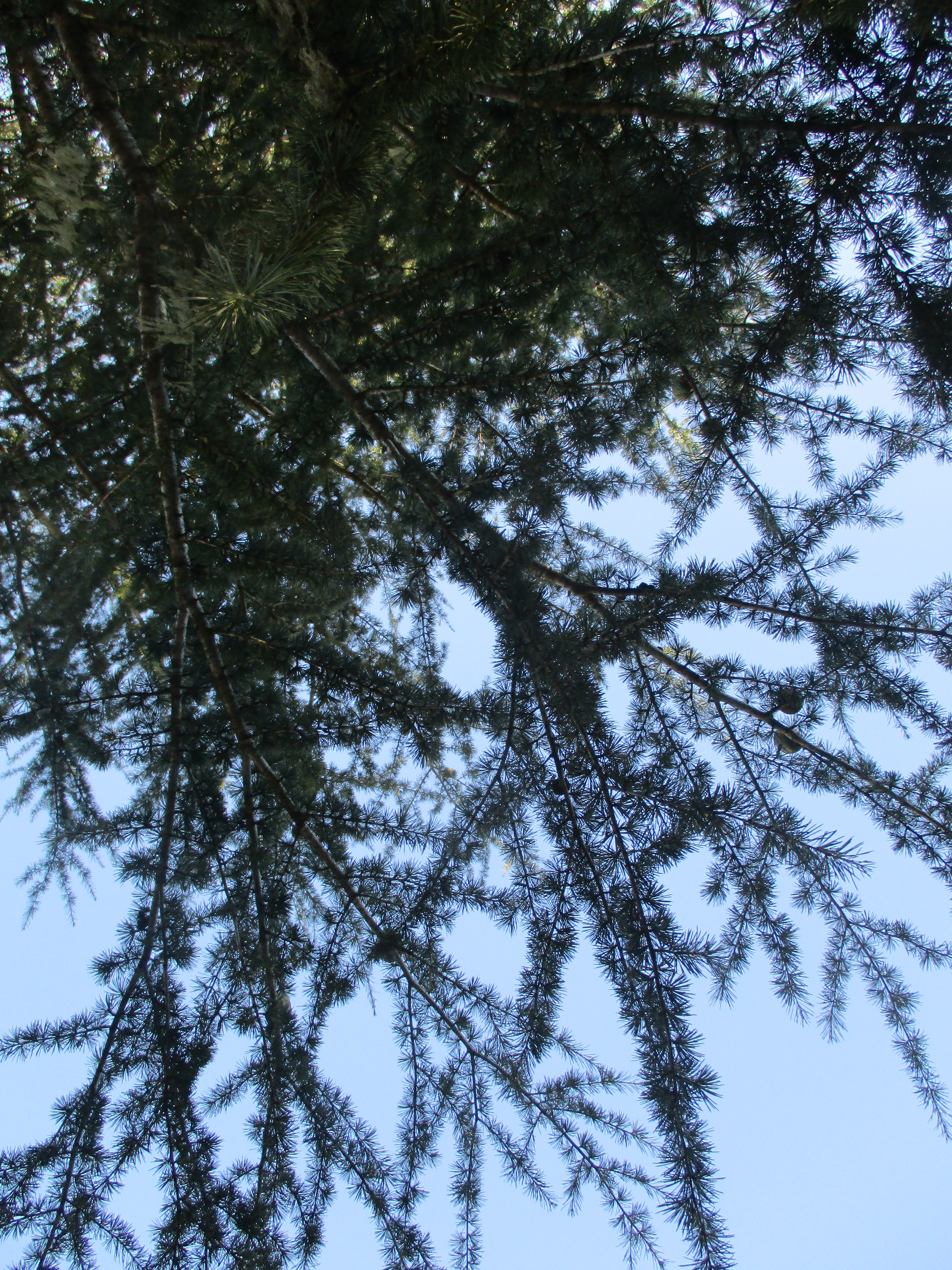
Like various architecture, various shade trees make different flavors of shade. Silk tree, honeylocust and silver maple make broad shadows of relatively light shade. Because they are deciduous, they allow most sunlight through while bare in winter. Southern magnolia, Canary Island pine and Canary Island date palm make darker shade throughout the year.

Spots that are shaded only by the west side of a fence get warmer afternoon sun exposure than spots that get eastern exposure in the morning. Plants that are only shaded in the morning therefore need to tolerate both warm afternoon exposure and partial shade. Eastern exposures are easier to work with, since most plants that tolerate a bit of shade also like to be sheltered from harsh afternoon exposure.

Because fences lack eaves, southern exposures lack shade, and may enhance exposure by reflecting glare and heat. Southern exposure against houses and garages is determined by the height and width of the eaves. Light colors reflect more than darker colors. Northern exposures are of course the shadiest.

Whether for shade of sunny exposure, plants need to be selected accordingly. Bougainvillea, ceanothus and other plants that like good warm exposure with plenty of sunlight will not do much if shaded. Kaffir lily, hosta, rhododendron and various ferns that prefer partial shade can get roasted if too exposed when the weather gets warm and dry (with minimal humidity).

Eastern redbud, sweet bay, Oregon grape, Heavenly bamboo (nandina), various hollies, various podocarpus and both English and Algerian ivies are some of the few plants that are not too discriminating about their exposure, and will be just as happy with partial shade as with full exposure. Hydrangea, camellia, fuchsia and aucuba are nearly as agreeable, but will get roasted by harsh exposure enhanced by reflected glare from walls or pavement. All palms tolerate shade while young, but adapt to full exposure as they grow above what shades them.

Shade can change as the environment changes. Sun exposure increases if a tree or building gets removed. Remodels or newer and higher fences can increase shade. Even without such obvious modifications, large shrubbery and trees make more shade as they grow.

Shade Can Be An Asset

90911thumbJust about every home garden has some sort of shade. Even if there are no substantial trees or shrubbery, there are northern walls of homes and garages, and they likely have eaves that extend their shadows a bit farther. Fences to the south create shade to the north. Gardens of modern homes are smaller, and surrounded by higher homes and fences, so are shadier than older gardens.

Those who enjoy gardening tend to enjoy more trees and substantial shrubbery than those who do not enjoy gardening, so generally contend with more shade. It is both and asset and a liability. Cooling shade makes outdoor living spaces more comfortable in the heat of summer, but limits what we can grow. With very few exceptions that are not worth mentioning, all plants need sunlight.

Fortunately, many plants need less than others. Of these, many are understory species, which live in the partial shade of larger plants in their natural environments. Not only do they naturally need less sunlight, many prefer to be in partially shaded or sheltered situation. Their foliage and bloom can be scorched by sunlight if too exposed, especially while the weather is warm, windy or arid.

Plants that prefer partially shaded and sheltered situations are characteristically different from those that prefer more exposure. Their leaves tend to be bigger and darker green to absorb more sunlight. Those that are sensitive to frost may prefer shelter from evergreen shade. To compete for pollinators with bloom above, flowers may be either bigger and more colorful, or more fragrant.

There are, of course, many exceptions. Ferns are probably the most familiar foliar plants for shade, but provide no bloom. Cast iron plant is comparable to fern for providing rich green foliage, but with insignificant bloom. Caladium, coleus and hosta are grown for lush foliage that is strikingly colorful instead of rich green. Hosta contrarily blooms with pastel flowers that are not even fragrant.

Kaffir lily, calla, hydrangea, azalea, rhododendron and impatiens provide more color for partial shade.

Rain On The Shade Parade

60622thumbModern urban lifestyles are becoming less conducive to gardening all the time. Bigger and taller homes cast larger shadows over smaller garden spaces. The taller fences between these homes do not help. The densely evergreen trees employed to obscure the views of other larger and taller homes also obscure sunlight. Not much sunlight reaches the ground where shorter plants need it.

While all this is going on, we are supposed to be gardening with more sustainable plants that demand less water. Smaller, shadier and more sheltered gardens should naturally use less water than larger and more exposed gardens need. Yet, the plants that do not mind the shade naturally want more water than plants that want more sunlight. There are not many that are drought tolerant.

Drought tolerant plants are naturally endemic to dry climates. Many are from chaparral regions. Some are from deserts. In such ecosystems where water is too scarce to sustain much foliage, there is not much competition for sunlight. Shade tolerant plants are just the opposite. They are from forested ecosystems with taller and shadier trees. Such ecosystems are sustained by rainfall.

There are quite a few plants that do not mind a bit of shade. Heavenly bamboo, flowering maple, hydrangea, camellia, azalea, rhododendron, holly, daphne and andromeda (Pieris spp.) are some of the more familiar shade tolerant shrubbery; but alas, none are drought tolerant. Nor are the various ferns. Even small shade tolerant trees like dogwood want to be watered regularly.

Most of the plants that tolerate shade but are not too terribly thirsty are groundcover plants or perennials. They are not exactly drought tolerant, but can survive with minimal watering because they do not dry out so much in the shade. Once established in a cool shady environment, plumbago, lily turf, periwinkle Saint John’s wort and coral bells (Heuchera spp.) only need to be watered occasionally through summery weather, although they are thirstier in sunny spots. Both English and Algerian ivy need nothing in the shade.