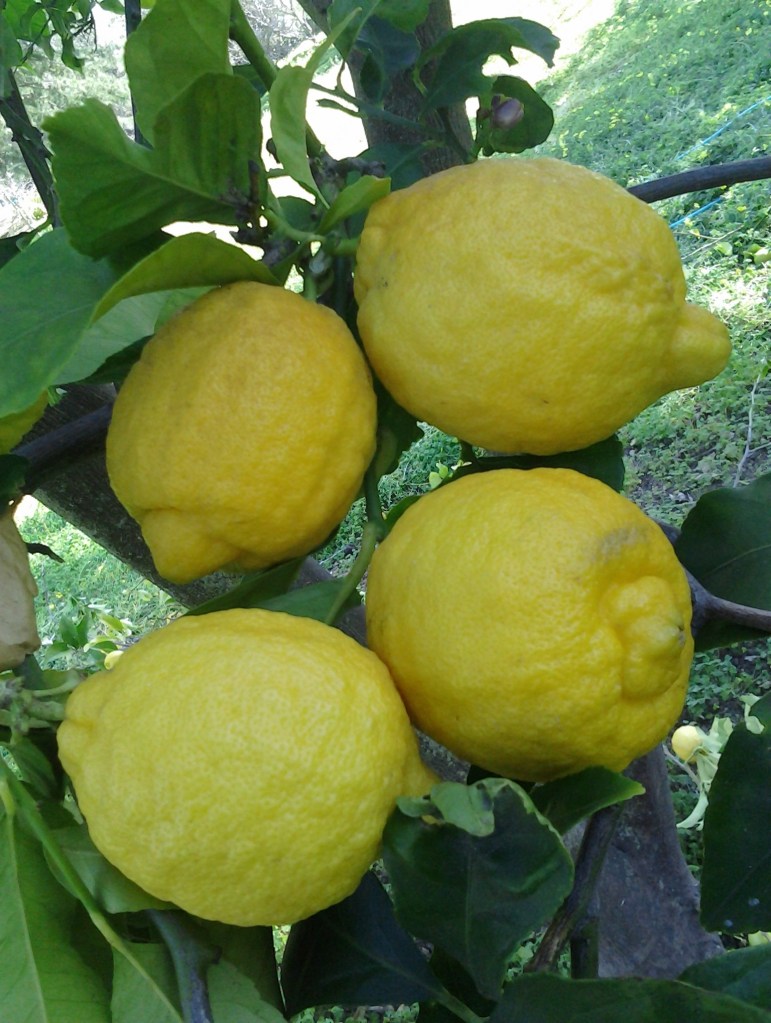
‘Lisbon’ lemon was the original. It is still a common cultivar for orchard production of fruit for lemon products. Because almost all of its fruit ripens in winter, it can not provide fresh fruit continuously. ‘Eureka’ lemon, which is a mutant of ‘Lisbon’ lemon, may compensate. It is not as productive in season, but only because it also provides lemons out of season.
This complicates orchard harvest, but is justifiable by prolonging the supply of fresh fruit. It is more ideal for home gardens where only a few lemons are needed at a time anyway. Besides, seasonal abundance within home gardens can become too much of a surplus. ‘Eureka’ lemons are not as richly flavorful as ‘Meyer’ lemons, but are more acidically tart.
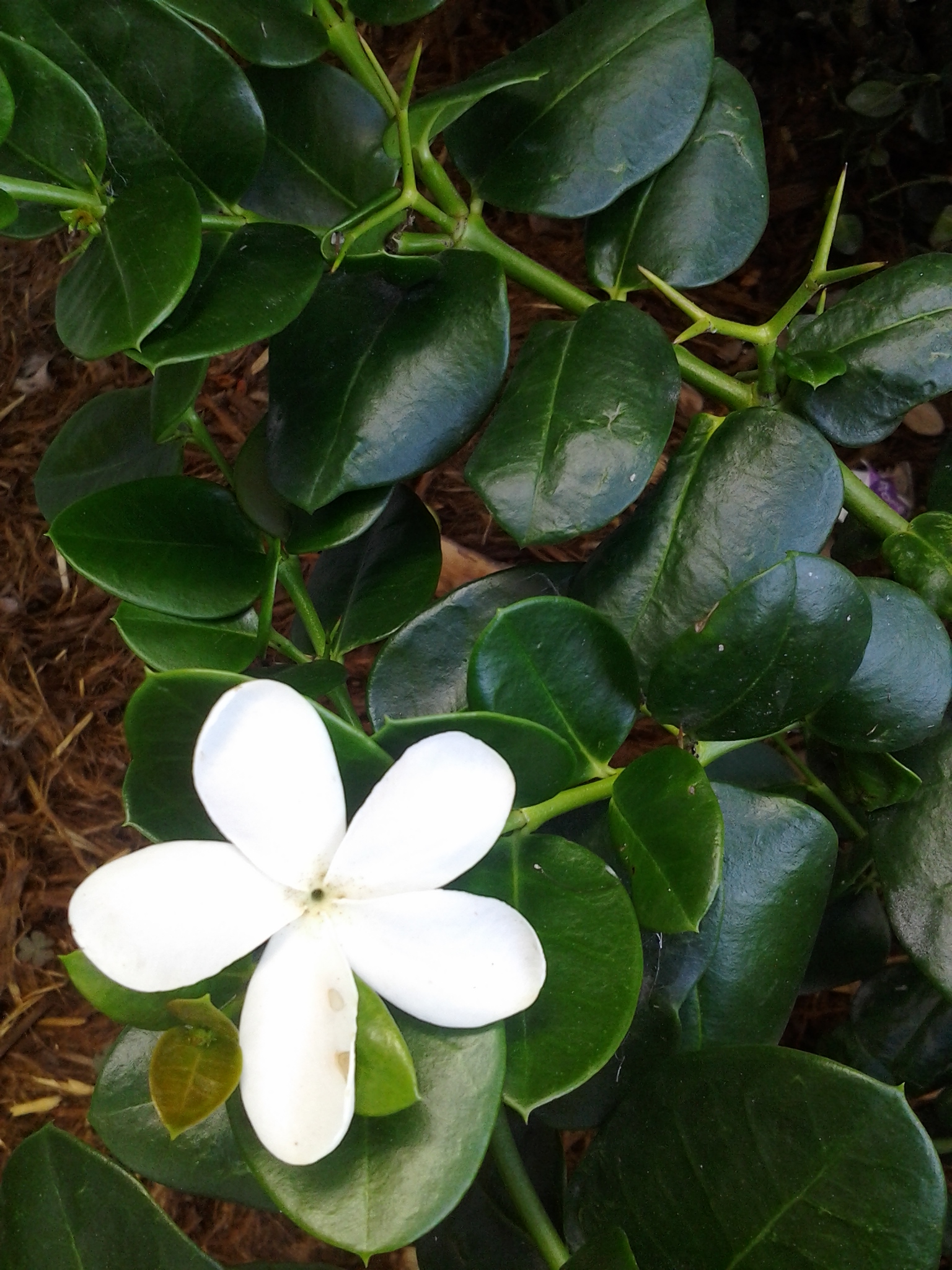
‘Eureka’ lemon trees, even on dwarfing understock, can eventually grow fifteen feet high. They are generally not quite as wide as they are tall. Their nastily sharp thorns are stout. Vigorous stems develop much longer and potentially dangerous thorns. Foliar fragrance is mild, but can be delightful during warm weather. Glossy evergreen foliage is aromatic when disturbed by lemon collection.



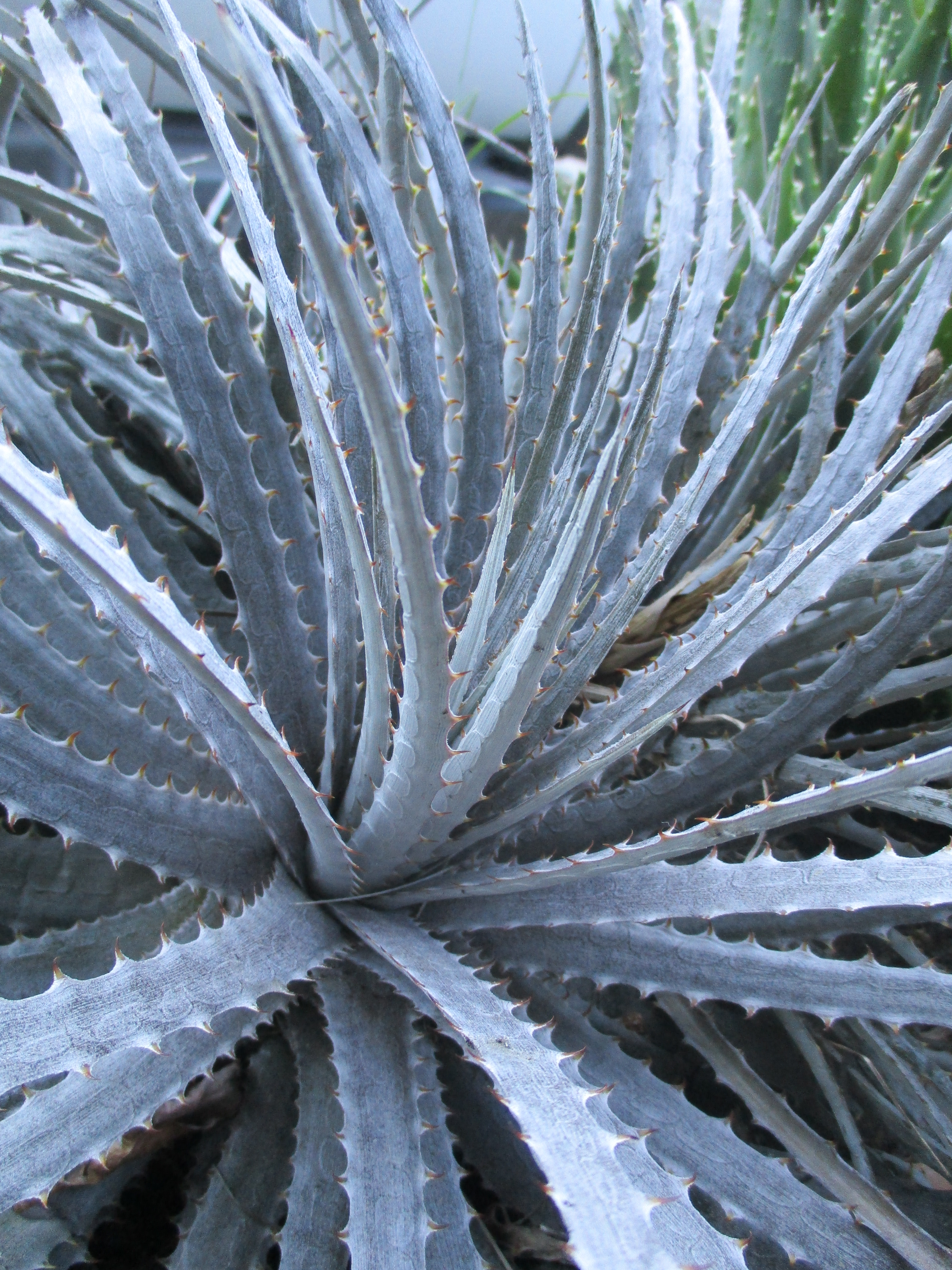 It is easy to mistake various cultivars of Dyckia for diminutive relatives of Agave or Yucca. They form stout rosettes of rigid leaves with wickedly sharp terminal spines. Their comparably nasty but incurved marginal teeth resemble those of most species of Agave, but are generally more abundant. Surprisingly though, Dyckia are instead related to bromeliads. They just happen to be xeric.
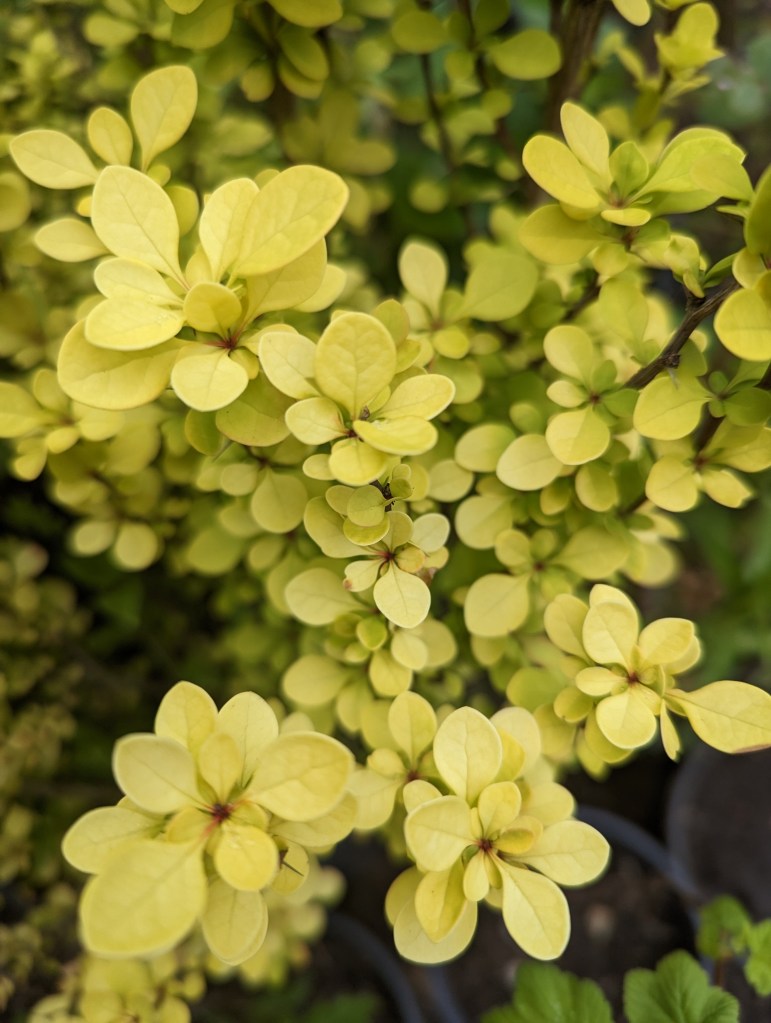
 It may not look too nasty, but barberry, Berberis thunbergii, is the sort of small hedge that one goes through only once. It does not have big strong branches to hold anyone back. In fact, the limber branches are quite twiggy. The tiny spines are not impressive either, and might go unnoticed by cursory observation. Yet, they are sharp enough and plentiful enough to make quite an impression!
 Tony Tomeo