Horridculture – Profitable Waste

Surplus should be a useful resource.

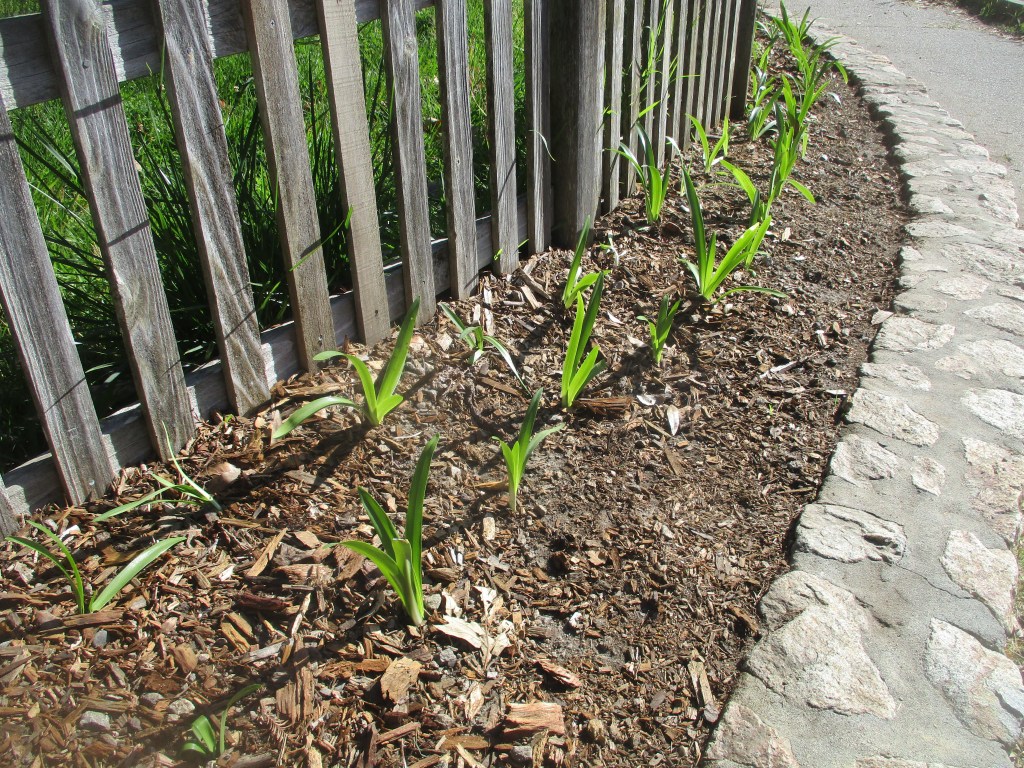
There is nothing wrong with this picture yet. It simply shows African daisy as it begins to encroach into a row of lily of the Nile. Because it is already September, we will delay the pruning of the African daisy to maintain clearance from the lily of the Nile. Then, we can process the pruning debris into cuttings that we can plug into areas where we want more African daisy. These cuttings can grow slowly and disperse their roots through cool and rainy autumn and winter weather to be ready for next spring and summer. It is how a bit of something that is undesirable here can be desirable somewhere else. That is how the lily of the Nile arrived here. It needed to be removed from where it had migrated beyond its preferable confinement, so was relocated to become an asset to another landscape.

So called ‘gardeners’ would do this very differently; partly because, within their stringent schedules, they have no time to process cuttings or divide perennials, but partly because it is less profitable. They would be more likely to shear a neat edge for the African daisy whenever it happens to be convenient for them, and then efficiently dispose of all of the debris. If more African daisy is necessary elsewhere, they would purchase and install it, and charge their client accordingly. The lily of the Nile would probably not be here, since they would have likely disposed of it immediately after digging it from where it needed to be removed from. If any were desirable here, they would purchase it from a nursery and install it, and, of course, charge their client accordingly. Ultimately, their technique might not be much more expensive, but it is nonetheless wasteful, and frustrating to those who are aware of it.

‘Borrowing’

This particular situation is both too compact and too shady for these items.

Yellow and purple ‘Karma’ iris did not work out so well. To be brief, Brent and I ‘borrowed’ rhizomes of pink bearded iris after their bloom, and prior to their removal and disposal, but they bloomed yellow and purple for the following spring. Apparently, we ‘borrowed’ the wrong rhizomes, and were victims of ‘karma’ that was appropriate for the manner in which we ‘borrowed’ them.

Of course, that experience has never dissuaded me from ‘borrowing’ what I want to grow in my own garden. I am a horticulturist. I can grow just about anything that will grow here from seed, cutting or other sources of propagation material. Some is from situations from which it must be removed anyway. Some is from greenwaste piles. Some is from seed or cuttings that I find while out and about. I purchase almost nothing from nurseries.
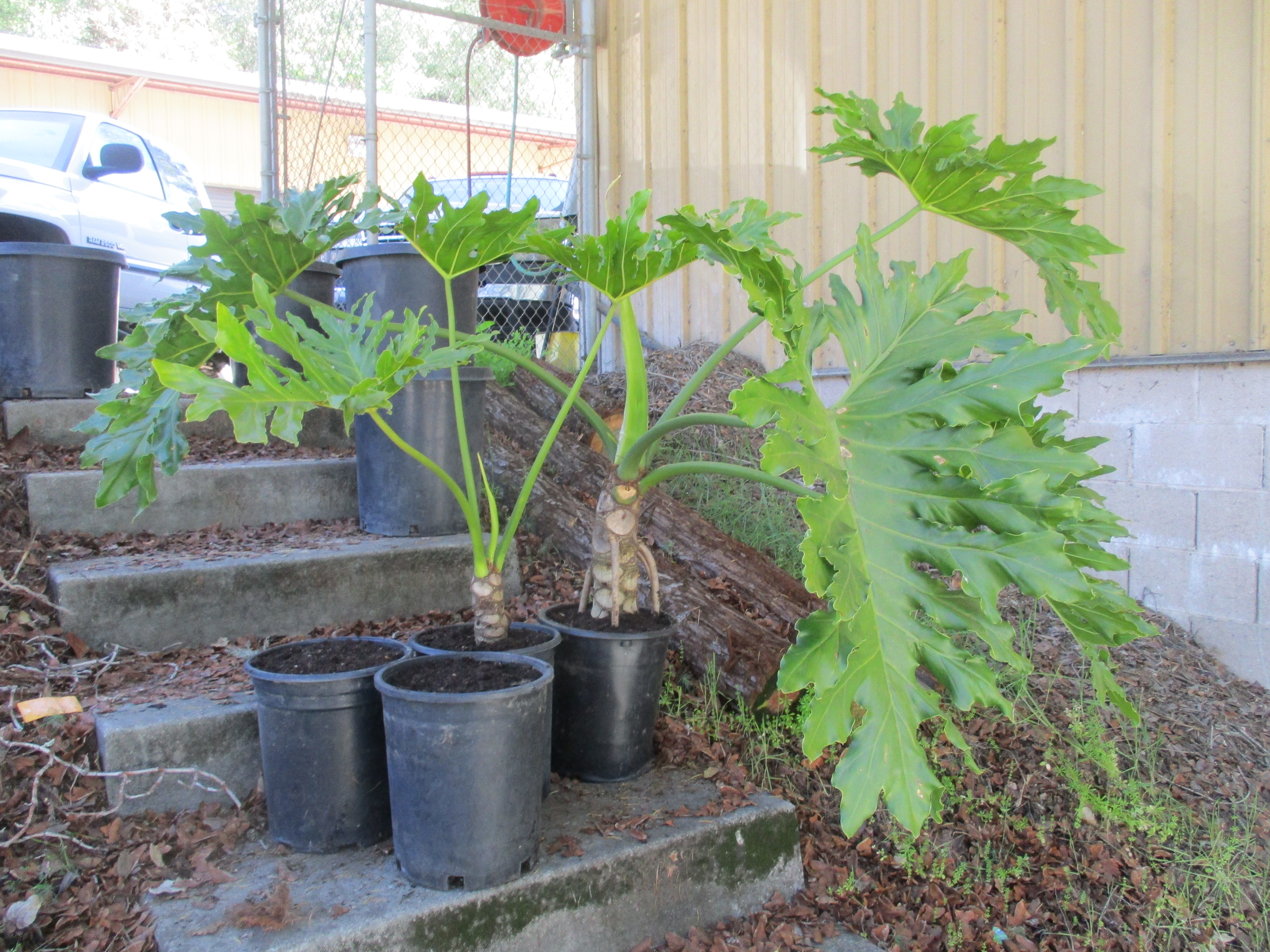
Much of what we grow for the landscapes at work is recycled from other landscapes at work. This particular portion of a landscape is in front of a residential staff cabin. The Australian tree fern and elephant ears were installed here by a former resident who no longer resides here. Unfortunately, this situation is both too confined and too shady for them. Not only do the leaves extend over the adjacent walkway and steps, but, in response to the shade, they also grow larger and therefore more obtrusive than they otherwise would be. Because it would be impractical for them to remain within this landscape, I am not at all hesitant about recycling them into other landscapes. I am merely waiting for cooler and rainier winter weather, when they will be more conducive to relocation. The elephant ears should be dormant. I know which landscape the fern will relocate to. The elephant ears may remain canned for propagation.

Giant Bird Of Paradise Migration

A Flock Of Seagulls

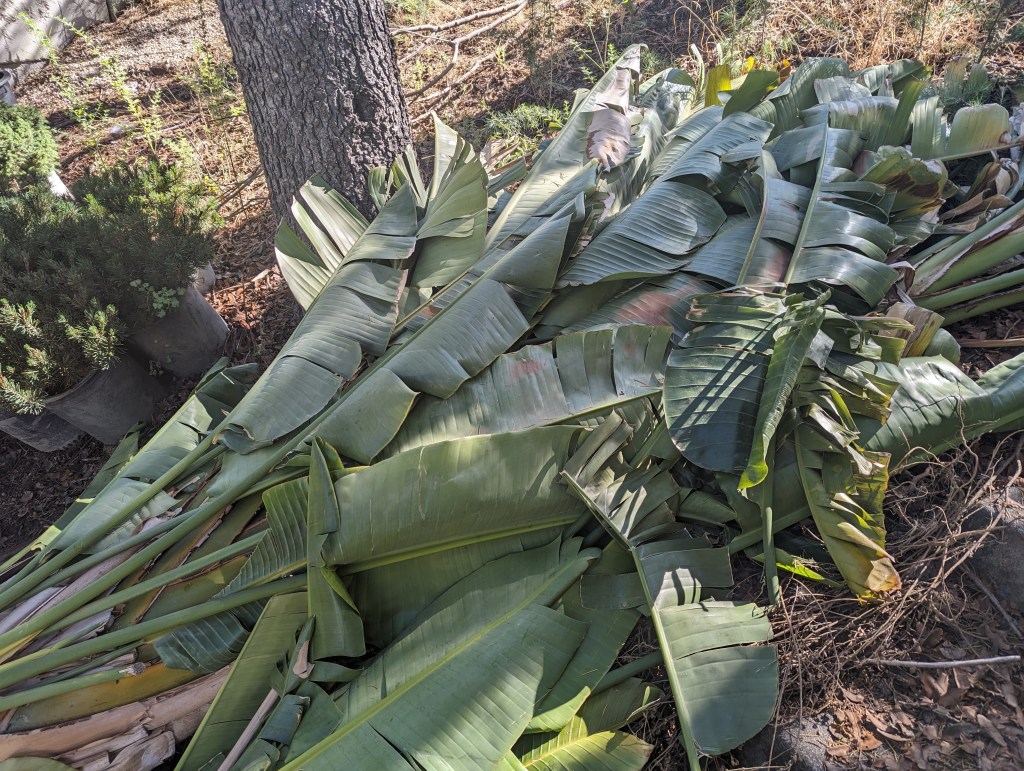
Giant bird of Paradise is not actually from Paradise, and if it were, it would not be the Paradise in Butte County that burned five years ago. This particular species, Strelitzia nicolai, is from South Africa, Mozambique, Botswana and Zimbabwe. These particular specimens are from none of these places though. They came from Morgan Hill. Nor are they actually birds, although they seem to be migratory like so many species of birds that migrate about the southwestern portion of Africa, and apparently Morgan Hill, but not Paradise. Oh, this is getting confusing.

Giant bird of Paradise, which is unrelated to Big Bird of Sesame Street, is a grand perennial that can get twenty feet tall. It resembles the more common bird of Paradise, but with tall trunks that resemble those of small palm trees. Also unlike the common bird of Paradise, their appeal is more foliar than floral. In other words, their primary attribute is their lush foliage, rather than their bloom. Actually, their bloom can be undesirable within some situations.

In fact, that is why these particular specimens needed to be removed. Their bloom was drooling messy nectar onto the pavement below. In horticultural slang, they are known as ‘drooling seagulls’ because of this habit, and also because their bulky white flowers look like seagulls peeking from the lush foliage, and of course, drooling while they do so.

Morgan, the old F250 who coincidentally is named after Morgan Hill, and I brought these giant bird of Paradise here, where they await processing. They are supposed to be left out of the ground for about two weeks anyway, so that they will be less susceptible to rot when planted and irrigated. After their processing, they will get heeled in here so that I can monitor them more directly as they begin their recovery. The best of them will migrate again to their permanent landscape after the rainy season starts. I should get better pictures of them and their processing for Six on Saturday.

Six on Saturday: Bad Timing

Autumn and winter are busy seasons here. They do not last long enough for all the work that must be done while particular plants are dormant. That is why pruning began early every autumn within the orchards that formerly occupied the Santa Clara Valley. Within the landscapes, scheduling in compliance with the seasons is complicated by factors that are not so seasonal, such as gophers, who eat whenever they want to. Major weeding of a new landscape is planned to begin next Wednesday because the weeds are so overgrown. Unfortunately, this does not coincide with the dormancy of plants that I would prefer to relocate from the same site. Furthermore, the achira is being uncooperative.

1. Hedychium gardnerianum, kahili ginger should not be disturbed so late in its season. Gophers do not care. I salvaged this cane with three buds and a root. It seems to survive.

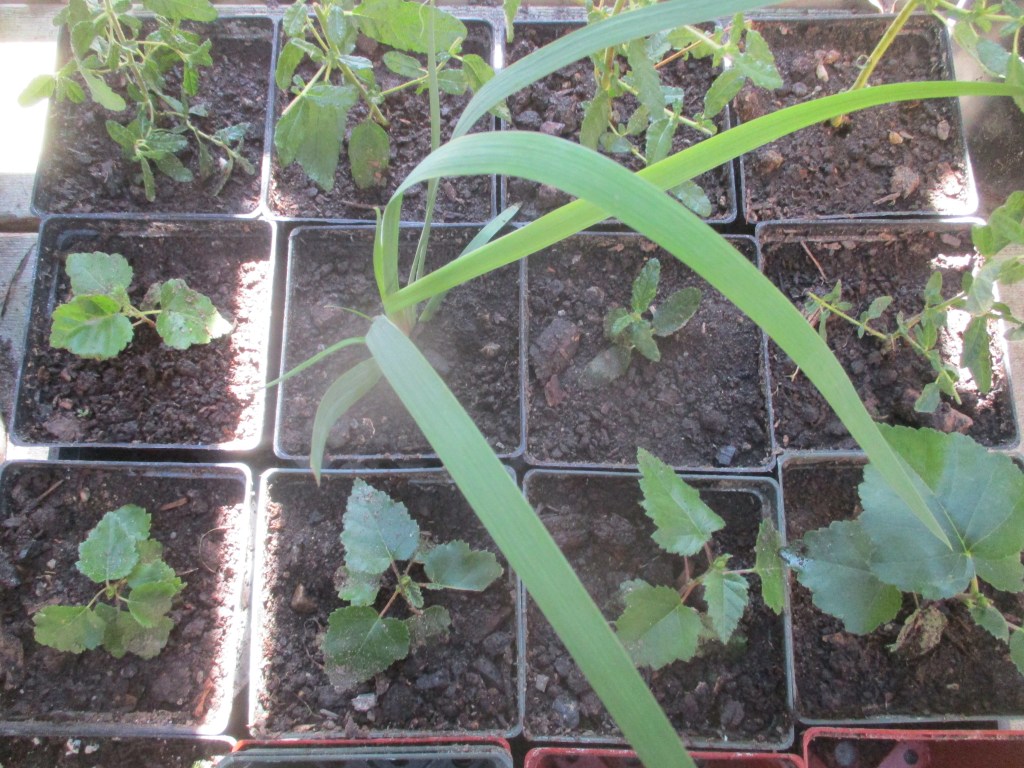
2. Ceanothus papillosus, wartleaf ceanothus grew from seed within a new landscape that will get weeded next Wednesday. I pulled and canned them early to avoid wasting them.

3. Betula pendula, European white birch grew in the same landscape. Big seedlings were tagged and left until defoliation. These tiny seedlings in the front row were canned early.

4. Sambucus caerulea, blue elderberry was, as one might guess, in the same landscape. I could not bear to simply let it go with all of the other weeds. I pulled and canned it early.

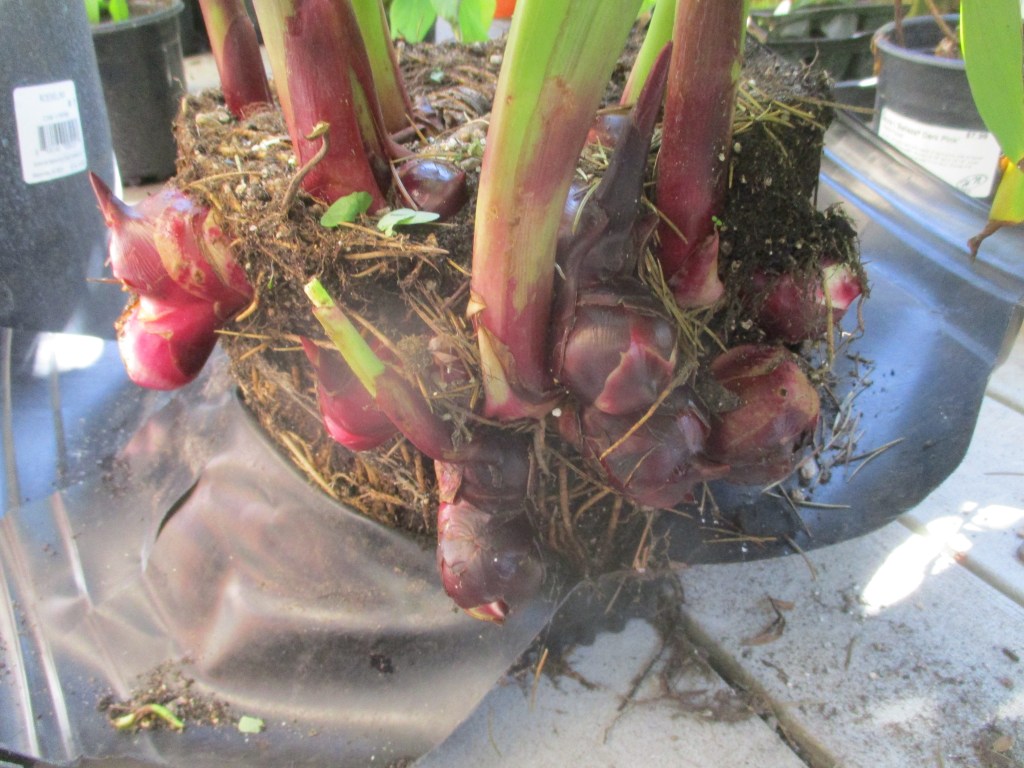
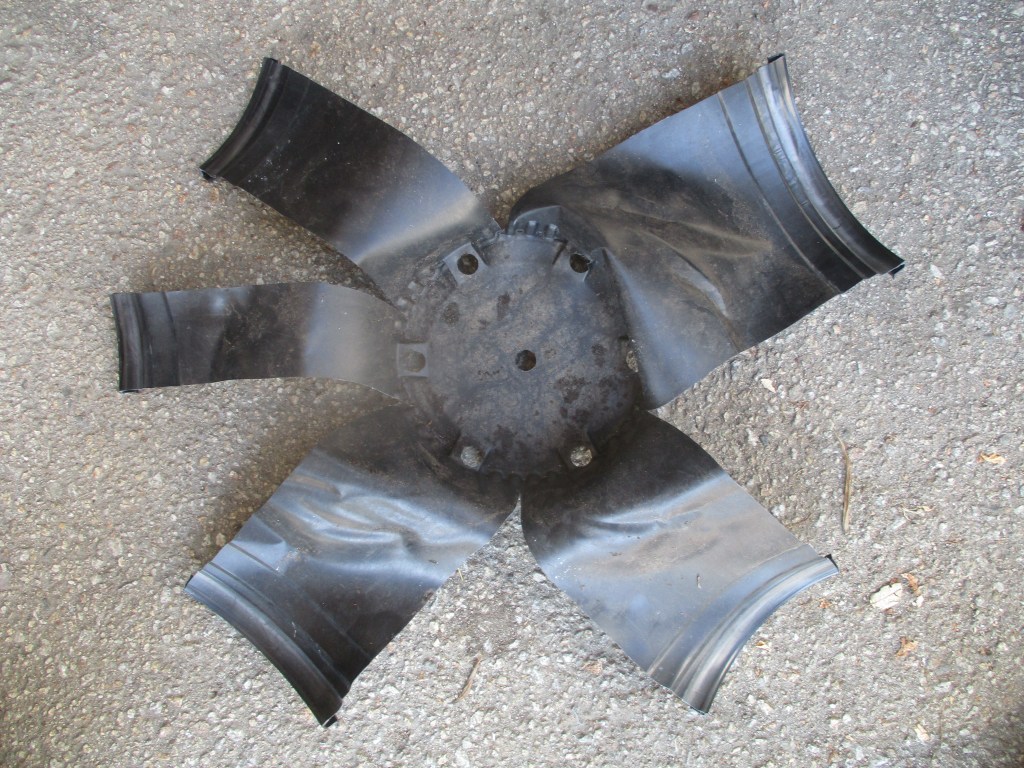
5. Canna edulis, achira, like kahili ginger, should not be disturbed so close to dormancy. However, its busted can could not hold water. Although early, it moved into a larger can.

6. Canna edulis, achira really wanted out! If it did this to escape its can, do I really want to release it into the garden? Its new can will only contain it until dormancy this winter.

This is the link for Six on Saturday, for anyone else who would like to participate: https://thepropagatorblog.wordpress.com/2017/09/18/six-on-saturday-a-participant-guide/

Six on Saturday: L. A. II

Los Angeles was fun, even if merely for five days. So was the indirect trip there and back. While there, I collected a few bits and pieces of vegetation to bring back here. Much of it, including these Six, needed to be removed from Brent’s garden anyway. I want to collect more Plumeria cuttings later, during the correct season. I only took what I got from this procedure because two of the dozen or so specimens needed minor pruning. Conversely, I collected many more giant bird of Paradise seedlings than I can accommodate because they needed to be removed from where they were. A neighbor here should hopefully take most of them. Most of these acquisitions were expected, although the quantities of some were unexpectedly excessive. Nonetheless, I am very pleased with them.

1. Heliconia of an unidentified species was phased out as other vegetation matured over the past several years. Remnants came up with only bits of rhizome, so may not survive.

2. Strelitzia nicolai, giant bird of Paradise grew from seed from a very mature specimen that was the first plant that Brent installed after he moved here almost twenty years ago.

3. Plumeria of an unidentified cultivar or even species needed to be pruned off the roof. It grows easily from cuttings, such as these, but needs protection from minor frost here.

4. Washingtonia robusta, Mexican fan palm, like giant bird of Paradise, grew from seed from a recycled specimen that Brent installed. Its parent is his brother’s Memorial Tree.

5. Clivia miniata, Natal lily formerly bloomed profusely in the front garden, but became overwhelmed by other vegetation. They were installed directly into a landscape at work.

6. Chamaedorea costaricana, pacaya, which Brent and I know as bamboo palm, is much more vigorous and larger than the more common bamboo palm, Chamaedorea seifrizii.

This is the link for Six on Saturday, for anyone else who would like to participate: https://thepropagatorblog.wordpress.com/2017/09/18/six-on-saturday-a-participant-guide/

Six on Saturday: Lumpy Lecter

This Six on Saturday did not go as planned. I intended to finally share six pictures of the esperanza and poinciana (pride of Barbados) seed from Crazy Green Thumbs, since they were sown shortly before I shared more of Brent’s pointless pictures last week. However, the file of those pictures was somehow deleted! It is too dark to get a picture now. When I get a picture later, it will show only flats of unseen seed! Since reminding Brent to NOT send more pointless pictures, he responded by sending a profusion of pointless pictures! However, if I can not share the six pictures that I very much wanted to share this week, I will most certainly not share six more pointless pictures that I do not want to share. So, I ultimately decided to share six pictures of an exemplary Mediterranean or European fan palm, Chamaerops humilis, that we relocated more than two weeks ago. However, since I had not planned to share these pictures just yet, I had neither procured a picture of the palm at its new home, nor copied a picture of it prior to departure from its former home.

1. From beginning to end, and even after the intensive grooming of the trunk, only three of these many healthy fronds got pruned away, and only because they hung too low. For most palms, I prefer to remove most foliage for transplant. So far, this one sustains it all. This is the view of the top of the canopy as the dug tree was laying in back of the pickup.

2. Female specimens have fewer and more pliable teeth on their petioles than the males. This was one of the most tame of females I have ever engaged. I had expected far worse.

3. Only a few aborted berries were observed. Since this species in unpopular here, it may lack a male pollinator. However, it has potential to sneakily provide its own male bloom.

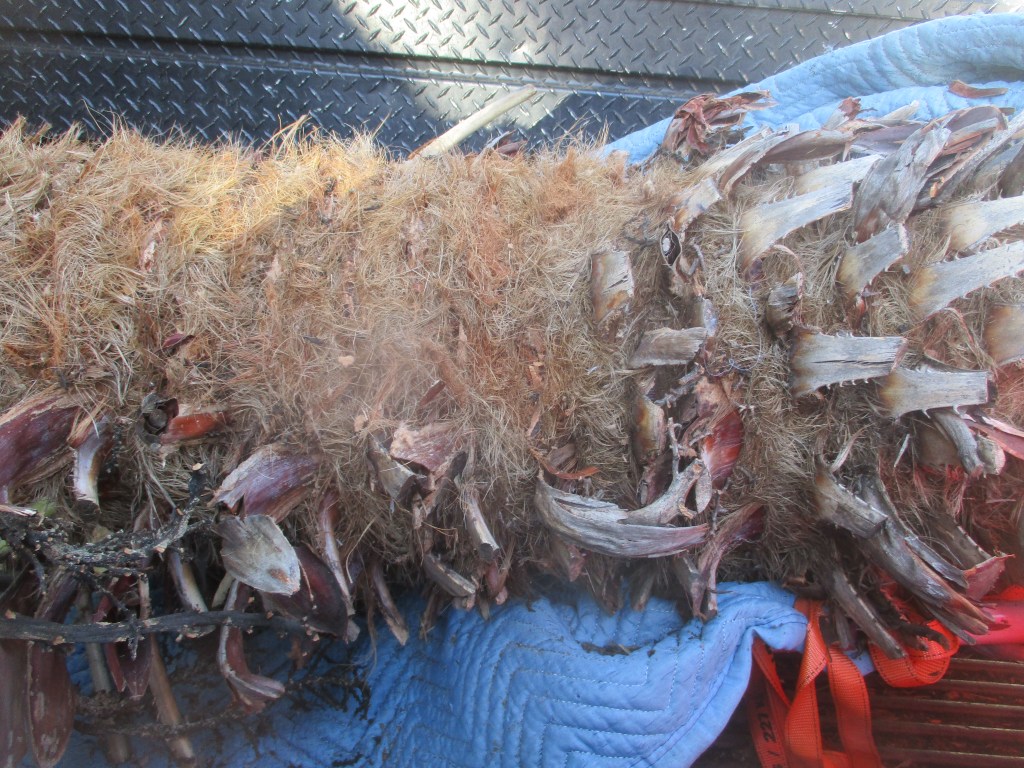
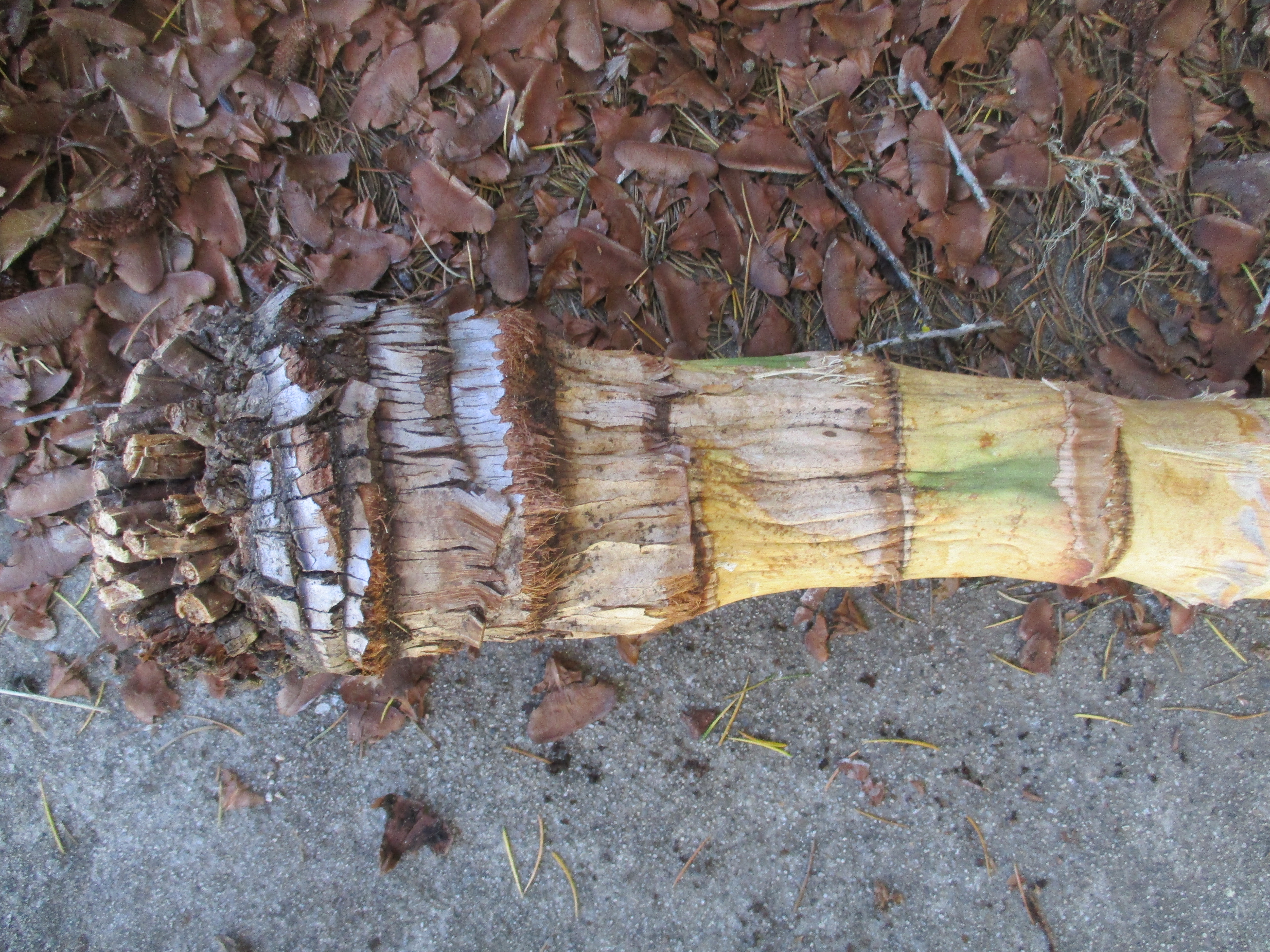
4. Gads! I almost never see this palm pruned and groomed properly. Petioles should get cut below the thorns and as closely to the trunk as possible. These long stubs are thorny.

5. The upper left quadrant of this picture demonstrates what this trunk should look like, after the thorny petiole stubs were cut away. It looks like Lumpy, the son of Chewbacca.

6. Here, it looks like Doctor Lecter of ‘Silence of the Lambs’, strapped into a dolly. It was much easier to handle after grooming, but still weighs about a hundred and fifty pounds. This species typically develops a few curving trunks. Such a straight single trunk is rare.

This is the link for Six on Saturday, for anyone else who would like to participate: https://thepropagatorblog.wordpress.com/2017/09/18/six-on-saturday-a-participant-guide/

Six on Saturday: el Catedral de Santa Clara de Los Gatos

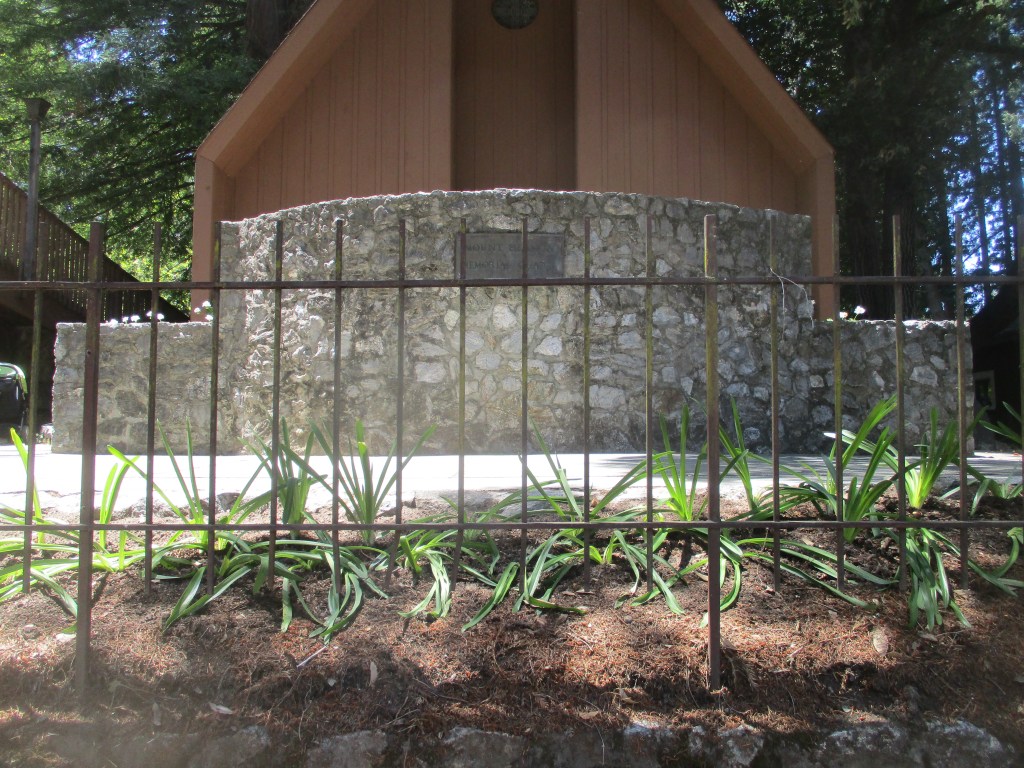
To everyone else, it is merely the Memorial Chapel. I prefer to think of it as el Catedral de Santa Clara de Los Gatos. It is a long story. Not only is it my favorite building that I work around, but it is outfitted with one of my favorite landscapes. Floral color is limited to white! My favorite color! There is not much to the landscape yet, but there will be later, particularly as the removal of adjacent trees improves sun exposure. Relocation of lily of the Nile is untimely, but necessary.

1. White lily of the Nile are a perfect fit here. They will function like a low hedge between the sidewalk and the roadway, without getting high enough to obscure the façade of the small Chapel.

2. Since the roadway is more than five feet below the sidewalk, the dense border of lily of the Nile will make the retaining wall seem less precipitous. The shading Douglas fir will get removed.

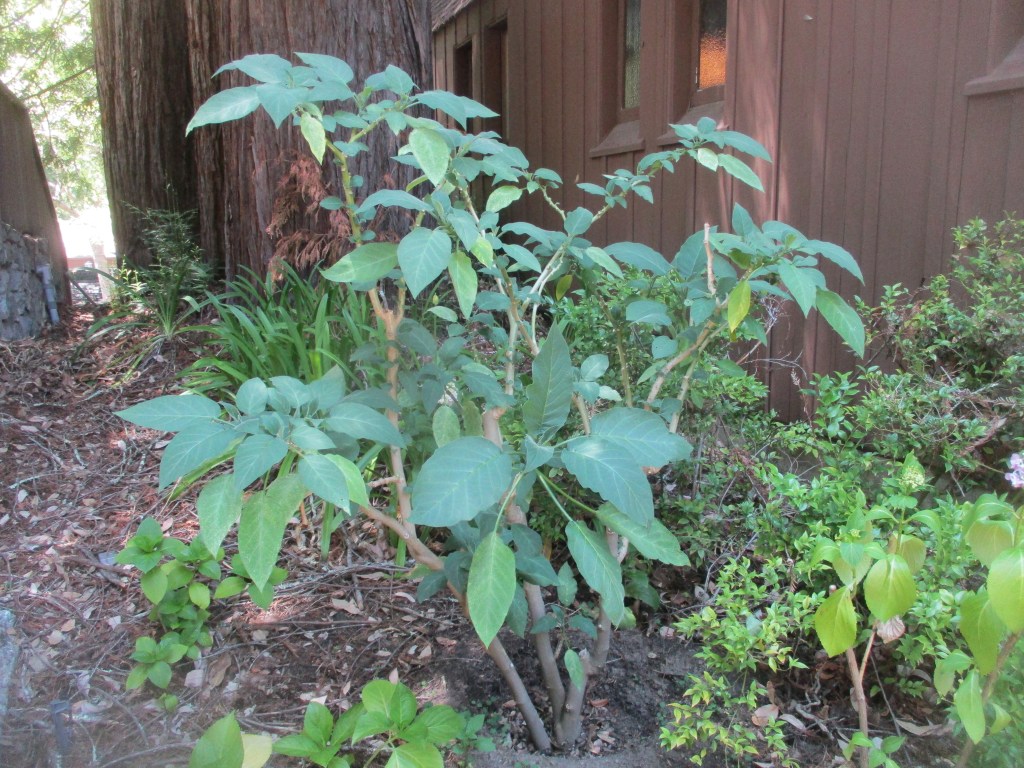
3. Double white angel’s trumpet was also a perfect fit when it was relocated here from the same garden that the lily of the Nile came from, but got majorly distressed by spider mite infestation.

4. It is recovering splendidly now, and is even developing floral buds again. Its future is uncertain though, since mites may continue to be a recurring problem. It lives next door to the Chapel.

5. Zonal geraniums presently provide the most white bloom here, although I can not take credit for them. Someone else put them here. I merely pruned them back when they were overgrown.

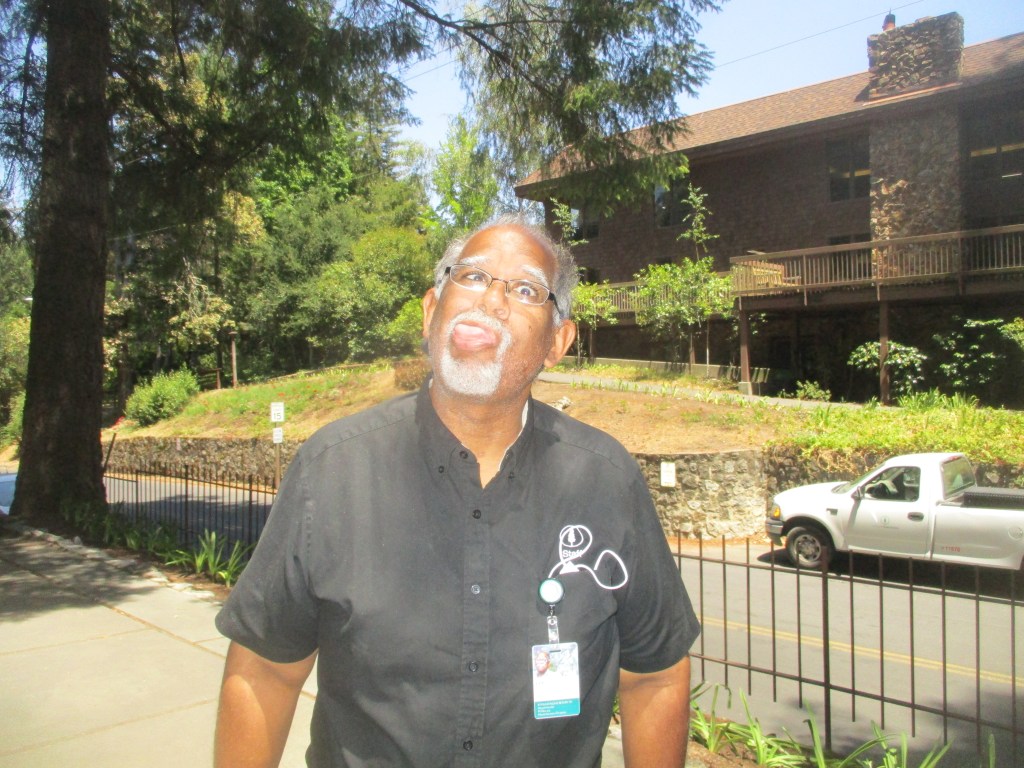
6. This is not what it looks like. This gentleman may seem to be expressing his opinion of the exclusivity of the white garden, or perhaps my predilection for white, but he is merely being silly.

This is the link for Six on Saturday, for anyone else who would like to participate:

https://thepropagatorblog.wordpress.com/2017/09/18/six-on-saturday-a-participant-guide/

Six on Saturday: Godzilla vs. Kong!

There are plenty of pictures, but not six to conform to a single topic. Only half here are horticulturally oriented. The other half are merely relevant to dysfunctional wildlife of the landscapes. Lily of the Nile was not such a major project as the removal of the carpet roses that occupied the site previously. We wanted to relocate them prior to spring, but that did not go as planned.

1. Lily of the Nile is rad! I have been digging and splitting it since the seventh grade. I do not care if it is cheap and common. This replaces carpet roses that should not have been at the walk.

2. Angel’s trumpet needed to be removed from another landscape, so was relocated here. It is now in the process of replacing the foliage that it shed in the process. It is happier than it looks.

3. Angel’s trumpet wastes no time getting ready to bloom as quickly as it generates new foliage. The flowers are double white, and very fragrant. This particular specimen has a lot of history.

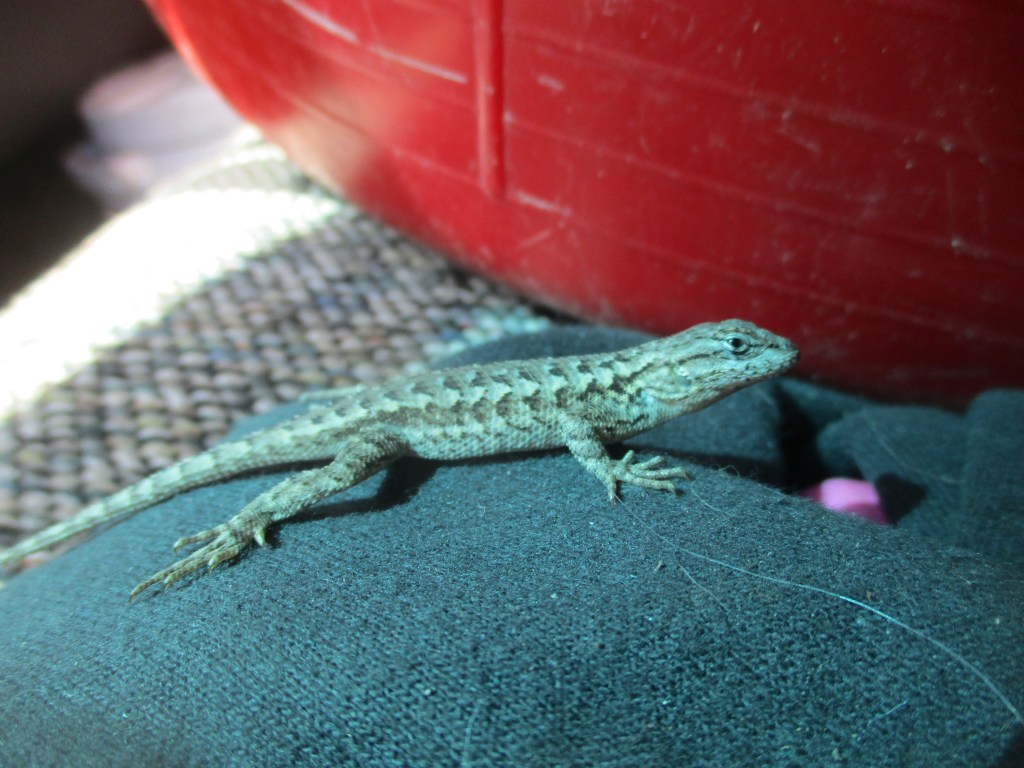
4. Godzilla hitched a ride in the work pickup on Friday afternoon. Well actually, it merely tried to, but got nowhere with me. I do not know how it got in, but I do know how it ‘safely’ got out.

5. King Kong was here earlier in the week. He (or she) fled long before Godzilla arrived. He also got a bit of help on his way, since I do not want him in the garden, or the trash, or anywhere!

6. King Kong does not look so scary in this coon trap. He did not get relocated so far away that he cannot return if he wants to; but if he does, will likely avoid the area where he was trapped.

This is the link for Six on Saturday, for anyone else who would like to participate:

https://thepropagatorblog.wordpress.com/2017/09/18/six-on-saturday-a-participant-guide/

Wheat

P00425K
It is not as bad as it looks.

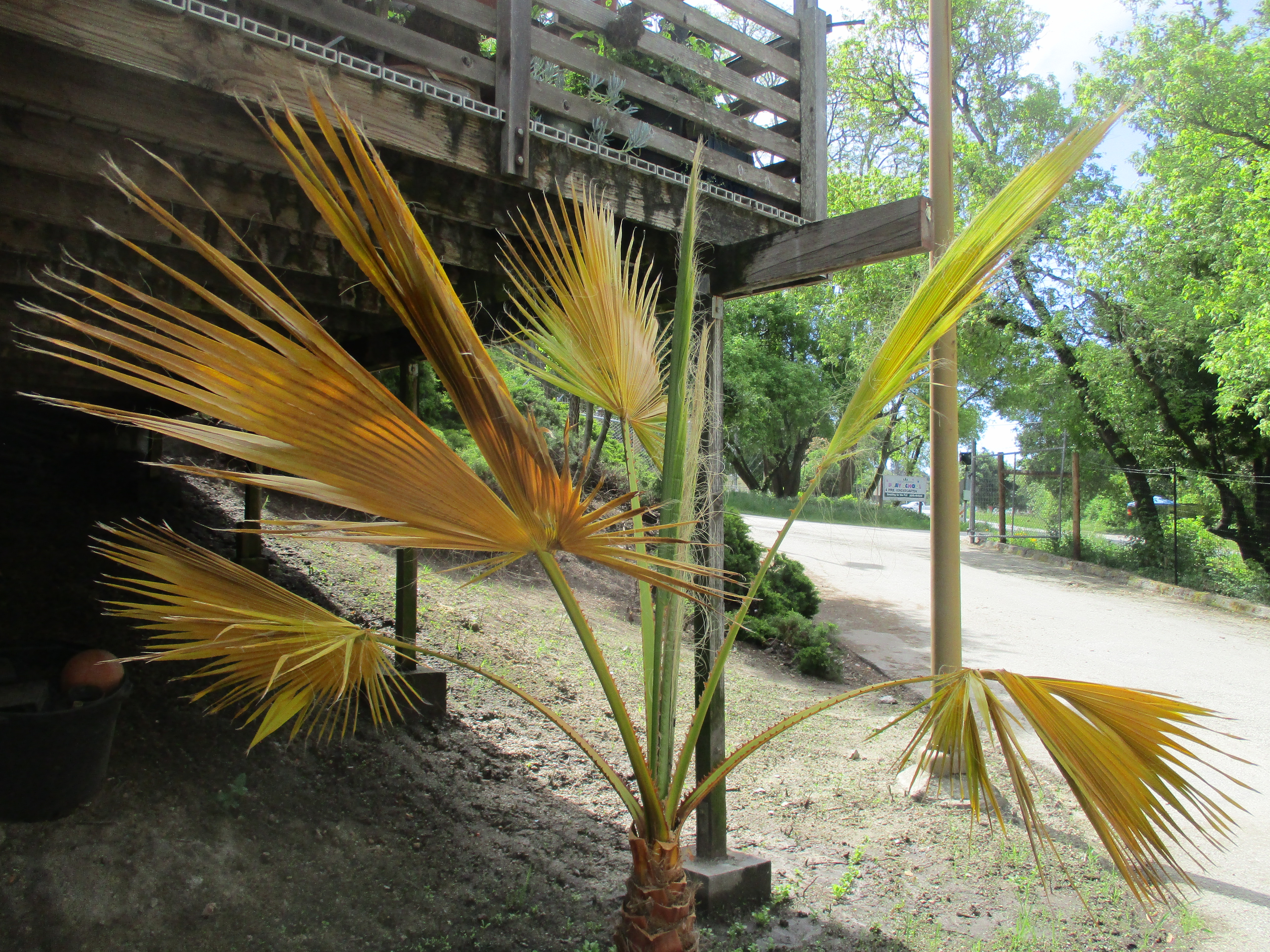
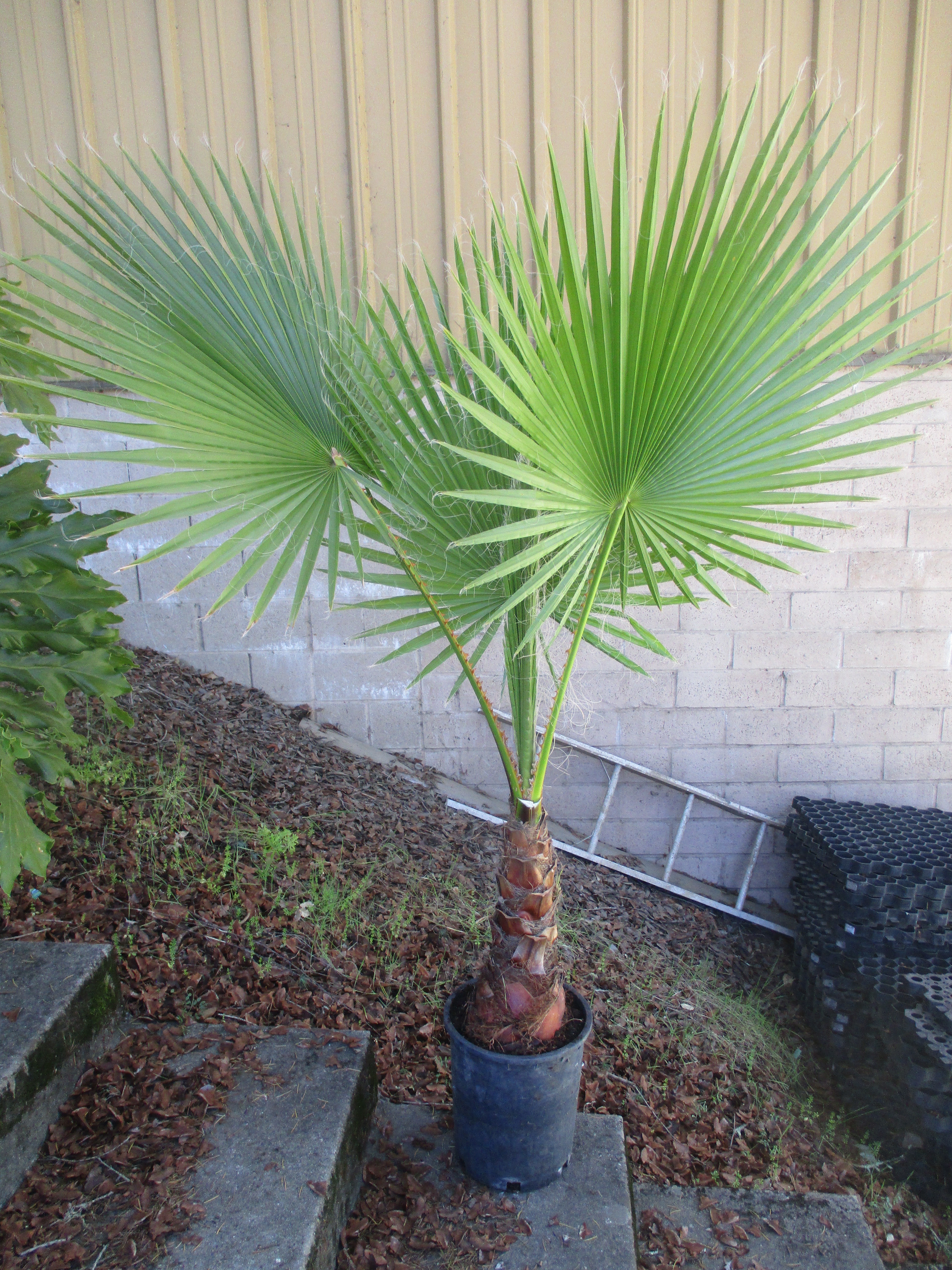
No, this is not wheat. It is the larger of the two Mexican fan palms that I dug and canned more than a week ago. ‘Wheat’ refers to the unpleasant phase that it is now going through. It is a long and awkward story about how it became known as the ‘wheat’ phase. All that anyone should know is that it refers to the color of the fading foliage. It fades from green to golden brown, just like ‘wheat’.

I say that the explanation is awkward because it involves an old skit by an offensive comedian on HBO in 1986, when the renowned landscape designer, Brent Green, was my college roommate.

Yes, we will just leave it at that.

Anyway, this is not at all unexpected. It is a normal process. I just wish it could be avoided. Every time I dig and can a palm, I hope that it will not happen; and I actually engage the associated palm as if it will somehow be different from the rest, and maintain all of its healthy green foliage. Some get through it more efficiently. Some start to produce new foliage before their old foliage dies off.

I actually relocated a mature windmill palm that somehow maintained the upper half of its canopy until it started to produce new foliage. That was all the fronds that were above a right angle to the trunk! I was impressed by that one. It was very different though. Most of the roots had already been damaged prior to relocation. Also, it was relocated in autumn, so had all winter to start recovery.

This unfortunate palm was dug not very long ago, just as the cool and rainy weather of winter was ending. Now that the weather is suddenly warming to around 80 degrees, the foliage is resuming vascular activity that the severed roots can not sustain. To compensate, it will shed this foliage that is now browning, while diverting resources into new foliage and roots. It knows what it is doing.

The new fronds that are still folded up in the middle are just fine. They will unfold into healthy new fronds as the palm recovers through summer. The first few fronds might be a bit stunted, but that is just part of the process. Newly relocated palms tend to accelerate foliar growth during such recovery, so, in just a few months, this cute little palm may look as good as it did when I canned it here.

Six on Saturday: Moving Day

A neighbor family relocated to a new home a short distance away. The former home needs such major repair that it may instead be demolished and replaced. For now, it remains abandoned. I collected a few plants from the abandoned garden so that some could be relocated to the new home. So far, only two Philodendron selloum and one Mexican fan palm went. The rest remain here, and may actually go to other homes.

1. In all my career, I have never seen a trunk of a palm shrivel from desiccation like this. All of the now absent roots were desiccated also. I seriously doubt that this queen palm will survive.P00418-1

2. It got canned anyway. Without significant roots, it certainly did not need all this medium. It only got a #15 can so that the shriveled trunk could be buried, sort of like a weird palm cutting.P00418-2

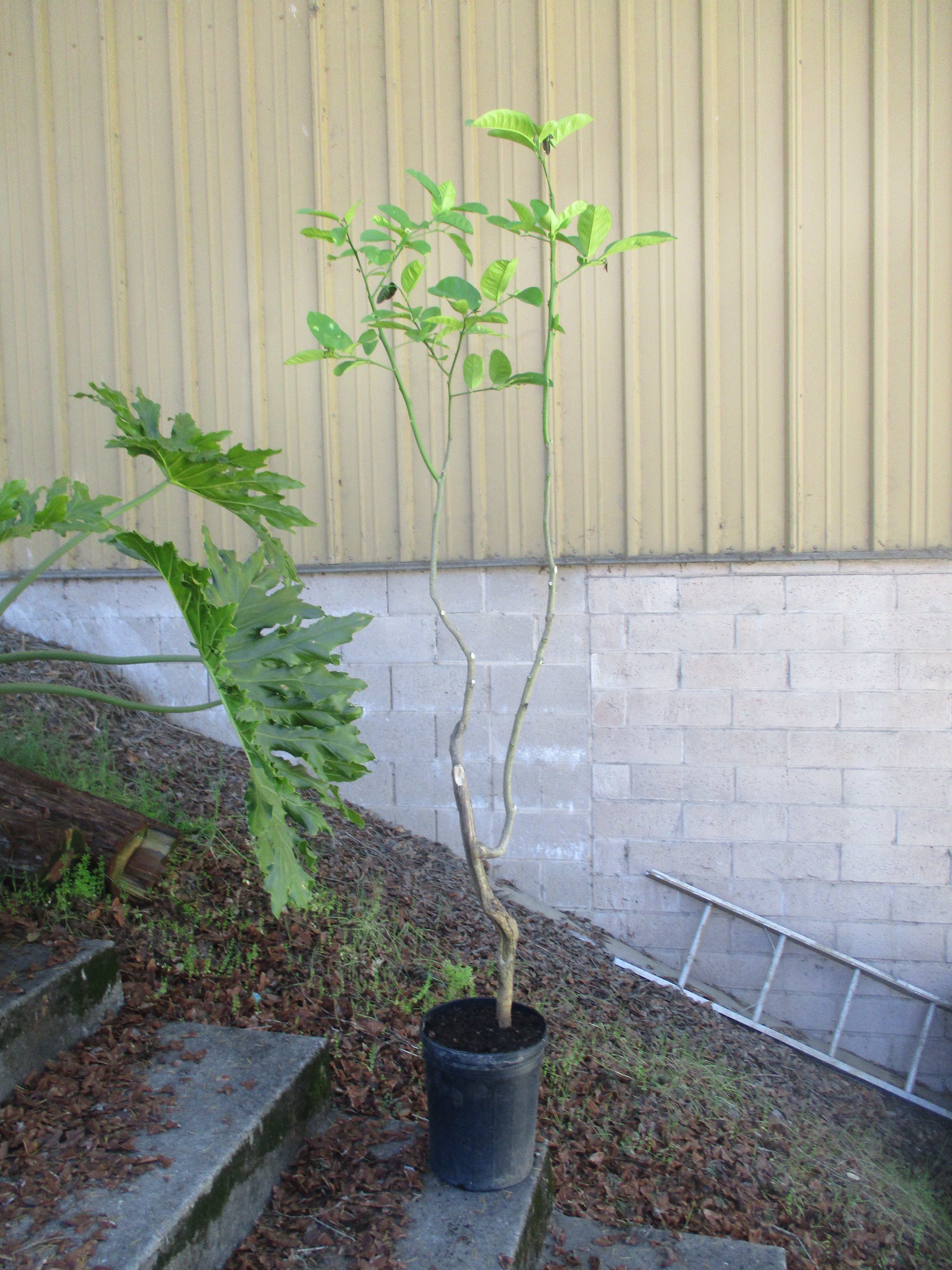
3. This lemon tree was almost left behind because it is so mutilated. It looks a bit suspicious too, sort of like shaddock understock of a formerly grafted tree. Actually, it is ‘Ponderosa’ lemon.P00418-3

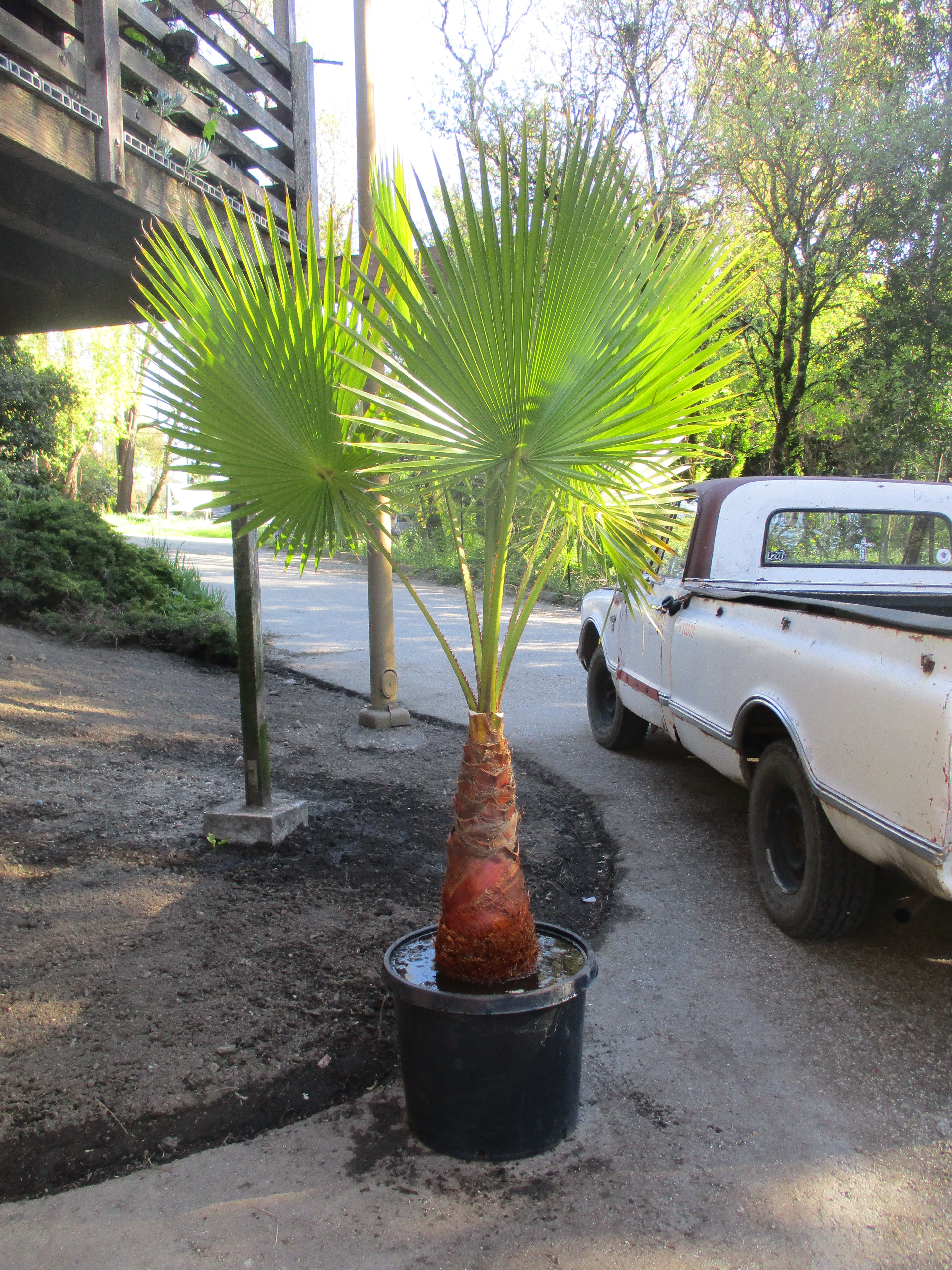
4. The smaller of two Mexican fan palms got canned into a #5 can until it starts to produce new roots and foliage. Actually, only the queen palm and the big Mexican fan palm got larger cans.P00418-4

5. This bigger Mexican fan palm got a squat #20 can because the trunk is wider than a #5 can. There are not very many roots in there yet. It got left here to divert traffic around the garden.P00418-5

6. These three Philodendron selloum were all I originally wanted to salvage. One lacks foliage for now. The other can that seems to be empty contains bare tubers of an unidentified heliconia.P00418-6

This is the link for Six on Saturday, for anyone else who would like to participate:

https://thepropagatorblog.wordpress.com/2017/09/18/six-on-saturday-a-participant-guide/