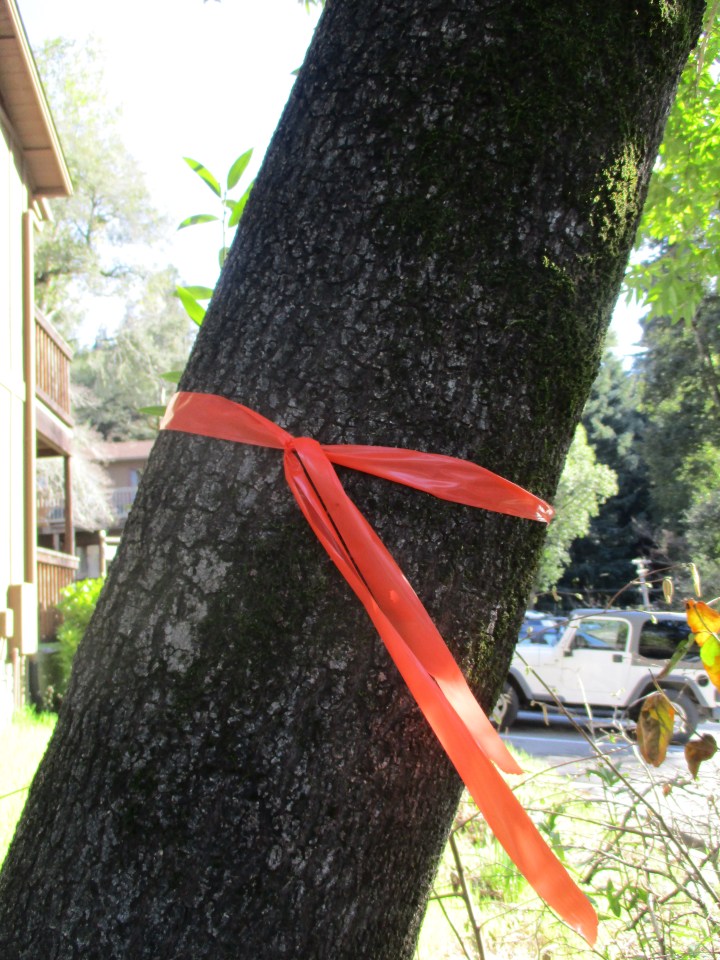
 This exquisite yet elegantly simple persimmon orange cravat is to die for! See how distinguishing it is for the Umbellularia californica sporting it! The brilliant color is so appropriate for a tree that needs to stand out in a crowd! How else would the arborists coming to cut it down find it? Yes, it is to die for!
This sort of high fashion is not normally so high. Trees that are tagged by surveyors are typically more discretely tagged with spray paint down near the ground. We just used this orange tape because we were only hastily marking a few or our own trees for removal, and nothing else.
The problem with tape in other situations is that it can be removed and applied to another tree. One of my colleagues sent his crew to cut down a street tree downtown that had been marked with orange tape, only to find later that the wrong tree had been cut down. The client had procured a permit for the tree that the arborist had tied the tape onto, but not another tree next to it that he wanted removed also. After the arborist marked the tree to be removed with tape and left, the client removed the tape, and tied it onto the tree that was to be preserved. Of course, the crew cut down the tree with the orange tape. The sleazy client did not want to pay for the removal because the wrong tree had been cut down, and then hired another tree service to legally remove the tree for which the removal permit had been issued, while leaving the first arborist liable for cutting down a protected tree without a permit. Fortunately, a neighboring merchant knew what the client was up to, saw him move the tape, and reported the incident to the responding code enforcement agents. The arborist got paid. The client got two huge fines; one for removing the tree without a permit, and one for the value of the rather valuable tree.
Tape works fine in the nursery because there is no one there to do anything sleazy. Besides, paint would be messy. Many years ago, we used red tape for stock that needed to be disposed of, orange tape for stock that needed to be shifted into the next larger size, and blue tape for stock that was sold and needed to be moved to a holding corral or loaded onto a delivery truck. Of course, different nurseries might use different colors and a different code.
For the sort of tree work that I was involved with, orange or red paint was used only on trees that were to be removed. It would not have been appropriate to tag good trees with paint! We usually marked trees for removal with a circled ‘X’ or just an ‘X’, in a very visible manner.
Surveyors use paint in a more discrete fashion, with single dots or other small markings of paint down near the ground. They use a variety of colors and a standardized code system. The paint is not permanent, and weathers away after a year or so. Some trees get tagged for pruning for clearance from utility cables. Some get tagged for clearance above roadways and sidewalks. A few that are hazardous or in need of such severe pruning that they will be ruined in the process get tagged for removal. Each color of paint means something different. Each specific tag is a message to whomever is responsible for the prescribed procedure. Some who are responsive to the coded messages work for the respective municipality. Others work for a utility company of some sort. They may not know what all the tagging means, but they recognize the meaning of the tags that are addressed to them.
That is why, when a client asks me what a particular tag on a tree means, I can only say that I do not know. I know what tags my associates use, and I can guess what a prominent circled ‘X’ or an ‘X’ means because I know of so many arborists who use that tag. I do happen to know what the bright orange tape around the bay tree above means because my associate put it there. However, I do not know what a blue dot, green dot, yellow dot, orange vertical line or red horizontal line mean.
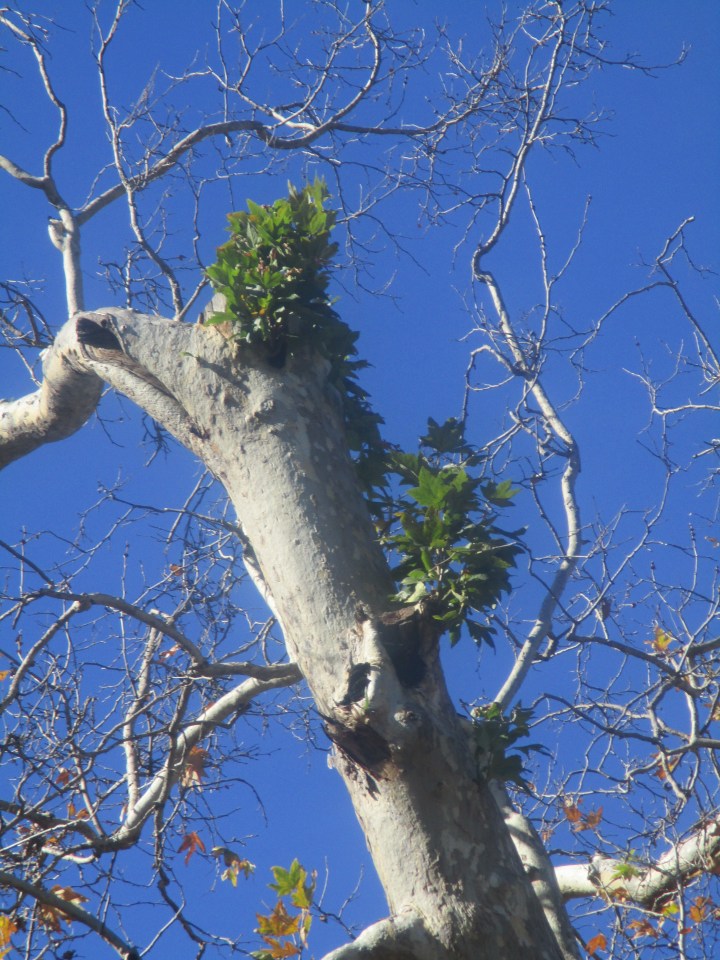 The tufts of small branches that so often develop where limbs were pruned from the trunks of a coast live oaks are sometimes referred to as ‘tumbleweeds’. They are about the same size as an average tumbleweed. By the time the get any larger, most of the smaller stems have subordinated and died out, leaving only a few more defined dominant stems, which will continue the process until even fewer or a single new branch dominates. Such tumbleweeds, as well as stems that originated from such growth, are weakly attached to the main trunks. They often get pruned off for the same reason that the limbs that were there before got pruned off, or because they are expected to be weakly attached. If they remain long enough, they can of course develop into new limbs.
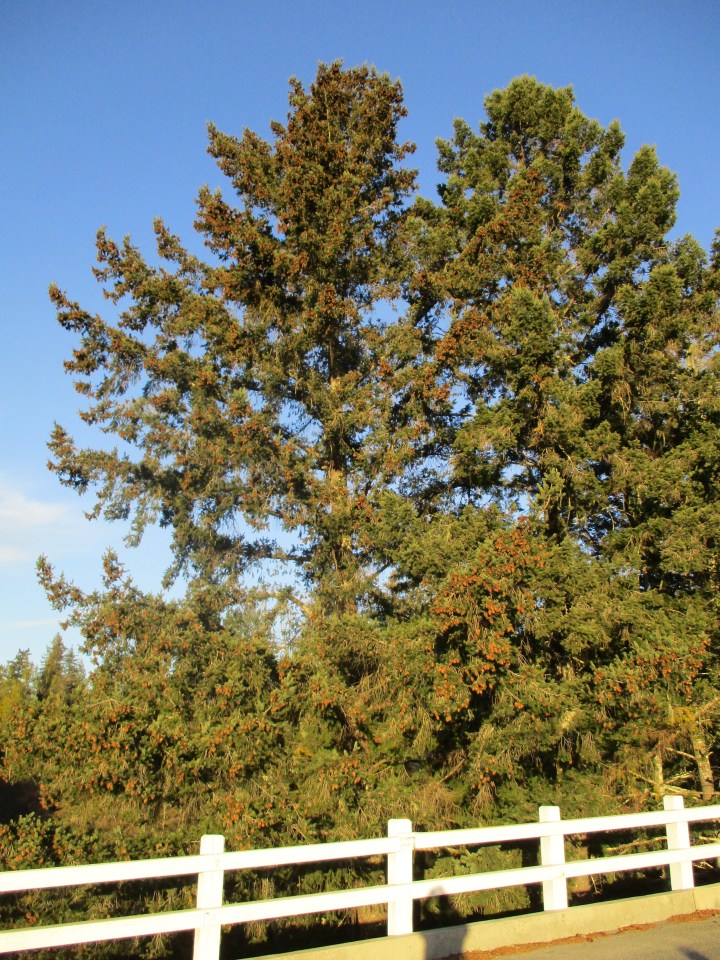 The first storm of the year has a way of reminding us if our trees need attention. Whether then need to be worked on this year or not, we tend to notice how they blow in the wind, or if they are full of dead and deteriorating debris that falls into the garden or onto the roof. As deciduous trees defoliate, they are less likely to be damaged by wind, but their structural deficiencies become visible.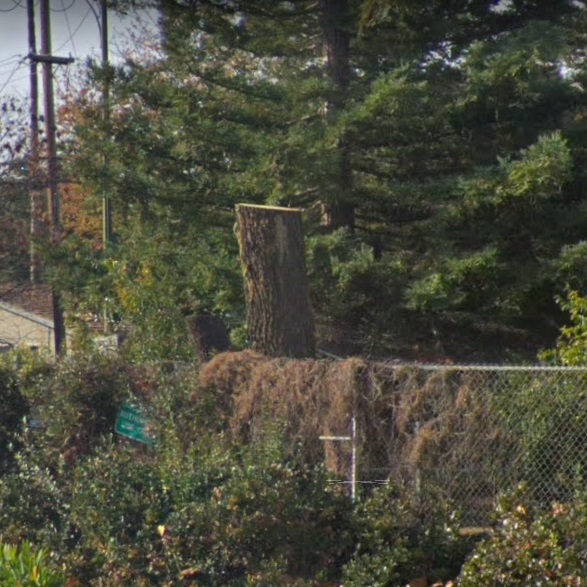
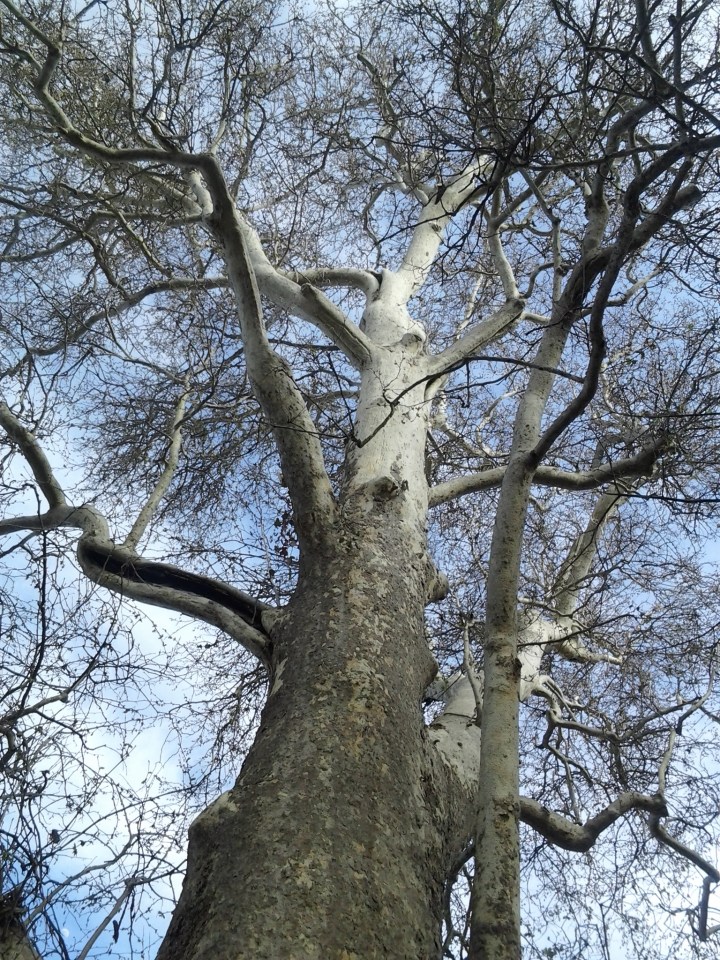 Before the storms of winter get here, it might be a good time to make arrangements to get some help for big trees that need it. Smaller trees that can be reached from the ground may not need anything that we can not do ourselves. It is the big trees that have grown beyond our reach that may need professional help if they have problems. They are unsafe for us DIY garden enthusiasts.
 Tony Tomeo