Landscapers and gardeners are only the two most familiar of horticultural professionals. There are also landscape designers, horticulturists, greenskeepers and various nurserymen, just to name a few. Each of the many distinct horticultural professionals works within a specific horticultural industry; like each of the many different types of physicians works within a specific medical industry, even though many might work together in the same hospital.
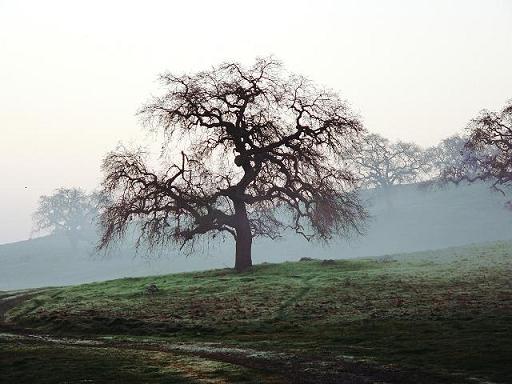
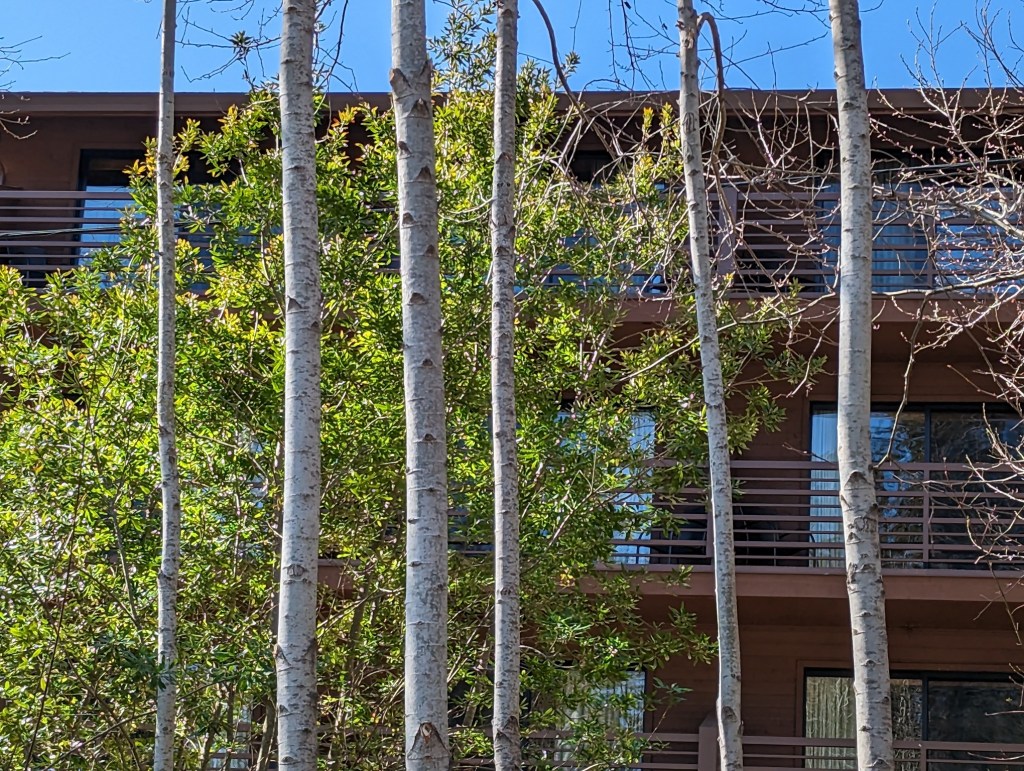
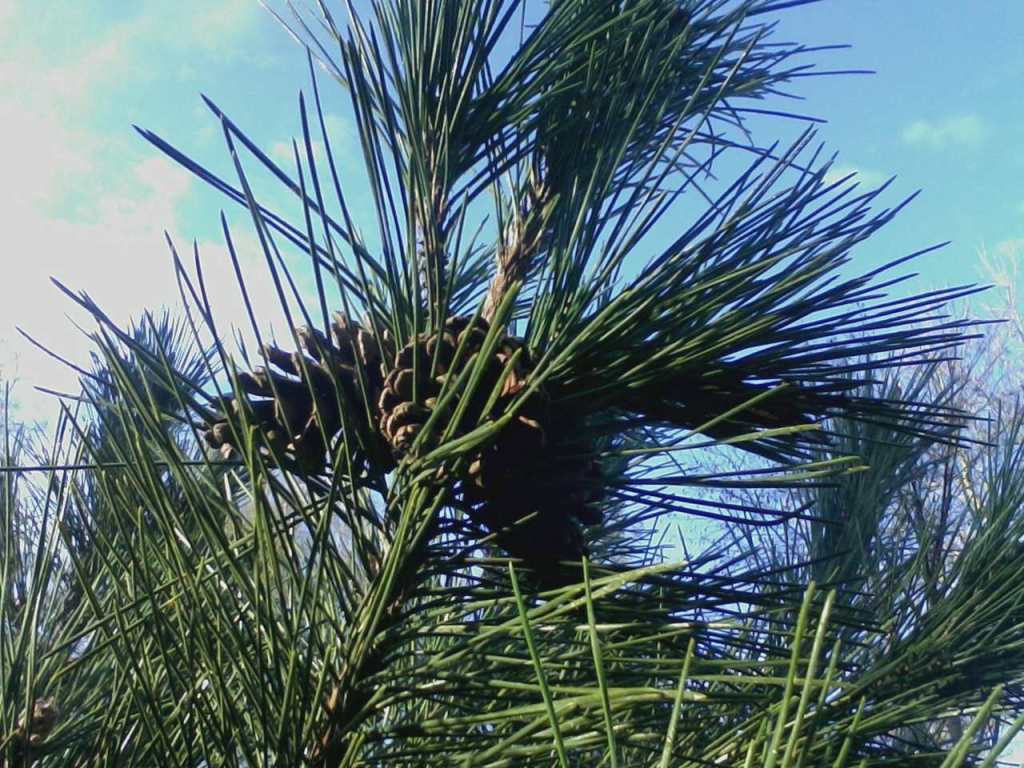
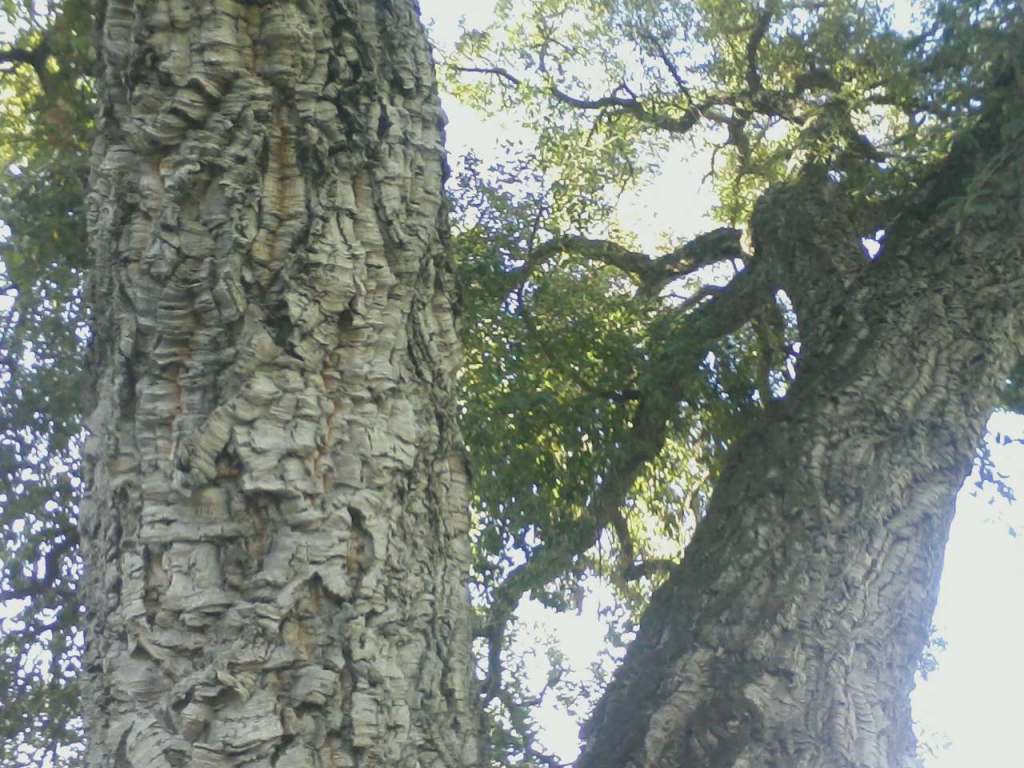
Arborists are the horticultural professionals, or even horticultural ‘physicians’, who work specifically with trees. In fact, they had historically been known as ‘tree surgeons’ because they perform what might be considered to be surgery on trees. After nurserymen grow trees in nurseries, and landscapers install trees in landscapes, arborists take over to care for the same trees like gardeners take care of landscapes below the trees.
Arboriculture, or the horticulture of trees practiced by arborists, is important because trees are so different from other plants in the landscape. Obviously, trees are larger than anything else. Structural problems or instability can have devastating consequences, not only to the affected trees, but also to anything around them that might be damaged by falling limbs or even entire trees. Some trees are large enough, or even have limbs that are large enough to crush an entire home.
Arborists who are certified by the International Society of Arboriculture, or ISA, have passed an examination of their arboricultural expertise, and maintain their certification by attendance to educational seminars, workshops and other relevant ISA approved events. Certified arborists are the most qualified to assess the health, stability and structural integrity of trees, and prescribe any necessary arboricultural procedures. Such matters should not be trusted to other horticultural professionals who specialize in other aspects of horticulture.
The website of the ISA at www.isaarbor.com is the best resource for finding certified arborists and the tree service businesses that they are affiliated with. Arborists can be found within particular regions by city or ZIP code, or directly by name. The website also features all sorts of information about trees that is useful to anyone who lives with them or wants to add more to the landscape.
Of course, there is more to gardening than trees. For those who missed reading about it already, it is nearly time for the most locally grown of horticultural events. Spring in Guadalupe Gardens will be April 28, from 10:00 a.m. to 3:30 p.m., in the Guadalupe River Park and Gardens between Taylor Street and Coleman Avenue in San Jose. More information can be found online at www.grpg.org or by telephoning 298 7657.







 Tony Tomeo