
Vegetation within a planned landscape should serve a purpose. The form of such vegetation should be appropriate to such purpose. Trees provide shade. Shrubbery defines space and obscures undesirable scenery. Vines climb fences and other infrastructure. Annual bedding plants provide more seasonal color than most other vegetation. Turf grows into useful lawns. It is helpful to plan accordingly for a landscape.
Turf can not do much more than become useful lawn. It can not provide shade, obscure undesirable scenery, climb fences or provide more seasonal color than green. Nor can trees, shrubbery or vines become useful lawn. Again, each form of vegetation should be appropriate to its particular application.
Trellised rocktrumpet is not shrubbery. Rose periwinkle is not permanent ground cover.
There is so much other vegetation that would have been appropriate to this particular situation. Star jasmine, trailing lantana, trailing rosemary or even the dreaded English ivy would have been better and more permanent ground cover. Dwarf oleander, barberry, arborvitae or even dwarf New Zealand tea tree would have been better shrubbery.
Rose periwinkle is an annual bedding plant. Although it is somewhat pretty now, it will not likely survive through winter. Even if it does, it will not migrate far enough to reliably function as a ground cover.
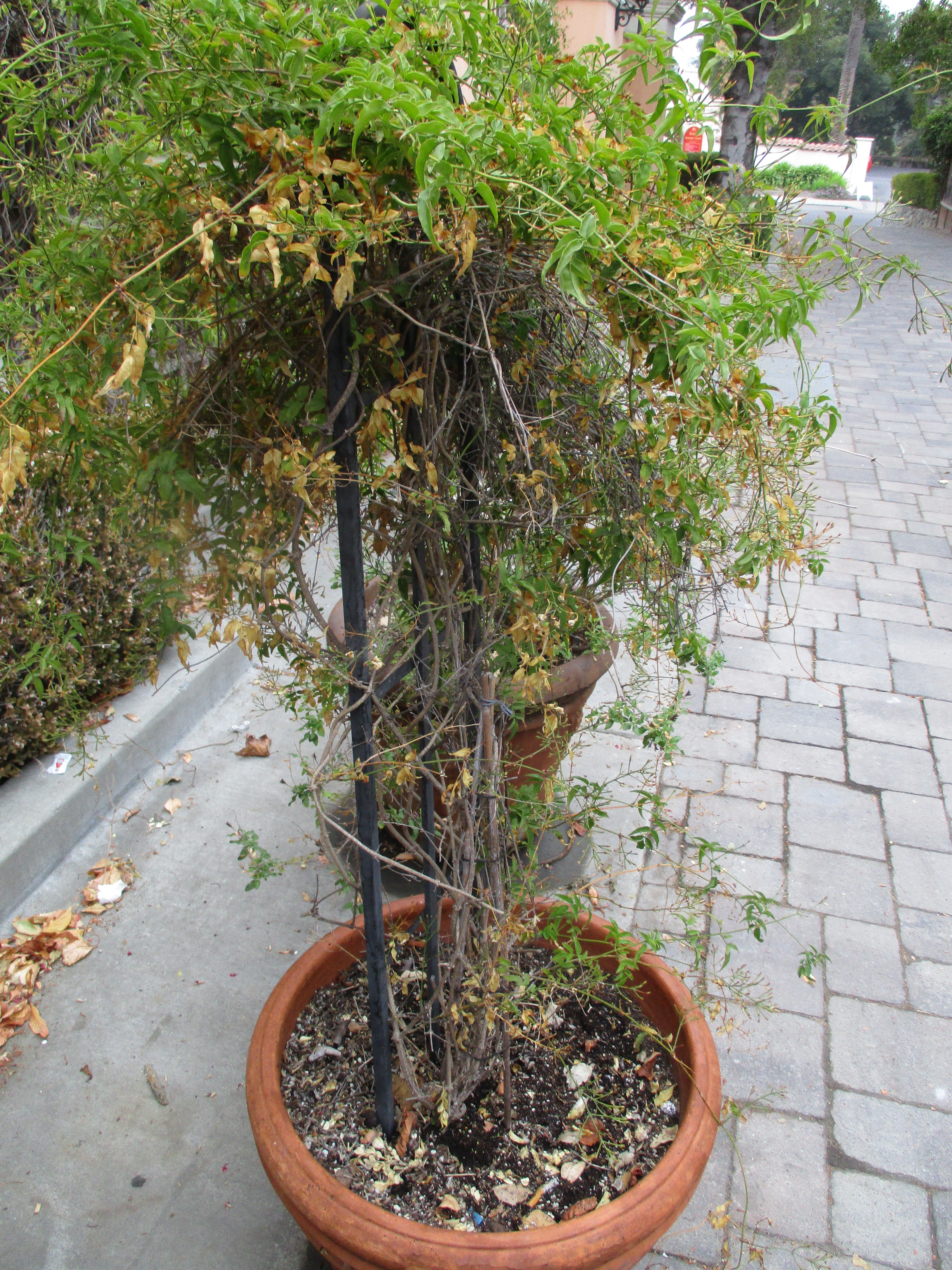
Trellised rocktrumpet is a small but vigorous vine that will always be reliant on trellises for support. As its cheap trellises decay and deteriorate, it will eventually develop into shabby mounds of tangled vine stems, but will never be able to support itself as high as the new trellises are now. It can reach out to cover some of the ground that will be vacated by the rose periwinkle, but can not reliably function as a ground cover for this much area. It will bloom less if shorn for neatness.


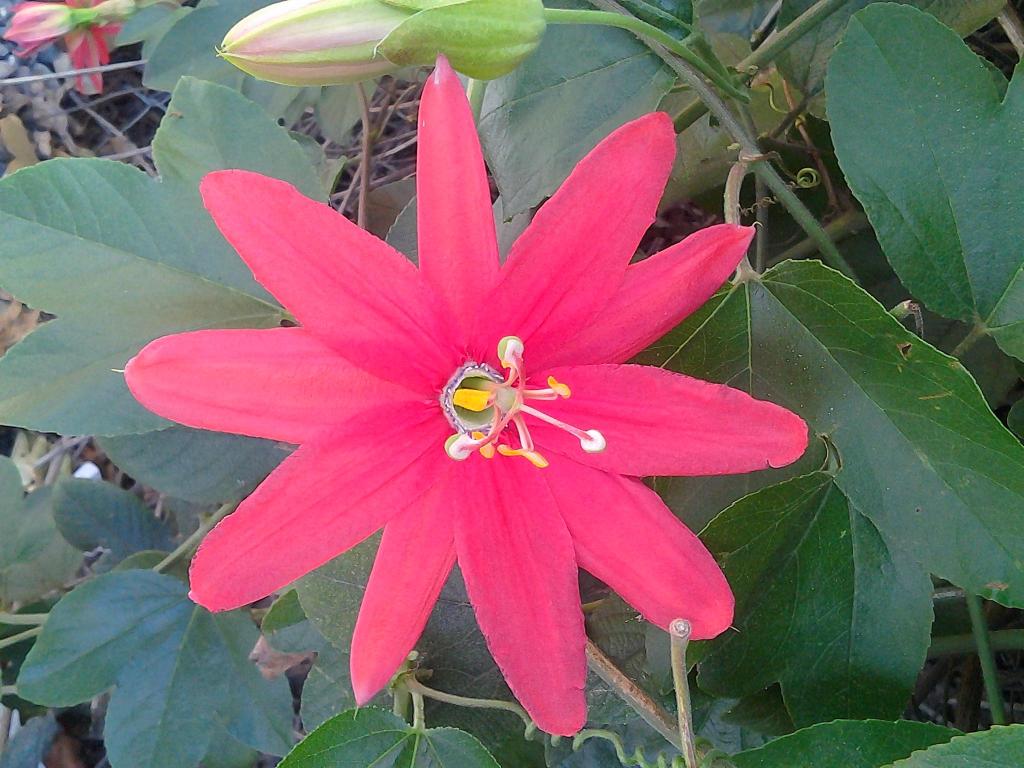


 This is not just another mandevilla. Well, maybe it is. Mandevilla laxa is special though. It is known as Chilean jasmine because, unlike other mandevillas, it is so delightfully fragrant, particularly on warm summer evenings. Some say the fragrance is similar to that of gardenia, but not as strong. Others say it has a bit of vanilla mixed in. Sporadic bloom continues through most of summer.
 ‘Alice Dupont’ mandevilla that was so popular through the 1980’s was already a cool vigorous but not too overwhelming vine, with big clear pink radial flowers. It grows rather vigorously to upstairs eaves, and tends to get bunched where it reaches the top of its support. Modern cultivars with red, white or bright pink flowers are more compact and tame, and can stay below downstairs eaves.
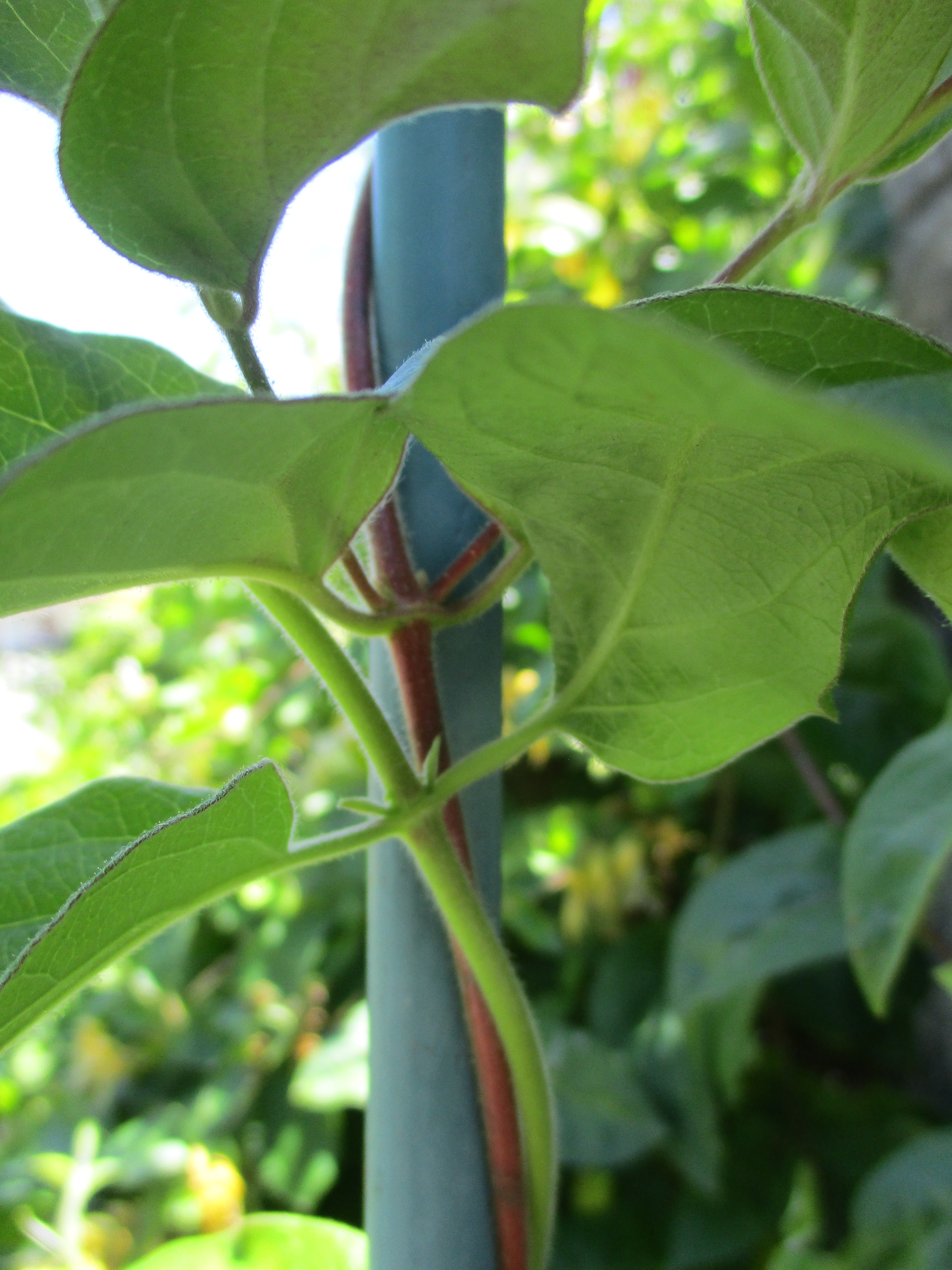 Urban homes are innately close to other urban homes. Newer homes are even closer to each other than older homes are, and are more imposing. Establishing or maintaining privacy can be a challenge, especially for high windows in narrow spaces. Even though home builders prefer to place windows strategically, some windows invariably face into neighboring windows or gardens.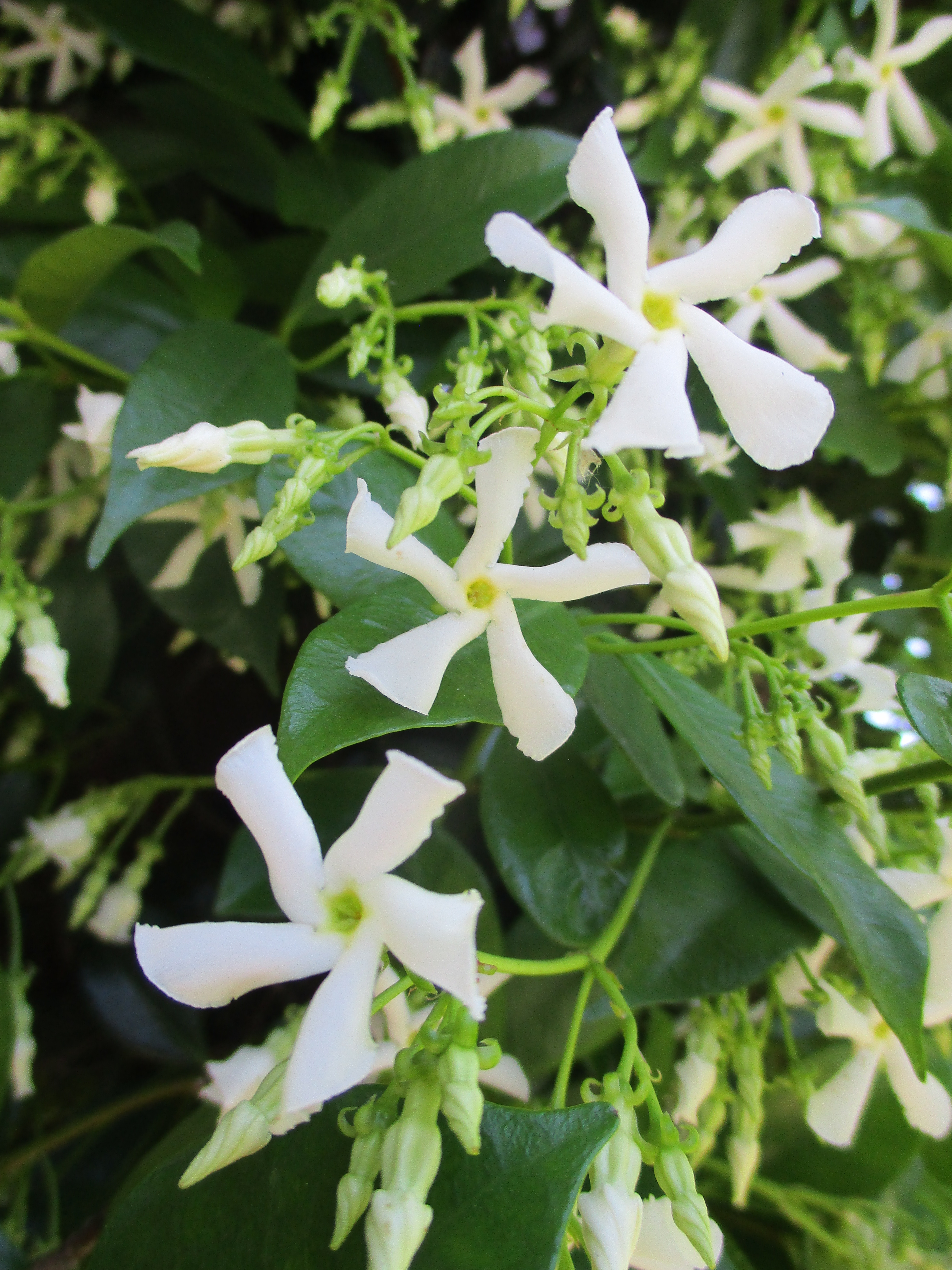
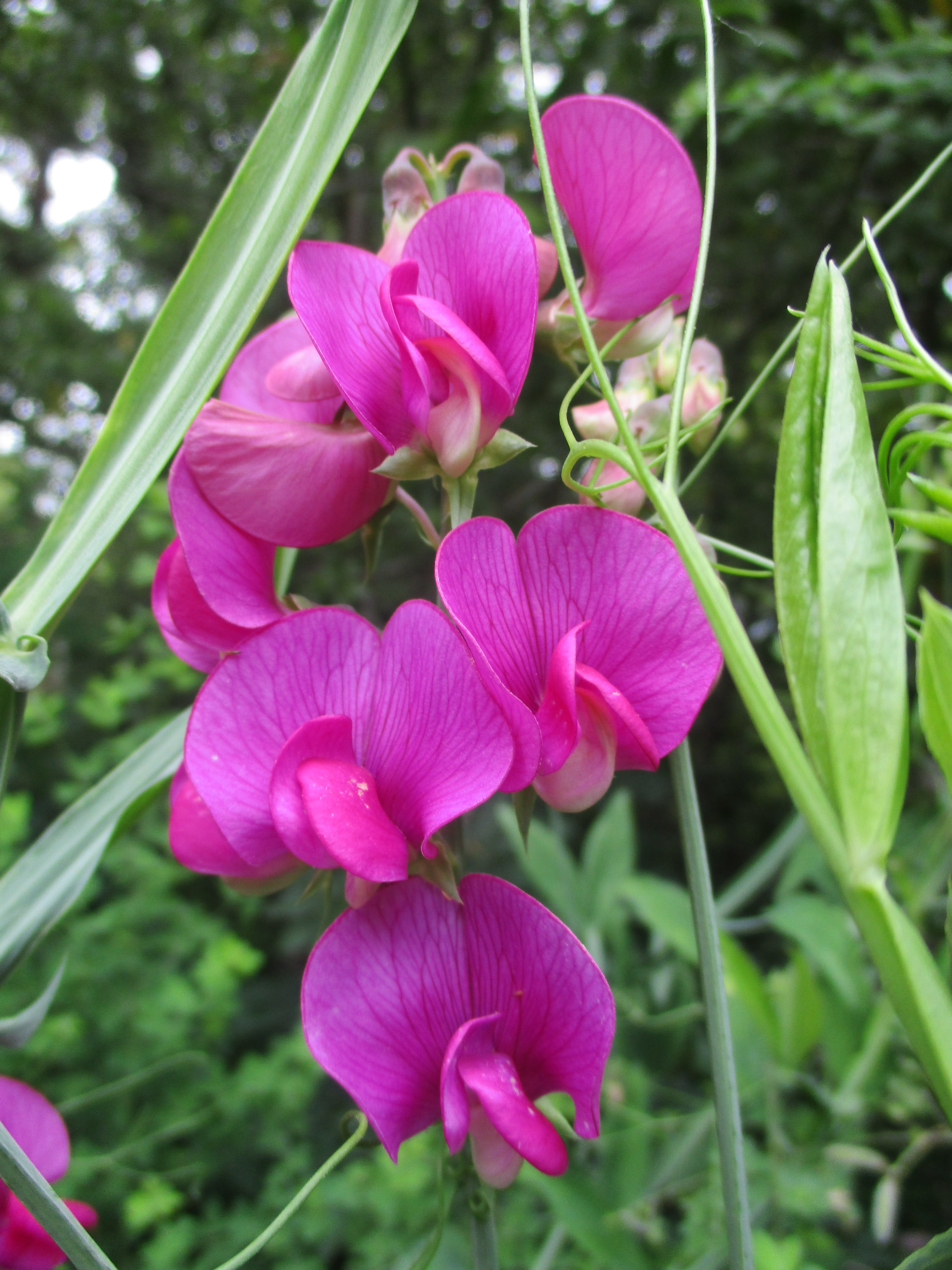 Most of the familiar vines really are exploitative bullies. They shade the same trees and shrubs that they climb for support. Some will even strangle and kill those who make it possible to get where they want to be. If they do not find trees or shrubs to victimize, they are likely to climb walls and ruin the paint, stucco or siding. Their aggressive nature can be a problem in landscape situations.
 Tony Tomeo