
The most familiar lawn grasses can not do what the many other grasses and grass like plants do in a garden. Lawns are mown into submission so that they can function like carpet in outdoor rooms. They certainly have their appeal and practicality, although they require very regular maintenance and generous watering.
Other ornamental grasses are grown like more common perennials, to provide appealing foliage, flowers, forms, textures and ‘motion’ as they move in even slight breezes. Most require significantly less water and maintenance than lawns do. Sedges, rushes and papyrus, although not grasses, function like grasses around ponds and in areas that are too damp for grasses to be happy.
Giant reed, pampas grass and bamboo are all notorious as invasive weeds. Giant reed and pampas grass appear and grow voraciously in some of the worst places that their seeds can get into. (Giant reed should not be planted anywhere near waterways or riparian environments.) Bamboo is not nearly as prolific, but spreads aggressively by stolons (subterranean stems) that grow very fast and potentially reach several feet.
However, where they can be contained, these three are the boldest of their kind. Giant reed grows like large types of bamboo, but fluffier, with broader undivided leaves. Pampas grass develops into big mounds of graceful foliage with billowy white or pinkish flower plumes. (Pampas grass leaves can cause nasty paper cuts, though.) The many different types of bamboo provide a variety of graceful foliage; and many provide striking form with their rigid canes. Some bamboo are low and compact. Most are tall and elegant.
Dwarf blue fescue is among the smaller ornamental grasses, forming round tufts of soft but seemingly bristly blue foliage that resembles dense bundles of pine needles. Fountain grass is considerably larger, with green or purplish foliage, and flower plumes that look like kitten tails. Hair grass is so softly textured that it barely supports its own weight, and often lays gently on the ground or leans onto other plants.
Except for giant reed, pampas grass and the various bamboos, most ornamental grasses do not need much attention. Some look better if they get cut back before they start to grow at the end of winter. Others should get their fading flowers removed. A few are deciduous, so die back over the winter. Grasses are otherwise easier to care for than any lawn and many other perennials.



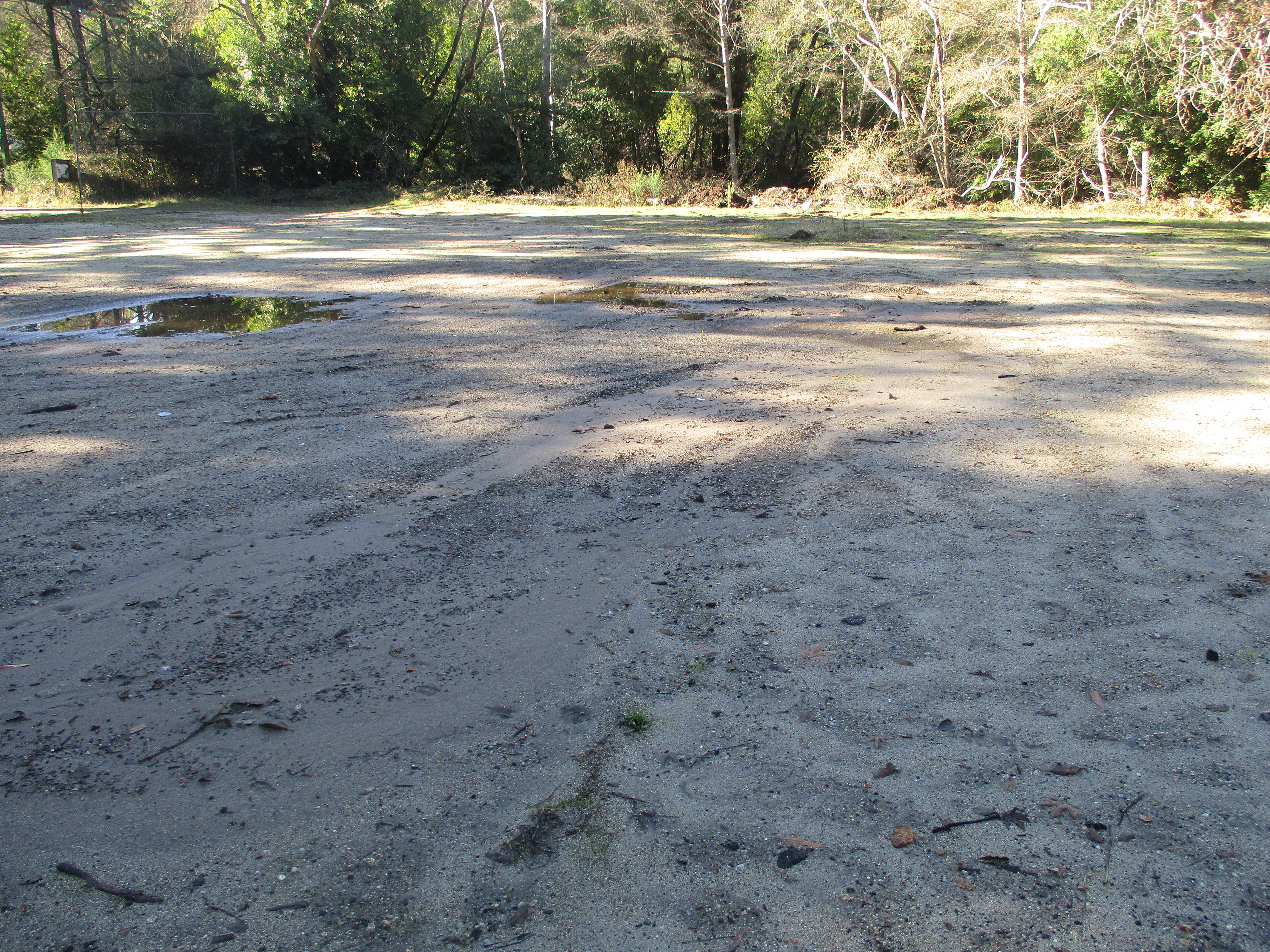 This . . . was a ball field. It might eventually be one again. The old backstop at the upper left corner of the picture is almost completely obscured under a thicket of blackberry brambles and a fallen boxelder. It would need to be replaced. So would the decommissioned irrigation system, all the bases, the basepath, the turf . . . and everything else that goes into a functional ball field.
 The lawn around the three small but gnarly oaks that were featured this morning in ‘
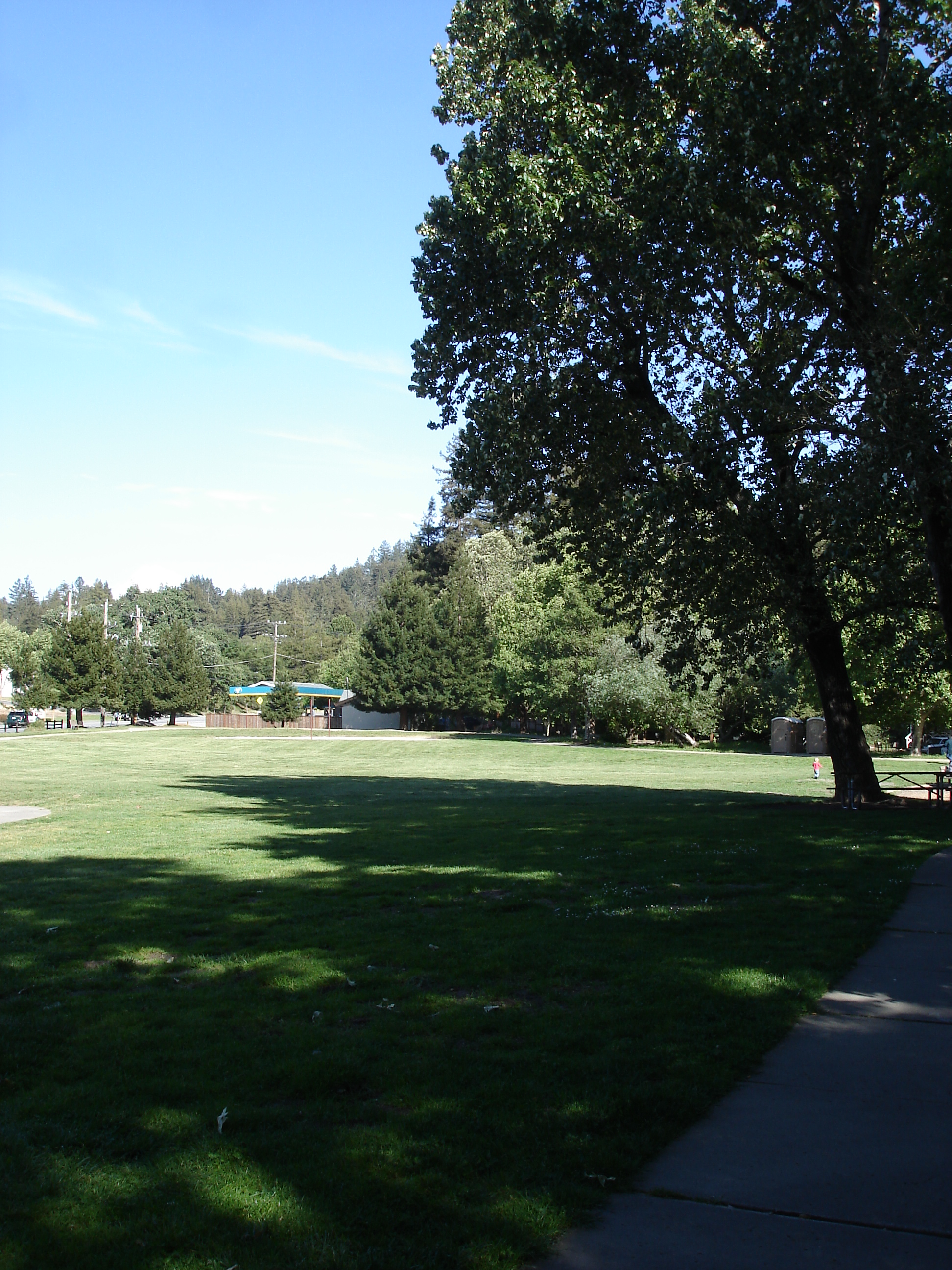
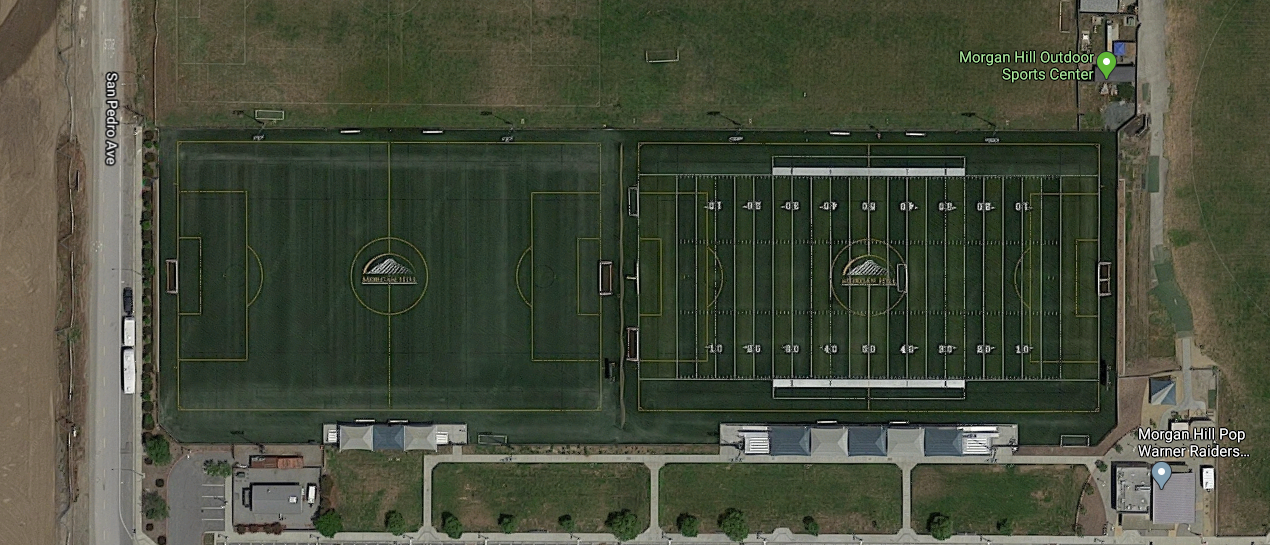
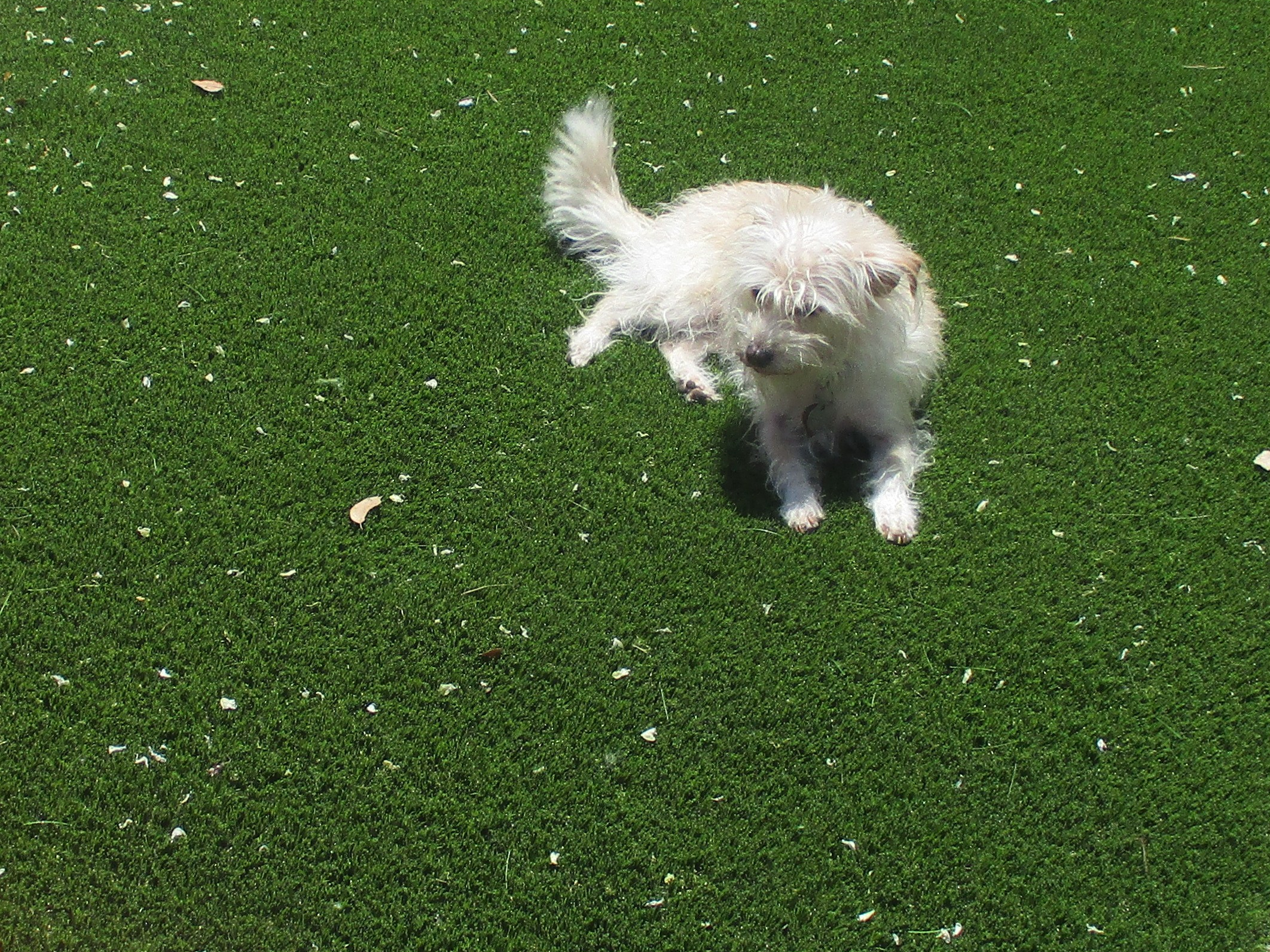 Lawn is the carpeting for our outdoor spaces. Like pavement or decking, it makes the space in or gardens useful for more than growing other plants. Since it is designed to share its space with us, we give it more ground space than any other type of plant. For what it contributes, most of us do not mind giving lawn all the water and attention that it requires. It really seems indispensable.
 Tony Tomeo