 ’Zucchini’ is Italian for ‘little squash.’ They certainly can grow to become big squash, but by then, they do not taste so good. They are best before they get to about six inches long. As they mature, they get bitter and tough, and the seedy pulp within develop an unappealing texture. Maturing zucchini also waste resources that would otherwise go to the development of more younger zucchini.
Other summer squash, as well as cucumbers, should likewise be harvested while young and tender, not only because the juvenile fruits are best, but also because the plants are more productive if regularly deprived of developing fruit. Patty pan squash should be only about three inches wide. Except for lemon cucumbers, most cucumbers should be uniformly deep green, before yellowing.
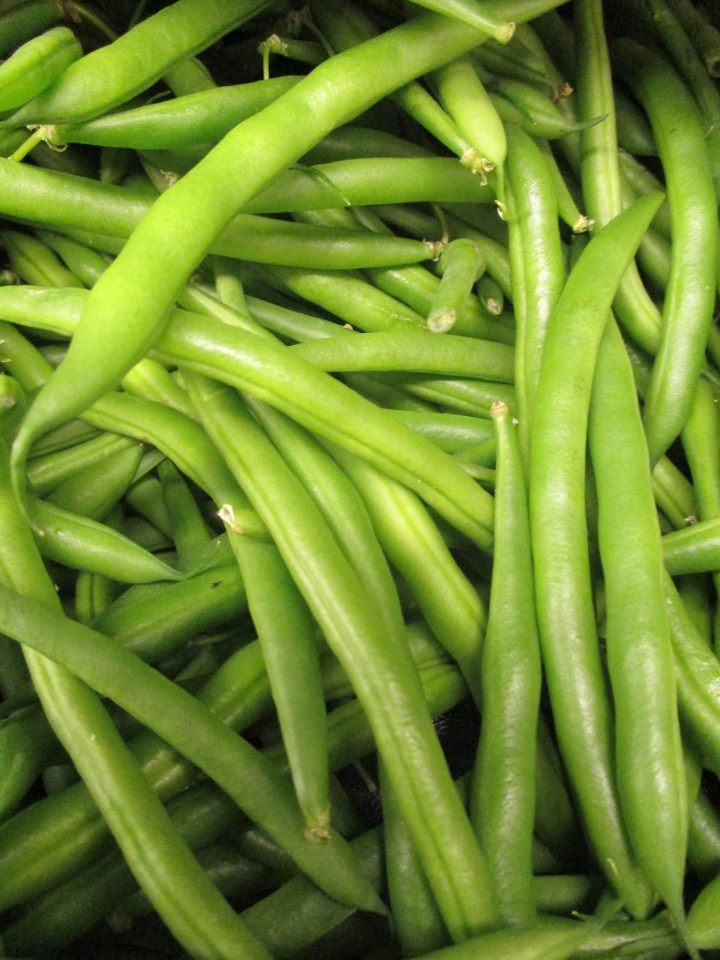
Green beans, even if they are purple or yellow or some other unnaturally weird color, should be harvested while still lean and smooth, before they get lumpy from the developing seeds within. Lumpy beans, although preferred for some types of cuisine, are a bit starchier, and a bit firmer. Just like squash and cucumber, bean vines are more productive if the fruits are harvested regularly.
Shelling beans that remain on the vines until they mature completely are of course completely different. They should probably be harvested faster than birds and rodents take them, but need not be rushed otherwise. The same applies to black-eyed peas, sunflower seeds and popcorn, or any other dried corn. However, these sorts of vegetables are uncommon in local vegetable gardens.
Fresh corn is ready when the formerly light green silk protruding from the end of each ear is brownish tan. By the time the silk dries out, or the husks start to yellow, the corn within will be starchy. Blunt ears are better developed than more tapered ears. Because it wants so much water, fertilizer and space, corn should not be as popular as it is; but some of us like it fresh from the garden.
Although, it last a good while, corn really should be eaten as soon as possible after harvest. Flavor and texture start to deteriorate as soon as the ears are separated from the stalks. Likewise, tomatoes, peppers and eggplants are best straight from the garden as soon as they ripen and get to their best color. Refrigeration slows decay, but accelerates deterioration of flavor and texture.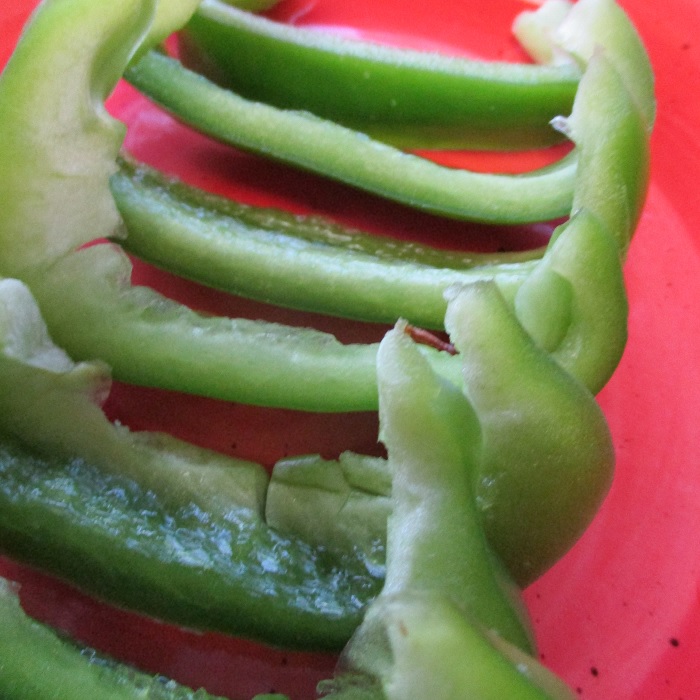
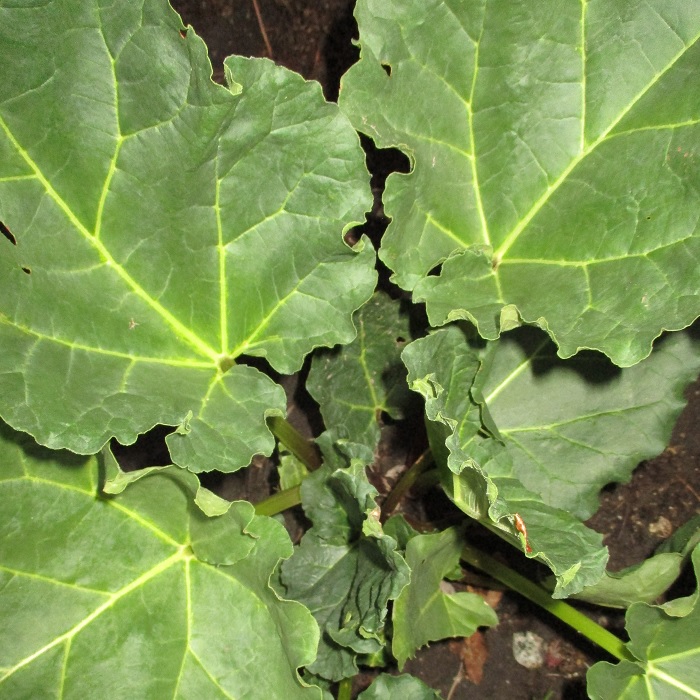 It is not easy to get a pretty picture of rhubarb, Rheum rhabarbarum. The big and sometimes flabby leaves are only impressive to those who know about the succulent petioles (leaf stalks) below. The petioles do not look like much either, until they are cooked into pies or garnet colored preserves. Shabby stalks of tiny flowers rarely bloom, and should get cut out to favor more foliar growth.
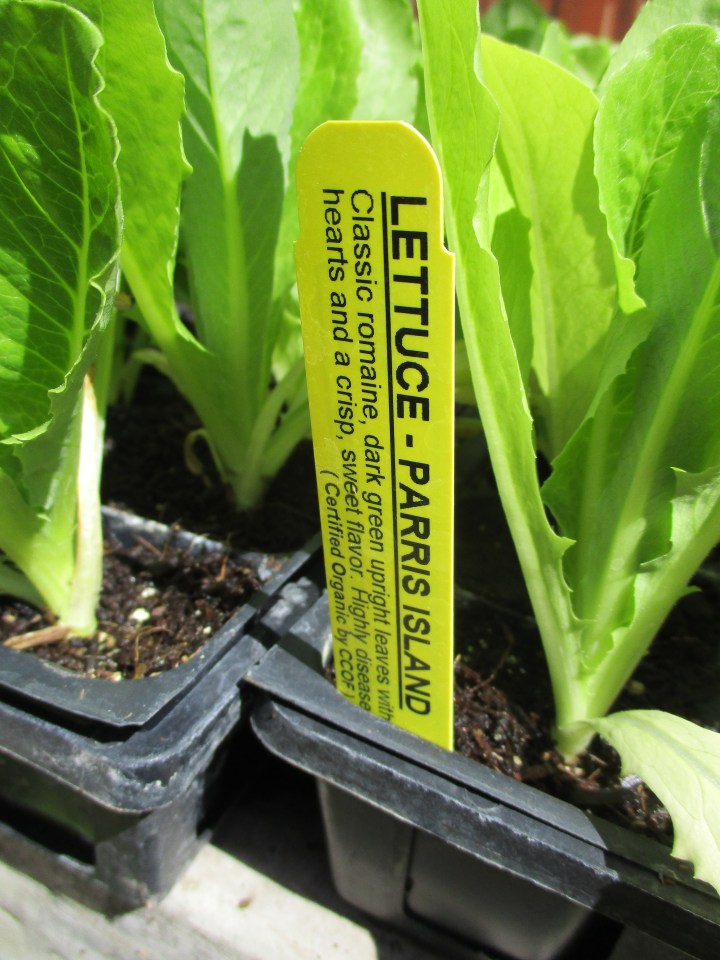 Right smack in the middle of the warm part of summer, it is already time to be getting ready for autumn gardening. This involves more than just ordering our autumn planted spring bulbs while the selection is still optimal. Most of us purchase bulbs from what is available in nurseries when they are in season anyway. Seed that gets sown in the next few weeks is a more immediate concern.
 We don’t put much effort into our compost piles. In the first pile, we dump horse manure, green waste from two cafeteria type kitchens, and a bit of the finer textured green waste from the landscapes. It eventually gets turned over into the second pile. By the time the second pile gets turned over into the third pile, it is almost ready for use. The third pile really does not last long. Neighbors take it as fast as we can.
 This is why I do not bother growing greens in the garden just yet. Wild radish grows here wild; and there is way too much of it. Most but not all of it gets mown in meadows or cut down with weed whackers on the edges of roadways. There is no need to cut down that which is out of the way. Besides, we could not cut it all even if we wanted to. There is wild turnip and mustard too. All are prolifically naturalized and invasive exotic species.
 Actually, it is a fruit. It contains seeds. Tomato, Solanum lycopersicum, is one of the most popular vegetables in American gardens. Most are red. Some are yellow or orange. A few weird varieties are pink, green, dark purple, brownish or creamy white. The largest tomatoes can get more than four inches wide. Tiny clustered ‘grape’ tomatoes are less than a quarter inch wide. There are literally thousands of varieties!
 Compared to replacing cool season annuals with warm season annuals, the replacement of cool season or ‘winter’ vegetables with warm season or ‘summer’ vegetables is not quite as traumatic. Most of the cabbage, broccoli and cauliflower plants finish in time to make room for new vegetable plants anyway. Unlike flowering annuals, they make it obvious that they are done for the season.
 A south or west facing fence is a perfect place to grow pole beans. Twine can be strung in a zig-zag pattern between single rows of partly protruding nails along the top and bottom. The spacing of the nails should match that of the pole bean plants. Bean seed sown at the base of the fence germinate and grow quickly. Vines are happy to cling to the string and climb to the top of the fence.
 Every year at about this time, there is the same concern that it is too early to put summer or warm season vegetables into the garden. When the time comes, replacing warm season vegetables with winter or cool season vegetables will also seem to be too early. Nonetheless, it is best to start the transition early so the garden will be ready for production as the weather warms into spring.
 Tony Tomeo