 Every year at about this time, there is the same concern that it is too early to put summer or warm season vegetables into the garden. When the time comes, replacing warm season vegetables with winter or cool season vegetables will also seem to be too early. Nonetheless, it is best to start the transition early so the garden will be ready for production as the weather warms into spring.
Broccoli, cauliflower and cabbage that are in the garden now should have time to finish before warmer weather makes them bitter. If the warm season vegetable plants that will be planted in their place are adaptable to it, and if the spacing is correct, they can be planted in amongst the cool season vegetables so that they will be ready to go when the the outgoing vegetables get harvested.
Unlike most of the cool season vegetables, which are truly ‘vegetative’ vegetables, most of the warm season vegetables are actually fruits, which is why they start to develop in spring, and mature through summer. Tomato, pepper, cucumber, eggplant, corn, bean and both summer and winter squash are the most popular here. Most produce from spring to autumn. Some produce only once.
Corn and other vegetable plants that produce only once can be planted in phases every two weeks or so to prolong production. By the time one phase finishes, the next should be starting. Corn is more efficiently pollinated, and therefore more productive, if grown in square blocks rather than in narrow rows. Corn and many warm season vegetables should be grown from seed sown directly.
However, tomato, pepper, eggplant and maybe zucchini and other squash can be planted as small plants from cell packs, because only a few of each type are needed. A cell pack of six or eight cost about the same as a packet of seed, but all the seed in the packet are not really necessary. Besides, the small plants are less likely to be eaten by snails than newly germinating seedlings.
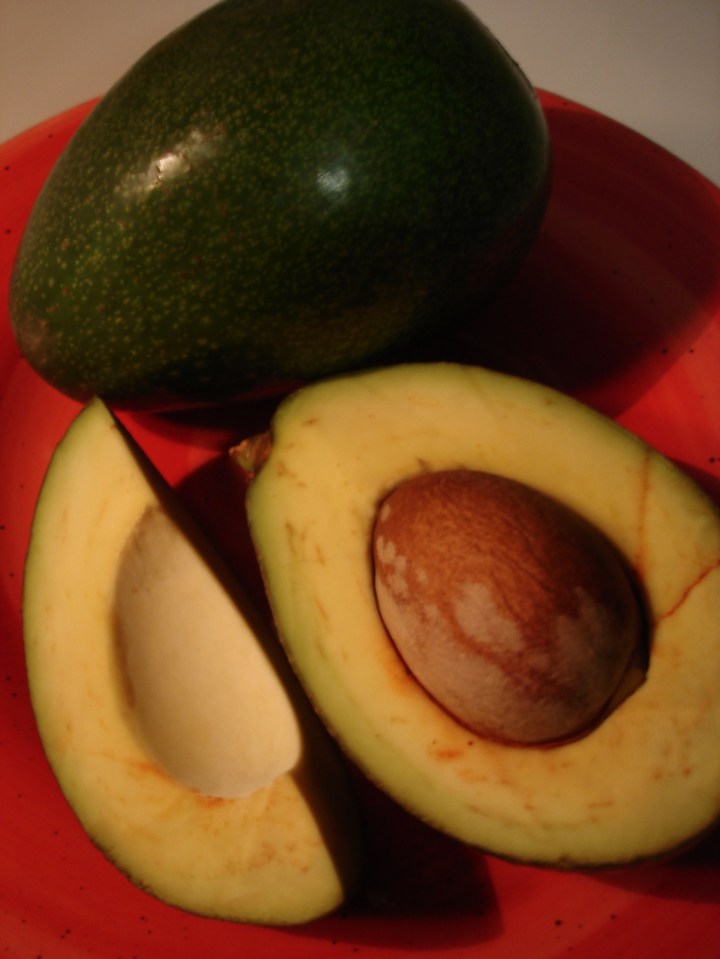 Avocado trees, Persea americana, grown from seed need to be about five years old to produce fruit that can be considerably different from the fruit from which the seed was taken, although such fruit is almost always quite good. Some trees need to be twice as old to produce. Grafted trees from nurseries are specific varieties that can start to produce their specific fruit immediately.
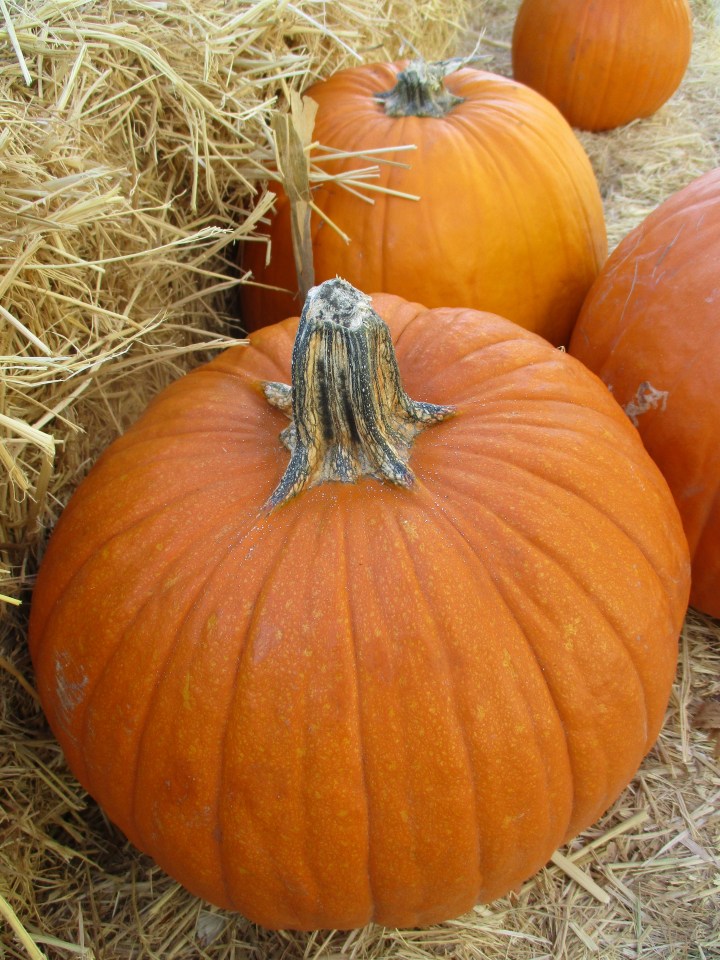 There is likely no other fruit that gets wasted quite like pumpkins. Almost all get hollowed and carved into Jack o’lanterns, illuminated from within for Halloween, and then discarded or added to compost within the next few days after Halloween. If they stay too long in the yard or on the porch, they mold or get partly eaten by squirrels. They were fun while they lasted, but the party is over.
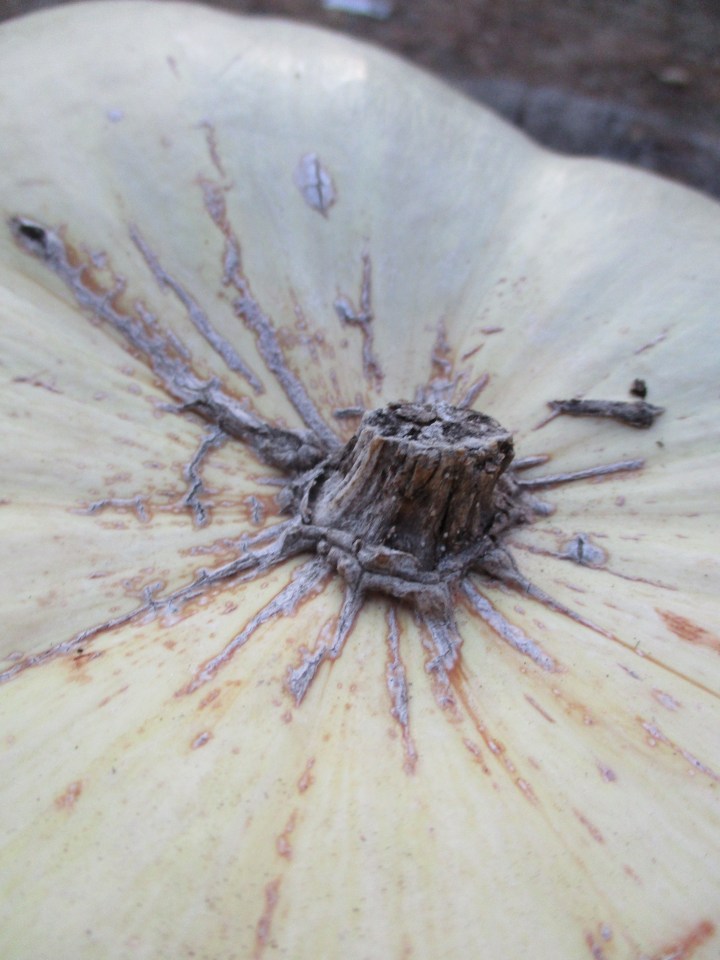 Their creamy white exteriors do not reveal much about the flavor within. They looks like they might taste like vanilla, or coconut, . . . or maybe Swiss cheese. Below the white skins, white pumpkins (Curcubita pepo) have orange flesh that really tastes like other pumpkins, but maybe a bit milder, like ‘pumpkin-light’. They are popular because they look so cool, and make great jack-o-lanterns.
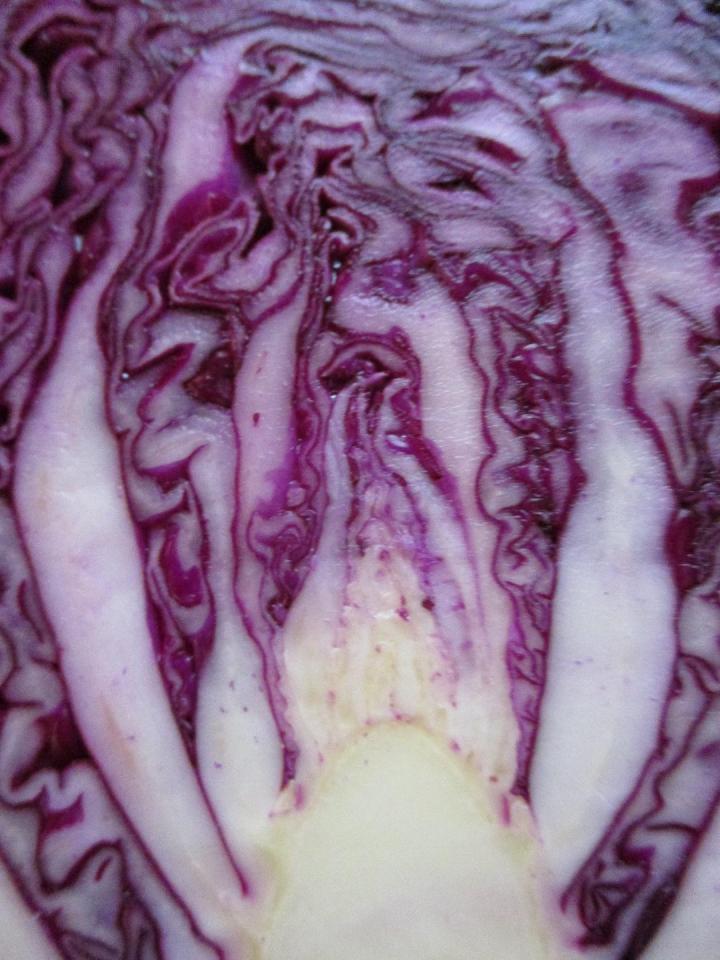 There are those of us who can grow cabbage well, and there are the majority of us who wish we could. Mild winters allow cabbage to be grown in autumn as well as in spring; but warm weather can also compromise flavor and promote premature bolting (blooming), which ruins the heads. Cabbage demands rich soil and regular watering. If the weather is evenly mild, they dig that too.
 Vegetables are annuals too, just like the flowering bedding plants that get replaced seasonally. Some are technically biennials, and a few might even have the potential to be short term perennials if they ever got the chance. Yet, for the purposes of home vegetable gardens, the warm season vegetables that produced through summer should now get replaced with cool season vegetables.
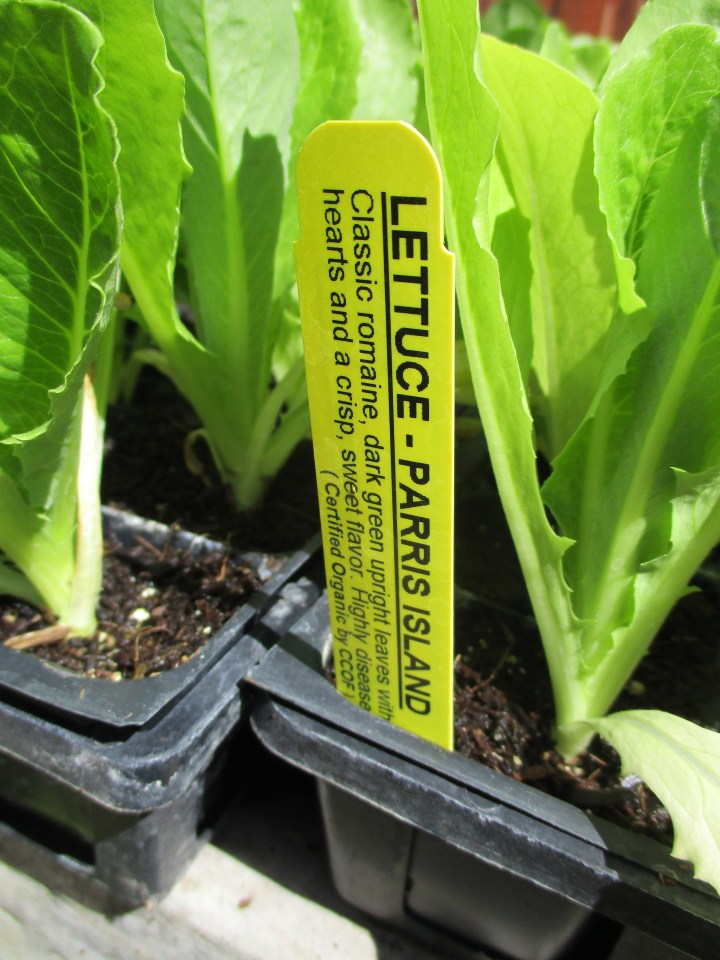 It is getting close to one of those two unpleasant times of year for the vegetable garden. It happened last spring, and it will happen again this autumn. Plants that so dutifully produced vegetables through the last season must relinquish their space for plants that will produce vegetables for the next season. In autumn, it will be cool season vegetables that replace warm season vegetables.
 How can anyone eat them? No only do people eat them, but many people enjoy them, and some even consider them to be their favorite vegetable!
