 Plants have very different priorities from those who enjoy growing them. The colors and fragrances of flowers that we find so appealing are really designed to guide pollinators. The appealingly aromatic foliage of scented geranium and other herbs is actually designed to repel hungry insects and animals. Many tasty fruits are designed for seed dispersion by animals who enjoy them too.
Pollination, dispersion of seed and self defense are all part of what plants do in nature. They must also know how to survive in their respective natural environments. Many plants survive cold arctic weather. Others survive arid deserts. Many native plants want a bit of water through winter, but know how to survive through long dry summers. Many or most natives know how to survive wildfires.
As unpleasant as it seems to us, wildfires are very natural here. Native plants lack the mobility to get out of the way, so use other techniques to survive. A few, such as the two specie of redwood, survive by not being very flammable. More know how to resprout from their roots after they burn. Even more simply regrow from new seedlings. Then there those that use fire to their advantage.
Monterey pine trees tend to accumulate combustible debris. They also produce more seed-containing cones as they age and deteriorate. When they burn, all the debris burns so hotly that most of the other competing vegetation gets incinerated. However, the dense cones of Monterey pine protect the seed within, only to open to disperse the seed afterward. It is a rather ingenious plan!
Ungroomed desert fan palms burn at least as hotly, but survive because the hefty trunks protect the buds within. Each technique works for the specie that use it, but is not safe for home gardens! This is why combustible vegetation needs to be managed around the home. The rules are different in urban areas than they are where wildfires are a concern, but they are important everywhere. Even the most combustible of native plants, as well as exotics, can be reasonably safe with proper pruning and maintenance.
 Today’s episode is brought to you by the letter ‘T’.
 What a surprise. There was none when I went in to use the computer as the sun came up into a clear blue sky this morning. When I came outside just a few hours later, it was everywhere. It was so thick and so aromatic that it was obviously very close, but it did not smell like it was in the ponderosa pines around Scott’s Valley where I happened to be at the time. Once I got on the road back to Felton, I could see that besides the monochromatic ambient smoke that obscured the surrounding hills, a prominent and much thicker brown cloud of smoke hovered low over the San Lorenzo Valley. The smoke was even thicker in Felton, and obscures the range to the west where Bonny Doon is. As I write this in Felton Covered Bridge Park, ash is falling onto the computer screen.
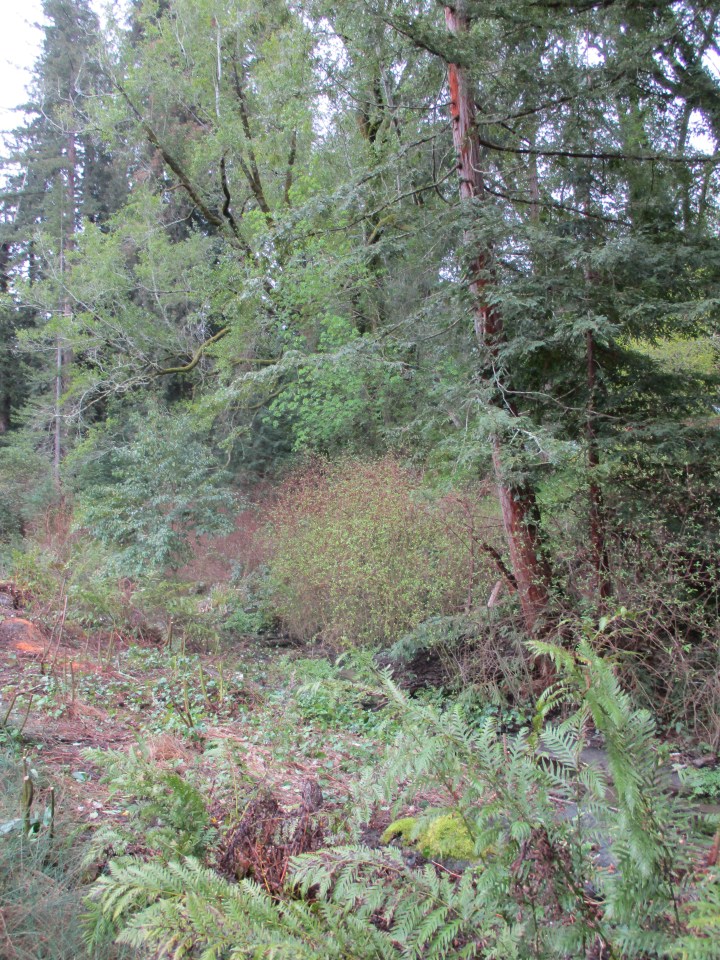


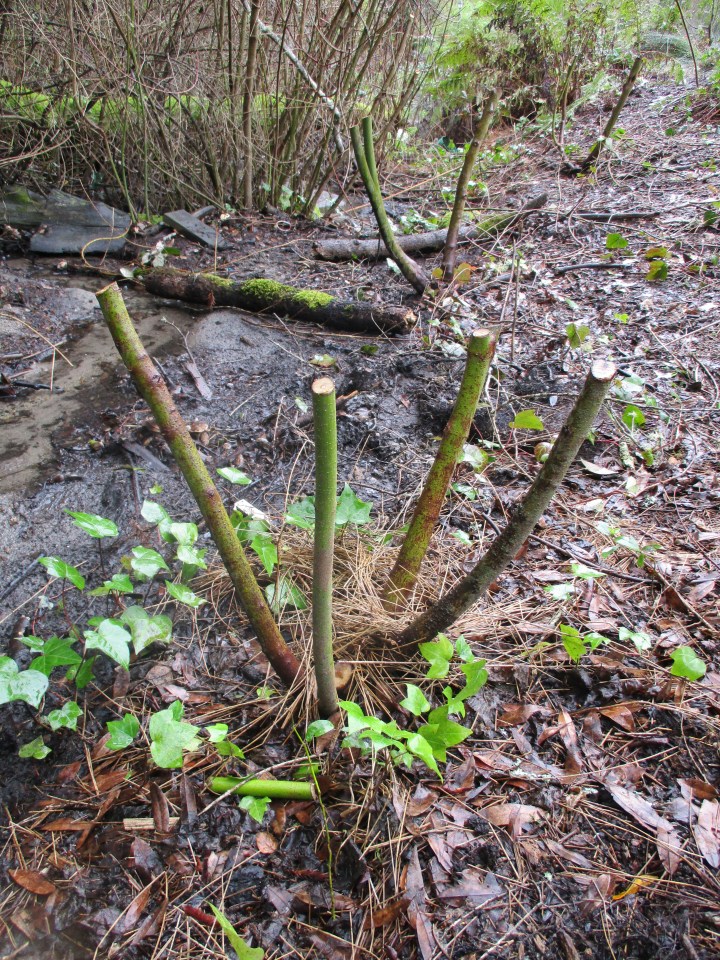
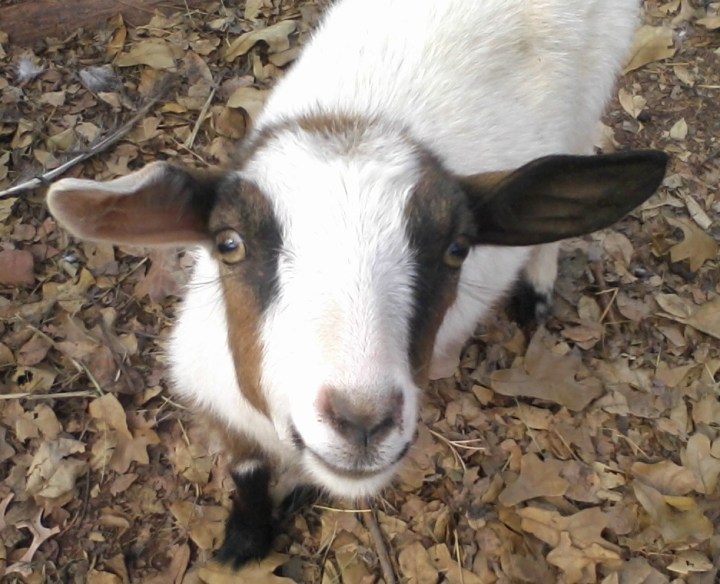
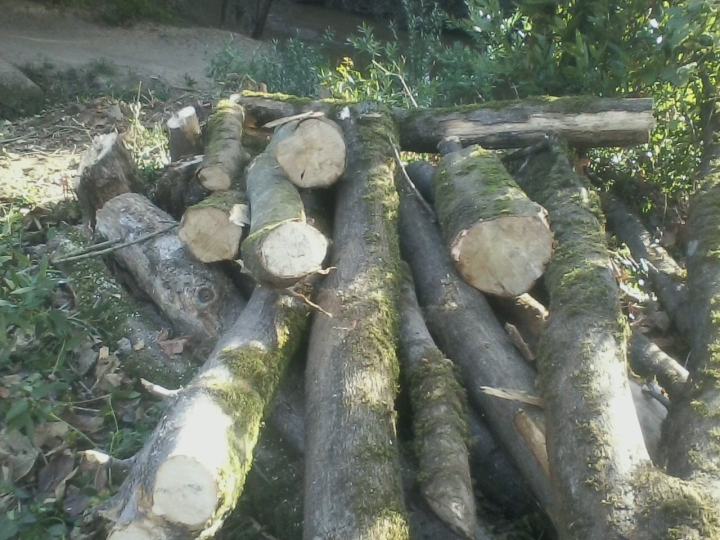 There will be no more updates after this last one for the dead box elders that had been leaning onto the historic Felton Covered Bridge. (

 Isn’t this a delightful meadow? It is located right across from the historic Felton Covered Bridge
  Apparently, someone thought that there might possibly be the remote chance of the potential for homeless people to maybe engage in activities that could perhaps be determined to be bad, right behind the Community Garden. If you look closely, you might be able to see them back there. Maybe not. (More accurate information can be found at the Facebook page of Felton League at
 Tony Tomeo