The weather agrees with the calendar this year. It is time to start replacing remaining cool season vegetable plants with fresh warm season vegetable plants. In fact, according to how the weather has been through February, the process could have begun quite some time ago. Frost, which is the limiting factor for warm season vegetables, is very unlikely this late, even if wintry rain resumes.
The past month of springy weather makes it easier to replace aging cool season vegetable plants with those that are now in season. Cool season vegetable plants obviously perform best through the cool weather of autumn and winter. They perform into spring where winters are cooler. Unseasonable warmth here accelerated their maturation. They deteriorate if not harvested soon enough.
Most of the the cool season vegetable plants produce vegetables that truly are vegetative. Most individual plants produce only once. For example, one cabbage plant produces only one cabbage. Conversely, most warm season vegetable plants actually produce fruit. Some produce many fruits through their season. Even some warm season vegetative leafy greens can produce repeatedly.
Tomato, pepper, eggplant pole beans and the various summer squash can get planted early to produce until they succumb to frost at the end of the season. Cucumber and pea do not produce for such an extensive season, so might be grown only in spring or the end of summer. Corn and root vegetables produce only once, so their seed get sown in multiple phases to prolong their season.
Corn, root vegetables and most greens grow best from seed sown directly into a garden. There is no need to start them inside here. Confinement can disfigure root vegetables anyway. Because so many individual plants are grown, it is impractical to purchase seedlings.
However, purchasing a few seedlings of tomato, pepper, zucchini and most other warm season vegetable plants is not as impractical. If only a few are desired, they are not much more expensive than seed. They are conducive to transplant, and will continue to produce through the season.
 Zucchini is probably the most reliable of warm season vegetable through summer, even when tomatoes are having a bad year. A single zucchini plant produces enough for a household. Two plants produce enough to share with neighbors. Pattypan, crookneck and other varieties of summer squash may not be quite as reliably productive individually, but can be assembled as a delightfully variable team that produces early in summer, and is just now finishing.
 What happened with the tomatoes?! In past years, they were inhibited by mild summer weather. This year, they had plenty of warmth, but did not seem to perform much better. Perhaps they wanted more humidity. Now that those that started slowly are starting to produce better, they do not have much time left before warm summer weather gets cooler towards autumn.
 The weather here is excellent for growing all sorts of fruits and vegetables, but is not exactly ideal for bell peppers. Cool nights between warm days are comfortable for us, but limit production of even the healthiest and most robust of plants. Although they like warm nights, the fruit can be sensitive to hot days, and can even get scalded. Bell pepper plants like rich soil and regular watering.
 ’Zucchini’ is Italian for ‘little squash.’ They certainly can grow to become big squash, but by then, they do not taste so good. They are best before they get to about six inches long. As they mature, they get bitter and tough, and the seedy pulp within develop an unappealing texture. Maturing zucchini also waste resources that would otherwise go to the development of more younger zucchini.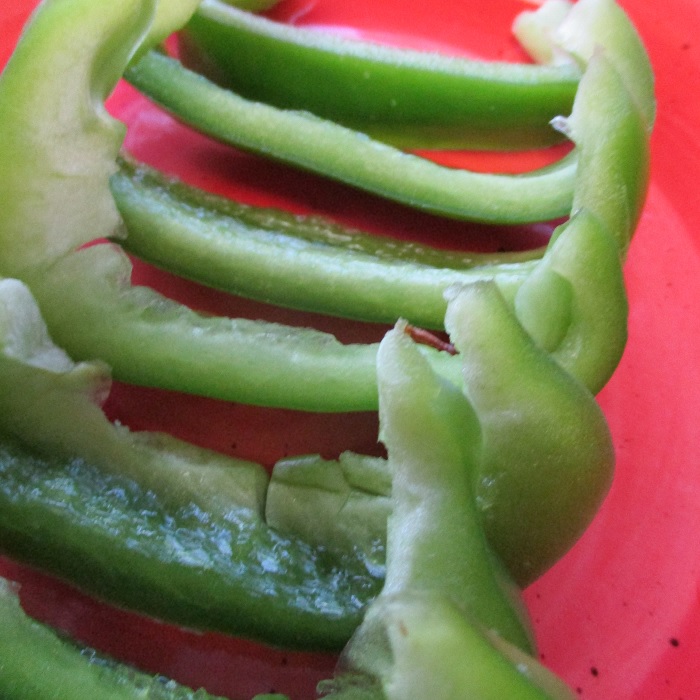
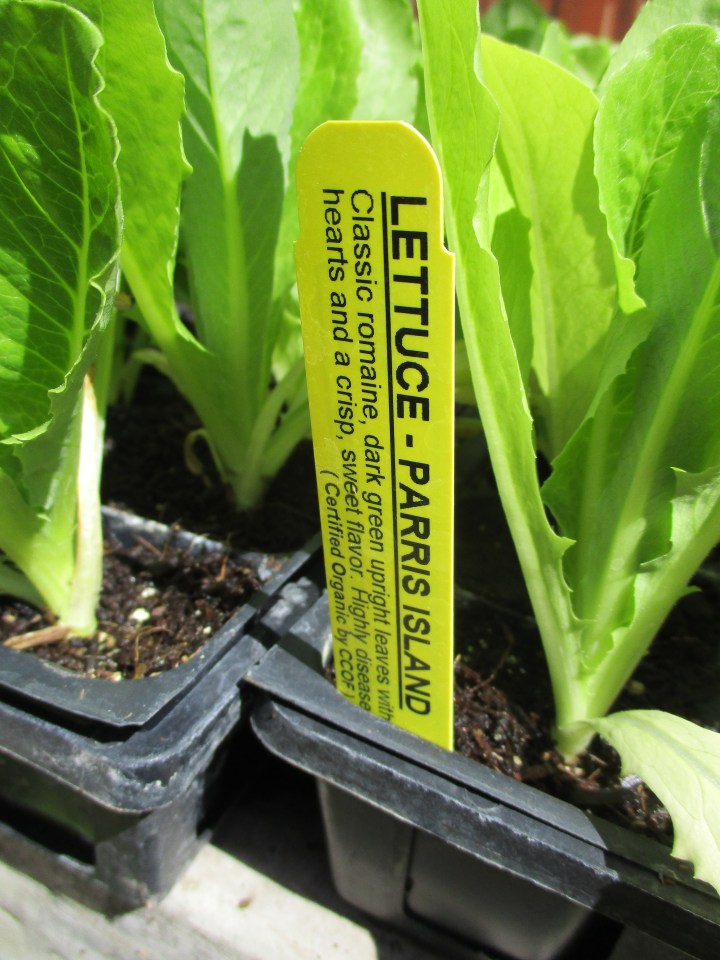 Right smack in the middle of the warm part of summer, it is already time to be getting ready for autumn gardening. This involves more than just ordering our autumn planted spring bulbs while the selection is still optimal. Most of us purchase bulbs from what is available in nurseries when they are in season anyway. Seed that gets sown in the next few weeks is a more immediate concern.
 Actually, it is a fruit. It contains seeds. Tomato, Solanum lycopersicum, is one of the most popular vegetables in American gardens. Most are red. Some are yellow or orange. A few weird varieties are pink, green, dark purple, brownish or creamy white. The largest tomatoes can get more than four inches wide. Tiny clustered ‘grape’ tomatoes are less than a quarter inch wide. There are literally thousands of varieties!
 Compared to replacing cool season annuals with warm season annuals, the replacement of cool season or ‘winter’ vegetables with warm season or ‘summer’ vegetables is not quite as traumatic. Most of the cabbage, broccoli and cauliflower plants finish in time to make room for new vegetable plants anyway. Unlike flowering annuals, they make it obvious that they are done for the season.
