
This neatly sliced prickly pear is too silly to rant about. There is another just like it. Two others were not sliced, as if, after the first two, someone realized that there was more to the roadside meadow than combustible dry grass. The prickly pear were put out there just last winter. They each extended only a single pad half a foot or so above grade, so were obscured by the grass.
Realistically, the damage is minimal and tolerable here. The priority of the crew who performed the vegetation management was to cut down all the combustibles. They did an efficient job of it. They did not expect to encounter anything that had been intentionally installed out there, or even any desirable vegetation. Besides, this prickly pear will recover as if nothing happened.
Unfortunately, damage caused by weed whackers is rarely so innocuous. Weed whackers are one of the most commonly misused horticultural power tools, and are very often used by those who are not aware of how to use them properly. They are easy enough to operate that minimal consideration is given to the potential for damage that they can cause. It is a bad combination.
Because weed whackers are often and improperly used to cut tall grass that is too close to trees for lawn mowers to cut, they commonly strip off bark and cambium from young tree trunks. A tree can not survive without its cambium, and quickly dies if too much is stripped away from the base of its trunk. That is why it is very important to pull weeds from around trees instead.
For now, there is nothing to do for the two sliced prickly pear. The bud to the upper right corner of the pictured specimen is beginning to develop into a new pad.


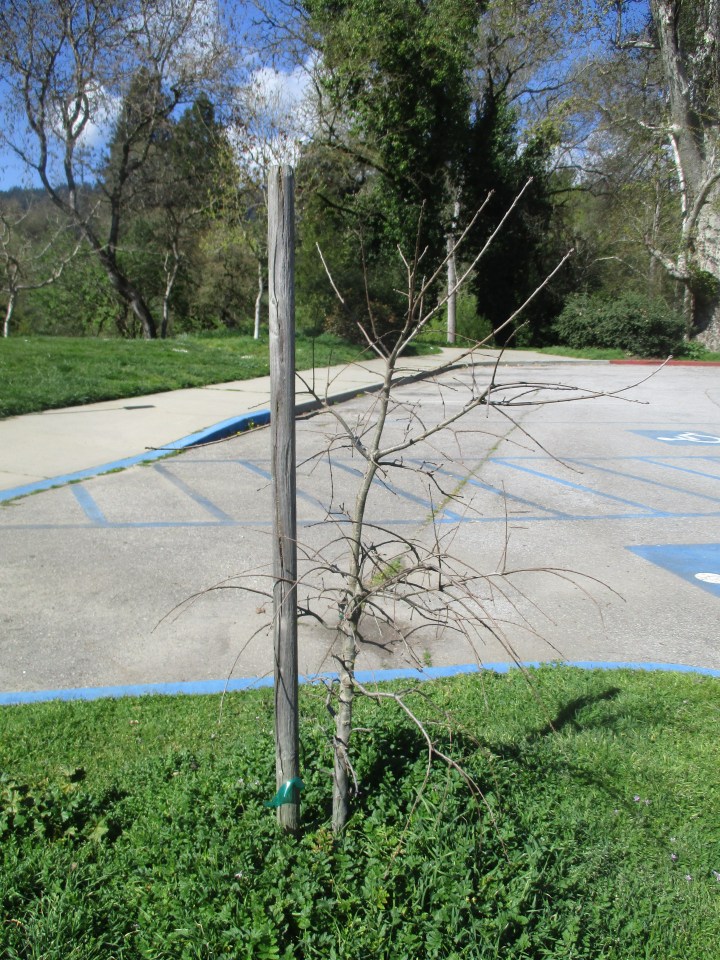
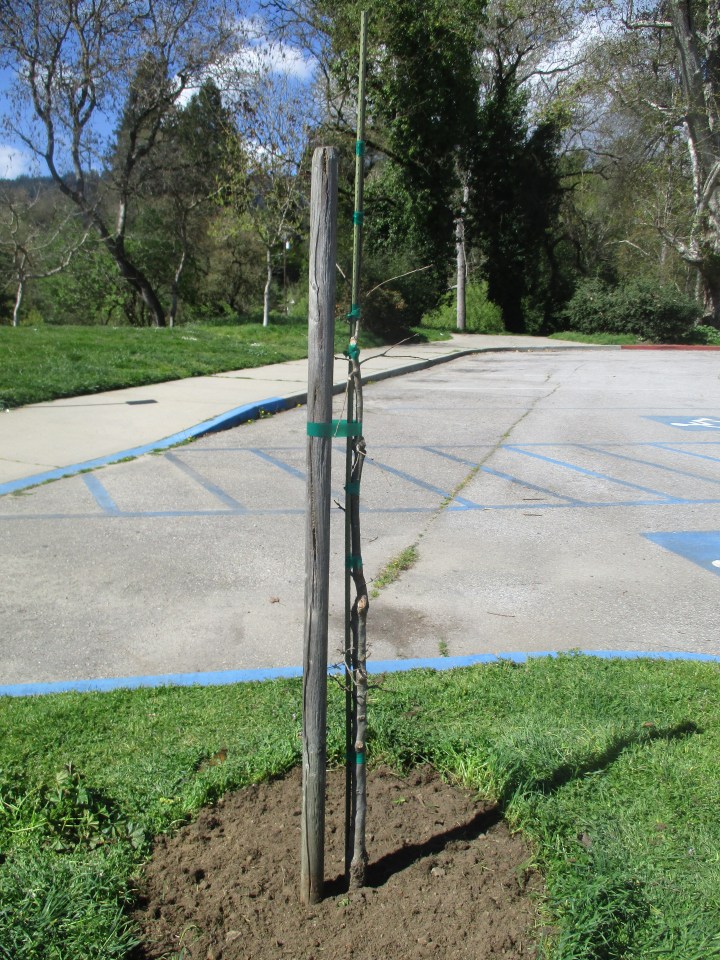

 The coloring of foliage is a bit slow this autumn. The cooling nights after such warm weather is bringing some of the deciduous foliage down while it is barely yellowing. Honeylocust and black oak have already gotten notably sparse without much notable color. Hopefully, the more colorful sweetgum, flowering pear, pistache and gingko trees will retain their foliage later into cooler weather, so that they can put on a worthy show before filling compost piles.
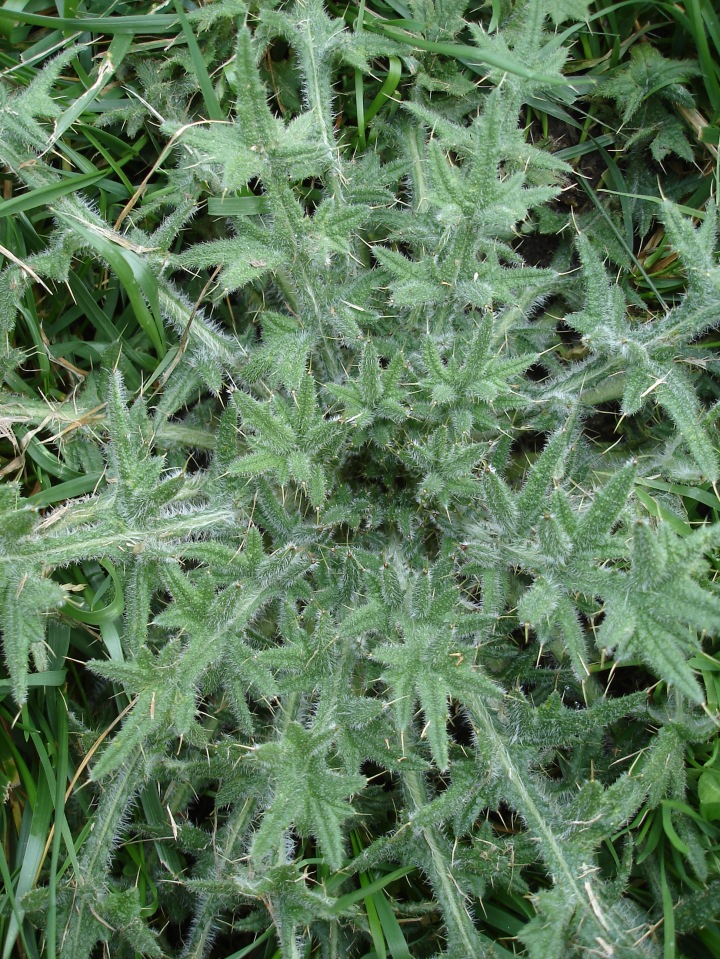 Some of the biggest and nastiest weeds are thistles. The most common is annual sowthistle, which can get taller than four feet in just a few months. It is relatively easy to handle, since the bristly foliage and stems are somewhat soft, almost like coarse lettuce. Blessed milkthistle is much nastier, with sharp foliar spines that can penetrate boots! It can get more than five feet tall and broad!
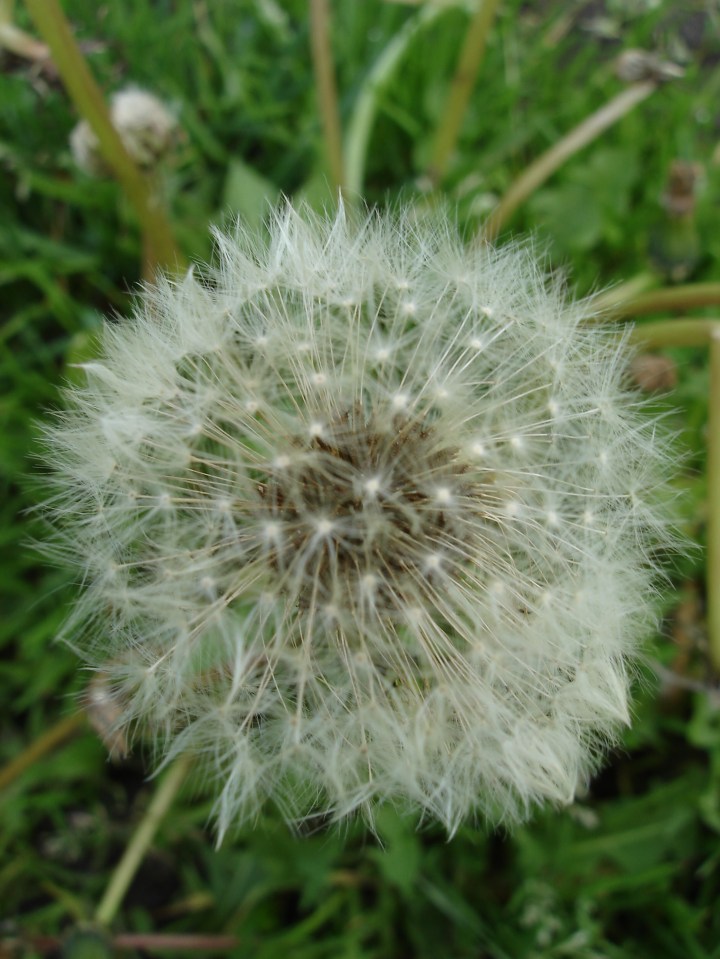 Spring brings out the best and the worst in the garden. While warm season annuals and vegetables are getting established, so are a variety of weeds. Just like other annuals and perennials, they respond to the changing weather. Cool weather and moisture stratified their seed through winter. Warming moist soil prompts germination. Warm and sunny spring weather promts rapid growth.
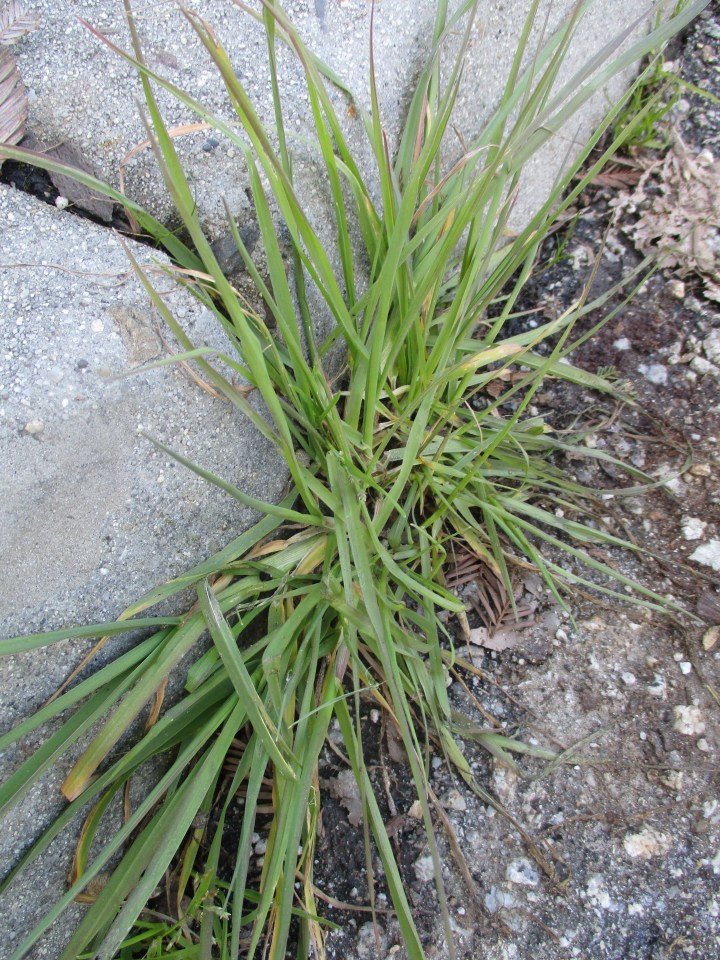 Not many of our favorite plants grow like weeds. We must help most of them along, and give them what they want. A few might naturalize and perform well on their own, but if they do too well and become aggressive or invasive, they too become known as weeds. Although we might prefer some of our favorites to be easier to grow, we are probably fortunate that more do not do too well.
 Tony Tomeo