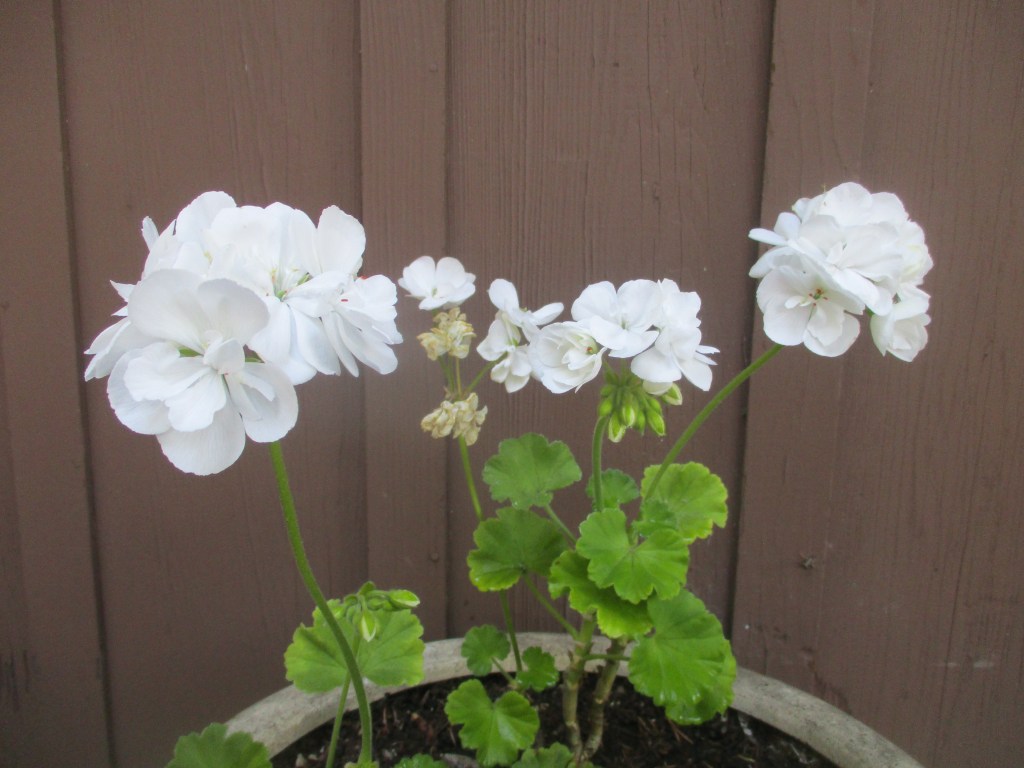
Six on Saturday: Naked or White or Dead

Three of these six are naked ladies, Amaryllis belladonna. Two of these six bloom white. Three of these six need deadheading. Three qualify as two categories. Two qualify as one category. One qualifies as none. None qualify as three. Alternatively, three are lily of the Nile, Agapanthus orientalis, two bloom blue, two bloom pink, and three do not yet need deadheading.

1. 1 – dead but neither naked nor white. Lily of the Nile, with few exceptions, is in need of deadheading at this time of year. All but one cloned colony here are mixed blue varieties.
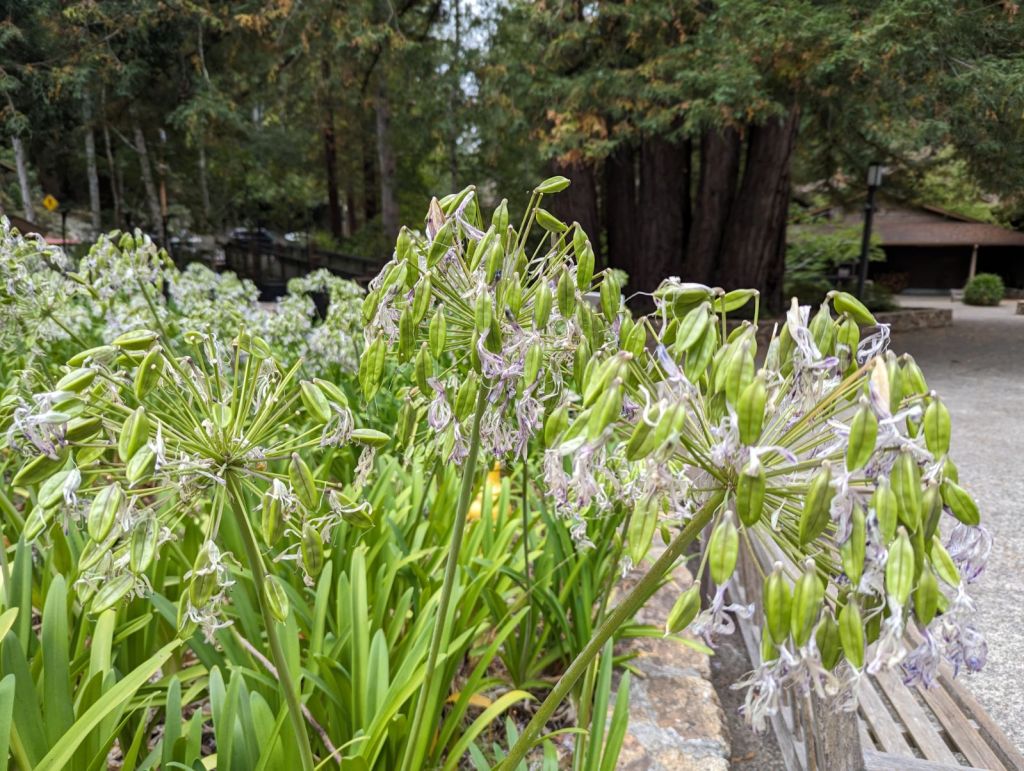
2. 2 – white and dead but not naked. This deteriorating floral truss is one of merely three that bloomed within the one cloned colony of white lily of the Nile. This colony is young.
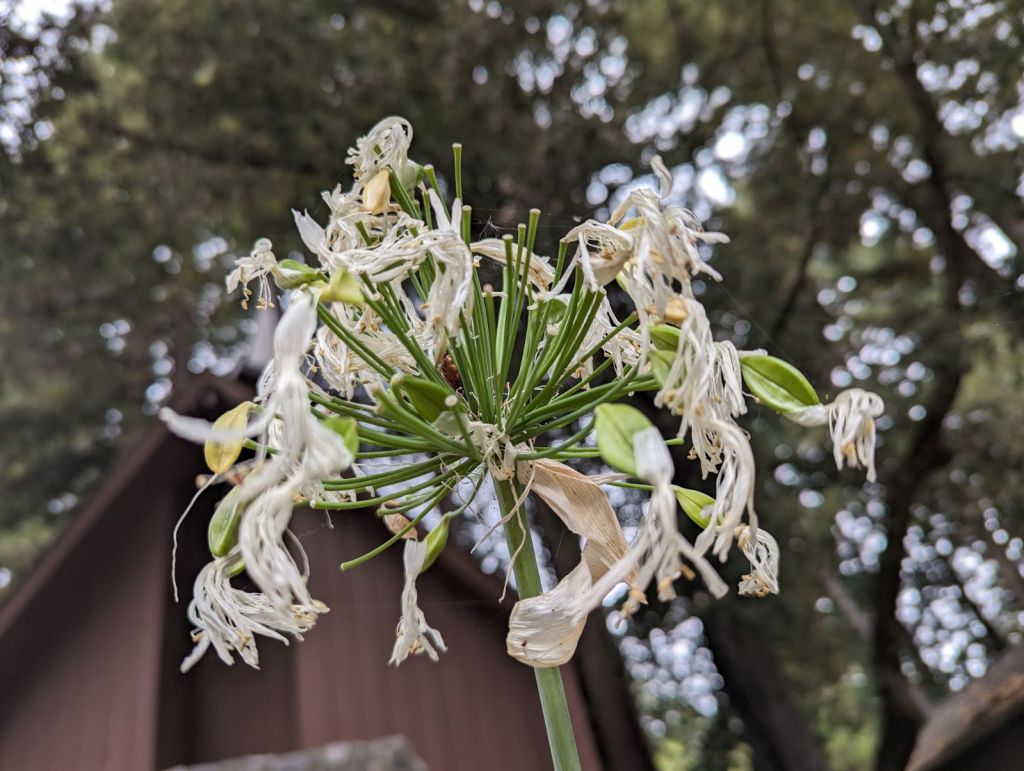
3. 0 – not naked, white or dead. This is the lowest score because bloom deteriorates a bit slower in the shade. Blue lily of the Nile could score no more than a single point anyway.

4. 2 – naked and dead but not white. This is the common naturalized naked lady here. It bloomed annoyingly bright pink, but is not the brightest pink. It should be deadheaded.

5. 1 – naked but neither white nor dead. This is a brighter pink naked lady that is not yet in need of deadheading because it blooms a bit later. It has slightly stouter brown stems.

6. 2 – naked and white but not dead. This is merely one of three highest scores, but is my favorite! I had wanted a white version for a long time. It seems to bloom late like #5, but blooms on a green stalk like #4. Its primary bulb already generated four pups, so will be relocated to a more prominent location to develop as a colony. It will not bloom much if split annually, but will multiply most efficiently by such technique. I want more of them!

This is the link for Six on Saturday, for anyone else who would like to participate: https://thepropagatorblog.wordpress.com/2017/09/18/six-on-saturday-a-participant-guide/
White Perennial Pea

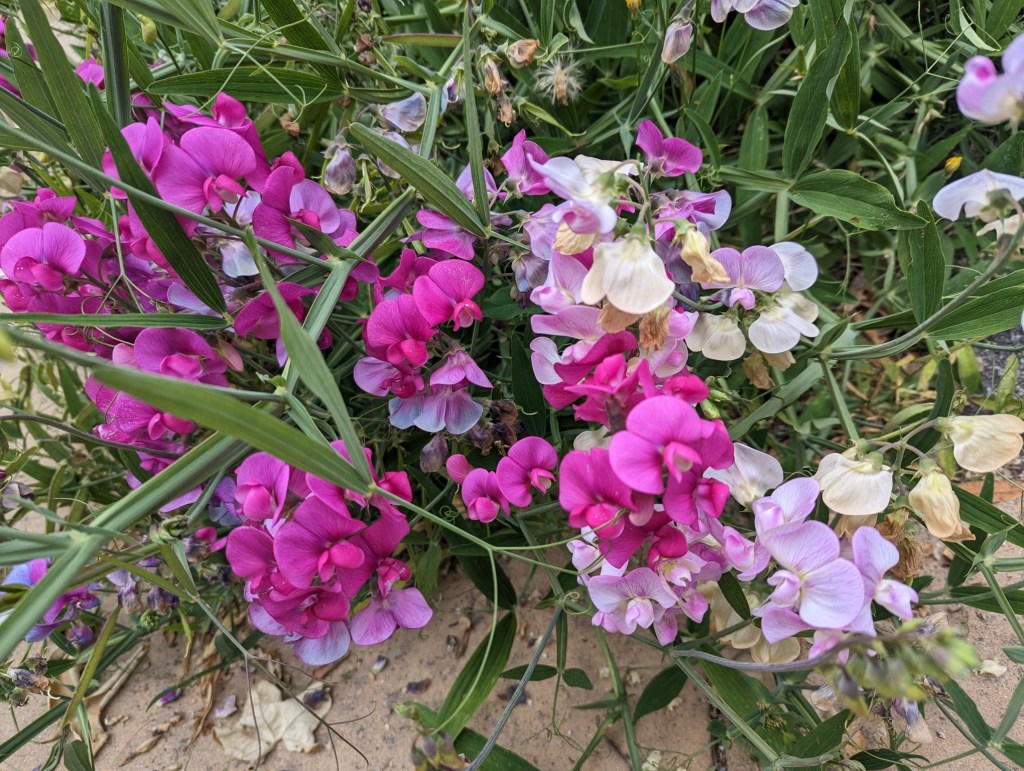
Bright pink, light pink, but no white here.

Perennial pea is a somewhat naturalized exotic species here. It may not be aggressively invasive enough to be classified as a weed though. However, I would classify some of it that I can not exterminate from at least one of our landscapes as weeds. Once it gets established, it is very persistent.

It seems to prefer to grow on roadsides or fences. It is not so common in flat open spaces. It rarely gets big enough to overwhelm or otherwise damage other vegetation. It dies back when the weather gets too inhospitable for it. It regenerates when the weather is more comfortable.

Perennial pea certainly is pretty. Almost all of it blooms with typical bright purplish pink flowers. A few uncommon specimens bloom with variations of lighter pink. White is even more rare. Only red is more rare than white. I have never seen it growing wild. Although seed for red perennial pea is available, I know of no one who has actually grown it.

Therefore, until someone can prove that red actually exists amongst naturalized perennial pea, white is the rarest color. It might also be my favorite. I can not decide. White is my favorite color. Also, perennial pea happens to look great in white. Yet, the familiar obnoxiously bright pink is so typical of the species. It is the color that everyone expects to see growing wild on local roadsides.

I was fortunate to find a specimen at work that blooms white. I grew a few copies of it, but kept them canned. I shared some with colleagues in other regions until only two remained here. I was not too alarmed when these last two were overwhelmed by other vegetation and died, since I thought I could grow more copies from the original specimen. That was until I found that the original was destroyed by excavation to mitigate erosion from last winter!

I believe that another specimen that blooms white lives nearby. Its particular colony has already finished bloom for the season. I must therefore wait for it to resume bloom, or look for errant bloom through winter. After getting so involved with it, perhaps it really will be my favorite.

Is Phlox A Weed?

Phlox seems to be right at home here now.

When it first appeared within one of the landscapes at work four years or so ago, I was not sure of its identity. I guessed that it was some sort of phlox only because it resembled phlox that I had seen in mail order catalogs many years earlier. No one knows where it came from or how it got there. Some sort of Campanula arrived within the same garden only a year or so earlier, and worked out nicely. Therefore, we decided to give what we thought was phlox the same chance to perform.

It performed splendidly! It matured rather quickly, and happened to fill a prominently bare spot. Its bloom is pure white and delightfully fragrant. After getting cut back for winter, it regenerated for spring.

Then, we started noticing that it had seeded while no one noticed. A few seedlings were appearing nearby. At first, we were pleased, but also concerned that it could become invasive. I pulled a few seedlings up from where I did not want them to grow, and was able to relocate them to better situations, but was not sure if I should have done so.

Fortunately, like the campanula, this new plox seemed to want to cooperate. After getting established, it did not seem to be invasive.

Now, it is one of my two favorite perennials within its particular landscape, along with Gladiolus papilio. I am confident that we can allow it to bloom fully without dispersing too many seed afterward. I am very fond of the strikingly bright white bloom and its rich fragrance. It would be great if more feral species developed as assets to their gardens instead of as weeds. I am pleased that we gave this phlox its chance to perform, and will likely relocate more to other landscapes.

White Bloom Brightens Cool Shade

White might be an acquired taste.

White and black are supposedly opposites. White is a combination of all wavelengths of visible light. Black is a complete absence of such light. In other words, white is a mixture of all colors, while black is the absence of any color. This seems contrary to the common perception of white as a complete lack of color, and black as a complete mix of all colors.

It actually makes sense. The two really are opposites of both each other and themselves. This is about horticulture though, rather than physics. Black is quite rare as a floral color. White is not. The vast majority of flowers do not rely on color to attract pollinators, so are green or brown. Otherwise, most other prominent flowers in many ecosystems are white.

Like inconspicuous green and brown flowers, many white flowers exploit wind more than pollinators. Such flowers are generally profuse, but mostly diminutive and unimpressive. Other flowers that appear to be white utilize infrared or ultraviolet colors that are invisible to people, but colorful to nocturnal pollinators. Some of them are pale during the daytime.

Otherwise, the majority of white flowers that are popular within home gardens are just as flashy as their nonwhite associates. For many types of flowers, such as roses, camellias, azaleas and the countless types of annuals, floral color is more variable than floral form. White is simply another option for color. It serves various specific and practical purposes.

While brightly colorful annuals are appealing within sunny and exposed situations, white flowers brighten darker situations. They contrast nicely with dark green foliage and richly colorful flowers. Petunias that might be a bit too deep purple for a particular situation can mix with similar but white petunias to be more harmonious. White can be a buffering tint.

Colors should preferably be appropriate to their particular applications. Such selection is more aesthetic than horticultural. Some plants, such as gladiola, petunia, calla, oleander and some lily, excel at white bloom. Bougainvillea and crape myrtle excel at richer color.

Six on Saturday: White Trash III+

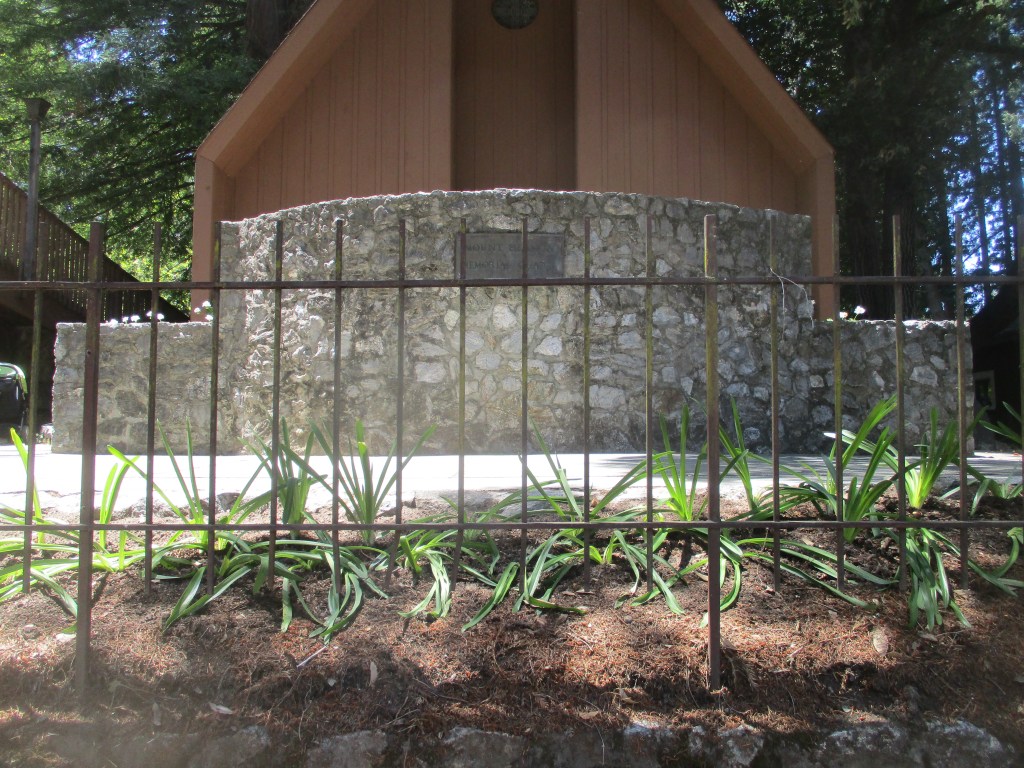
White is my favorite color, which is why I have featured exclusively white flowers for Six on Saturday at least twice already. I recycled the title of the older posts for this new post because it is less objectionable than the title of another post that expresses my proclivity for white. The first three of these six are from the exclusively white garden of El Catedral De Santa Clara De Los Gatos, which is actually the Mount Hermon Memorial Chapel, or simply the Chapel. For these first three, the direct sunlight was not conducive to pictures of good quality. The other three are from a small garden of mixed colors across the road. Incidentally, the garden adjacent to the exclusively white garden includes various colors, including various Pacific Coast iris, but any new plants there will bloom exclusively blue.

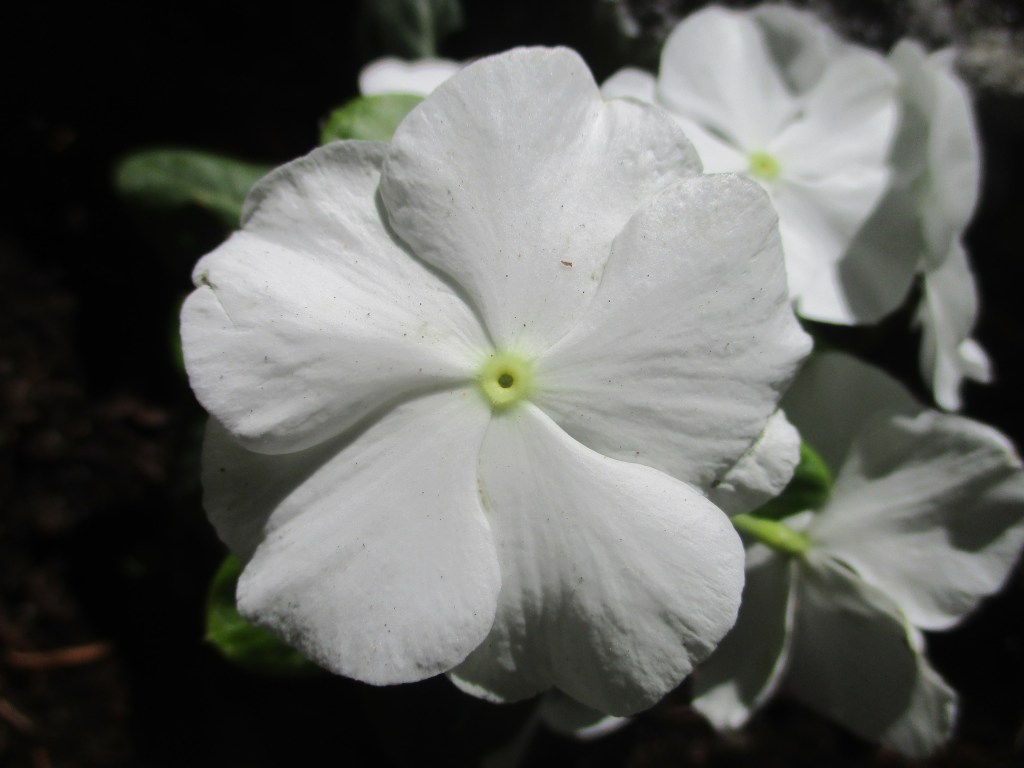
1. Catharanthus roseus, Madagascar periwinkle, was hastily installed to replace petunia that desiccated as redwood roots sneaked in from below to abscond with their moisture.

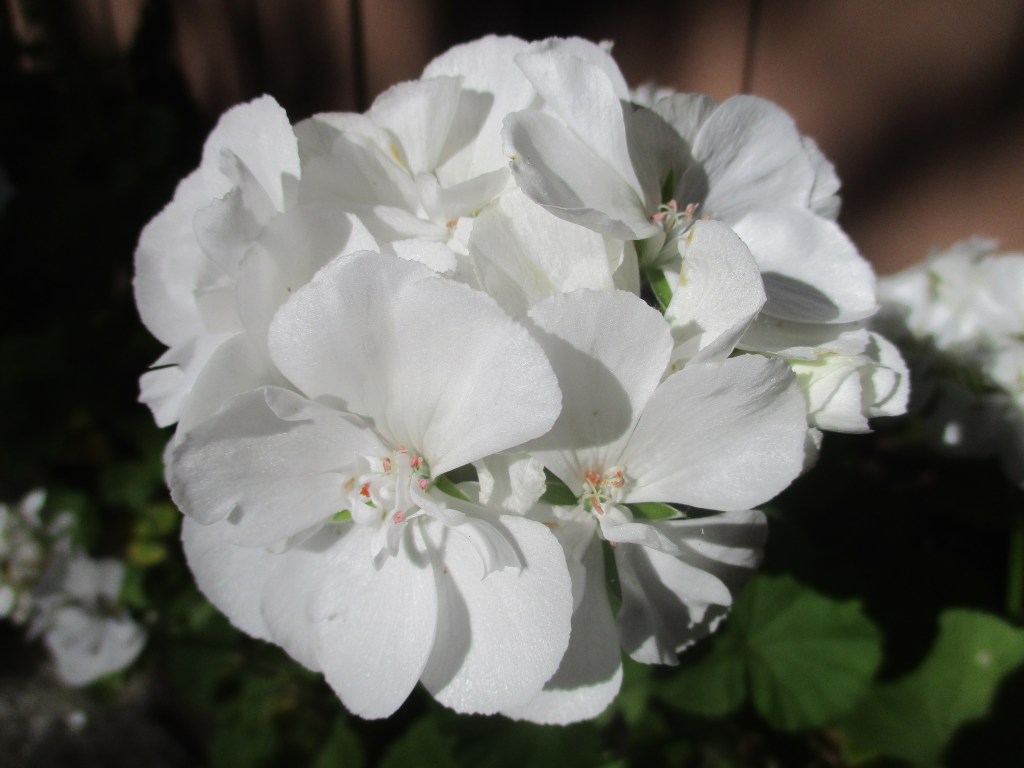
2. Pelargonium X hortorum, zonal geranium, was likewise hastily installed for its quick white bloom, but a few years earlier, and performed well enough to propagate and share.

3. Brugmansia candida, angel’s trumpet, is a copy of an old specimen at the Santa Cruz Civic Auditorium, which inhabited my mother’s garden, but then needed to be removed

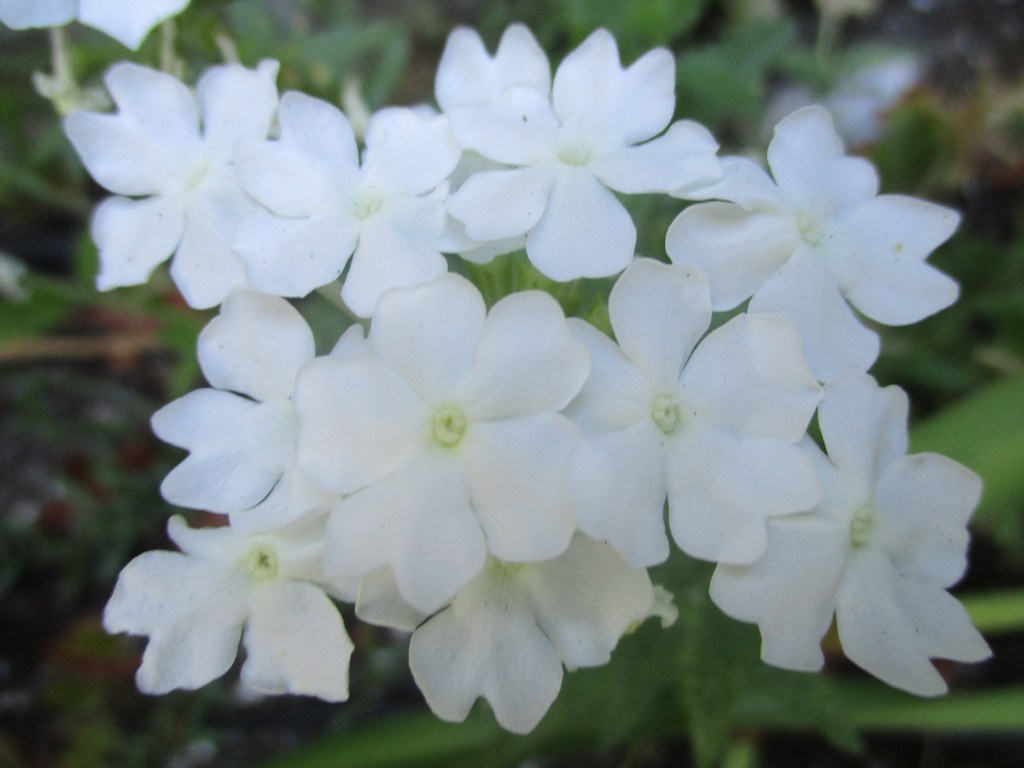
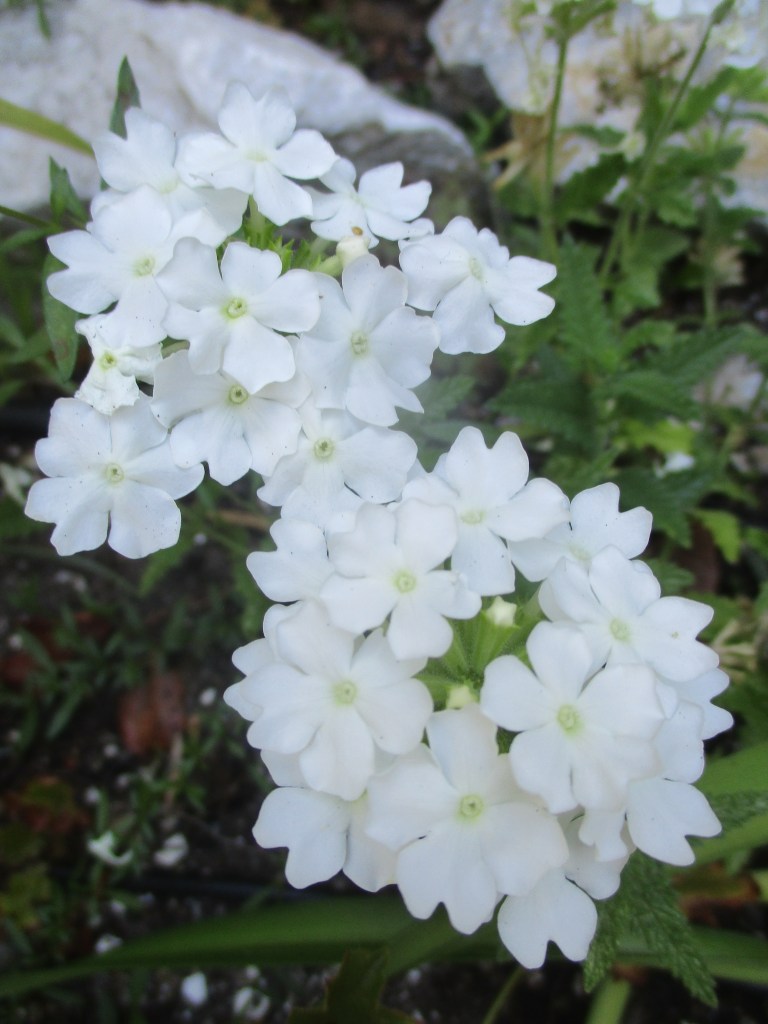
4. Verbena X hybrida (or Glandularia X hybrida), garden verbena, was installed with a mix of color in a garden across the road from the exclusively white garden of the Chapel.

5. Lobularia maritima, sweet alyssum, inhabits the same garden, where it should ideally cascade over the low stone retaining wall, but never grows big enough through summer.

6. Phlox paniculata, garden phlox, mysteriously appeared in the background within this same garden, and was appealing enough to stay, and even got divided for other gardens.

This is the link for Six on Saturday, for anyone else who would like to participate: https://thepropagatorblog.wordpress.com/2017/09/18/six-on-saturday-a-participant-guide/
Six on Saturday: WHITE

White is my favorite color! It always has been, long before it became a fad and a trendy coffee table book in the early 1990s. I do not care that it has become politically incorrect since then. Nor am I concerned with what Brent has to say about it. (He has not valued my opinion since 1986 anyway.) I realize that he is the famous landscape designer, and I am not, but I also know what I like in my own garden. I am quite pleased that there are so many white flowers at work, and even an exclusively white garden, at el Catedral de Santa Clara de Los Gatos!

1. Pelargonium X hortorum, the white zonal geranium at el Catedral de Santa Clara de Los Gatos, is blooming with smaller floral trusses because the weather is getting cooer through autumn.

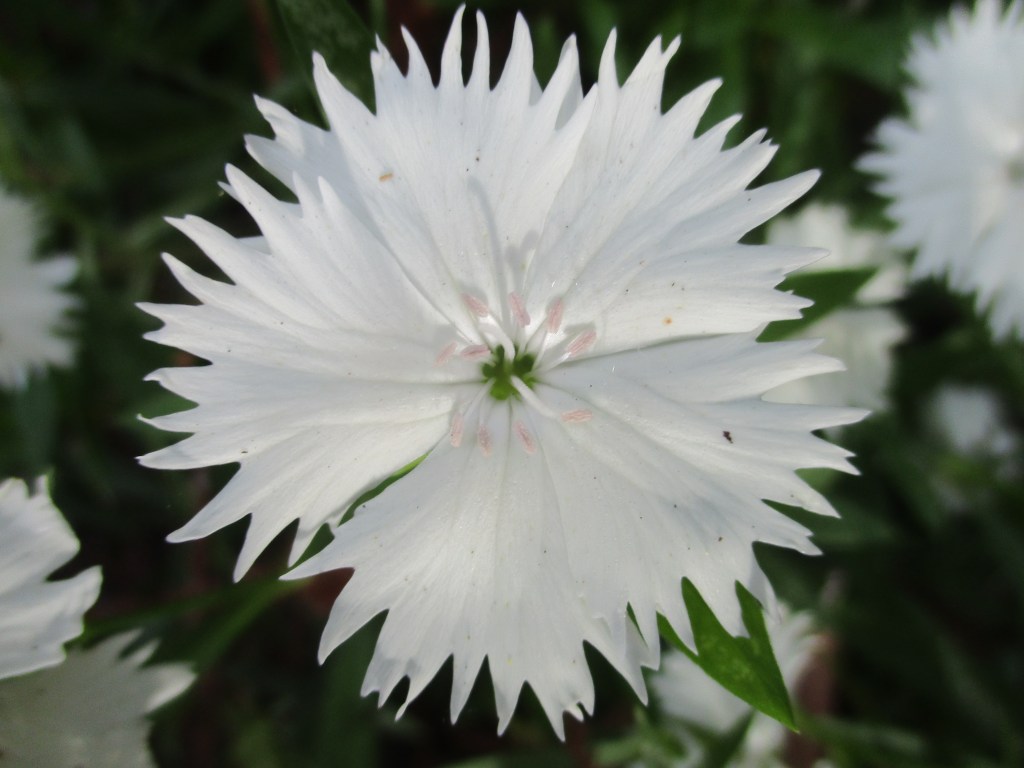
2. Dianthus deltoides has the unappealing common name of ‘pink’, likely because most varieties bloom pink. Some bloom red. This is one of the best because it blooms so perfectly clear white.

3. Hydrangea macrophylla should be at el Catedral de Santa Clara de Los Gatos instead of the other ‘white’ hydrangeas that were relocated there last winter before deciding to bloom lavender.

4. Camellia sasanqua is blooming impressively well for the shade that it lives in. I do not remember the name of this cultivar. It might be a hybrid of Camellia sasanqua and Camellia japonica.

5. Rhododendron such as this are known as ‘azalea’. (There is no picture of Rhody.) This and ‘Coral Bells’ bloom about now, but not while the others bloom so abundantly at the end of winter.

6. Betula pendula is an old fashioned tree that still works well here. White trunks are striking among the dark green redwoods. We dig and can their seedlings to eventually replace aging trees.

This is the link for Six on Saturday, for anyone else who would like to participate:

Six on Saturday: Folly

There is a certain degree of silliness to horticulture. Some of us indulge in it whenever there is an opportunity to do so. I prefer to conform to most rules when I can, but even I rarely engage in irresponsible gardening tactics. My predilection for white, and associated lack of appreciation for more interesting color, might be the most obvious example. Another example is my desire to grow too many useless plants simply because propagation stock happens to be available, or because I happen to enjoy the particular plants. Hey, it keeps me happy.

1. Agave attenuata – fox tail agave needed to be removed from one site, so should have been relocated neatly to another. It instead got cut down (with a chain saw!). It is now a shabby cutting.

2. Calandrinia grandiflora – rock purslane was more fortunate as it remained intact for removal and relocation, but will now get dismantled into a bunch of cuttings. Look at its silly little pot!

3. Phoenix dactylifera – date palm grew from seed in a neighbor’s compost pile. It would be nice if one is female and the other is male, but they could not produce fruit for many years anyway.

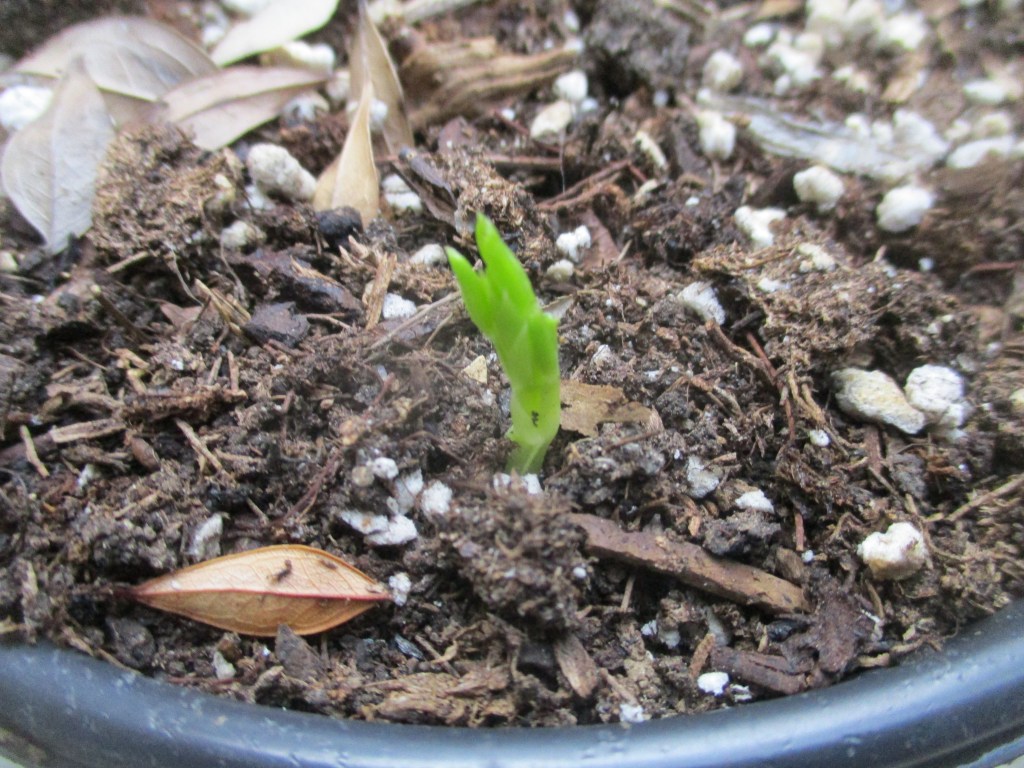
4. Lathyrus latifolius – perennial pea is common, but only a few bloom white. I tagged two to dig and can this winter. Well, I did not wait. They were already dormant. Now they are sprouting.

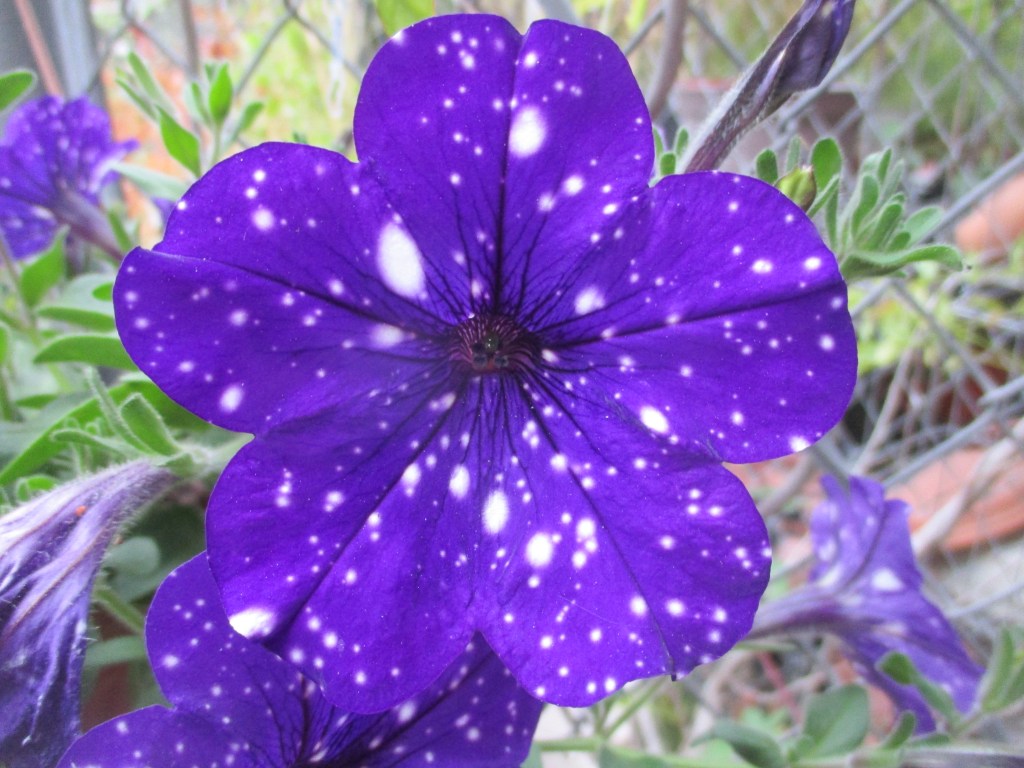
5. Petunia X hybrida – petunia is something that I do not get involved with at work. I lack proficiency with color. My colleague found this ‘Night Sky’ petunia, and despite reviews, is trialing it.

6. Rhody would not allow me to get a good picture of him, so I got this bad one instead. Everyone loves Rhody. He really is exemplary. Even his bad pictures are the best of all Six on Saturday.

This is the link for Six on Saturday, for anyone else who would like to participate:

https://thepropagatorblog.wordpress.com/2017/09/18/six-on-saturday-a-participant-guide/
Six on Saturday: Integration


Brent, my colleague down south, scoffs at my predilection for white, as well as the exclusivity of the white garden from which I got pictures for Six on Saturday for last week. I suppose that he is entitled to that since he is a renowned landscape designer and I am not. White is my favorite color regardless; although I lack a white garden of my own, and have no intention of developing one. Exclusivity is no simple task. Some flowers that are not white are too appealing to easily dismiss. Some move in without invitation. Some are not what they should be.

1. Cestrum nocturnum – night blooming jasmine blooms pale white. After installing it, I learned that it might bloom pale yellow! Fortunately, it is next door, just barely beyond the landscape.

2. Bergenia crassifolia – pigsqueak has inhabited the space behind el Catedral de Santa Clara de Los Gatos longer than anyone can remember. It blooms pink, but is not visible from out front.

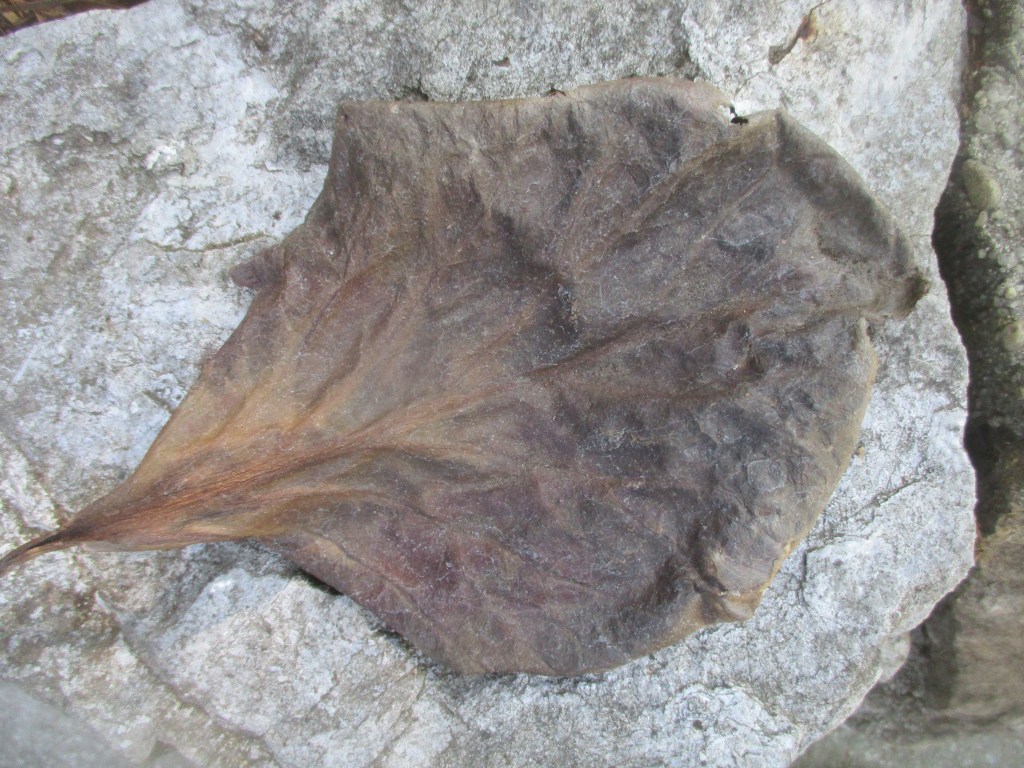
3. Bergenia crassifolia – pigsqueak should be groomed of old desiccated leaves. Incidentally, leaves blackened by frost are used as tea. I am unimpressed. These leaves are not frosted, just old.

4. Lychnis coronaria – rose campion is naturalized here, but is too pretty to pull while the landscape is still so sparse. It can bloom white, as well as red or pink, but I have not seen it do so yet.

5. Agapanthus orientalis – lily of the Nile was likely here about as long as the pigsqueak out back. Now that the first white lily of the Nile here was added at the road, the blue will be dismissed.

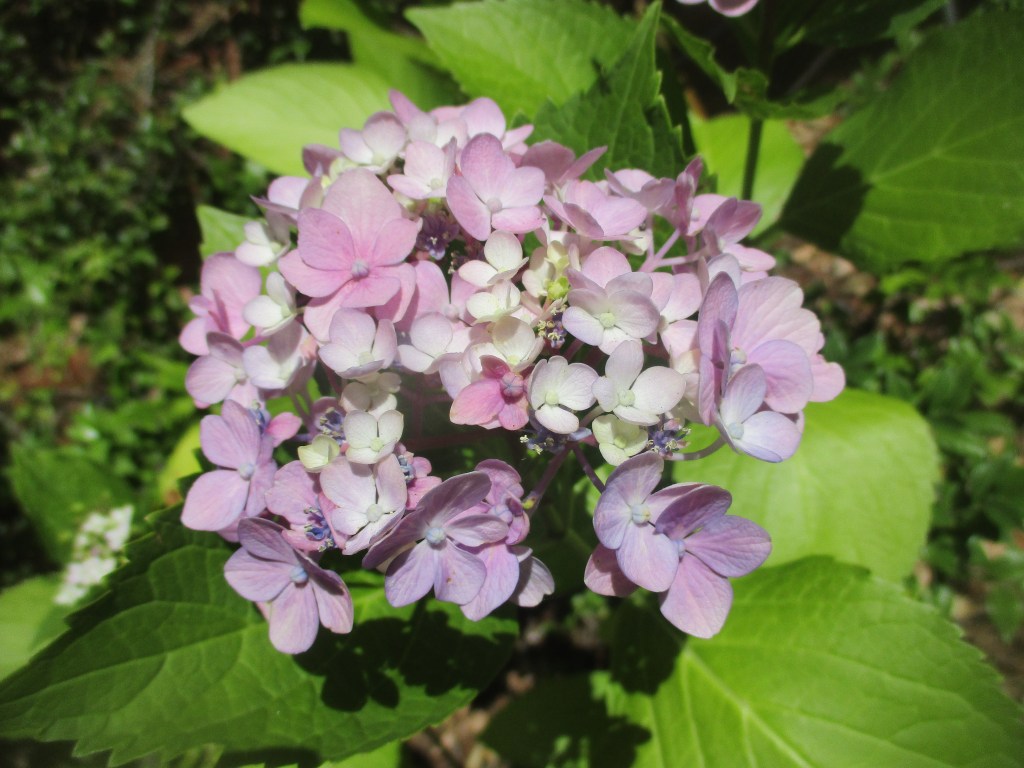
6. Hydrangea macrophylla – hydrangea got relocated to here from another landscape specifically because it was white. Now it is doing this. I do not know what color this is, but it is not white.

This is the link for Six on Saturday, for anyone else who would like to participate:

https://thepropagatorblog.wordpress.com/2017/09/18/six-on-saturday-a-participant-guide/
Six on Saturday: el Catedral de Santa Clara de Los Gatos

To everyone else, it is merely the Memorial Chapel. I prefer to think of it as el Catedral de Santa Clara de Los Gatos. It is a long story. Not only is it my favorite building that I work around, but it is outfitted with one of my favorite landscapes. Floral color is limited to white! My favorite color! There is not much to the landscape yet, but there will be later, particularly as the removal of adjacent trees improves sun exposure. Relocation of lily of the Nile is untimely, but necessary.

1. White lily of the Nile are a perfect fit here. They will function like a low hedge between the sidewalk and the roadway, without getting high enough to obscure the façade of the small Chapel.

2. Since the roadway is more than five feet below the sidewalk, the dense border of lily of the Nile will make the retaining wall seem less precipitous. The shading Douglas fir will get removed.

3. Double white angel’s trumpet was also a perfect fit when it was relocated here from the same garden that the lily of the Nile came from, but got majorly distressed by spider mite infestation.

4. It is recovering splendidly now, and is even developing floral buds again. Its future is uncertain though, since mites may continue to be a recurring problem. It lives next door to the Chapel.

5. Zonal geraniums presently provide the most white bloom here, although I can not take credit for them. Someone else put them here. I merely pruned them back when they were overgrown.

6. This is not what it looks like. This gentleman may seem to be expressing his opinion of the exclusivity of the white garden, or perhaps my predilection for white, but he is merely being silly.

This is the link for Six on Saturday, for anyone else who would like to participate:

https://thepropagatorblog.wordpress.com/2017/09/18/six-on-saturday-a-participant-guide/

Six on Saturday: More White Trash

White is my favorite color. That is why I write about it a bit more than I should. It seems simple enough to me. However, Brent says that I am a white supremacist. Furthermore, he says that I am white to go with it! More specifically, he says that I am white trash. I doubt that a white supremacists would agree, but I really do not care. White just happens to be my favorite color. That is why I got six pictures of white flowers for this week, even if some of them seem to be rather trashy to the more discriminating sorts.

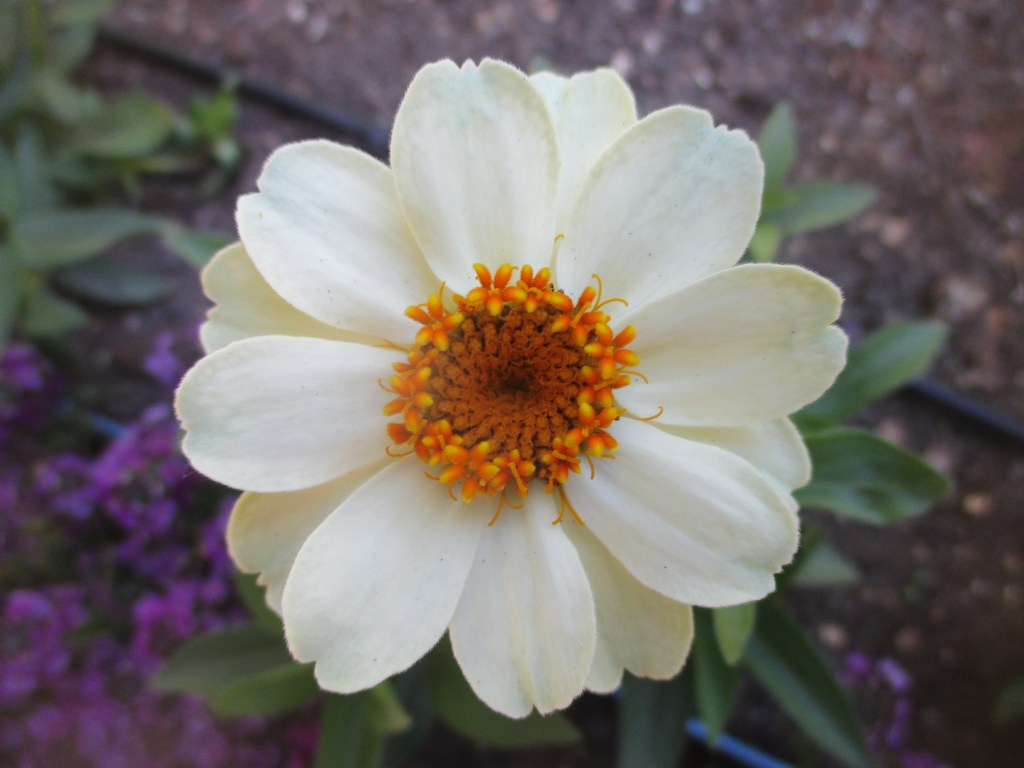
1. Zinnia is a warm season annual that will now be with us through summer. I am none too keen on annuals. Fortunately, I need not work with them. Incidentally, the zinnia colors are mixed.

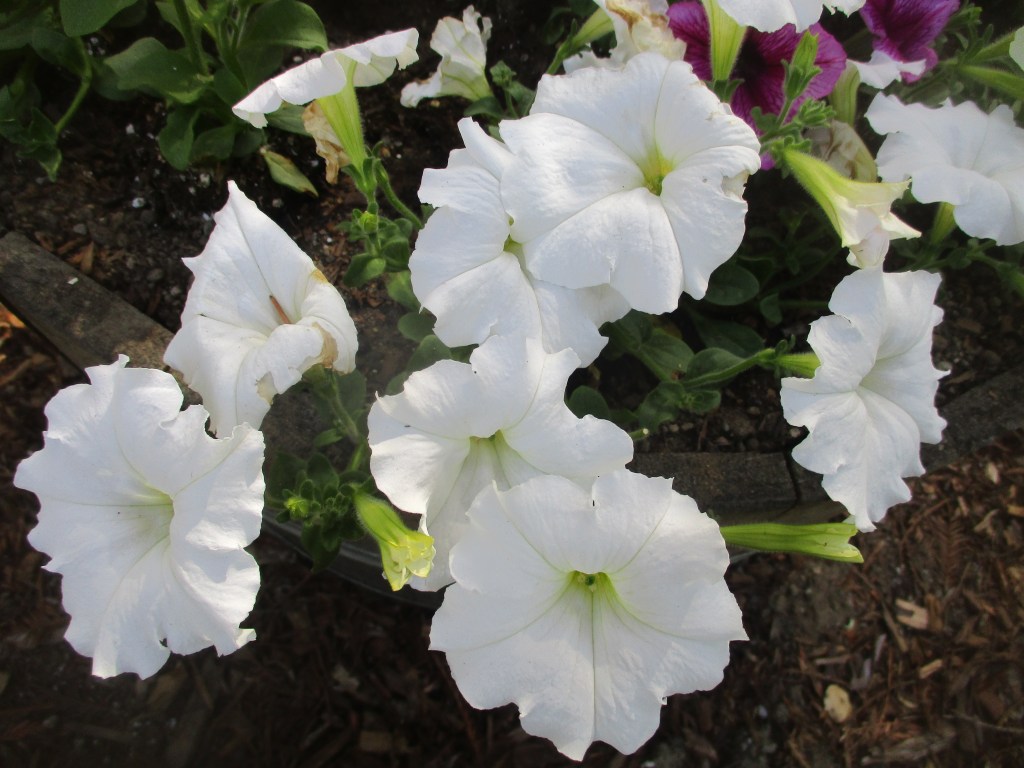
2. Petunia is another warm season annual for summer. Like the zinnia, their colors are mixed. Extra white petunia were added to the mix because I like white. I was uninvolved with selection.

w

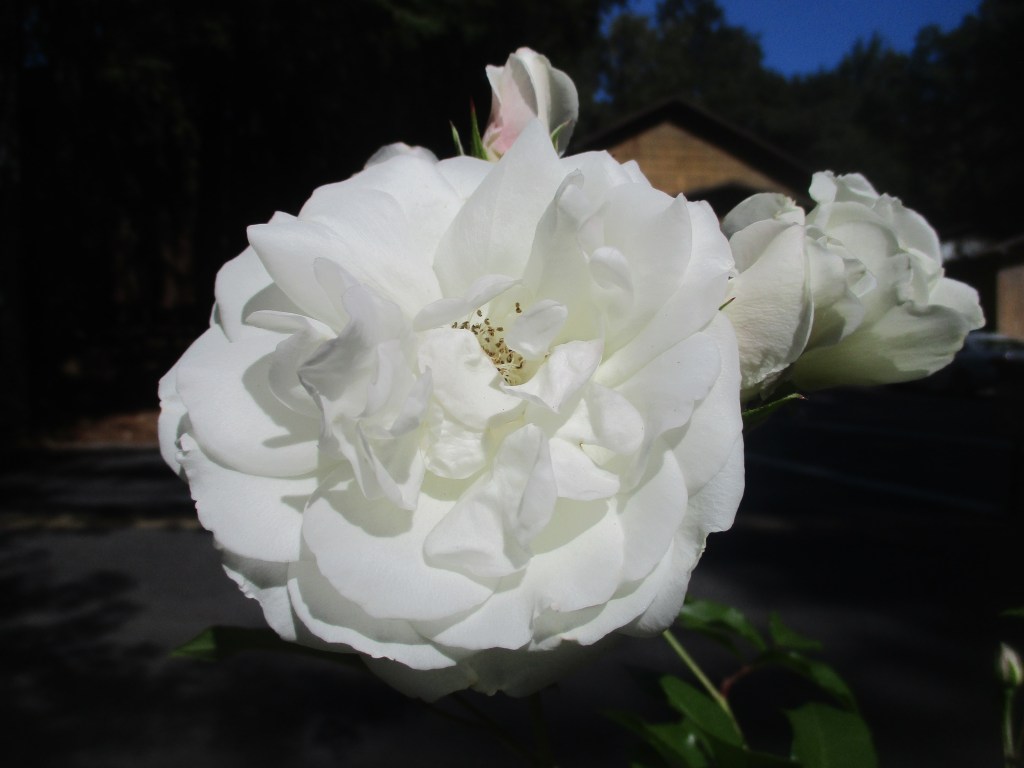
3. Rose should not be as trashy as annual bedding plants; but this one is Iceberg. As if that were not bad enough, it is grafted together with purplish Burgundy Iceberg as a standard ‘rose tree’.

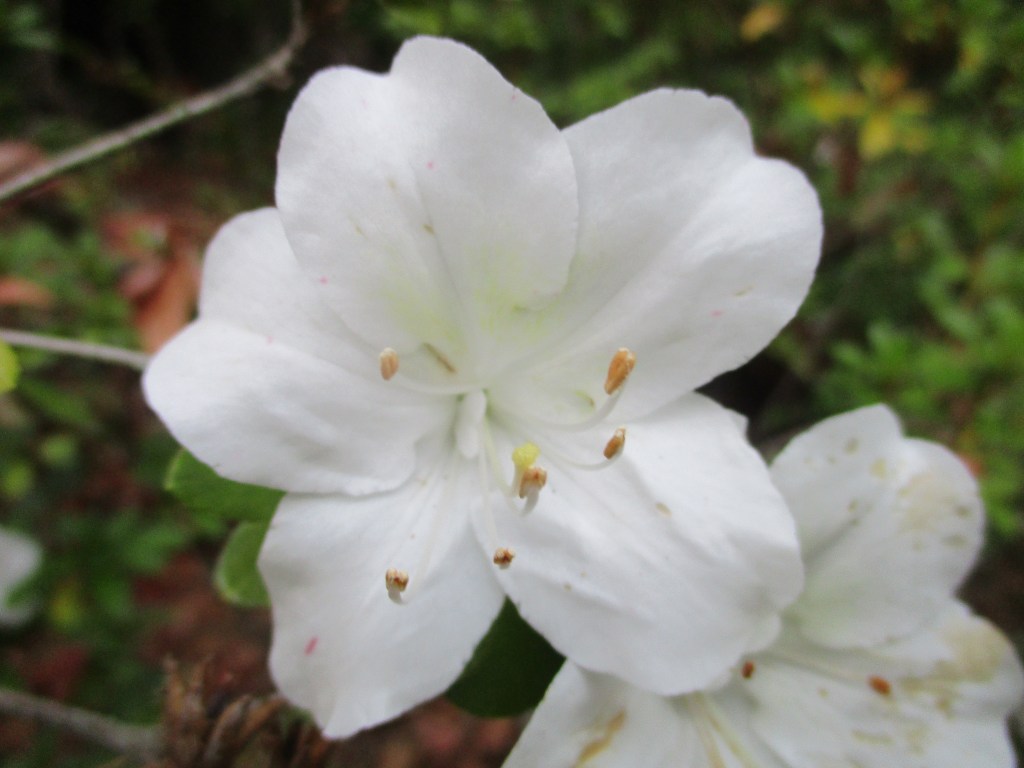
4. Azalea should be less trashy than rose; but I believe that this one is Fielder’s White. I am not certain. It somehow looks differently this year. Regardless, I like it. Bloom is deteriorating now.

5. Geranium, which is more correctly known as zonal geranium because of its darker foliar halos or zones, is actually Pelargonium X hortorum rather than a geranium. These are new cuttings.

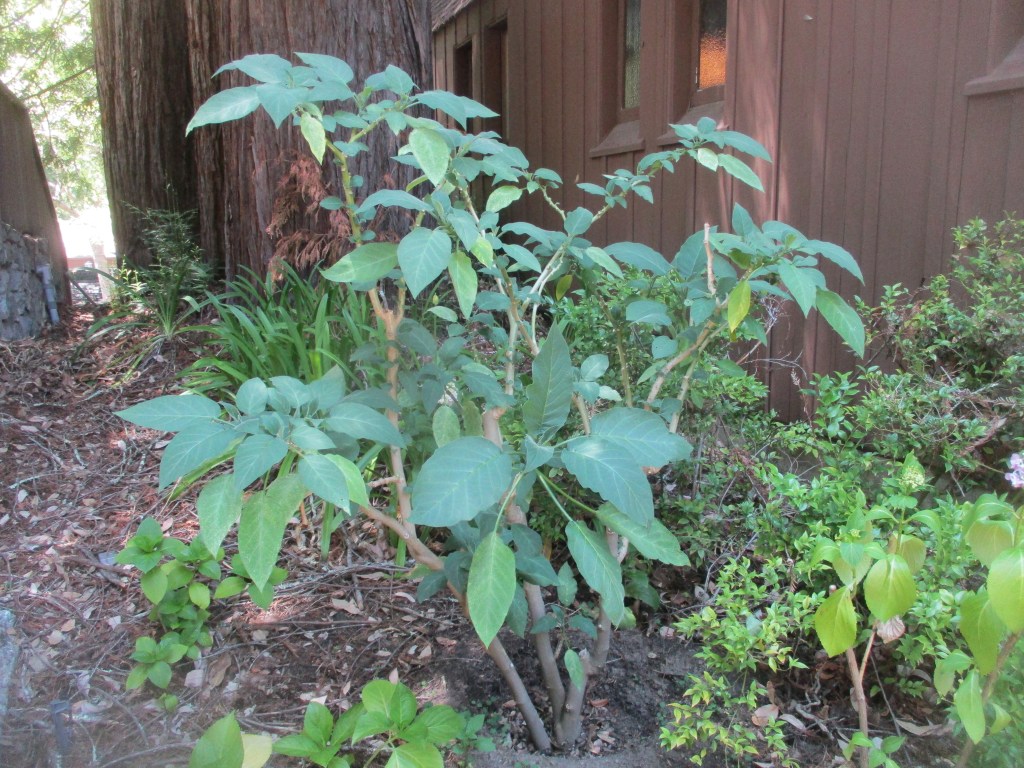
6. Angel’s trumpet is perhaps the least trashy of these Six, but looks shabby now because it is blooming so well with only skimpy foliage. It mostly defoliated after transplant three months ago.

This is the link for Six on Saturday, for anyone else who would like to participate:

https://thepropagatorblog.wordpress.com/2017/09/18/six-on-saturday-a-participant-guide/